
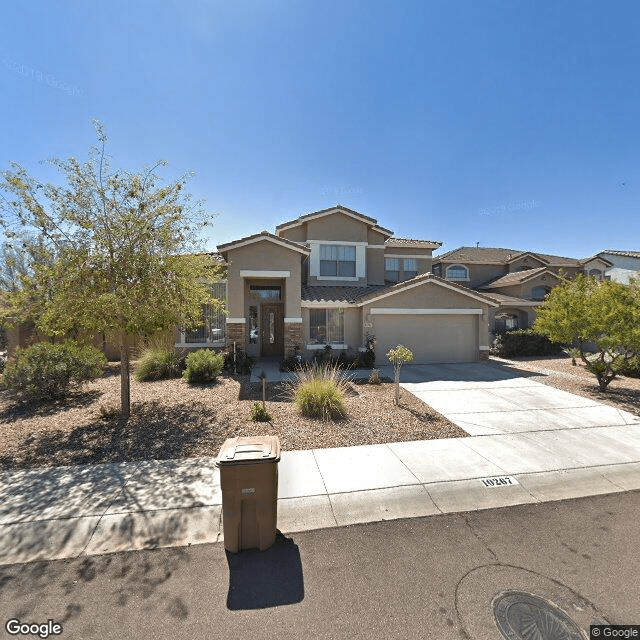
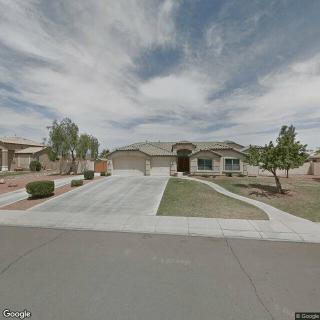
10267 W Cashman Dr, Peoria, AZ 85383
To contact a resident: (623) 466-0349
For more information about senior living options: (866) 208-4318
Casa Del Ray "Emma" Costs & Pricing
Casa Del Ray "Emma" offers competitive pricing for its residential care services when compared to the broader market in Maricopa County and throughout Arizona. The semi-private room rate at Casa Del Ray stands at $3,500 per month, which is noticeably higher than both the county average of $2,801 and the state average of $2,820. Similarly, the private room option is priced at $5,000 monthly, significantly exceeding the county's average of $3,318 and the state's average of $3,345. While Casa Del Ray "Emma" may present a higher cost relative to local and state benchmarks, this pricing can reflect its commitment to quality care and enhanced amenities that may appeal to residents seeking a more personalized living experience.
| Floor plans | Casa Del Ray "Emma" | Maricopa County | Arizona |
|---|---|---|---|
| Semi-Private | $3,500 | $2,801 | $2,820 |
| Private | $5,000 | $3,318 | $3,345 |
Senior living communities with a similar price nearby
-
from +$150 / mo

SeniorBridge - Scottsdale, AZ
$3,650 / month23.3 miles away -
About the same
A Paradise for Parents Campbell Avenue
$3,500 to $4,500 / month14.3 miles away -
from -$550 / mo
Endeavor AL I
$2,950 to $4,200 / month17.7 miles away -
from +$200 / mo
Endeavor AL III
$3,700 to $4,000 / month18.6 miles away -
About the same

Endeavor AL II
$3,500 to $4,000 / month18.4 miles away
Overall Review of Casa Del Ray "Emma"
Pros
 The people at Casa Del Ray Emma were very compassionate and caring.
- Black Rock serves great coffee.
- The houses are nice and the people are friendly.
Cons
 The owner refused to allow Season Hospice to work under current CDC and Health Department guidelines.
- He would not admit new staff or visitors unless they had a negative COVID test within 48 hours, despite vaccination status.
- He conveyed that he did not believe in vaccines and claimed no one in the home had been vaccinated.
- He left the home often and returned to care for residents without using proper PPE.
- He would not cover relocation expenses or refund money owed after being asked to move.
- He demanded a 30-day notice that was not honored, effectively keeping money owed.
- He changed rules to suit his own preferences and argued with medical and family requests rather than cooperating.
- The reviewer does not recommend this home.
Review
Casa Del Ray Emma in Peoria is best suited for seniors who want a warm, home-like setting with genuinely hands-on, personal caregiving. The community rewards residents with a small-house feel, approachable staff, and daily warmth that many families associate with a caregiving “family” rather than a sterile facility. For families prioritizing relationship-based care and a comfortable living environment over a highly institutional medical footprint, this community offers a practical, steady option. While one reviewer notes uncertainty about activities, the consistent message across feedback is that the people and the atmosphere carry real value.
Those who may want to consider alternatives are families with higher demands for formal medical coordination or strict, policy-driven governance. A particularly troubling account alleges that the owner resisted outside medical involvement, specifically hospice, and created friction around how therapists and other professionals could work with residents. The reviewer also describes disputes over vaccines and PPE, a lack of adherence to outside guidelines, and disputes about refunds and relocation notice. For households that rely on seamless coordination with hospice, nursing services, and regulated procedures, these governance and policy questions raise red flags that could complicate care plans or lead to unexpected disruptions.
The strongest pros here, genuine compassion from caregivers and a homelike environment, offer meaningful counterweights to the potential downsides. When staff are described as caring and attentive, daily life feels more manageable and less clinical, which can significantly improve mood, comfort, and social connectedness for residents. The visible warmth and the sense of belonging within a tight-knit setting can sustain a higher quality of life even if medical coordination is not as robust as some families would want. That relational strength helps offset some risks, but it does not erase the risk of abrupt policy shifts or limited access to services if governance tensions flare.
On the downside, the most consequential concerns center on governance and medical integration. The reported reluctance to collaborate with hospice, questions about requiring specific conditions for outside therapies, and an apparent divergence from standard protocols create uncertainty for families planning long-term care. If medical needs intensify or if outside professionals are essential to a resident’s care plan, these dynamics can erode trust and complicate decision-making. Financial terms and notification procedures, as described by the reviewer, add another layer of potential friction that could affect continuity of care during transitions.
Practical next steps for families evaluating Casa Del Ray Emma are clear. Initiate a candid discussion with leadership about how outside medical providers, hospice, therapists, and other specialists, will be integrated, and request written policies that spell out authorization processes, PPE expectations, and infection-control expectations. Obtain copies of current contracts and note any clauses around notice periods and refunds, clarifying what happens if a move becomes necessary. Visit with current residents and families to observe daily routines, and if possible, request to meet both care staff and the owner to gauge alignment on care philosophy. Consider a trial period or staged commitment before full relocation, and compare these terms against other communities with a track record of transparent governance and dependable medical partnerships.
Bottom line: Casa Del Ray Emma delivers warmth, a homelike atmosphere, and attentive day-to-day care that can significantly improve daily life for residents who value personal connection over institutional polish. It is less well-suited for families needing highly predictable medical coordination, transparent governance, and unambiguous financial terms. For those who can tolerate a smaller-scale operation with a strong emphasis on caregiver relationships, this community can be a practical, comforting choice. However, for any family where consistent access to outside medical professionals, clear policy adherence, and reliable relocation terms are non-negotiable, it is prudent to explore alternatives with more robust medical integration and governance clarity.
 Board and Care Home
 Cats allowed
 Dogs allowed
 Activities off-site
 Indoor common areas
 Outdoor common areas
 Private
 Private bathrooms
 Respite or short term stays offered
 Wheelchair accessible showers
 Phoenix Sky Harbor International (24 miles away)
 Diabetic care
 High acuity care
 Incontinence care
 Kosher




 Nurturing Our Loved Ones: A Daughter's Journey in Caring for Her Mother
 Nurturing Our Elders: Linda's Journey of Supporting Her Mother
 A Comprehensive Exploration of Common Misunderstandings about Powers of Attorney