
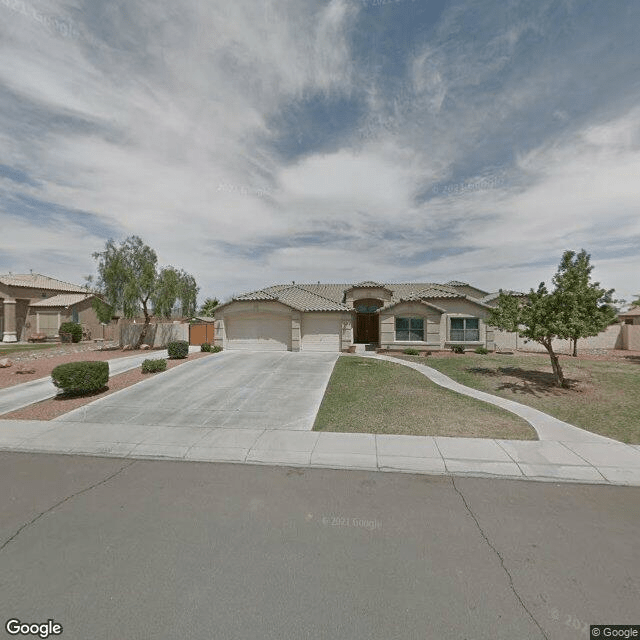
23157 North 103rd Lane, Peoria, AZ 85383
To contact a resident: (623) 205-9083
For more information about senior living options: (866) 208-4318
Because We Care 2 LLC Costs & Pricing
Because We Care 2 LLC offers competitive pricing for its private room accommodations, charging $2,500 per month. This rate is notably lower than the average costs in Maricopa County, which stand at $3,318, and in the broader state of Arizona where the average reaches $3,345. By providing a more affordable option without compromising quality, Because We Care 2 LLC positions itself as an attractive alternative for those seeking care services in a market that can be quite expensive. This commitment to affordability reflects their dedication to making quality care accessible to a wider community while still ensuring a comfortable and supportive environment for residents.
| Floor plans | Because We Care 2 LLC | Maricopa County | Arizona |
|---|---|---|---|
| Private | $2,500 | $3,318 | $3,345 |
Senior living communities with a similar price nearby
-
from +$300 / mo
Pinnacle Peak Assisted Living
$2,800 to $3,100 / month21.3 miles away -
from +$450 / mo
Endeavor AL I
$2,950 to $4,200 / month17.8 miles away -
from +$400 / mo
Royal Paradise Care
$2,900 to $3,800 / month6.4 miles away -
from +$300 / mo
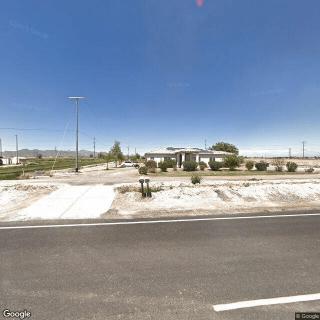
Home of Helping Hands Assisted Living, LLC
$2,800 to $3,500 / month15.0 miles away -
from -$100 / mo
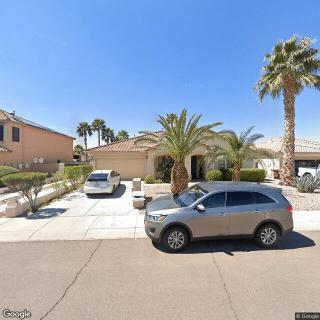
Jolley Family Assisted Living Home II
$2,400 to $3,875 / month23.3 miles away
Overall Review of Because We Care 2 LLC
Pros
 The large house is clean and comfortable, with a caring staff.
- It’s a great place with awesome people.
- The facility is great and staffed by caring professionals.
- The staff are excellent, and the owner is honest and hardworking.
- The name signals care, and the institution receives full endorsement.
- The home is described as the best.
Review
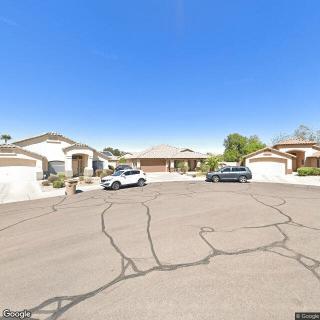
Because We Care 2 LLC in Peoria is best suited for families seeking a warm, home-like residence where personal attention and a sense of family ownership are palpable. The consistently strong feedback highlights a large, clean, comfortable house and a caregiving team that shows up with genuine warmth. For seniors who prize daily familiarity, meaningful interactions, and a setting that feels like a well-run private home rather than a sterile care campus, this community delivers with impressive consistency. The atmosphere is not about flash; it is about reliable presence, cleanliness, and a reassuring sense that caregivers know residents well and treat them with calm, attentive dignity.
Those who should consider alternatives are those whose needs extend beyond a homey environment. If the requirement is robust, around-the-clock clinical oversight, highly structured memory-care programming, or a setting that emphasizes clinical amenities over homelike comfort, other facilities with larger care teams and formal medical protocols may be more appropriate. Families seeking highly documented care plans, aggressive nurse staffing ratios, or a broader menu of specialty services should compare options to ensure the level of medical support matches the resident’s evolving needs.
The key strengths, a large, tidy, comfortable footprint, and a staff that genuinely cares, more than compensate for the absence of any notable downsides in the available feedback. A home atmosphere reduces the sense of transition and helps residents settle in quickly, while ample space can lessen feelings of confinement and promote easy, daily movement. The consistency and warmth from caregivers, paired with an owner who is described as honest and hardworking, create a stability that mitigates common concerns about management drift or inconsistency in service delivery. The absence of sharp, recurring criticisms in the reviews speaks to reliable daily rhythms and predictable routines.
Staff and leadership emerge as the defining advantage. Reviewers repeatedly point to caring frontline teams and a proprietor who is personally invested in the community’s success. The owner’s hands-on approach signals accountability and a personal stake in residents’ well-being, which translates into attentive-caretaking culture rather than impersonal protocol. This dynamic often means richer daily interactions, quicker responsiveness to requests, and a sense of trust that extends beyond a single staff shift. In practice, families can expect caregivers who remember preferences, meals, and routines, contributing to lower anxiety for both residents and family members.
For decision-making, focus the evaluation on daily experience and governance. During tours, observe how staff interact with residents, tone, pacing, and whether caregivers anticipate needs without being prompted. Inquire about staffing consistency across shifts, how care plans are updated, and how residents participate in daily activities or mealtime choices. Ask about visitation, emergency response timelines, and any licensing or regulatory statuses that guarantee safety standards. Given the overwhelmingly positive sentiment, the most meaningful questions center on current staffing levels, the availability of a familiar caregiver team, and how the home adapts to a resident’s changing preferences over time.
Ultimately, this community stands out for families who value a genuine, people-first approach in a home-like setting. Because We Care 2 LLC delivers warmth, attentiveness, and a trustworthy leadership presence that many small-family homes strive to achieve. It is a strong fit for seniors who thrive on personalized attention and a stable, comfortable day-to-day rhythm. Those with more intensive medical needs or a desire for formal, facility-wide medical programming should explore alternatives to ensure the chosen environment can scale with evolving care requirements. A guided visit and direct conversations with current staff will confirm alignment with the resident’s priorities and the family’s expectations.
 Board and Care Home
 Private
 Phoenix Sky Harbor International (24 miles away)
 Ambulatory care
 Diabetic care
 High acuity care
 Incontinence care
 Medication management

 Navigating the Tax Landscape of Caregiving: Credits, Deductions, and Beyond
 Highly Beneficial Low-Impact Exercises for Senior Living Residents
 Is In-Home Healthcare Tax Deductible? Your Comprehensive Guide