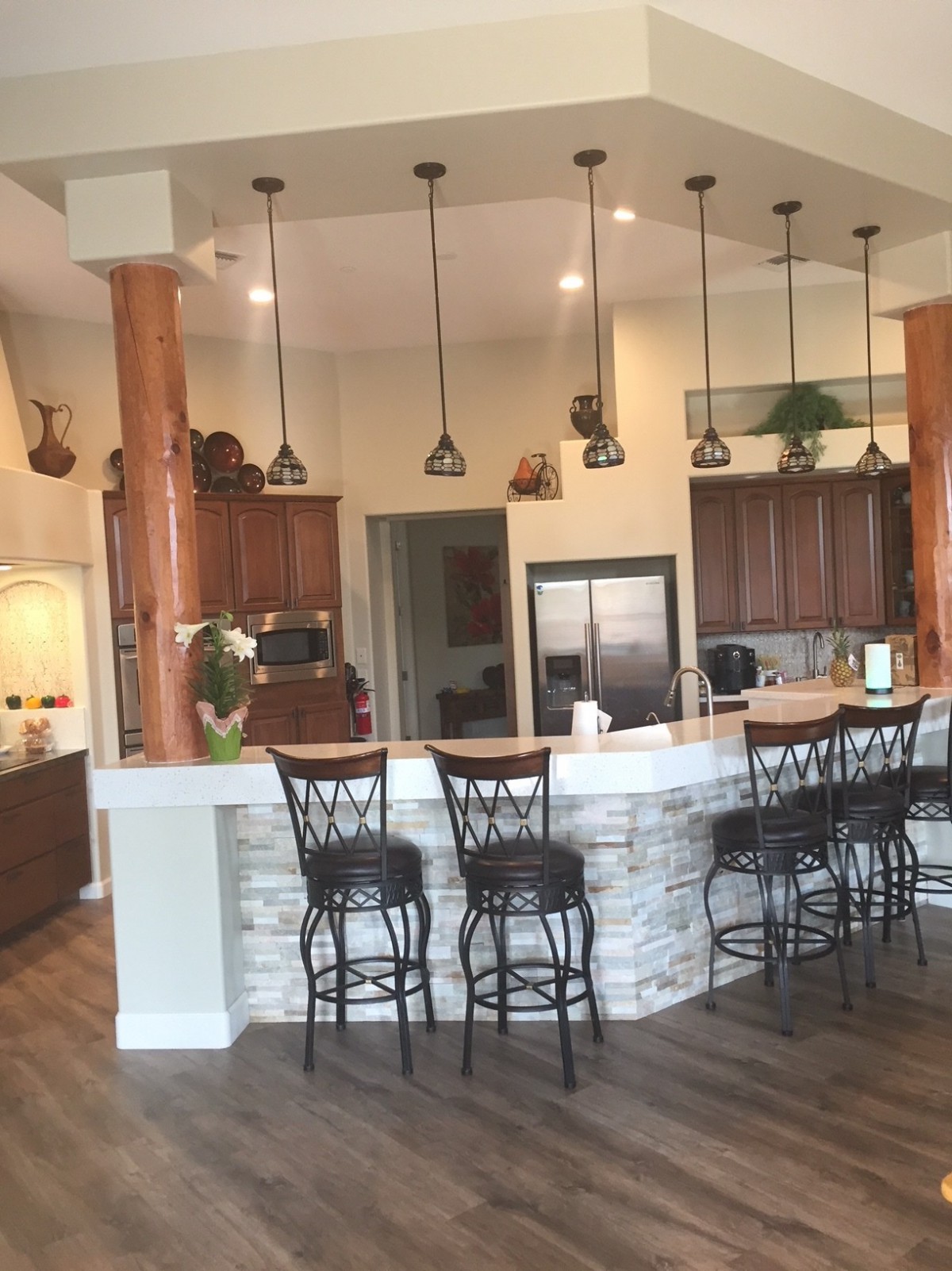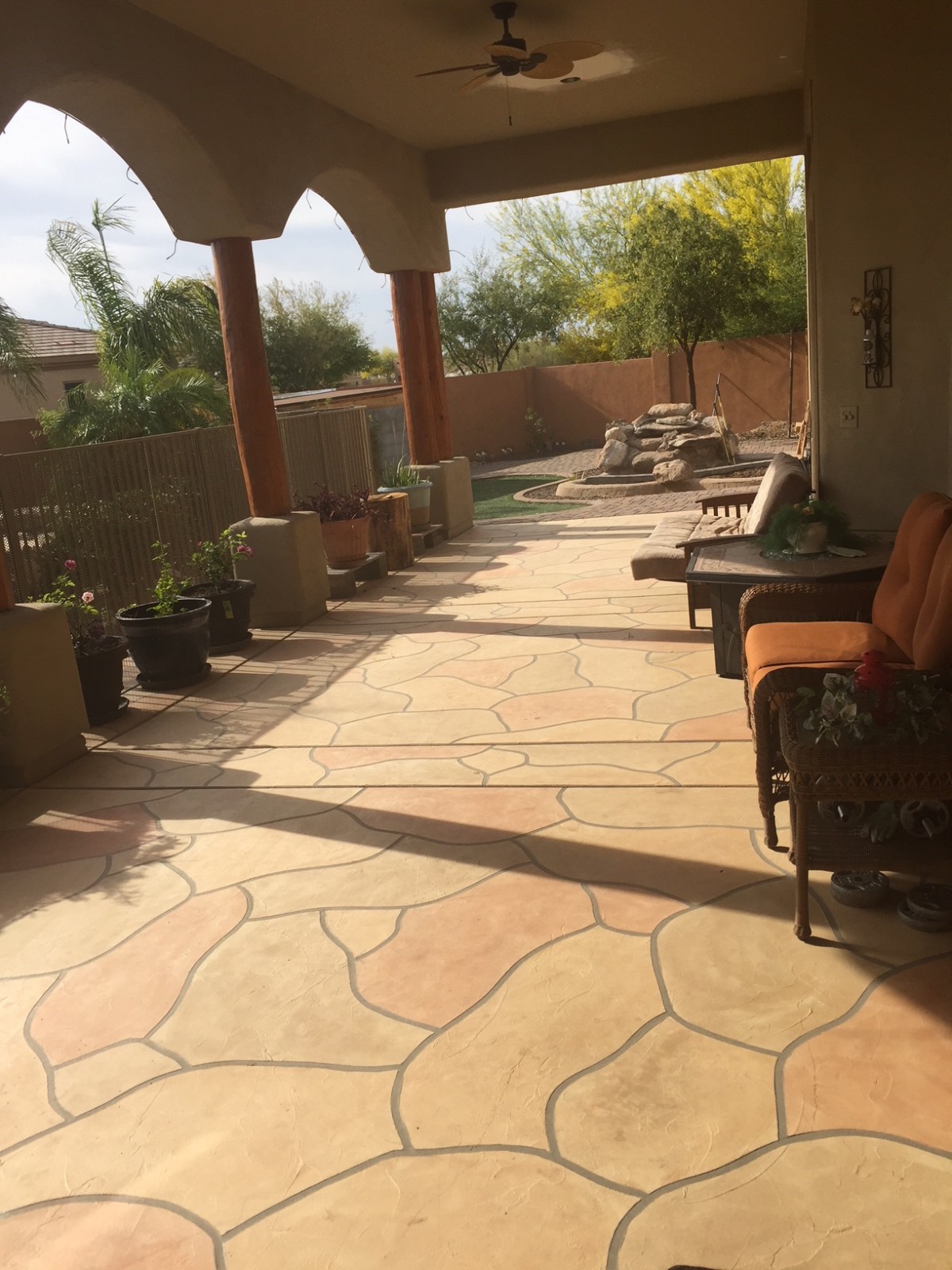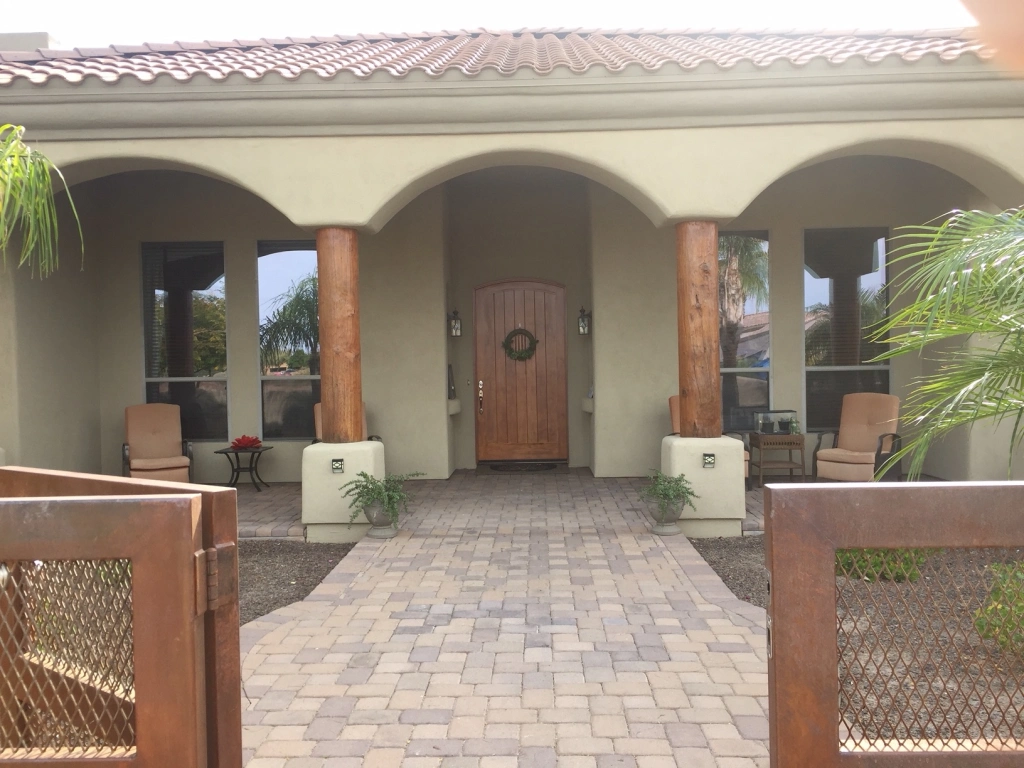
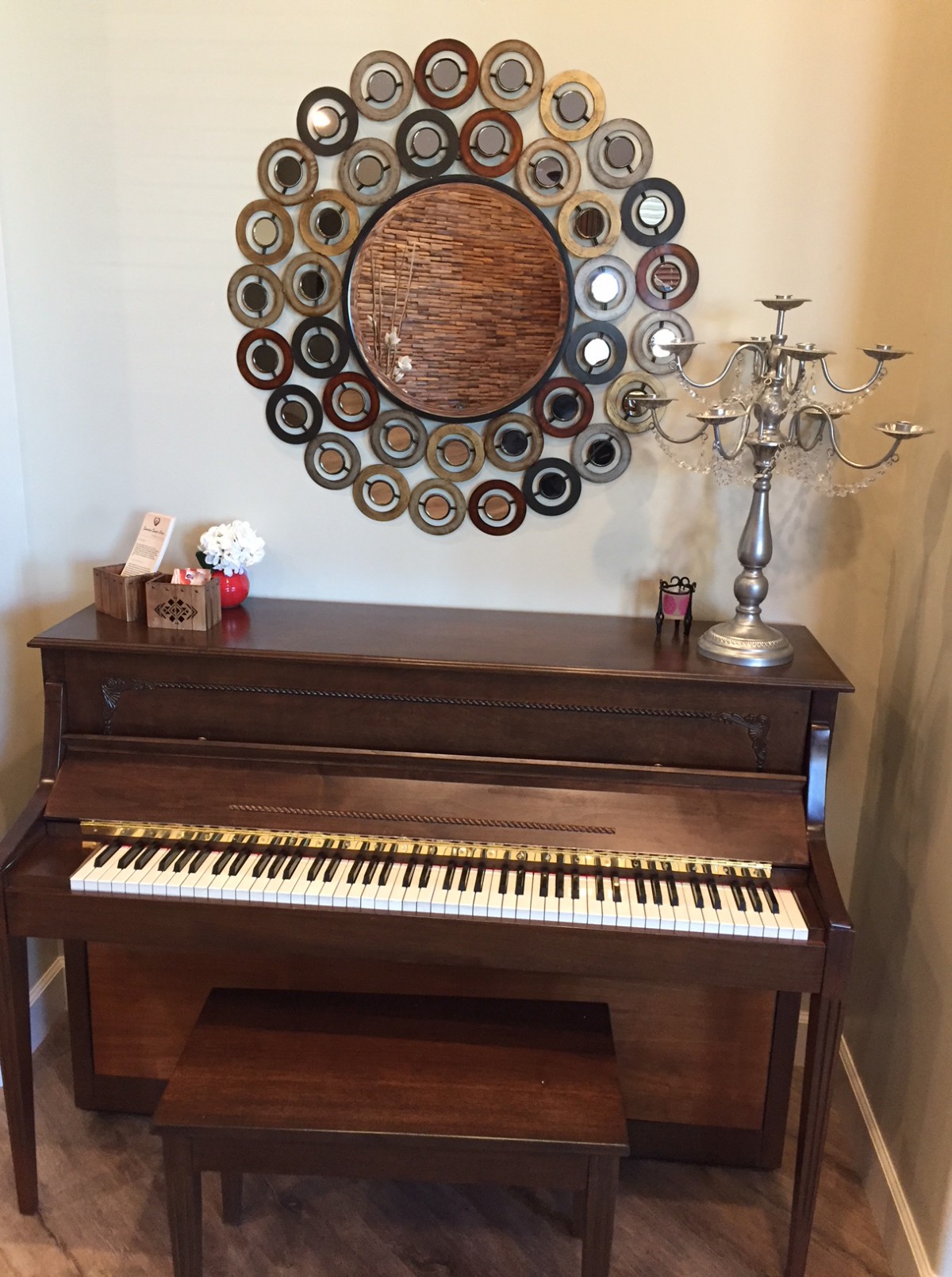
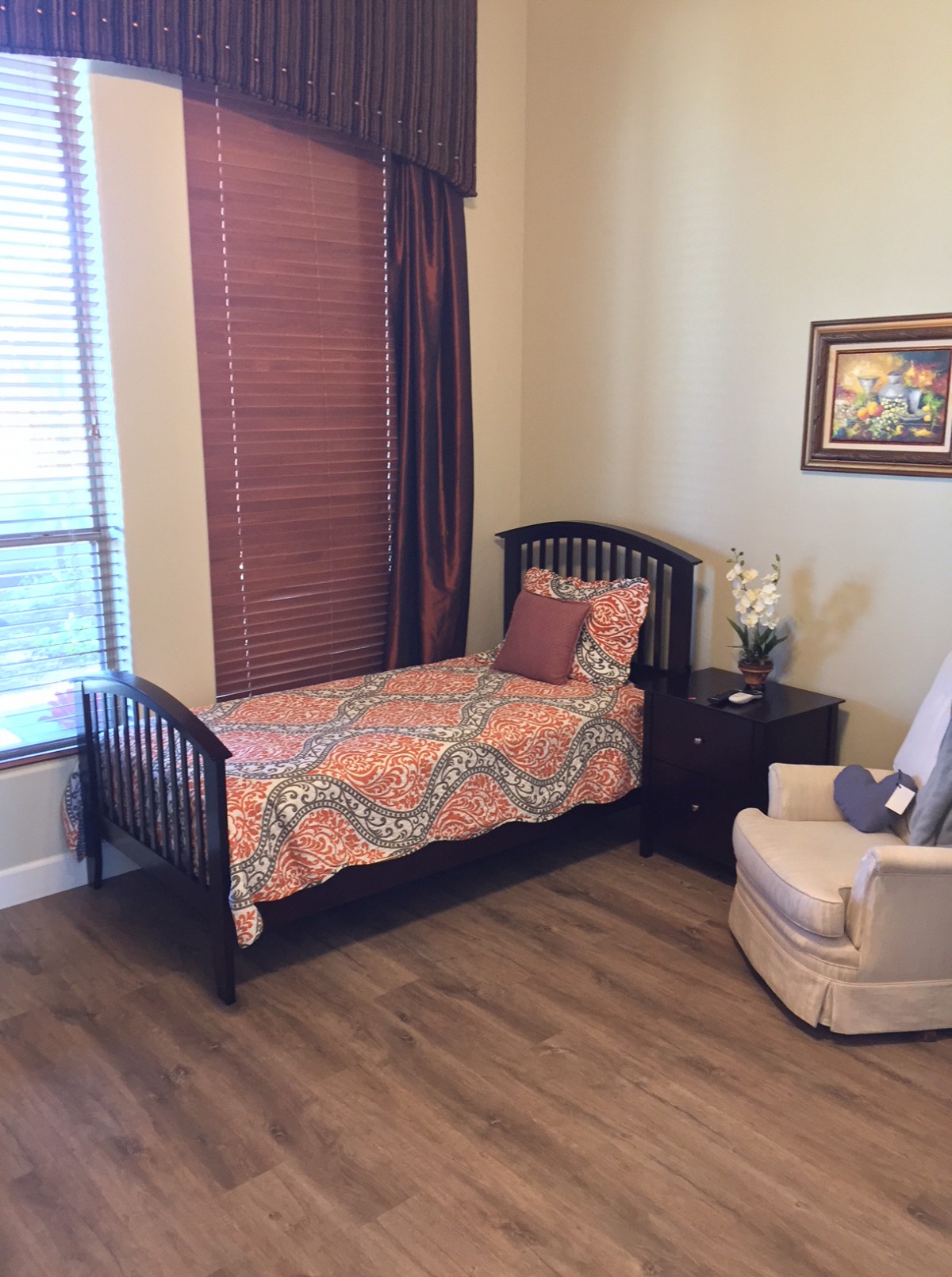
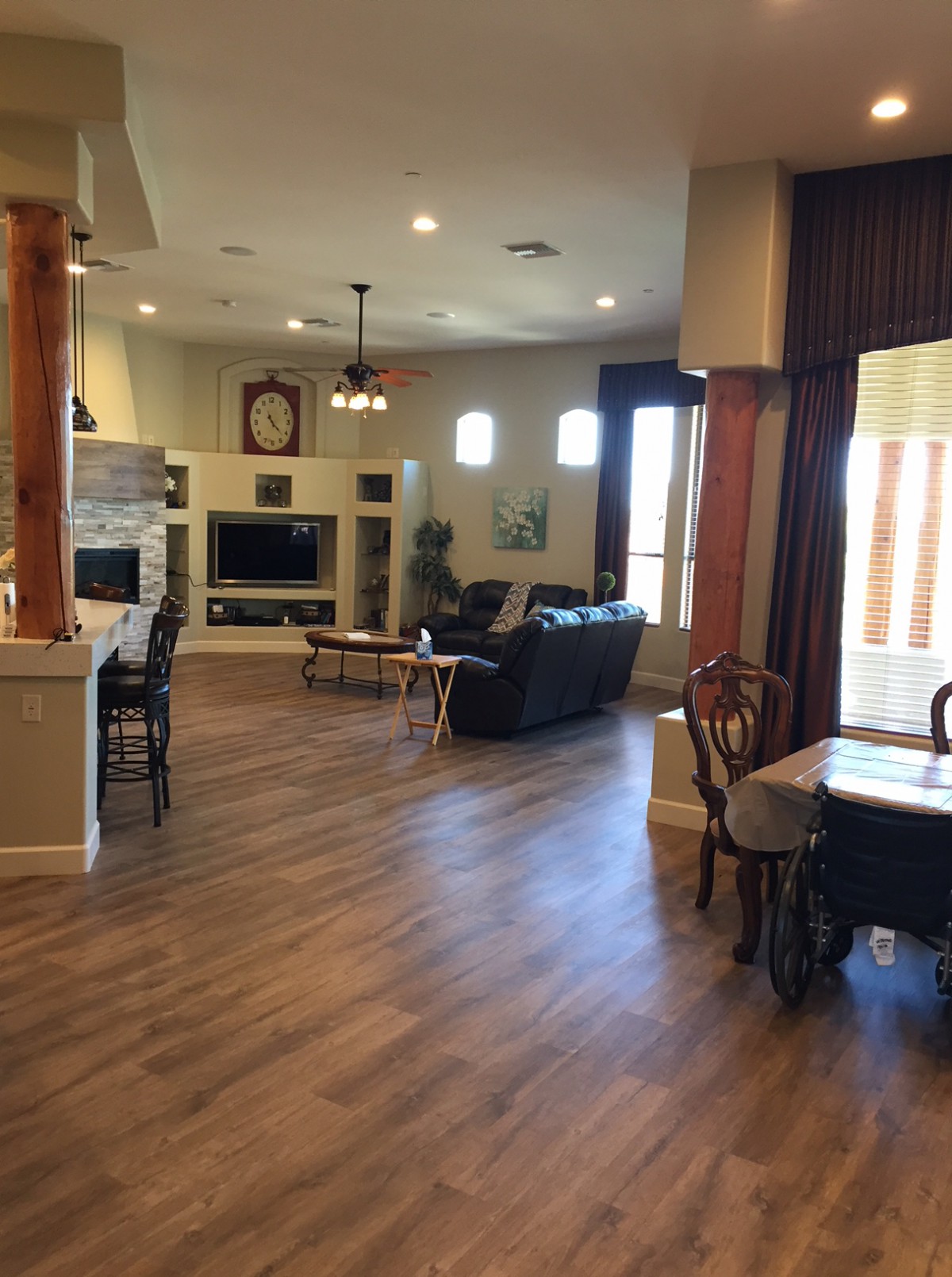
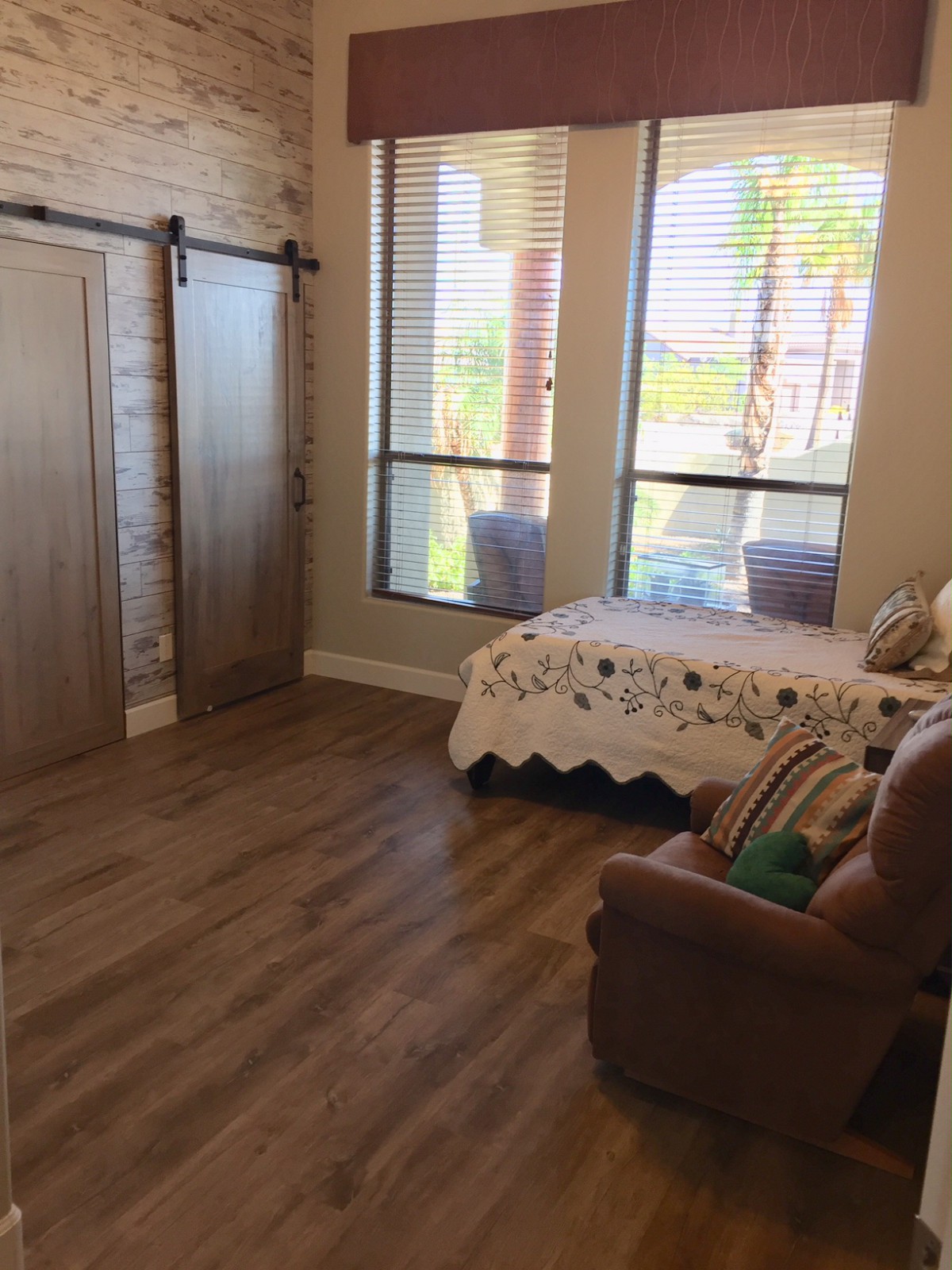

23512 North 102Nd Avenue, Peoria, AZ 85383
For more information about senior living options: (866) 208-4318
Sonoran Senior Care Costs & Pricing
Sonoran Senior Care offers a private room at a monthly rate of $4,000, which exceeds both the Maricopa County average of $3,318 and the state average for Arizona, which is slightly higher at $3,345. This pricing reflects the personalized care and comprehensive services that Sonoran Senior Care provides, catering to the unique needs of its residents. While it may be positioned at a premium compared to regional averages, the facility's dedicated staff and tailored approaches to senior care are pivotal in delivering an enhanced living experience that many families find invaluable.
| Floor plans | Sonoran Senior Care | Maricopa County | Arizona |
|---|---|---|---|
| Private | $4,000 | $3,318 | $3,345 |
Overall Review of Sonoran Senior Care
Pros
 Ligia goes above and beyond with her residents at her care home.
- Her care home is beautiful and provides great care.
- Ligia is a go-to choice when clients need assistance with their care needs.
- The Coman Family provided the best experience for their mother and took very good care of her.
- They are very attentive to residents and maintain a professional, family-like atmosphere.
Review
Sonoran Senior Care in Peoria is best suited for families seeking a tightly run, home-like setting where caregiving feels personalized and unhurried. This community excels when a loved one benefits from direct, hands-on attention rather than a large-scale, clinical environment. The care model centers on a small, intimate home atmosphere where staff know residents by name and tailor daily routines to individual preferences. Ligia’s leadership in the care home setting is repeatedly highlighted as going above and beyond, delivering dependable, responsive care. The Coman Family reinforces this personal touch with a professional, yet deeply family-like atmosphere that makes residents feel welcomed, valued, and safely supported.
Those evaluating alternatives should consider whether the priority is robust clinical oversight and a broad slate of services. For seniors with high medical acuity, complex medication regimens, or the need for extensive on-site therapies, a larger assisted living campus or a facility with dedicated medical staff may be more appropriate. Families should also weigh the desire for a structured activity calendar, formal memory care programs, or on-site specialists. If the goal is continuous supervision and highly coordinated clinical services, the intimate home model may feel too limited, and a more resource-rich option could reduce the burden of coordinating outside providers.
The strongest pros are precisely the elements that small, caregiver-led homes like this deliver. Residents benefit from highly personalized attention, with caregivers who can respond quickly to changing needs and preferences. The environment feels professional yet genuinely homelike, which tends to ease transitions and reduce the stress associated with care adjustments. The positive testimonies about Ligia, who is described as going above and beyond, and about the Coman Family’s attentive, professional demeanor signal a level of reliability and predictability that families crave when entrusting a loved one to care. This combination often translates into better daily routines, more consistent interactions, and a sense of security that larger settings may struggle to replicate.
The potential drawbacks flow naturally from the same small-scale strengths. A home-style operation may have fewer on-site amenities, a narrower range of medical services, and less formal programming than larger communities. This can mean less immediate access to specialized therapy, on-demand nursing, or round-the-clock clinical oversight. For families just starting to navigate care transitions, there is also a need to actively coordinate with external providers and to confirm that medication management, emergency procedures, and care plans align with the resident’s needs. In short, the trade-off is a quieter, more individualized living experience that may require more careful planning around medical and therapeutic requirements.
Yet the favorable aspects often compensate for these trade-offs in meaningful ways. For families prioritizing dignity, comfort, and sustained relationships, the intimate setting creates continuity that reduces confusion and anxiety for the resident. The reputations of Ligia and the Coman Family suggest that staff turnover is not the dominant issue; rather, there is a consistent adult presence who treats residents as family members. The resulting sense of belonging, coupled with responsive, respectful care, makes everyday life simpler and more predictable for both residents and their loved ones. When care is delivered with warmth and professionalism, the emotional and practical benefits can far outweigh the limitations of a smaller footprint.
In practical terms, this community is a strong fit for seniors who value a warm, individualized caregiving experience over the breadth of services found elsewhere. The recommended approach is to visit with care, observe how staff interact with residents, and scrutinize the stability of caregiving teams and daily routines. Prospective families should ask about staffing ratios, how medications are managed, what emergency protocols look like, and how continuity of caregivers is maintained during shift changes. If these elements align with the resident’s needs and the desire for a home-like day-to-day rhythm, Sonoran Senior Care stands out as a thoughtful, well-executed option. The bottom line is clear: for the right senior, this is a compelling, trustworthy alternative to larger, more impersonal facilities.
 10 resident community capacity
 Assisted Living
 Activities on-site
 Cable or satellite TV
 Devotional services off-site
 Dining room
 Fully furnished
 Garden
 Housekeeping services
 Indoor common areas
 Move-in coordination
 Outdoor space
 Telephone
 Wi-Fi/high-speed internet available
 Phoenix Sky Harbor International (24 miles away)
 24-hour supervision
 Ambulatory care
 Assistance with bathing
 Assistance with dressing
 Assistance with transfers
 Diabetes diet
 Diabetic care
 Meal preparation and service
 Medication management
 Special dietary restrictions
 Transportation arrangement (medical)
 Transportation to doctors appointments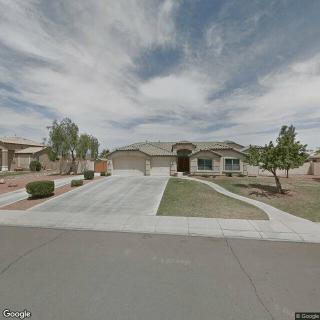






 Assisted Living and Memory Care: Understanding Their Core Differences
 Beyond the Bingo Hall: 50+ Enriching Activities for Seniors in Assisted Living
 Understanding the Distinctions: Assisted Living and Memory Care Explained