

5421 East Carol Avenue, Mesa, AZ 85206
For more information about senior living options: (866) 208-4318
Abounding Home Care Costs & Pricing
Abounding Home Care offers competitive pricing for its services, especially when compared to the broader market in Maricopa County and the state of Arizona. For a semi-private room, Abounding Home Care charges $2,000 per month, significantly lower than the county average of $2,801 and the state average of $2,820. Similarly, their private rooms are priced at $2,500, which is quite favorable compared to Maricopa County's rate of $3,318 and Arizona's average of $3,345. This pricing strategy not only underscores Abounding Home Care's commitment to providing affordable options for families but also positions it as an attractive choice within the region's long-term care landscape.
| Floor plans | Abounding Home Care | Maricopa County | Arizona |
|---|---|---|---|
| Semi-Private | $2,000 | $2,801 | $2,820 |
| Private | $2,500 | $3,318 | $3,345 |
Assisted Living communities with a similar price nearby
-
About the same
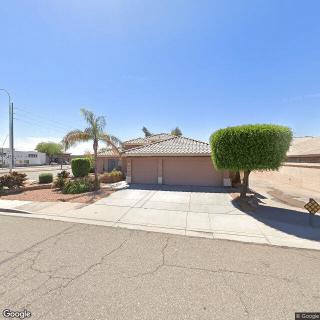
Angel's Adult Group Home
$2,000 to $3,000 / month17.0 miles away -
About the same
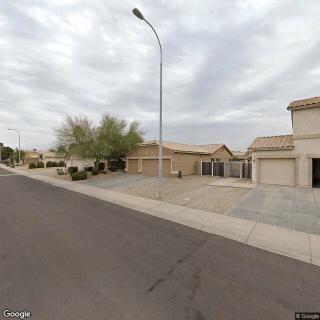
Divine Mercy Assisted Living Home
$2,005 to $3,110 / month13.3 miles away -
from +$255 / mo

Windsor Luxury Assisted Living, LLC
$2,255 to $5,950 / month16.8 miles away -
from +$225 / mo
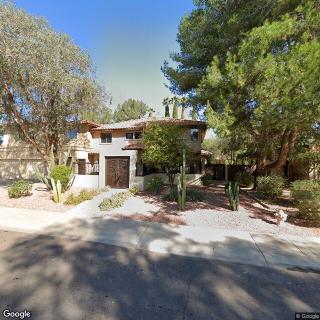
Harts Home - Exceptional Elder Care
$2,225 to $5,500 / month15.9 miles away -
from -$200 / mo
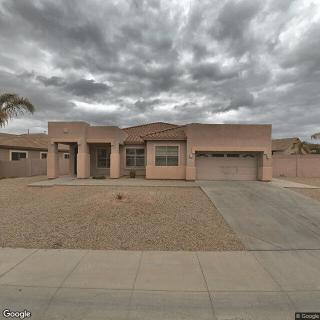
Divine Grace Assisted Living Home
$1,800 to $2,500 / month6.6 miles away
Overall Review of Abounding Home Care
Pros
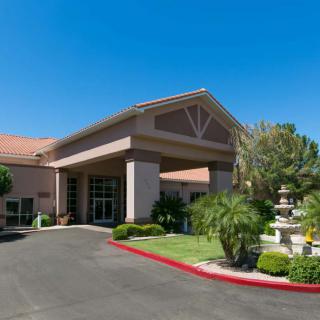
 The place feels homey to visitors upon entry.
- They see it as a potential home for their parents or grandparents.
- It is listed among their favorite places for their loved ones.
- A staff member was described as very helpful, providing the needed information.
- They learn that it is a family-oriented business, which matters to them.
- They are excited about what it will look like on the next visit and plan to stay in touch.
- They note a good rapport between staff and residents.
Cons
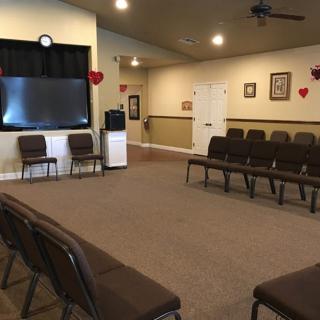
 They felt the whole place was cramped and did not think it was a very good layout for a care home.
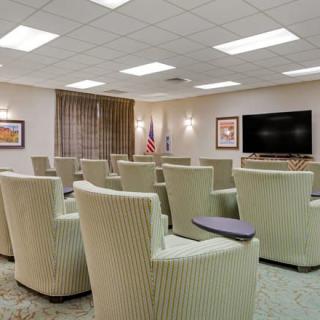
- They noted that there wasn’t a family room, with the dining area seeming to be the only place to sit.
Review
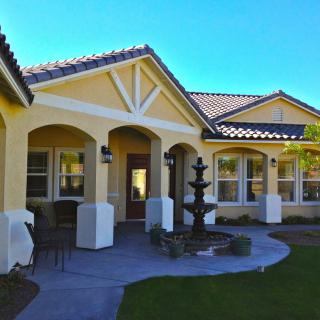
Abounding Home Care in Mesa, AZ is best suited for families seeking a small, family‑run, home‑like setting where a loved one receives attentive, individualized care and safety is a clear, ongoing focus. The environment presents a warm, welcoming feel, with early signs of improvement work on the exterior reflected in an upgraded entry area designed for safer access. Staff are described as helpful and approachable, and the operation appears to emphasize a family orientation that can translate into more consistent, personable interactions for residents. This is a setting where neighbors feel familiar and care partners are accessible, which matters greatly for those prioritizing emotional comfort and trust in daily routines.
That emphasis on warmth and personal touch makes it a strong option for families who want a more intimate, less clinical atmosphere. However, those with reservations about layout and space should consider alternatives. The property is actively evolving, and that ongoing exterior work signals progress but also means prospective residents may encounter construction‑related disruption or a less polished, turnkey environment during a transition. Additionally, the strong family‑run identity may not appeal to everyone, some families prefer a larger, more corporate operation with broader programming and standardized procedures.
The most compelling positives lie in the proven human connections and practical safety measures.Residents reportedly benefit from a staff culture that is accessible, responsive, and capable of building rapport, which can translate into prompt attention to daily needs and a sense of security. The homey ambiance reinforces this, making daily life feel less institutional and more like living with trusted caregivers in a familiar setting. For families who value ongoing family involvement and a care staff that remembers preferences and routines, these elements can offset some of the structural limitations inherent in a smaller facility.
On the downside, the layout and space constraints present real trade-offs. Front‑door steps and an interior design that funnels residents through a ramped path to a dining area with a narrow hallway creates a cramped feel. The dining space appears to be the primary gathering area, with little or no distinct family room or larger communal lounge for activities or visiting, which can dampen social opportunities on busy days. Even the back patio, usable only part of the year, suggests limited year‑round outdoor gathering space. These spatial factors can challenge mobility, safety, and social vitality for residents who thrive on regular, open common areas and easy circulation.
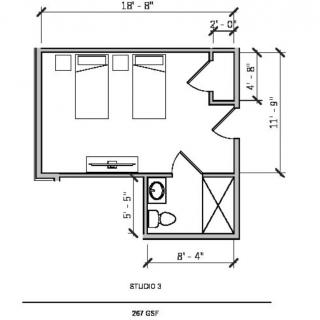
Families evaluating a tour should verify several practical points to avoid misalignment between expectations and reality. First, map the actual floor plan and measure how many residents share rooms or common areas, and assess the ease of navigation for mobility aids. Inquire about staffing ratios by shift and how caregiving duties are allocated, especially during mealtime and peak activity periods. Ask about renovation timelines, future plans to expand or reconfigure common spaces, and how frequently spaces are used for group activities. Finally, probe the degree of family involvement in daily routines and decision‑making, and observe whether conversations with staff and residents feel collaborative rather than transactional.
Bottom line: Abounding Home Care offers a compelling blend of a warm, family‑oriented environment with responsive, caring staff that can deliver a high‑touch, personalized experience. It works best for families prioritizing intimate interaction, continuity of care, and a home atmosphere over expansive common areas. If the priority is a spacious, modern facility with large, versatile gathering spaces and a more neutral, clinical feel, alternatives should be explored. In weighing options, the decision hinges on whether the value of personalized attention and a familial culture outweighs the constraints of layout and shared spaces.
 6 resident community capacity
 Assisted Living
 Board and Care Home
 Respite Care
 Dogs allowed
 Activities off-site
 Bath tubs
 Beautician on-site
 Cable or satellite TV
 Devotional services on-site
 Dining room
 Fully furnished
 Garden
 Housekeeping services
 Indoor common areas
 Move-in coordination
 Outdoor common areas
 Private
 Private bathrooms
 Telephone
 Wheelchair accessible showers
 Wi-Fi/high-speed internet available
 Phoenix Sky Harbor International (17 miles away)
 24-hour supervision
 Assistance with bathing
 Assistance with dressing
 Assistance with transfers
 Diabetes diet
 Diabetic care
 High acuity care
 Incontinence care
 Meal preparation and service
 Medication management
 Special dietary restrictions
 Transportation arrangement (medical)
 Transportation to doctors appointments
 Christian services

 Comprehensive Insights into Activities of Daily Living (ADLs) and Their Assessment
 Medicare Coverage for Assisted Living: An In-Depth Exploration
 Choosing the Right Senior Care: A Detailed Exploration of Assisted Living and Nursing Homes