
5338 East Escondido Circle, Mesa, AZ 85206
For more information about senior living options: (866) 208-4318
Overall Review of Desert Springs Escondido
Pros
 They pour their hearts into creating a setting that feels like a family, not a facility.
- They set the benchmark for excellence with compassion, personal attention, and professional precision.
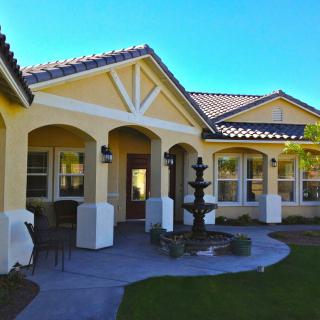
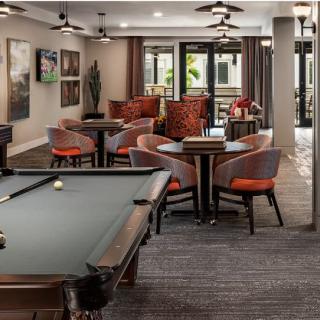
- The environment is pristine, resort-like, and consistently warm, banishing any institutional feeling.
- Residents and their families experience profound dignity and peace of mind.
- Desert Springs Escondido is a wonderful place for end-of-life care.
- Daniela and Mark treat residents like family and care for them with companionship and love.
- Daniela prepares amazing meals that fill the home with delightful scents.
- Residents receive attentive daily care, including bathing, hygiene, and skincare.
- The house is sparkling clean at all times.
- They invite families to gatherings on their patio and make them feel welcome.
- They go above and beyond to support residents' well-being.
- They care for residents as if they were their own.
Cons
 The large nursing home simply set food in front of her, expecting her to eat, and did not take the time to hand-feed her or tend to her needs.
- Caregivers at the large facility never came in to tend to her or change her when visited.
- The reviewer had to repeatedly call the front desk to get someone to attend to her, indicating neglect and unresponsiveness.
Review
Desert Springs Escondido in Mesa is best suited for families seeking an intimate, home-like setting where end-of-life care or memory-support is delivered with extraordinary warmth and hands-on leadership. The community stands out when care comes first and the environment feels more like a private residence than a facility, thanks to Mark and Daniela, whose personal engagement shapes every day. This is a place for residents who value pristine cleanliness, consistent daily attention, and a culture of dignity that treats each person as family. Those whose priorities include a broad medical campus, rapid access to hospital-level nursing, or lower-cost, larger-scale options may want to consider alternatives.
The strongest draws lie in the daily lived experience: care that feels personalized rather than scripted, with caregivers who anticipate needs and attend to routine tasks with meticulous attention. The environment is consistently described as spotless and inviting, a resort-like retreat that minimizes any institutional feel. Meals are prepared onsite with care, and even small touches, like a visiting family dog, add warmth. The leadership invites family participation, and outdoor spaces become venues for gatherings, reinforcing a sense of belonging rather than confinement. For families seeking a place where dignity is not negotiable, these aspects translate into meaningful peace of mind.
Memory care and end-of-life scenarios are handled with a steady, compassionate hand. Residents appear engaged rather than forgotten, with staff known to foster socialization and provide activities that keep minds active. Personal grooming, baths, and routine care are delivered with patience and respect, contributing to a sense of normalcy and comfort during vulnerable times. The facility’s spacious, cheerful, and well-kept atmosphere, fresh flowers, bright lighting, and a welcoming vibe, supports emotional well-being for both residents and their families. The consistency of care and the way staff are described as genuinely caring is repeatedly highlighted as a defining strength.
A practical caveat arises for families evaluating alternatives: the setting prioritizes close, individualized attention over the broader medical footprint. For residents requiring intensive medical oversight, frequent skilled-nursing interventions, or access to a large clinical staff, a bigger campus with hospital-like resources may be more suitable. The pricing mentioned by families suggests good value within this model of care, yet any escalation in medical complexity could shift cost dynamics and care requirements. Prospective residents should verify staffing ratios, 24/7 licensed presence, and the scope of on-site therapies to ensure alignment with current needs.
These strengths and limits balance in a way that makes Desert Springs Escondido compelling for the right applicant. The combination of genuine compassion, a truly home-like environment, and a culture of dignity can offset what would otherwise be a constraint in less intimate settings. Social opportunities, the ability to host family events, and a consistent routine all reinforce emotional and social well-being, which matters just as much as clinical care in late-life decisions. For families prioritizing warmth, trust, and a relationship-driven approach to care, the experience here feels proven, personal, and deeply reassuring.
Bottom-line guidance: Desert Springs Escondido is a decisive recommendation for those facing end-of-life decisions or memory-support needs where a small, devoted team can preserve dignity and comfort. Prospective families should plan a visit to observe daily life, speak with Mark and Daniela about staffing, and verify what is included in the monthly rate. If the resident requires intensive medical oversight, expensive therapies, or a larger, more clinical setting, alternatives such as bigger assisted-living campuses or facilities with on-site nursing may be a better fit. For the right applicant, someone who values a family-like, meticulously clean, and highly attentive home, the care story here is exceptional and the fit is compelling.
 6 resident community capacity
 Assisted Living
 Board and Care Home
 Respite Care
 Cable or satellite TV
 Dining room
 Fully furnished
 Garden
 Housekeeping services
 Move-in coordination
 Outdoor space
 Telephone
 Wi-Fi/high-speed internet available
 Phoenix Sky Harbor International (17 miles away)
 24-hour supervision
 Activities of daily living assistance
 Assistance with bathing
 Assistance with dressing
 Assistance with transfers
 Diabetes diet
 Meal preparation and service
 Medication management
 Special dietary restrictions
 Transportation arrangement (medical)
 Transportation to doctors appointments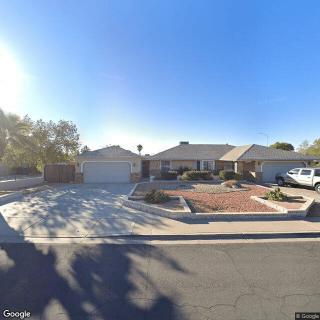




 Exploring the Contrasts Between Assisted Living and Skilled Nursing
 8 Key Indicators That Suggest It May Be Time to Transition from Assisted Living to Skilled Nursing Care
 Vibrant Senior Living: A Comprehensive Guide for Active Older Adults