

216 Joy Nevin, Holbrook, AZ 86025
For more information about senior living options: (866) 208-4318
Overall Review of Holbrook Senior Center Extended Care
Pros
 The staff are very kind and genuine.
- People love the staff.
- They are there to help when people are in a pinch.
- The facility is excellent.
- They did a great job hosting the fair.
- The staff are kind, friendly, and helpful.
- The people at the food bank are very nice.
- The staff are awesome and go out of their way to help.
Cons
 They’re cutting off the EBT.
- There was a shooting at this house, marking a dark moment in Holbrook’s history.
Review
Holbrook Senior Center Extended Care is best suited for seniors and other adults in Holbrook who prize a warm, service-minded community where practical support and social connection are central to daily life. The setting works well for those who want predictable routines, reliable staff presence, and practical perks such as affordable meals and regular access to a food pantry. With a high overall rating (4.8 from 18 reviews), the message is clear: this is a place that earns trust through steady, neighborly service and a hands-on approach to helping people stay connected and fed. It is not a luxury campus; it is a dependable, low-friction option for people who value human warmth and straightforward, community-based support.
Those who should consider alternatives are families seeking extensive medical oversight, advanced skilled nursing, memory care, or a broad continuum of care under one roof. If the expectation is a campus with robust on-site clinical services, private rooms, extensive therapies, or high-end amenities, this may not be the right fit. The reviews repeatedly highlight kindness, accessibility, and social touchpoints rather than a wide array of clinical services or specialized programming. For seniors needing intensive daily medical management, rapid response nursing, or a more modern, resort-like atmosphere, it pays to look at larger, purpose-built assisted living communities or continuing care retirement communities that foreground medical capability and a broader activity slate.
On the positive side, the core strengths are clear and consistently delivered. Staff come across as kind, genuine, and genuinely helpful, creating a sense of being looked after rather than merely supervised. The environment is described as excellent and welcoming, with staff who go out of their way to assist and to create touchpoints for connection. The presence of structured social offerings, most notably the Thursday lunch program at a modest cost, adds both nutrition security and social engagement, both of which reduce isolation and bolster overall well-being. The existence of a food-box program and support from volunteers reinforces a practical safety net for those managing tight budgets, showing that the center functions as more than a hiding place from hardship and more of a community resource hub.
Those strengths offset some of the potential drawbacks by delivering reliability and low-stress access to essential needs. The daily life here centers on relationships and dependable routines, which can be invaluable for seniors who fear falling into loneliness or escalating out-of-pocket food costs. The cadence of events, friendly faces, predictable meals, and the ability to tap a hand when life gets tight, helps families feel confident that their loved ones are not adrift. However, the upside may not fully compensate for a desire for medical nuance, rehab services, or highly specialized programming. Without explicit evidence of on-site clinical teams or a robust activities calendar beyond basic socializing and occasional events, this community will be most satisfying for residents who prioritize companionship and basic practical support over high-level healthcare amenities.
The decision framework should therefore emphasize clarity on care expectations. Prospective residents or their families should verify what medical oversight looks like on a typical day or week, confirm the availability of nursing or therapy services, and understand how acute needs are managed if they arise. It’s prudent to assess transportation options for outside appointments, summer activities, and any transportation limitations that could affect independence. Costs should be reconciled with the value of predictable meals, ongoing social engagement, and food-assistance supports. In short, the community’s strengths are the touch of humanity, affordability, and a reliable social framework; the potential gaps lie in the absence of a wide medical footprint and expansive facility amenities.
The bottom line is practical and actionable: Holbrook Senior Center Extended Care serves best as a practical, compassionate option for seniors who want a stable, connected environment where staff kindness and community resources take center stage. It is a particularly good match for those who need affordable meals, weekly social touchpoints, and accessible assistance as part of everyday life. For families prioritizing medical intensity, specialized memory care, or luxury-level accommodations, alternatives with a fuller clinical footprint will likely serve better. The thoughtful blend of warmth, reliability, and community-oriented services makes this center a solid choice in the right circumstances, while a clear-eyed view of care limits ensures the decision aligns with the loved one’s long-term health trajectory.
 16 resident community capacity
 Assisted Living
 Board and Care Home
 Activities on-site
 Cable or satellite TV
 Devotional services off-site
 Dining room
 Fully furnished
 Garden
 Housekeeping services
 Indoor common areas
 Move-in coordination
 Outdoor space
 Telephone
 Wi-Fi/high-speed internet available
 24-hour supervision
 Ambulatory care
 Assistance with bathing
 Assistance with dressing
 Assistance with transfers
 Diabetes diet
 Diabetic care
 Meal preparation and service
 Medication management
 Special dietary restrictions
 Transportation arrangement (medical)
 Transportation to doctors appointments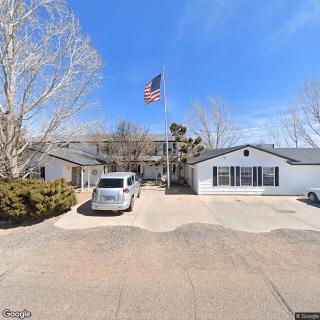




 Beyond the Bingo Hall: 50+ Enriching Activities for Seniors in Assisted Living
 Understanding the Distinctions: Assisted Living and Memory Care Explained
 Guiding Elderly Parents Who Refuse Assisted Living: 6 Practical Steps