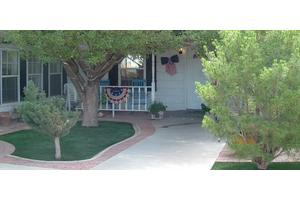
395 West Garden Lane, Snowflake, AZ 85937
For more information about senior living options: (866) 208-4318
Overall Review of Carriage House On West Garden Lane
Pros
 Carriage House was a godsend, offering compassionate, dignified, and sincere kindness in care.
- The staff consistently told the resident how much they loved her, which meant the world to the family.
- The transition to Hospice was quick, and the coordination with the hospice team was seamless.
- The staff went above and beyond to care for both the resident and her family, providing tenderness and emotional support.
- Carriage House felt warm and home-like, never cold or clinical, giving the resident comfort and familiarity.
- Knowing she was in a place that cared so deeply gave the family peace in her final moments.
- Management listened to concerns and the staff were kind and caring, assisting with out-of-state placements.
- The West Garden location was very nice, with attentive staff, a comfortable environment, and a recently added wing.
Cons
 The care is extremely poor.
- The place is dirty.
- There are not adequate supplies.
- The facility does not have the necessary equipment to care properly for the residents.
- The TV has no channels.
- The room was hot and nothing was done to correct this, even upon request.
- The residents are not given water and ice during the day.
- The husband was a resident there for four days and received almost zero care until hospice.
Review
Carriage House On West Garden Lane in Snowflake, Arizona is best suited for families seeking a warm, home-like setting where compassionate, person-centered care can truly shine, especially for residents with dementia or those nearing end-of-life who rely on hospice collaboration. The community’s emphasis on dignity, gentle interaction, and individualized attention makes it a compelling pick when emotional support and familiar routines matter most. Those who require constant, highly clinical oversight, rigorous daily care standards, or pristine housekeeping with aggressive staffing may want to look at alternatives that emphasize medical intensity and flawless environmental controls.
The strongest, most repeatable positives center on staff warmth and personal connection. Families repeatedly note caregivers who treat residents with kindness, speak to them with respect, and establish trusting relationships that ease fear and agitation. The setting feels home-like rather than institutional, contributing to emotional comfort for residents with cognitive challenges. Hospice coordination is frequently highlighted as seamless, delivering coordinated support for families during difficult transitions. For many, this relational strength and continuity of care outweigh logistical concerns, especially when a resident’s daily life hinges on trusted, familiar caregivers.
Yet the drawbacks are not minor and deserve careful weighing. Multiple reviews center on understaffing, which translates into slow responses to basic needs and diminished supervision. Cleanliness and supplies are recurring red flags, rooms and bathrooms described as dirty or under-maintained, with insufficient equipment and materials to handle daily care safely. Medication management scares appear in several accounts, including incorrect dosing and delays; transfers have been described as unsafe without assistive devices, relying on manual lifting rather than proper supports. Hydration and hygiene lapses, such as missed showers or inadequate attention to catheter care, underscore a troubling pattern in daily care quality.
When the favorable aspects align with a family’s goals, especially in hospice contexts, the pros can substantially offset the cons by delivering genuine compassion, meaningful human connection, and a sense of security during complex transitions. A warm, home-like atmosphere plus attentive staff can improve quality of life for residents who benefit from predictable routines and emotional reassurance. A recently added wing and well-designed common spaces offer the potential for more comfortable daily living activities and dining experiences, reinforcing dignity and autonomy where possible. Still, these benefits depend on consistent staffing, reliable supervision, and ongoing operational discipline to prevent the gaps cited in other reviews.
Families should explicitly weigh whether safety and cleanliness standards can be consistently met, and ask pointed questions about staffing levels, shift coverage, and med-pass procedures. Prospective residents with higher medical needs or mobility challenges should compare Carriage House with other local options that demonstrate stronger track records in infection control, equipment availability, and rapid response to care needs. It is prudent to tour the community, observe mealtime and activity areas, and speak with current residents’ families about recent experiences. In short, Carriage House can be a good fit for the right resident, but acceptance hinges on a clear, current picture of staffing reliability and daily care quality.
In the end, decision-makers should pursue candid conversations about expectations, obtain recent references, and verify ownership and policy stability. If warmth, dignity, and hospice-aligned support are non-negotiable, Carriage House warrants serious consideration, provided firsthand assurance exists that staffing and cleanliness have reached a dependable, sustained standard. If, however, consistent professional oversight and rigorous environmental controls are essential, alternatives that prioritize medical intensity and transparent operations may serve the resident and family better over the long term. The choice rests on aligning the strongest personal connection and compassionate care with unwavering safety and daily care reliability.
 32 resident community capacity
 Assisted Living
 Respite Care
 Beauty salon
 Cable or satellite TV
 Dining room
 Fully furnished
 Garden
 Housekeeping services
 Kitchenette
 Move-in coordination
 Outdoor space
 Restaurant-style dining
 Small library
 Telephone
 Wi-Fi/high-speed internet available
 24-hour call system
 Activities of daily living assistance
 Assistance with bathing
 Assistance with dressing
 Assistance with transfers
 Diabetes diet
 Medication management
 Mental wellness program
 Special dietary restrictions




 Comprehensive Supportive Living Arrangements for Adults with Disabilities
 Funding and Affording Assisted Living: A Thorough Overview
 Assisted Living Expenses and Long-Term Care Insurance: A Comprehensive Exploration