

395 W Garden Lane, Snowflake, AZ 85937
To contact a resident: (928) 536-7935
For more information about senior living options: (866) 208-4318
Overall Review of Carriage House On West Garden
Pros
 The staff consistently treated her with compassion, dignity, and sincere kindness.
- They expressed love for her, which meant the world to the family.
- The transition to Hospice was quick, and the coordination with the hospice team was seamless.
- The staff went above and beyond to care for both the resident and her family, offering tenderness, respect, and emotional support.
- Carriage House felt warm and home-like, never cold or clinical.
- It gave the resident a sense of comfort and familiarity, even in confusion.
- Knowing she was in a place that cared deeply gave the family peace in her final moments.
- Management listened to concerns and helped with placing the residents from out of state.
- The parents absolutely loved Carriage House and the staff.
- The staff is wonderful; the facility is quiet and the food is good.
Cons
 The care was extremely poor at Carriage House.
- The facility was dirty and lacked adequate supplies.
- It did not have the necessary equipment to care properly for residents.
- Residents were not given water or ice during the day.
- The room was hot and nothing was done to fix it, even upon request.
- The staff were understaffed and overworked.
- Pain medications were given on a regular schedule regardless of whether the residents were in pain.
Review
Carriage House On West Garden is best suited for families seeking a warm, home-like assisted living experience where emotional support and dignity take center stage, especially for residents with advanced dementia or those approaching end-of-life care who benefit from hands-on med adjustments and hospice coordination. The setting is intimate and caretaking staff are described as compassionate and emotionally engaged, which can provide real peace of mind for families in crisis or those prioritizing personal connection over clinical polish. When care hinges on relationship-building, this community can deliver a sense of safety and familiarity that matters deeply in difficult periods. However, this attraction to a soft, people-first approach comes with a caveat: the model may struggle to consistently meet higher-stakes medical needs or the rigors of robust daily nursing oversight.
Those who should consider alternatives are families prioritizing steady, predictable medical management, rigorous safety protocols, and dependable daily functioning. Prospective residents who require frequent assessments, timely hydration and nutrition, reliable catheter care, or safe transfers need a facility with steady staffing and clear, documented procedures. Several accounts raise concerns about understaffing, supply gaps, and lapses that could jeopardize safety. The ownership transition noted in one review adds a layer of uncertainty that families should verify with current leadership. In short, this is not a universal fit; it is a choice best weighed by how much emphasis is placed on personal warmth versus consistent clinical reliability.
The strongest positives center on the human touch. Staff members are repeatedly praised for compassion, respect, and genuine affection, with residents feeling loved and treated with dignity. The warmth translates into meaningful moments for families, emotional support during bereavement, patient-centered mediation in medication adjustments, and a sense that staff are willing to go the extra mile to ease transitions, including coordinating with hospice teams and assisting families navigating end-of-life decisions. The home-like atmosphere, quiet rooms, and the impression of attentive management when concerns are raised add to a favorable picture for those who value relational care and a low-key, comforting environment. For residents who simply want to be seen, heard, and treated with kindness, these elements can be decisive.
However, the cons are serious enough to demand caution. Reports of dirty facilities, inadequate supplies, and insufficient staffing paint a troubling backdrop for daily safety and basic comfort. Concrete failures, such as poor hygiene in bathrooms, uncomfortable or unsafe bedding, malfunctioning or misused equipment, and delays in basic needs like hydration, strike at the core expectations of any elder care setting. Allegations of inappropriate medication administration, missed showers, and unsafe transfers magnify the risk profile. Even when staff are described as kind, the structural problems, understaffing, overworked aides, and inconsistent maintenance, undercut the care experience and threaten residents’ well-being. These issues, if borne out at a given time, can negate the perceived warmth and derail trust quickly.
In weighing pros against cons, the optimistic view rests on a few clear pillars: a strongly supportive, emotionally attuned staff and a setting that feels like home, especially valuable for dementia care and end-of-life planning. When those strengths align with stable leadership and reliable day-to-day operations, this community can deliver a refuge where families find solace and residents experience dignity. Yet the risks cannot be dismissed: persistent staffing gaps and hygiene or safety lapses threaten both comfort and safety and could eclipse the benefits for anyone whose needs include ongoing clinical oversight, frequent nursing intervention, or rapid responsiveness to crises. The prudent path is to validate current staffing levels, review recent inspections or outcomes, and request direct evidence of procedural safeguards before committing.
Practically, families considering Carriage House should demand a contemporaneous tour focused on cleanliness, supply availability, and staff-to-resident ratios; request a written plan describing medication management and transfer safety; and speak with front-line caregivers about daily routines and response times. Verify current ownership and leadership stability, and seek updated references from recent residents or families with similar needs. If the facility cannot present clear, actionable assurances on these points, exploring alternatives with stronger documented medical oversight and more consistent execution may protect against avoidable risks. In the end, the decision hinges on aligning a loved one’s priority for a heartfelt, compassionate environment with a willingness to monitor, challenge, and, if necessary, pivot to safer, more medically equipped options.
 Assisted Living
 Activities on-site
 Devotional services off-site
 Indoor common areas
 Ambulatory care
 Diabetic care
 Meals provided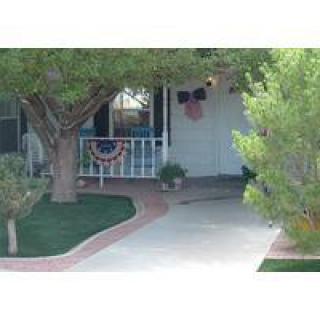




 Exploring the Path to Senior Living: A Comprehensive Look at Independent Living and Assisted Living
 Is Assisted Living Deductible on Your Taxes? Understanding the Complexities of Assisted Living Expenses and Deductions
 Assisted Living Support for Veterans: A Complete and Detailed Overview