
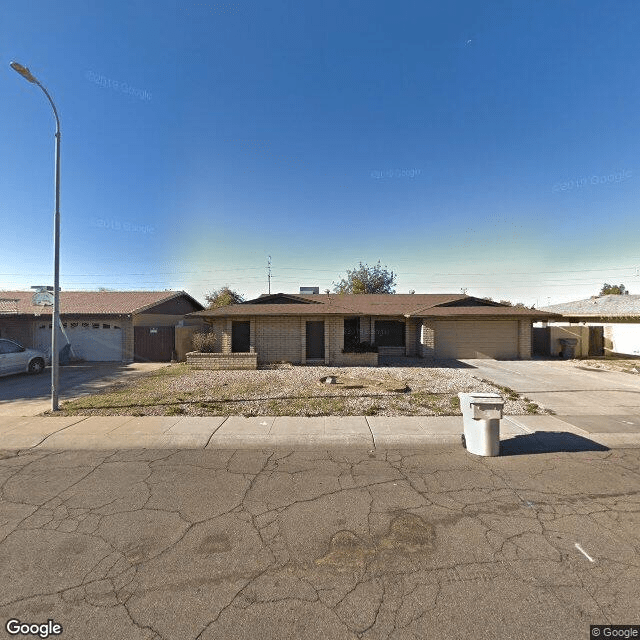
5634 N. 48th ln, Glendale, AZ 85301
To contact a resident: (623) 249-6093
For more information about senior living options: (866) 208-4318
Hope Assisted Living Home, LLC Costs & Pricing
Hope Assisted Living Home, LLC offers competitive pricing for its residential care options in comparison to both Maricopa County and the broader state of Arizona. For a semi-private room, residents can expect a monthly fee of $2,800, which is slightly below the county average of $2,801 and the state average of $2,820. In terms of private accommodations, Hope Assisted Living Home maintains a rate of $3,200 per month - lower than Maricopa County's average of $3,318 and the state's average of $3,345. These rates reflect Hope's commitment to providing quality assisted living services while remaining accessible in an increasingly challenging market for elder care solutions.
| Floor plans | Hope Assisted Living Home, LLC | Maricopa County | Arizona |
|---|---|---|---|
| Semi-Private | $2,800 | $2,801 | $2,820 |
| Private | $3,200 | $3,318 | $3,345 |
Senior living communities with a similar price nearby
-
About the same

Pinnacle Peak Assisted Living
$2,800 to $3,100 / month19.0 miles away -
from -$175 / mo

The Eldercare Home Of Tempe
$2,625 to $3,412 / month17.9 miles away -
from +$150 / mo
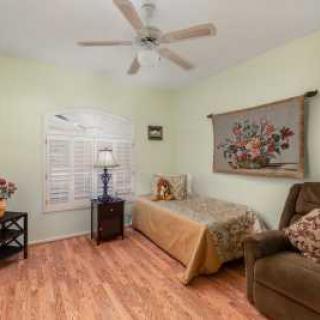
Endeavor AL I
$2,950 to $4,200 / month14.0 miles away -
from +$100 / mo
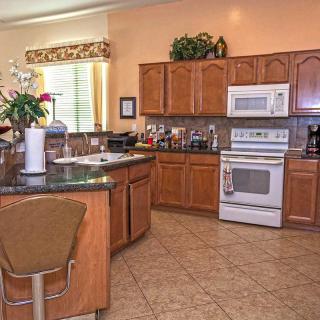
Royal Paradise Care
$2,900 to $3,800 / month13.0 miles away -
from -$400 / mo
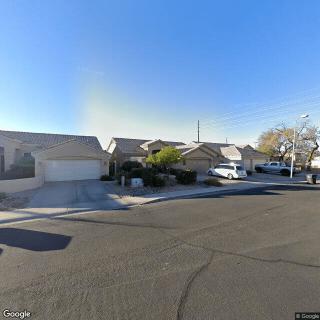
Golden Touch One Adult Care Home
$2,400 to $5,800 / month22.6 miles away
Overall Review of Hope Assisted Living Home, LLC
Pros
 The staff are very patient with residents and their families.
- They consistently work with residents to improve their experience.
- They keep families well informed.
- Roosevelt is amazing and very interactive with residents.
- The community is wonderful, with friendly and caring staff.
- Residents adjust well to the home and are cared for well.
- The transition to the home is easy for both residents and their families.
- Roosevelt from Hope Assisted Living is on top of things and responsive.
- Jestina is amazing and makes everyone feel special.
- The facility is friendly, clean, and organized, and residents feel at home.
Cons
 She has been less than cooperative, but they continue to work with her to improve her experience there.
Review
Hope Assisted Living Home in Glendale is best suited for families seeking a small, homelike environment where seniors receive highly attentive, hands-on care and active leadership. The community shines for residents who require ongoing supervision and personalized support, particularly after hospital discharge or for those living with dementia, where quick access to coordinated medical oversight is a priority. The top-tier strengths rest on the visible engagement of the owner and a capable staff: a personable, present owner who tends to residents, and caregivers described as friendly, patient, and organized. Families find reassurance in regular, proactive communication; updates come consistently, reducing the logistical stress that often accompanies care transitions.
Alternatives may be more suitable for residents craving a larger program, broader activity calendars, or more formalized clinical staffing. A bigger campus or community with on-site physicians, a full-time activities director, or extensive specialty programs can offer breadth that this intimate setting does not emphasize. For seniors who thrive in a bustling environment with many amenities, or who require constant, around-the-clock medical supervision beyond what a small group home typically provides, exploring other options is prudent.
Pros are tightly aligned with the core mission of the home. The most impactful advantages include highly personalized attention, smooth transitions, and a clear, accountable leadership structure. Families repeatedly note that Roosevelt, the owner, is caring, professional, and hands-on, while Jestina helps every resident feel special. That combination translates into real peace of mind when a loved one needs post-acute care or help with complex medications and insurance coordination. The setting’s cleanliness, organization, and the sense of being treated like family amplify the benefit of attentive staff, turning potential stress into a manageable, predictable routine.
From a decision-making perspective, the community excels when the priority is swift placement with excellent aftercare and steady family updates. When a senior requires substantial support with medications, behavioral management for dementia, and careful coordination with doctors, the on-site RN resource and the owner-led management ensure that needs are addressed promptly. The experiences described, easy admissions, a calm transition for both resident and caregiver, and a feeling of being at home, show how the pros offset the typical anxiety around moving into care. For families currently navigating discharge planning or seeking a trusted partner to steward medical orders and insurance details, this community delivers practical, reliable outcomes.
Residents in the narratives benefited from a combination of warmth and professional rigor. The atmosphere is described as clean and welcoming, with staff who maintain a friendly, organized approach that reduces the stress of change. The capacity to calm a combative dementia patient and to secure appropriate medications demonstrates a level of support that goes beyond basic supervision. The repeated emphasis on getting help quickly, and on keeping families informed, reflects a model that prioritizes continuity of care and respect for family roles in decision-making.
In sum, Hope Assisted Living Home is a strong fit for families who value a small, home-like setting, hands-on leadership, and dependable communication. It is especially well suited for those needing transitional or post-acute care with a high degree of personalized attention and clear coordination with medical providers. Alternatives should be considered by anyone whose priorities include extensive on-site medical programming, a large activity schedule, or a facility where care demands are so high that a larger staff is required. For the right resident and family, the advantages here, personal touch, consistency, and a sense of being “at home”, offer a compelling, low-stress path forward.
 Board and Care Home
 Activities on-site
 Air-conditioning
 Bath tubs
 Cable or satellite TV
 Indoor common areas
 Outdoor common areas
 Private
 Private bathrooms
 Respite or short term stays offered
 Wheelchair accessible showers
 Wi-Fi/high-speed internet available
 Phoenix Sky Harbor International (11 miles away)
 Ambulatory care
 Diabetic care
 High acuity care
 Incontinence care
 Medication management
 Low / no sodium
 Birthday parties
 Catholic services
 Forever fit
 Jewish services
 Other religious services
 Stretching classes


 Understanding Home Health Care: A Comprehensive Guide
 Home Health Care Demystified: A Comprehensive Guide for Families and Caregivers
 Seniors and Modern Transportation: Exploring Uber, Lyft, and Other Ride-Hailing Options