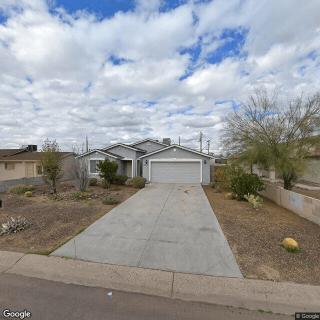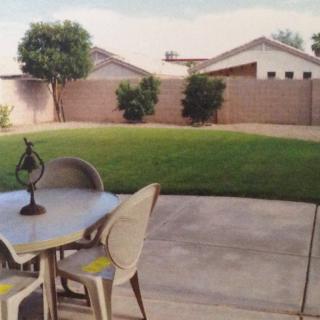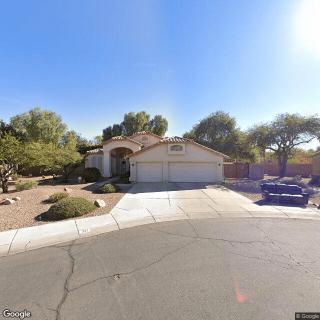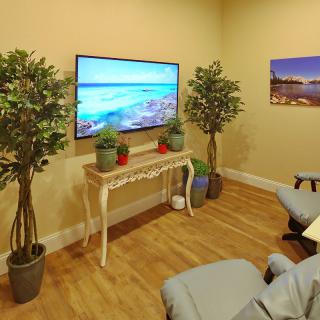
Shepherd Assisted Living in Gilbert, AZ

Save
Shepherd Assisted Living

Shepherd Assisted Living in Gilbert, AZ

1870 E Rawhide St., Gilbert, AZ 85296

For more information about senior living options: (844) 490-3973

5 from 5 reviews
5 stars
5
4 stars
0
3 stars
0
2 stars
0
1 stars
0

Board and Care Home

Shepherd Assisted Living Costs & Pricing

Shepherd Assisted Living offers competitive pricing for its residents, especially when compared to the broader market in Maricopa County and across Arizona. For those seeking a semi-private room, Shepherd's rate of $2,200 per month is significantly lower than the county average of $2,801 and the state average of $2,820. Similarly, for private accommodations, Shepherd's charge of $3,000 stands favorably against the county's $3,318 and the state's $3,345. These cost advantages make Shepherd Assisted Living an attractive option for families looking for quality care while managing their budget effectively.

Floor plansShepherd Assisted LivingMaricopa CountyArizona
Semi-Private$2,200$2,801$2,820
Private$3,000$3,318$3,345

Overall Review of Shepherd Assisted Living

Pros

  • pro The facility is a great place for loved ones who need more one-on-one care.
  • pro Jennifer and her husband run the place with attentive, caring service.
  • pro The caregivers are honest, sincere, and passionate about their work.
  • pro The home is clean, well-organized, and beautiful for the seniors, with daily home-cooked meals.
  • pro The owner is hands-on in all resident services and activities and holds a degree in Nutrition and Dietetics to support special diets.
  • pro Families are highly satisfied and feel their loved ones are well cared for.

Review

Shepherd Assisted Living in Gilbert is best suited for families seeking highly personalized, one-on-one attention for an elderly loved one who thrives in a warm, home-like setting and benefits from visible, hands-on oversight by the owners. This community excels when care is rooted in daily consistency, intimate contact, and practical nutrition management. It is ideal for seniors who do not require a large campus or clinical atmosphere, but who do value home-cooked meals, regular monitoring of diet, and a setting where staff know residents by name and routine.

Those who should consider alternatives are families facing higher medical acuity or specialized memory-care needs, or those seeking a larger facility with more formal programming and on-site nursing around the clock. If a prospective resident requires frequent medical interventions, intense supervision, or a broader array of clinical services, a bigger community with a defined clinical team could be a more fitting choice. Additionally, households prioritizing a more expansive atmosphere, greater social infrastructure, or budget-driven options may want to evaluate other options before committing.

The strongest advantages here are clear and tangible. The owners, Jennifer and her husband, are hands-on managers who drive daily services and activities, ensuring residents are known and cared for beyond routine check-ins. The caregiving staff are described as honest, sincere, and passionately committed to the elderly they serve, which translates into reliable, attentive day-to-day support. The home itself emphasizes cleanliness and organization, with a comforting, non-imposing aesthetic that is reinforced by frequent home-cooked meals and a nutrition-focused approach led by a dietetics-trained owner. The model also emphasizes safety and companionship, with consistent staffing - two caregivers per resident - plus opportunities for social connection during in-house celebrations and outdoor time in fresh air.

These benefits offset several of the potential drawbacks associated with a smaller, owner-run setting. The intimate scale naturally reduces the impersonality that can accompany larger facilities, while the two-caregiver-per-resident ratio provides dependable supervision and faster response times than many similar homes. The nutritionist-facing perspective of the owner translates into tailored meal plans and dietary accommodations, which can be a decisive factor for seniors with specific nutritional needs. The home atmosphere and regular activities promote a sense of belonging and dignity, helping residents feel valued rather than processed through a rigid routine. In short, the personal touch and practical care systems often compensate for any wish for a more expansive campus.

However, mindful families will weigh the trade-offs. The modest, non-mansion setting means fewer on-site "wow" amenities and less of a clinical, hospital-like cadence that some residents and families associate with formal memory care or post-acute environments. While the staff quality and supervision are strong, the scale may not support very high-acuity care without external coordination. For residents who require intensive medical oversight, frequent physician visits, or specialized memory-care programming, alternatives with a larger staff and dedicated clinical teams will likely outperform this home on those fronts. The reliance on the owners' leadership also means decisions and responsiveness hinge on their availability and capacity.

For families choosing Shepherd, the decision hinges on valuing intimate, personalized attention, consistent staffing, and nutrition-forward, home-based living over breadth of services or campus size. It is a choice anchored in trust, with clear strengths that support comfort, dignity, and daily safety for a loved one who flourishes in a warm, engaged environment. If those priorities align, Shepherd Assisted Living presents a compelling, practical choice. If not, a broader, more clinical setting should be pursued to meet higher care needs or a desire for a larger community footprint. Schedule a visit, meet the owners, and observe how staff interactions translate into daily routines and meals to confirm fit.

Features

Types of Care

  • Board and Care Home Board and Care HomeBoard and care homes provide a smaller, more intimate setting for seniors who require assistance with daily tasks but do not need the level of care offered by a nursing home. They offer personalized care, meals, and social activities in a homelike environment, ensuring that seniors receive individualized attention and support in their golden years.

Amenities

  • Activities on-site Activities on-siteActivities on-site are important for seniors because they provide opportunities for socialization, mental stimulation, physical activity, and overall well-being. Engaging in activities can help seniors stay active, maintain their independence, and improve their quality of life.
  • Bath tubs Bath tubsBath tubs are important for seniors because they provide a safe and relaxing way to bathe, helping to prevent slips and falls while promoting independence and overall well-being.
  • Cable or satellite TV Cable or satellite TVCable or satellite TV is important for seniors because it provides entertainment, news, and companionship, helping to combat loneliness and boredom. It also offers a wide range of programming options tailored to different interests and preferences.
  • Devotional services on-site Devotional services on-siteDevotional services on-site provide seniors with spiritual support and a sense of community, as well as an opportunity for reflection and guidance during their senior living experience. This can promote emotional well-being and connection to others, leading to a more fulfilling and enriching lifestyle in their later years.
  • Indoor common areas Indoor common areasIndoor common areas are crucial for seniors as they provide a space for socialization, recreation, and community engagement, promoting overall well-being and reducing feelings of isolation and loneliness.
  • Outdoor common areas Outdoor common areasOutdoor common areas are important for seniors as they provide a space for socialization, physical activity, and relaxation. Being outside in nature can improve mood and overall well-being, while also encouraging movement and engagement with others. These spaces can help combat feelings of isolation and promote a sense of community among residents.
  • Private PrivatePrivacy is important for seniors as it allows them to maintain their independence, dignity, and sense of control over their own lives. It also gives them the space and freedom to relax, reflect, and engage in activities that bring them joy and fulfillment. Creating private spaces within senior living facilities is crucial for promoting overall well-being and quality of life.
  • Private bathrooms Private bathroomsPrivate bathrooms are important for seniors in senior living communities because they provide independence, dignity, and comfort. Having a private bathroom allows seniors to maintain their personal hygiene routines without the need for assistance, promoting a sense of autonomy and privacy. Additionally, private bathrooms help prevent the spread of infections and provide a safe and clean environment for seniors to navigate safely.
  • Wi-Fi/high-speed internet available Wi-Fi/high-speed internet availableWi-Fi/high-speed internet is important for seniors to stay connected with loved ones, access online resources, and participate in virtual activities to combat feelings of loneliness and isolation. It also allows them to easily manage healthcare needs, access entertainment, and engage in lifelong learning opportunities.

Transportation

  • Phoenix Sky Harbor International (16 miles away) Phoenix Sky Harbor International (16 miles away)

Care Services

  • Diabetic care Diabetic careDiabetic care is crucial for seniors as they are more susceptible to developing diabetes due to aging and other health conditions. Proper management of diabetes can help prevent complications such as heart disease, vision loss, and nerve damage, improving the overall quality of life for seniors in senior living communities.
  • High acuity care High acuity careHigh acuity care is important for seniors because it provides specialized medical attention and support for individuals with complex medical needs. This level of care ensures that seniors receive the appropriate treatment and assistance to maintain their health and quality of life as they age.
  • Incontinence care Incontinence careIncontinence care is essential for seniors to maintain their dignity, hygiene, and overall quality of life. By addressing incontinence issues promptly and effectively, seniors can enjoy a sense of independence and comfort in their daily activities.
  • Medication management Medication managementMedication management is crucial for seniors to ensure they are taking the right medications at the correct dosages and times. This helps prevent adverse drug interactions, reduces the risk of medication errors, and promotes overall health and well-being. Proactive management also allows for adjustments as needed based on changing health conditions or new prescriptions.

Dining

  • Anytime dining Anytime diningAnytime dining is important for seniors because it allows them the flexibility to eat when they are hungry, rather than being restricted to set meal times. This can be especially beneficial for those with medical conditions or medications that affect their appetite, as well as those who may have difficulty adhering to a strict dining schedule. Overall, anytime dining promotes independence and overall well-being for seniors in senior living communities.
  • Gluten-free Gluten-freeGluten-free options are important for seniors as they are more prone to digestive issues and dietary sensitivities. Offering gluten-free meal choices in senior living communities can help improve their overall health and well-being.
  • Low / no sodium Low / no sodiumLow/no sodium options are important for seniors because excessive sodium intake can lead to high blood pressure, heart disease, and other health issues commonly experienced by older adults. By choosing low/no sodium foods, seniors can better manage their health and reduce their risk of developing these conditions.
  • Meals provided Meals provided"Meals provided" are crucial for seniors in assisted living communities as it ensures they have access to nutritious, balanced meals without the stress of meal planning and preparation. This can help promote overall health and well-being for seniors who may have limited mobility or cognitive abilities.
  • No Sugar No SugarNo sugar diets are important for seniors because they can help prevent or manage chronic conditions such as diabetes, heart disease, and obesity. Sugar can also contribute to cognitive decline and inflammation in the body, so reducing sugar intake can lead to overall improved health and well-being in older adults.
  • Organic OrganicOrganic foods are important for seniors because they contain fewer chemicals and pesticides, which can be harmful to aging bodies. Additionally, organic foods often have higher nutrient levels, making them a healthier choice for maintaining overall well-being in older adults.
  • Restaurant style dining Restaurant style diningRestaurant style dining is important for seniors as it offers them a social and enjoyable dining experience, promotes healthy eating habits, and provides personalized menu options to cater to their dietary needs and preferences. This type of dining setting can enhance their overall quality of life and create a sense of community within the senior living facility.
  • Room service Room serviceRoom service is important for seniors in a senior living community because it provides convenience and allows them to have their meals delivered directly to their room. This can be especially beneficial for seniors who may have mobility issues or difficulty accessing the dining area. Room service ensures that seniors are able to receive nutritious meals without having to navigate through the facility, allowing them to maintain their independence and overall well-being.
  • Vegan VeganVegan diets can provide numerous health benefits for seniors, including lower risk of chronic diseases, improved digestion, and increased energy levels. Additionally, plant-based diets are often rich in essential nutrients that can support overall well-being and longevity in older adults.
  • Vegetarian VegetarianA vegetarian diet is important for seniors because it can help lower the risk of chronic diseases, maintain a healthy weight, and provide essential nutrients needed for aging bodies. Additionally, plant-based diets are often easier on digestive systems and can contribute to overall well-being in older adults.

Activities

  • Activities on-site Activities on-siteActivities on-site are important for seniors because they provide opportunities for socialization, mental stimulation, physical activity, and overall well-being. Engaging in activities can help seniors stay active, maintain their independence, and improve their quality of life.
  • Art classes Art classesArt classes are important for seniors because they provide a creative outlet, improve cognitive function, reduce stress and anxiety, promote socialization, and enhance overall well-being and quality of life.
  • BBQs or picnics BBQs or picnicsBBQs or picnics provide seniors with social interaction, enjoyment of the outdoors, and a sense of community, contributing to their overall well-being and quality of life.
  • Birthday parties Birthday partiesBirthday parties are important for seniors as they provide an opportunity for celebration, socialization, and joy. They allow seniors to feel special and appreciated, boosting their mood and overall well-being. Additionally, birthday parties can help combat feelings of isolation and loneliness by fostering connections with friends, family, and community members.
  • Devotional activities on-site Devotional activities on-siteDevotional activities on-site provide seniors with a sense of community, spiritual fulfillment, and emotional support, promoting overall well-being and a positive sense of purpose in their lives.
  • Holiday parties Holiday partiesHoliday parties are important for seniors because they provide opportunities for socialization, community involvement, and mental stimulation. These festive events offer a sense of belonging and connection during a time that can be lonely for many older adults. Additionally, participating in holiday celebrations can boost mood and overall well-being for seniors living in senior living communities.
  • Karaoke KaraokeKaraoke provides seniors with a fun and social activity that can boost mood, confidence, and cognitive function. It encourages social interaction, physical movement, and creative expression, making it an important form of entertainment for senior living communities.
  • Trivia games Trivia gamesTrivia games are important for seniors because they provide mental stimulation, social interaction, and a fun way to keep the mind sharp. They can help improve memory, cognitive function, and overall well-being in older adults.

Description

Shepherd Assisted Living in Gilbert, AZ is a welcoming and comfortable community that offers a range of amenities and care services for seniors. Our residents can enjoy the privacy and convenience of their own private rooms with private bathrooms. They can also take advantage of our indoor and outdoor common areas, perfect for socializing or enjoying some fresh air.

We understand the importance of staying connected, which is why we provide Wi-Fi and high-speed internet access throughout our community. Our amenities also include access to cable or satellite TV for entertainment purposes. We strive to create a nurturing environment where residents can practice their faith with on-site devotional services.

Our dedicated staff provides high acuity care to support individuals with complex medical needs. We offer professional assistance with medication management and incontinence care to ensure the well-being of our residents.

When it comes to dining, we cater to various dietary preferences and health requirements. Our chefs prepare delicious meals using gluten-free, low/no sodium options. We offer organic choices as well as vegan and vegetarian dishes, ensuring everyone's individual needs are met. Residents can enjoy restaurant-style dining or have meals delivered straight to their room through our room service.

We believe that staying active and engaged is essential for a fulfilling lifestyle. That's why we offer a variety of activities such as art classes, BBQs or picnics, birthday parties, devotional activities on-site, holiday parties, karaoke nights, and trivia games. Our community is conveniently located near several cafes, parks, pharmacies, physicians' offices, restaurants, places of worship, theaters, and hospitals for easy accessibility.

At Shepherd Assisted Living in Gilbert, AZ, we pride ourselves on providing top-notch care while fostering a vibrant community where seniors can thrive and enjoy their retirement years to the fullest.

Nearby Places of Interest

This area of Gilbert, Arizona offers a convenient and diverse range of amenities for senior living. With several parks nearby such as Finley Farms Park and Riparian Preserve at Water Ranch, residents can enjoy outdoor activities and nature walks. There are also various dining options including Joe's Farm Grill and Flower Child for healthy eating choices. Additionally, there are multiple pharmacies and physicians offices in close proximity for medical needs. Places of worship like Saint Mary Magdalene Catholic Church provide spiritual support, while entertainment options like Harkins Theatres SanTan Village 16 offer cultural enrichment. Overall, this neighborhood is well-equipped to cater to the needs and interests of seniors looking for a vibrant community to call home.

Parks

  • Finley Farms Park (0.5 miles)
  • Riparian Preserve at Water Ranch (1.7 miles)
  • Crossroads Green Belt (2.6 miles)
  • Ashley Heights Park (3.3 miles)
  • Greenfield Park (4.1 miles)
  • Desert Sky Park (4.2 miles)

Restaurants

  • McDonald's (0.6 miles)
  • McDonald's (1.6 miles)
  • Joe's Farm Grill (2 miles)
  • Dog Haus Biergarten SanTan Village (2.4 miles)
  • Flower Child (2.4 miles)
  • Isabel's Amor (2.4 miles)
  • Shake Shack (2.4 miles)

Pharmacies

  • Walgreens (0.6 miles)
  • CVS Pharmacy (1.4 miles)
  • Walgreens (1.6 miles)
  • CVS Pharmacy (1.6 miles)
  • Walgreens (2.2 miles)
  • CVS Pharmacy (2.5 miles)
  • Walmart Pharmacy (2.6 miles)

Physicians

  • Eye Concepts Vision Center (1.6 miles)
  • Arizona Pain (1.8 miles)
  • Arizona Sun Family Medicine (2.1 miles)
  • Affiliated Dermatology (2.1 miles)
  • One Medical (2.2 miles)
  • Arizona Asthma & Allergy Institute (2.6 miles)
  • Desert Sky Dermatology (2.7 miles)

Places of Worship

  • Church of Jesus Christ of Latter Day Saints (1.7 miles)
  • Church of Jesus Christ of Latter Day Saints (1.8 miles)
  • Saint Mary Magdalene Catholic Church (2.5 miles)
  • First United Methodist Church of Gilbert (3.2 miles)

Theaters

  • Harkins Theatres SanTan Village 16 (2.2 miles)
  • AMC Mesa Grand 14 (4.3 miles)

Cafes

  • Panera Bread (2.7 miles)
  • Starbucks (3 miles)
  • Starbucks (3.1 miles)
  • Starbucks (3.1 miles)
  • Dutch Bros Coffee (3.7 miles)
  • Panera Bread (4.2 miles)

Hospitals

  • Mercy Gilbert Medical Center (3.8 miles)

Frequently Asked Questions

How much does it cost to live at Shepherd Assisted Living in Gilbert, AZ?
Where is Shepherd Assisted Living?

Nearby Communities

  • Infinite Luv Home Care

    Infinite Luv Home Care

    Gilbert, AZ


    pro Personalized care with diabetes-friendly meals, 24/7 supervision, and transportation to medical appointments.

  • Klara's Adult Care Home

    Klara's Adult Care Home

    Gilbert, AZ

    5 from 1 review
     

    pro Kind, attentive staff and a warm, supportive environment.

  • New Beginnings

    New Beginnings

    Gilbert, AZ

    4.8 from 57 reviews
     

    pro Small, personalized care with 24/7 supervision, meals, and healthcare coordination.

  • Taba Paradise Assisted Living

    Taba Paradise Assisted Living

    Gilbert, AZ

    3 from 2 reviews
    $3,000 / month

    pro Claims dementia-care experience with transparency about limits.

  • Christina's Assisted Living

    Christina's Assisted Living

    Gilbert, AZ

    4.8 from 18 reviews
     

    pro Serene, personalized care with excellent nearby healthcare and abundant amenities.

  • Summa Care Gilbert

    Summa Care Gilbert

    Gilbert, AZ

    3.6 from 33 reviews
     

    pro Cozy board-and-care with personalized attention, meals, housekeeping, and an on-site garden.

  • Quail Park at Morrison Ranch

    Quail Park at Morrison Ranch

    Gilbert, AZ

    4.4 from 84 reviews
    $2,995 to $6,000 / month

    pro Beautiful facility with engaging activities and smooth transitions between independent living and assisted living.

  • American Orchards

    American Orchards

    Gilbert, AZ

    4.4 from 62 reviews
     

    pro Professional, caring staff in a clean, homey setting with engaging activities.

  • H&A Family Care Home

    H&A Family Care Home

    Gilbert, AZ

    5 from 2 reviews
    $3,000 / month

    pro Close to family home with personalized, one-on-one care.

Related Resources

  • fecal incontinenceFecal Incontinence in Older Adults: A Comprehensive Guide

    Fecal incontinence, prevalent among older adults, arises from factors like weakened pelvic muscles and nerve damage, significantly affecting well-being and social interactions. Diagnosis involves clinical evaluation and tests to inform tailored treatments, while caregivers and preventive measures can aid in managing the condition effectively.

  • anticipatory griefRecognizing the Journey: Understanding and Navigating Anticipatory Grief

    Anticipatory grief is an emotional response to the impending loss of a loved one, characterized by complex emotions such as sadness and anger, and involves navigating stages similar to those identified by Kübler-Ross. Coping strategies are vital for managing this process, emphasizing compassionate communication, self-care, and support groups while recognizing the cultural influences on grieving.

  • adult day careEncouraging Participation in Adult Day Care: A Guide to Supporting a Hesitant Parent

    Adult day care programs offer essential support and activities for older adults, yet many hesitate to participate due to concerns about independence and stigma. To alleviate these apprehensions, families should facilitate open discussions, explore financial resources, suggest trial visits, and collaborate with healthcare providers to highlight the benefits of such services for both the participants and their caregivers.