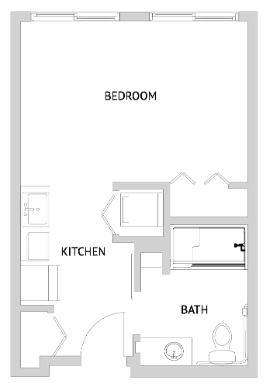
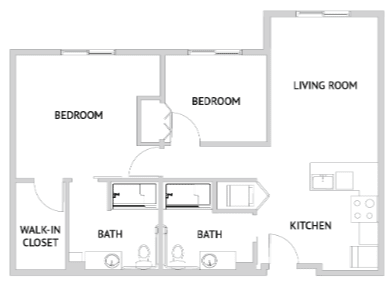
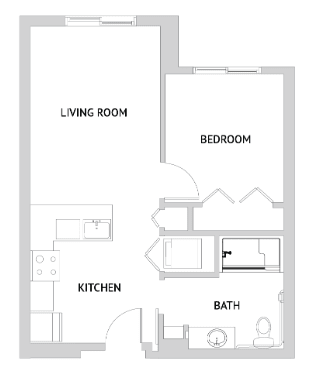
Quail Park at Morrison Ranch offers competitive pricing for senior living accommodations compared to the broader market trends in Maricopa County and the state of Arizona. For a studio, residents can expect to pay $2,995 per month, significantly lower than the county average of $3,960 and the state figure of $3,829. One-bedroom options are also attractively priced at $3,995, which surpasses the county's average of $3,473 but remains aligned with Arizona's statewide rate of $3,532. However, the two-bedroom units reflect a different trend with a monthly cost of $6,000; this is higher than both Maricopa County's average of $4,112 and Arizona's overall average of $4,106. Overall, Quail Park at Morrison Ranch presents a compelling value proposition for those seeking quality senior living in a vibrant community while balancing affordability against local market conditions.
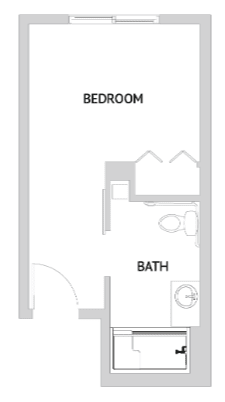
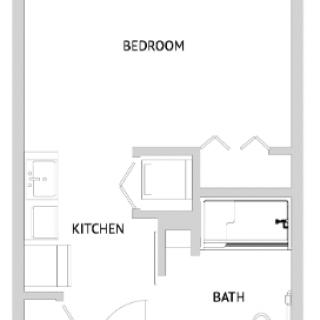
Floor plans
Quail Park at Morrison Ranch
Maricopa County
Arizona
Studio
$2,995
$3,960
$3,829
1 Bedroom
$3,995
$3,473
$3,532
2 Bedrooms
$6,000
$4,112
$4,106
Memory care communities with a similar price nearby
Residents and families frequently describe staff as attentive, kind, and helpful.
Across reviews, families repeatedly say staff members are caring, patient, and responsive, including help with questions and day-to-day needs. Multiple reviewers name specific employees and describe consistently positive interactions. Some residents also mention that caregivers know people by name and keep loved ones safe and engaged, while a few others report trouble reaching a caregiver directly or feel communication can be frustrating.
common10 reviews mention this
Dining and food quality stand out
Dining is a frequent bright spot, with residents describing good meals.
Several reviews highlight the quality of food, including praise for meals in the dining hall and how enjoyable dining feels. A number of residents and visitors specifically reference restaurant-style dining, room service, and special occasion meals. While most comments are positive, one review raises concerns about food alongside broader care complaints, and another ties dining experiences to staff support rather than facilities alone.
common13 reviews mention this
Clean, bright grounds and facilities
Many reviewers describe a clean, bright, well-kept community.
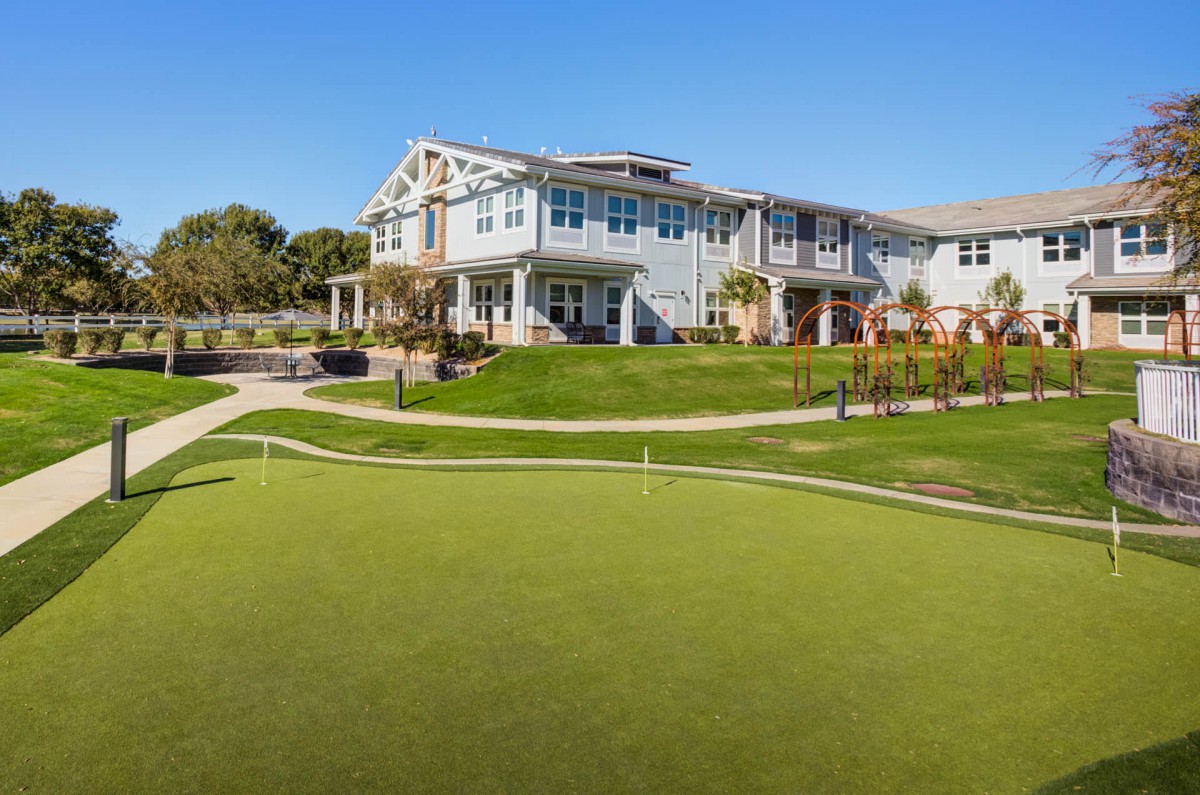
Reviews frequently mention the facility looking clean, modern, and well maintained, with a campus feel that stands out during tours and visits. Families describe bright, airy spaces, along with attractive outdoor areas like lawns and a lake. A few negative reviews contrast this by raising concerns about organization, cleanliness, or care follow-through under changed leadership, but the overall feedback emphasizes upkeep and presentation.
common12 reviews mention this
Activities and outings keep days full
Residents and visitors often point to active calendars and outings.
Many reviews say there are frequent activities and opportunities to get out of the room, including group events and day trips. Families also mention special touches around holidays and engaging routines that help residents stay busy. One memory-care-focused review specifically criticizes activity availability, while other comments frame activities as a key reason loved ones seem happier and more engaged.
caveat5 reviews mention this
Memory care gets mixed feedback
Memory care reviews are notably mixed, with some serious concerns reported.
A subset of reviews focused on memory care describe problems such as unclear safety around wandering, concerns about staff training for dementia-related needs, and inconsistent hygiene routines. Other feedback also questions staffing levels and says daily activities may not happen as reliably as expected, leading to boredom or restlessness. At the same time, at least one reviewer who placed a loved one in memory care describes responsiveness to special requests like meals, so experiences are not uniform.
differentiator7 reviews mention this
Community offers multiple care levels
Residents mention that care needs can be handled as needs change.
Several reviewers say the community supports different levels of care, and that it can be a fit when needs evolve. Some specifically describe transitions between independent living and assisted living without needing to move to a different part of the campus. Others also mention medication help and monitoring as part of day-to-day support, though a few negative reviews criticize communication and care consistency.
How we summarize
Counts show how many written reviews mention each theme; a review can touch several themes, and only frequently mentioned themes are displayed.
Features
Housing
1-bedroom apartments
2-bedroom apartments
Studio apartments
Types of Care
Assisted Living
Independent Living
Memory Care
Pets
Cats allowed
Dogs allowed
Amenities
Activities on-site
Air-conditioning
Beautician on-site
Cable or satellite TV
Devotional services off-site
Devotional services on-site
Full kitchen
Ground floor units
Handicap accessible
Indoor common areas
Kitchenette
Outdoor common areas
Respite or short term stays offered
Wheelchair accessible showers
Wi-Fi/high-speed internet available
Transportation
Phoenix Sky Harbor International (18 miles away)
Care Services
Ambulatory care
Diabetic care
Incontinence care
Medication management
Dining
Anytime dining
Gluten-free
Guest meals
International cuisine
Low / no sodium
Meals provided
No Sugar
Organic
Professional chef
Restaurant style dining
Room service
Activities
Art classes
Bible study group
Catholic services
Cooking classes
Day trips and outings
Devotional activities offsite
Devotional activities on-site
Educational speakers / life long learning
Karaoke
Live well programs
Mormon/LDS services
Protestant services
Nearby Places of Interest
This part of Gilbert, Arizona offers a convenient and diverse range of amenities for seniors looking to settle in the area. With multiple pharmacies, physicians' offices, and hospitals within close proximity, residents can easily access healthcare services. The presence of parks provides opportunities for outdoor activities and relaxation, while a variety of restaurants and cafes offer dining options for every taste. Places of worship are also conveniently located for those seeking spiritual fulfillment. Additionally, transportation options such as the General Aviation Center and Phoenix-Mesa Gateway Airport provide easy access for travel needs. Overall, this part of Gilbert presents a well-rounded community with essential services and recreational opportunities for seniors to enjoy their retirement years.
Pharmacies
Walgreens (1.3 miles)
CVS Pharmacy (1.7 miles)
Walgreens (2.3 miles)
Target Pharmacy (2.3 miles)
Walmart Pharmacy (2.5 miles)
Walgreens (2.5 miles)
Walgreens (2.8 miles)
Parks
Finley Farms Park (1.4 miles)
Riparian Preserve at Water Ranch (1.5 miles)
Ashley Heights Park (2.1 miles)
Crossroads Green Belt (2.7 miles)
Desert Sky Park (3.1 miles)
Greenfield Park (3.9 miles)
Physicians
Affiliated Dermatology (1.6 miles)
Arizona Pain (1.8 miles)
Reddy GI Associates (2.3 miles)
Dermatology Solutions (2.3 miles)
Smith Dermatology (2.3 miles)
Parikh, Simul Banner Md Anderson Cancer Center (2.6 miles)
Arizona Asthma & Allergy Institute (2.7 miles)
Restaurants
Joe's Farm Grill (1.7 miles)
Chick-Fil-A (2.2 miles)
McDonald's (2.2 miles)
MOD Pizza (2.3 miles)
Del Taco (2.3 miles)
McDonald's (2.3 miles)
Cracker Barrel (2.5 miles)
Cafes
Starbucks (2.4 miles)
Starbucks (2.8 miles)
Panera Bread (3.3 miles)
Dutch Bros Coffee (3.5 miles)
Over Easy (3.6 miles)
Starbucks (3.7 miles)
Places of Worship
Saint Mary Magdalene Catholic Church (2.7 miles)
Church of Jesus Christ of Latter Day Saints (3 miles)
Church of Jesus Christ of Latter Day Saints (3.2 miles)
Quail Park at Morrison Ranch offers competitive pricing for senior living accommodations compared to the broader market trends in Maricopa County and the state of Arizona. For a studio, residents can expect to pay $2,995 per month, significantly lower than the county average of $3,960 and the state figure of $3,829. One-bedroom options are also attractively priced at $3,995, which surpasses the county's average of $3,473 but remains aligned with Arizona's statewide rate of $3,532. However, the two-bedroom units reflect a different trend with a monthly cost of $6,000; this is higher than both Maricopa County's average of $4,112 and Arizona's overall average of $4,106. Overall, Quail Park at Morrison Ranch presents a compelling value proposition for those seeking quality senior living in a vibrant community while balancing affordability against local market conditions.
Quail Park at Morrison Ranch offers comprehensive medication management, ensuring that residents receive their prescribed medications on time and in the correct dosages. This systematic approach alleviates the stress often associated with managing multiple medications, which can be particularly challenging for those with memory impairments. Additionally, the provision of incontinence care is vital for maintaining dignity and comfort among residents. Specialized staff are trained to handle these needs sensitively and discreetly, fostering an environment where individuals feel supported rather than embarrassed. Together, these features not only enhance the quality of life for residents but also contribute to a holistic approach to care that addresses both physical and emotional well-being.
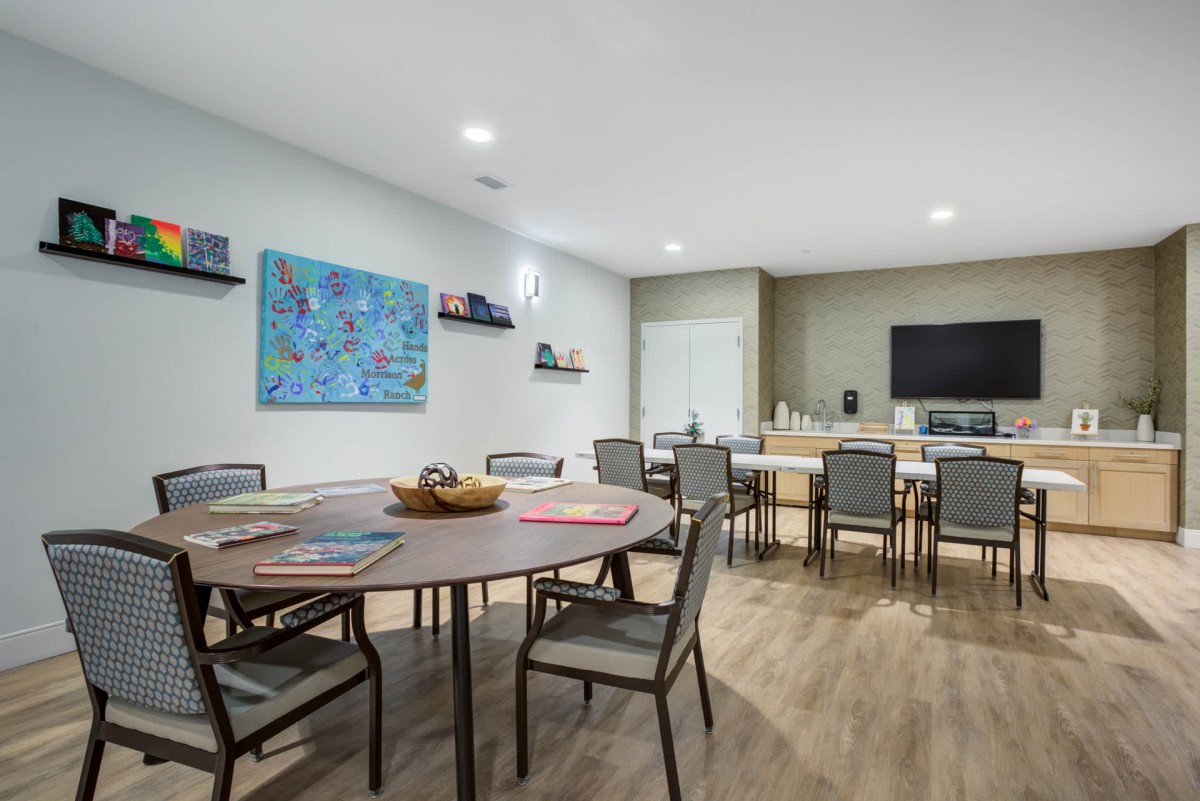
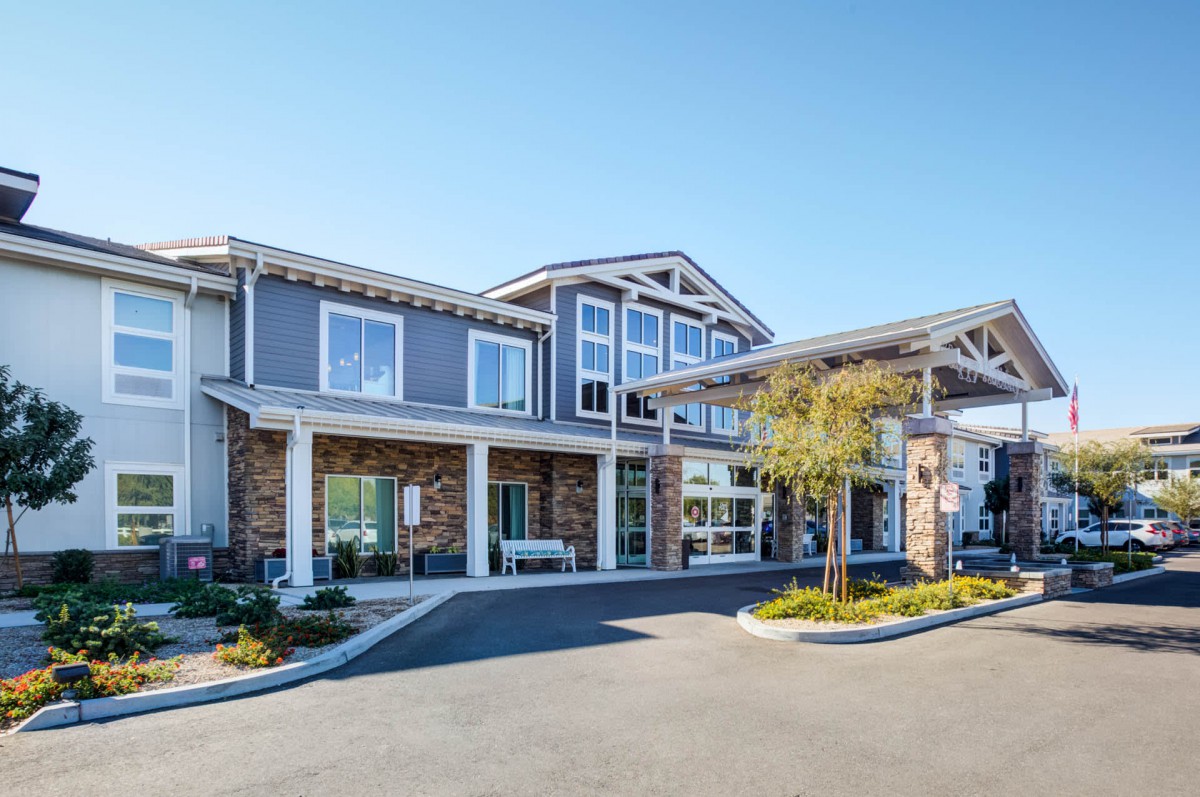
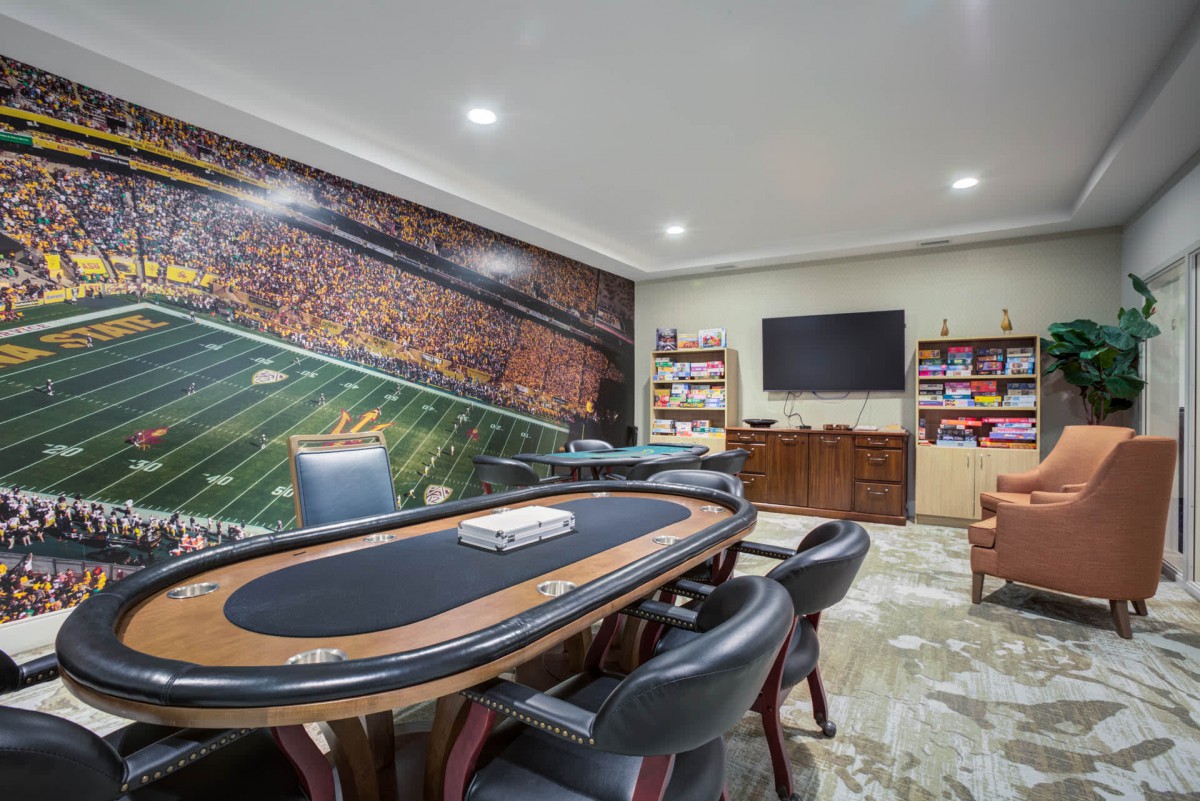
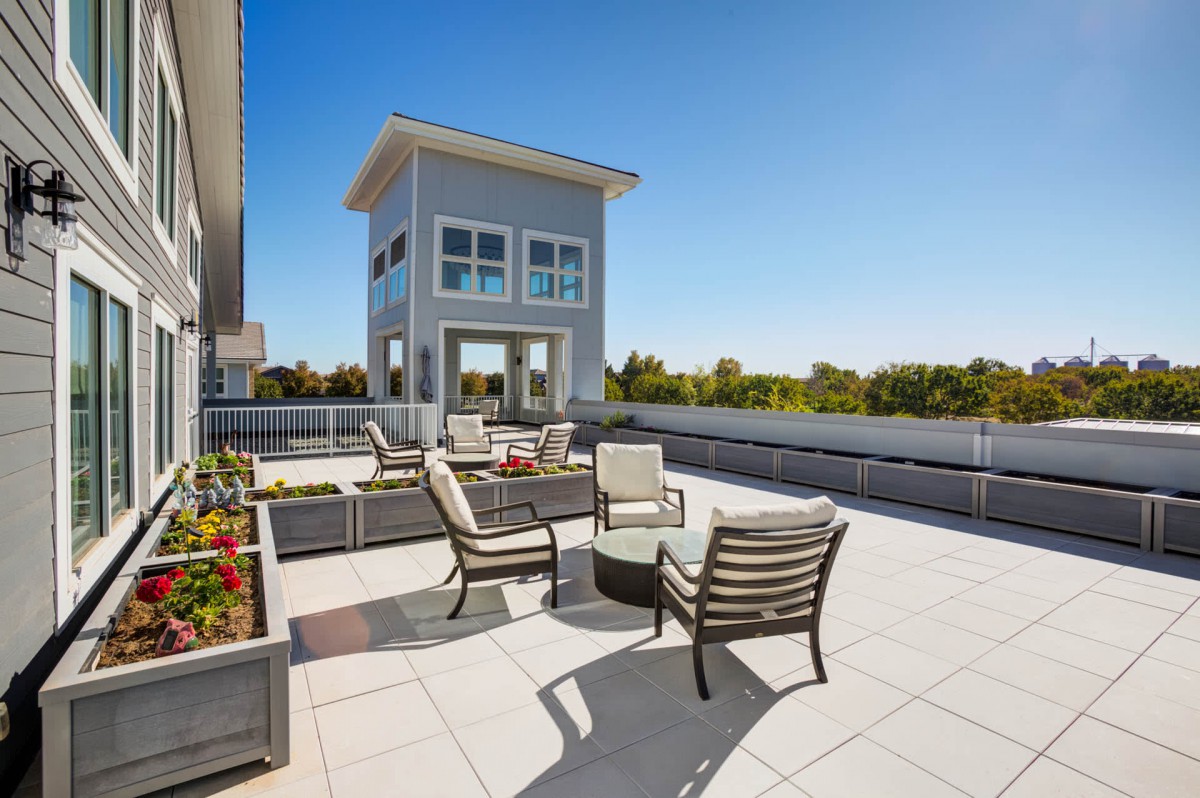
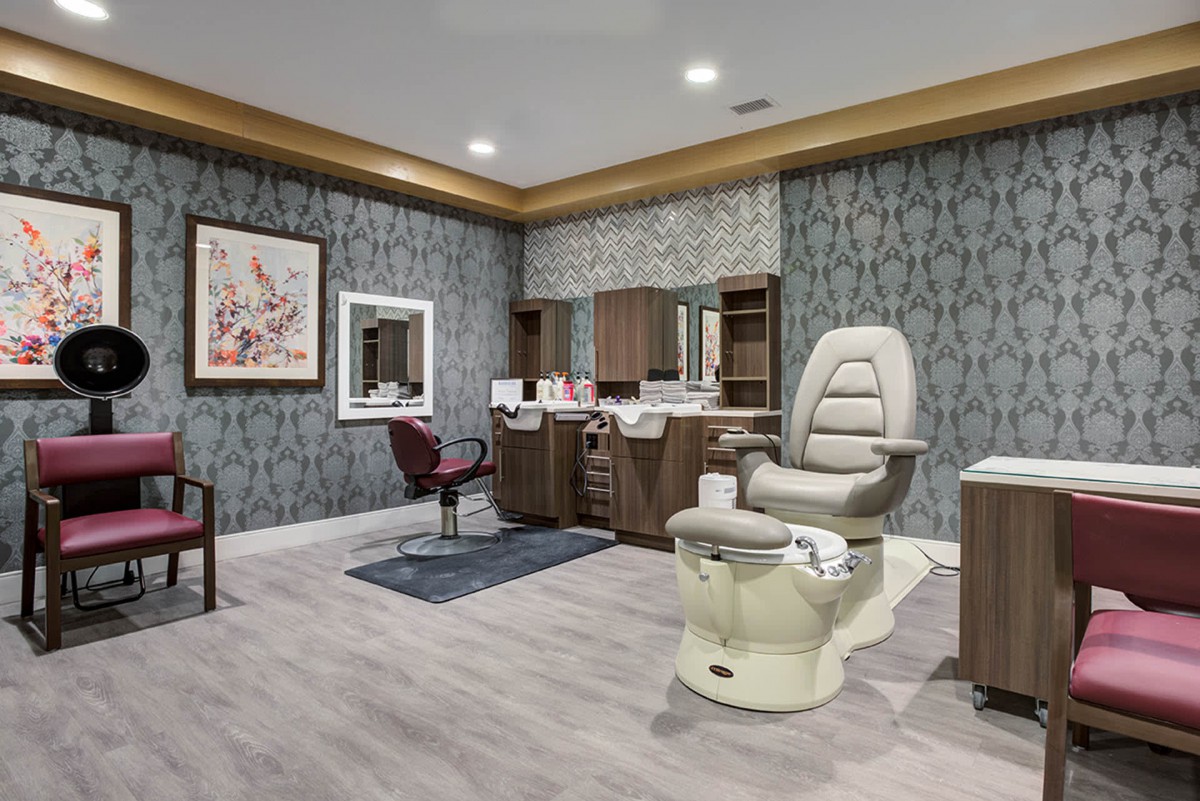
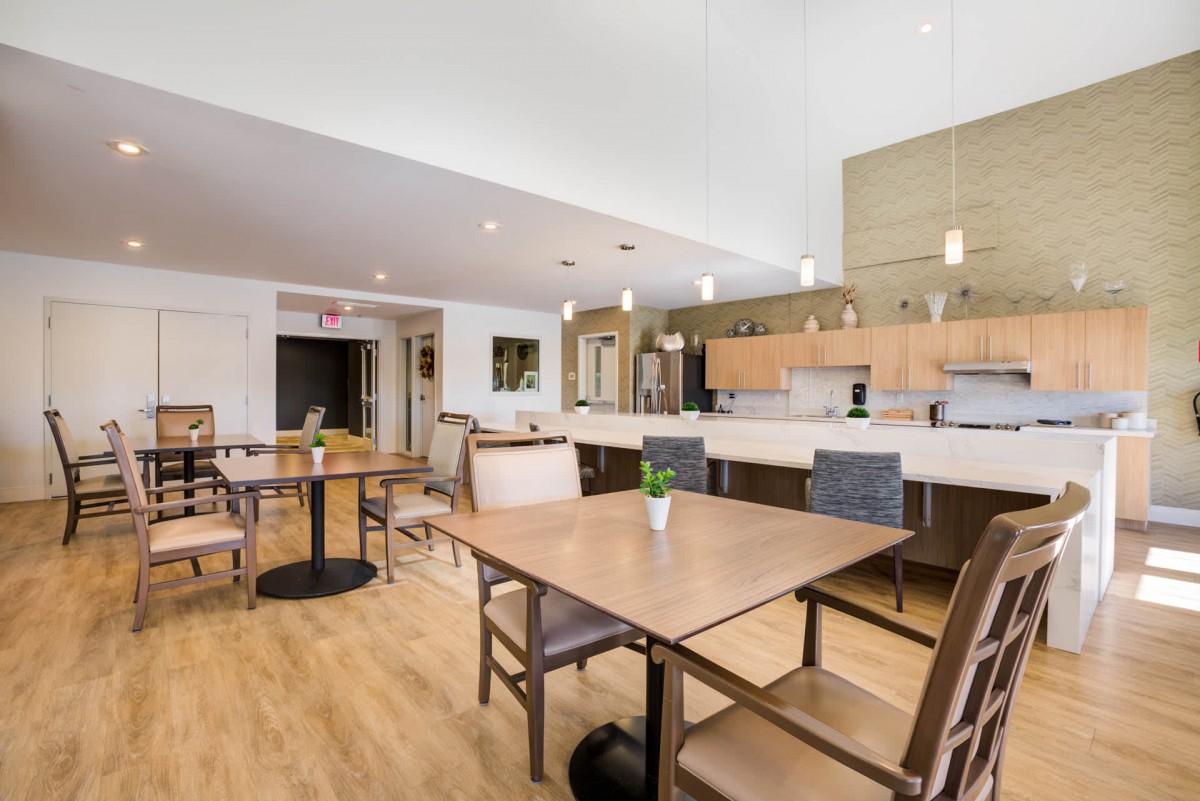
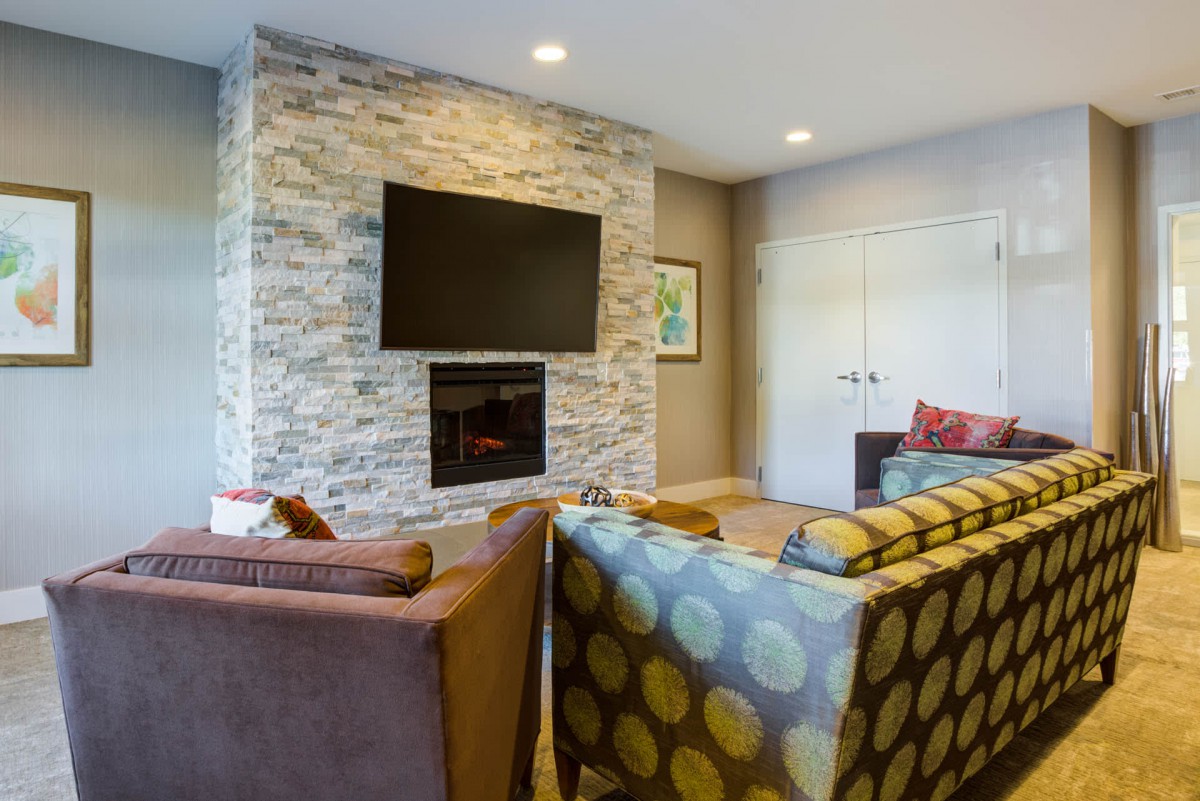
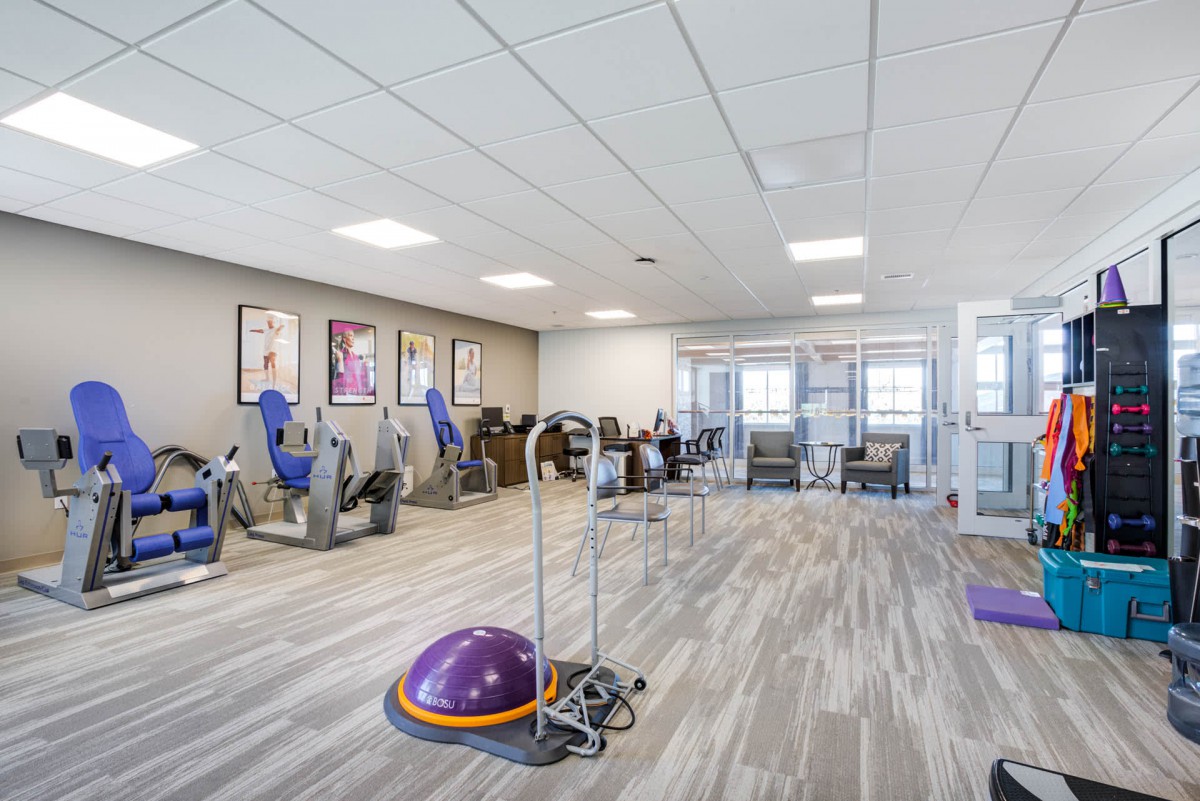
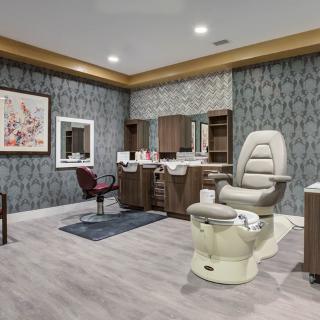
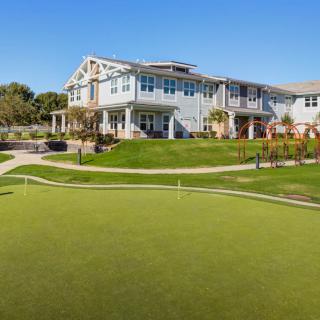
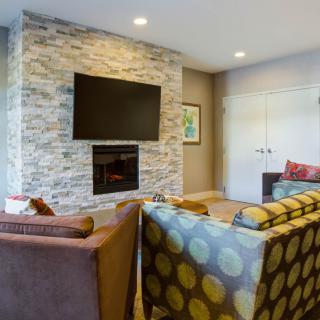
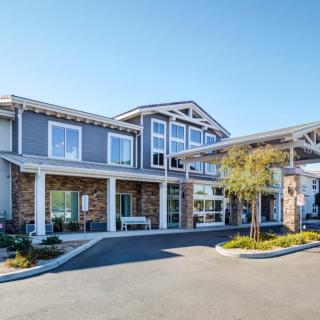
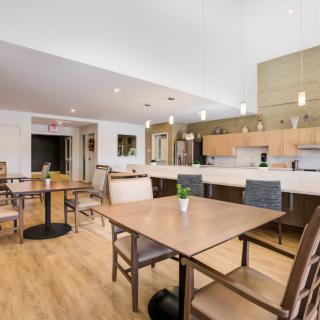
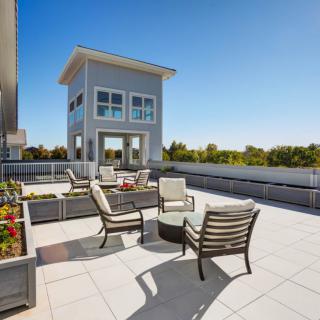
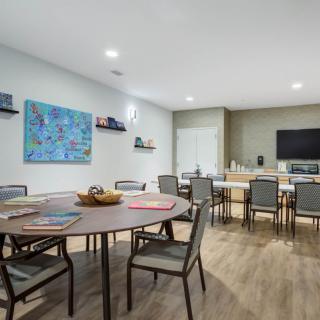
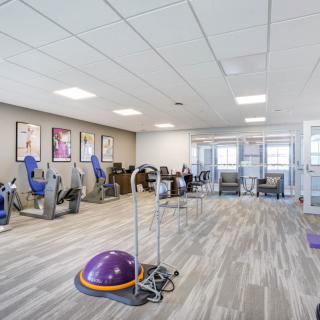
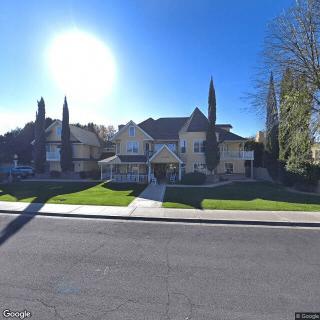
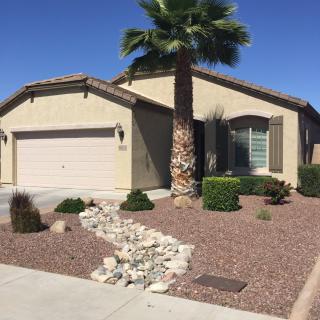
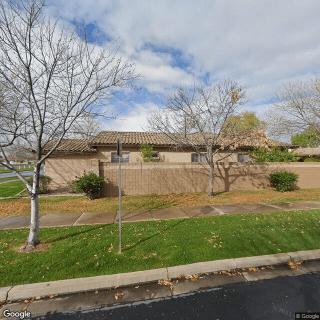
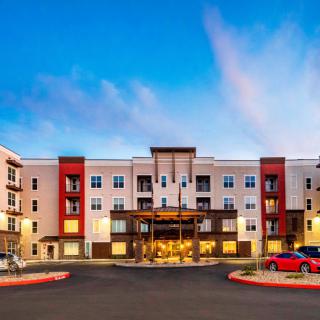
Quail Park at Morrison Ranch on seniors.fyi includes 15 photos including images showing floor plan, interior, architecture, television, decor, landscaping, living room, bedroom, and more.
Nearby Communities
The Watermark At Morrison Ranch
Gilbert, AZ
4.3 from 85 reviews
Dedicated memory-care with 24/7 supervision and specialized dementia programming.
Serenity Springs
Gilbert, AZ
5 from 1 review
$2,700 to $3,500 / month
Small, intimate community with comprehensive care options and appealing amenities.
Mary Grace Care Home
Gilbert, AZ
5 from 2 reviews
Diabetes-focused care
Mary Grace Care Home I
Gilbert, AZ
5 from 2 reviews
Cozy, home-like assisted living with personalized care and comprehensive services.
Gifts Of Grace Assisted Living Homes
Gilbert, AZ
$2,500 to $3,000 / month
Affordably priced in a small, intimate setting.
Ahadi Care Home
Gilbert, AZ
4 from 3 reviews
Comprehensive care and amenities in a small, fully furnished setting.
H&A Family Care Home
Gilbert, AZ
5 from 4 reviews
$3,000 / month
Close to family home with personalized, one-on-one care.
Verena at Gilbert
Gilbert, AZ
4.7 from 117 reviews
$3,200 to $4,100 / month
Professional staff, welcoming community, engaging activities, well-maintained and spacious apartments, and convenient transportation.
Inspira Gateway
Mesa, AZ
4.6 from 44 reviews
$3,425 to $6,650 / month
Bright, modern community with attentive staff, excellent meals, and engaging activities in a smaller, personalized setting.
The guide on holistic dementia care outlines the complexity of dementia and stresses the need for individualized caregiver strategies that include medical treatment, psychological support, and environmental adaptations, while emphasizing early detection, various therapeutic options, and caregiver support to enhance quality of life and maintain dignity.
"Memory Care Pathways: A Holistic Guide to Dementia Support" outlines the complexities of dementia and its various types, emphasizing early detection, patient-centered care strategies, caregiver support, and long-term care options while addressing legal and financial considerations to enhance the quality of life for individuals with dementia and their families.
Sundown syndrome, or sundowning, is a phenomenon in dementia patients characterized by increased confusion and agitation during late afternoon and evening, influenced by factors like disrupted circadian rhythms and fatigue. Effective caregiver strategies include establishing routines and managing environmental light while addressing caregiver stress through support services.
Get PricingAsk A QuestionSchedule A TourContact Senior Advisor
By clicking submit, you agree to our Partner's Terms of Use. You
also consent to receive calls and texts, which may be autodialed, from our Partner. Your consent is not a condition to
using our Partner's service. Please visit our Partner's Privacy Policy for information about their privacy practices.







 1-bedroom apartments
 Assisted Living
 Independent Living
 Memory Care
 Cats allowed
 Dogs allowed
 Activities on-site
 Air-conditioning
 Beautician on-site
 Cable or satellite TV
 Devotional services off-site
 Full kitchen
 Ground floor units
 Handicap accessible
 Indoor common areas
 Outdoor common areas
 Respite or short term stays offered
 Wheelchair accessible showers
 Wi-Fi/high-speed internet available
 Phoenix Sky Harbor International (18 miles away)
 Ambulatory care
 Diabetic care
 Incontinence care
 Medication management
 Anytime dining
 Art classes
 Bible study group
 Cooking classes
 Day trips and outings
 Educational speakers / life long learning
 Karaoke
 Live well programs
 Dedicated memory-care with 24/7 supervision and specialized dementia programming.


 A Holistic Dementia Care Guide: Effective Strategies for Memory Support
 Memory Care Pathways: A Holistic Guide to Dementia Support
 Comprehending Evening Confusion in Dementia: Causes, Manifestations, and Support