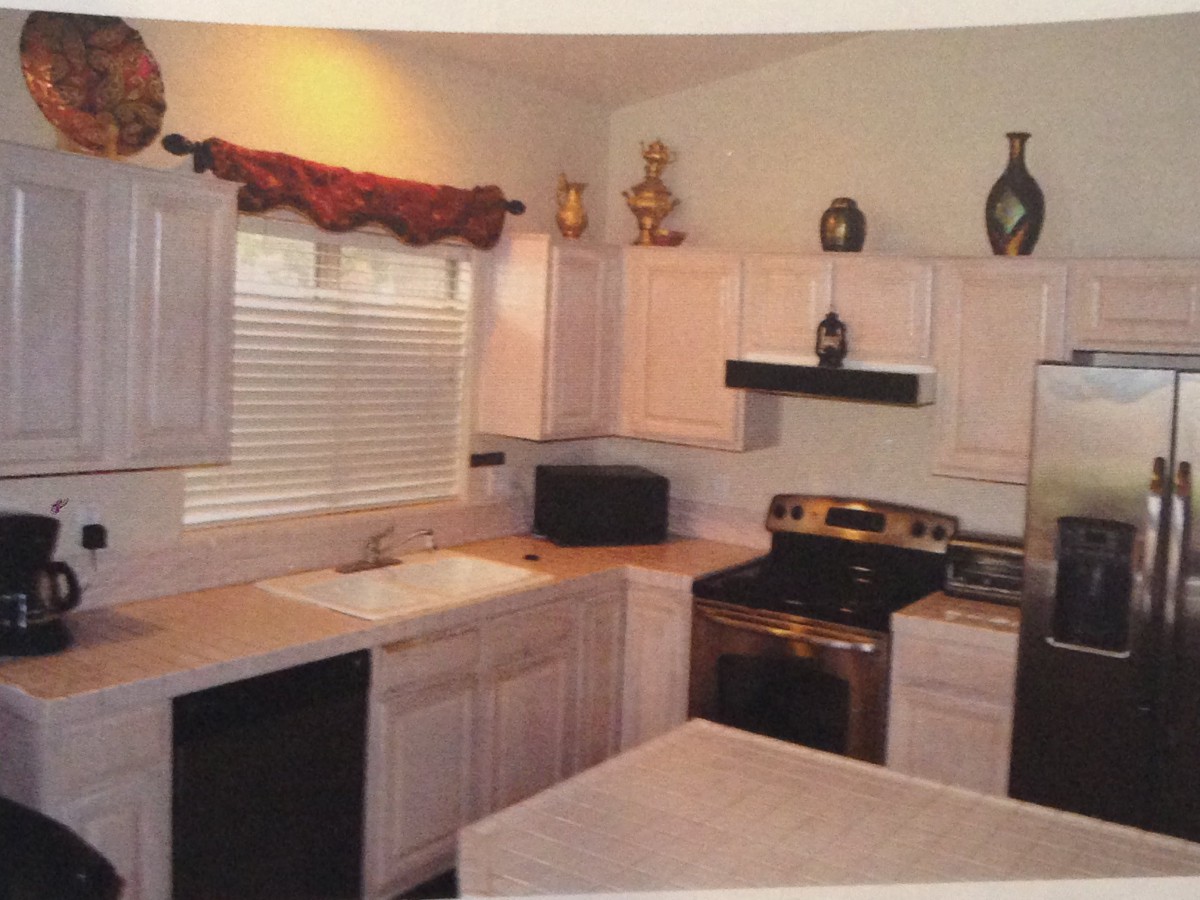
1663 East Saratoga Street, Gilbert, AZ 85296
To contact a resident: (480) 203-6256
For more information about senior living options: (866) 208-4318
Taba Paradise Assisted Living Costs & Pricing
Taba Paradise Assisted Living offers competitive pricing for its residents, with both private and semi-private room options priced at $3,000 per month. This is particularly noteworthy when considering the broader context of Maricopa County and Arizona as a whole; a private room in the county averages around $3,318, while statewide figures are slightly higher at approximately $3,345. In contrast, the cost for a semi-private room at Taba Paradise aligns favorably against the county average of $2,801 and the state average of $2,820. This positions Taba Paradise as an appealing choice for those seeking quality assisted living services without straining their budgets.
| Floor plans | Taba Paradise Assisted Living | Maricopa County | Arizona |
|---|---|---|---|
| Private | $3,000 | $3,318 | $3,345 |
| Semi-Private | $3,000 | $2,801 | $2,820 |
Memory care communities with a similar price nearby
-
from -$500 / mo
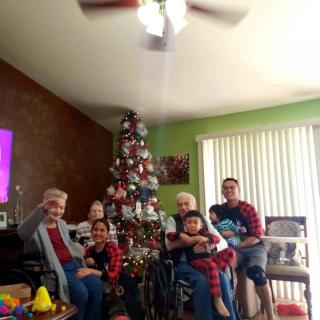
La Bella Vita ALH
$2,500 to $7,000 / month6.3 miles away -
About the same
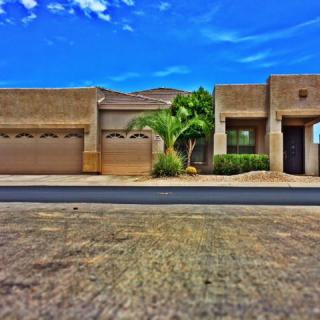
Desert Garden Senior Living
$3,000 to $3,500 / month23.4 miles away -
About the same
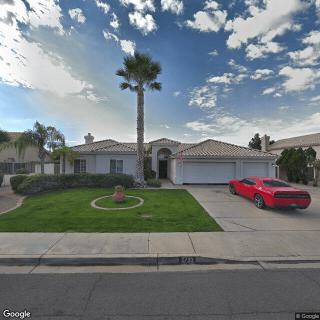
Desert Winds I
$3,000 to $3,800 / month8.8 miles away -
from +$500 / mo
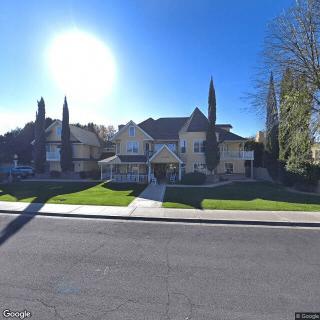
Jim & Patti Jones II
$3,500 to $4,500 / month8.4 miles away -
About the same
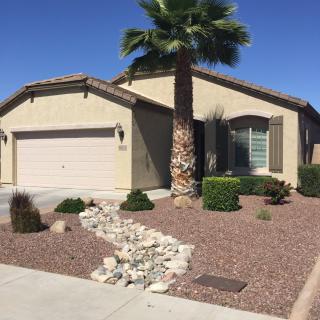
Altercare Assisted Living Home
$3,000 to $3,500 / month9.3 miles away
Overall Review of Taba Paradise Assisted Living
Pros
 They claimed to be very experienced and able to handle different levels of dementia.
Cons
 The facility claimed to be very experienced and able to handle different levels of dementia, but they could not handle him.
- They quickly threw their hands up in the air and said they cannot handle him.
- This resulted in wasted time and money.
- A better pre-screening could have avoided this outcome.
Review
Taba Paradise Assisted Living in Gilbert, Arizona is best suited for seniors whose care needs are relatively straightforward and do not demand intensive dementia-focused programming. The community appears appropriate for residents who require help with activities of daily living, routine supervision, and predictable daily structures, without the expectation of robust, specialized memory-care services. For families seeking a low-commitment or short-term option, and one that can accommodate basic assisted living routines without complex behavioral health needs, this community may seem initially appealing, provided expectations are calibrated to the level of care that appears reliably deliverable.
Conversely, families with residents who have mid-to-severe dementia, significant memory-care requirements, or behaviors that demand high levels of specialized intervention should look elsewhere. The reviews portray a troubling disconnect between advertised expertise and actual capacity to manage dementia-level needs. The impression is that the facility’s claimed experience with varying levels of dementia did not translate into a feasible fit for at least one resident with substantial memory-care requirements. In such cases, alternatives with proven dementia programs and stabilized care teams would likely offer a safer, more predictable trajectory.
The core pro and the core con of this community hinge on a single proposition: claimed dementia expertise versus actual capability. On the positive side, the facility projects experience and willingness to handle a range of care levels. Yet these advertised strengths are decisively offset by real-world outcomes described by families, where the resident could not be supported and the placement proved misaligned. The most salient con is the apparent inadequacy of pre-admission screening to catch mismatches before time and money are invested. In the absence of reliable screening and a guaranteed dementia-capable care plan, the pro of “experience” collapses into a liability when families face abrupt transitions after a brief stay.
The short duration of the reported stays amplifies concern. The two accounts describe stays of about 48 hours, followed by discharge or withdrawal rather than a stable, evaluative process. This pattern suggests a high-risk dynamic for long-term residency: the wrong fit emerges quickly, and families are left scrambling for alternatives after investments in time, move-in logistics, and upfront costs. For decision-making purposes, that rapid turnover undermines confidence in sustained care, continuity, and the ability to scale up if a resident’s needs evolve.
When evaluating this community, practical steps should guide the decision. Demand a formal, objective pre-admission assessment that documents cognitive status, memory-care requirements, and a concrete plan for anticipated changes in care needs. Inquire explicitly about dementia programming, staff training in memory care, and the resident-to-staff ratio around the clock, including night shifts. Request clear discharge policies, transition support, and what happens if a resident’s needs exceed the facility’s capabilities. If possible, negotiate a short trial period with measurable milestones and a returnable plan if care alignment remains uncertain. A responsible decision will hinge on verifiable, evidence-based assurances rather than promises.
Bottom line: for families navigating dementia-related choices, this community warrants caution. It may be considered only for residents with minimal memory-care needs and when a short-term or trial placement aligns with careful screening and a clear, feasible care plan. For memory-care-intensive residents or families unwilling to risk a misfit, higher-level dementia specialists or memory-care-focused communities in the Gilbert area are the prudent default. If giving Taba Paradise a chance, insist on rigorous pre-screening, concrete care plans, and a tested pathway for escalation, and prepare to pivot quickly if the resident’s needs outpace the facility’s capabilities.
 Board and Care Home
 Memory Care
 Activities off-site
 Beautician on-site
 Devotional services on-site
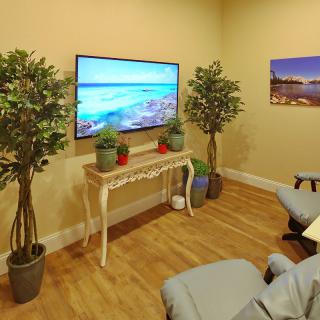
 Indoor common areas
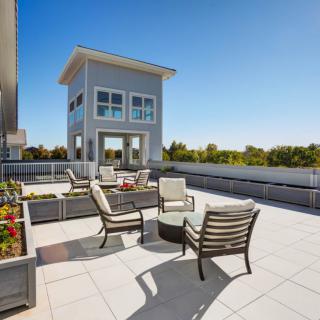
 Outdoor common areas
 Private
 Respite or short term stays offered
 Wheelchair accessible showers
 Phoenix Sky Harbor International (16 miles away)
 Ambulatory care
 Diabetic care
 High acuity care
 Incontinence care
 Medication management
 Kosher
 How to Communicate with a Loved One Living with Dementia: 10 Supportive Strategies
 Comprehensive Guide to VA Nursing Homes: A Crucial Long-Term Care Resource for Veterans
 Estimating the Expenses of At-Home Dementia Care: A Detailed Exploration