Desert Cove Nursing Center offers competitive pricing for its services, with semi-private rooms costing $3,960 per month, and private rooms priced at $4,710. In comparison, the average cost in Maricopa County for a semi-private room is significantly lower at $2,801, while private accommodations average about $3,318. When looking at state averages across Arizona, semi-private rooms stand at approximately $2,820 and private rooms at $3,345. These figures suggest that Desert Cove's rates are somewhat above both county and statewide averages, reflecting perhaps a commitment to higher-quality care or enhanced amenities that cater to the needs of their residents.
Floor plans
Desert Cove Nursing Center
Maricopa County
Arizona
Semi-Private
$3,960
$2,801
$2,820
Private
$4,710
$3,318
$3,345
Skilled Nursing Facilities with a similar price nearby
from +$540 / mo
McDowell Village
4.9 from 177 reviews
$4,500 to $5,500 / month
11.7 miles away
from +$360 / mo
Westchester Care Ctr
4.7 from 62 reviews
$4,320 to $5,040 / month
5.7 miles away
About the same
Heritage Court Post Acute of Scottsdale
4.4 from 115 reviews
$3,990 to $5,985 / month
13.2 miles away
from -$785 / mo
Scottsdale Village Square, A Pacifica Senior Living Community
Food quality is discussed often, with clear differences in opinion.
Several reviews praise the food, describing it as good or better than hospital meals. Other residents describe dissatisfaction, including complaints about meals not matching dietary needs and food being served cold or as leftovers.
common2 reviews mention this
Activities led by Amanda
Residents and visitors point to active programming and an activities coordinator.
Multiple reviews highlight ongoing activities and engagement through the activities department. Some specifically mention Amanda by name for bringing residents to activities and keeping people involved.
caveat2 reviews mention this
Residents cite cleanliness issues
Some families report sanitation and cleanliness problems they felt were serious.
A couple of reviews describe an unsanitary environment, including reports of roaches. These reviews connect the cleanliness concerns to a broader worry about how residents are cared for day to day.
caveat2 reviews mention this
Call light delays and neglected care
Some residents describe long waits for help and basic care.
At least two reviews report delayed responses when call lights are used, with residents left waiting for assistance. Those same reviews also describe problems with medication timing and personal care during their stay.
How we summarize
Counts show how many written reviews mention each theme; a review can touch several themes, and only frequently mentioned themes are displayed.
Features
Housing
120 resident community capacity
Types of Care
Assisted Living
Skilled Nursing Facility
Pets
Cats allowed
Dogs allowed
Amenities
Air-conditioning
Beauty salon
Cable or satellite TV
Computer center
Dining room
Fitness room
Fully furnished
Gaming room
Garden
Housekeeping services
Kitchenette
Move-in coordination
Outdoor space
Private
Private bathrooms
Respite or short term stays offered
Restaurant-style dining
Small library
Telephone
Wellness center
Wi-Fi/high-speed internet available
Transportation
Phoenix Sky Harbor International (12 miles away)
Community operated transportation
Transportation arrangement
Care Services
24-hour call system
24-hour supervision
Activities of daily living assistance
Assistance with bathing
Assistance with dressing
Assistance with transfers
Diabetes diet
Hospice care
Meal preparation and service
Medication management
Special dietary restrictions
Dining
Diabetes diet
Special dietary restrictions
Activities
Community-sponsored activities
Concierge services
Fitness programs
Planned day trips
Resident-run activities
Scheduled daily activities
Nearby Places of Interest
The area in Youngtown, Arizona, is a convenient and bustling community with easy access to various amenities. Nearby, you will find reputable physicians and healthcare facilities such as Gateway Pediatrics, Valley ENT, and Chandler Regional Medical Center. There are also numerous cafes like Starbucks and local favorites like Peixoto Coffee Roasters for a relaxing cup of coffee. For dining options, you can enjoy fast food chains like Jack In The Box or upscale restaurants like The Sicilian Butcher. Additionally, there are places of worship and theaters within a short driving distance for spiritual fulfillment and entertainment. If you enjoy outdoor activities, Desert Breeze Park and Bark Park are just a few miles away. Overall, this area offers a balanced lifestyle with access to essential services and recreational opportunities for seniors looking to settle down in Youngtown.
Physicians
Gateway Pediatrics (0.2 miles)
Valley ENT (0.3 miles)
Sonora Quest Laboratories (0.3 miles)
Ironwood Cancer & Research Centers (0.4 miles)
Arizona Allergy Associates (0.4 miles)
Southeast Valley Gastroenterology Consultants, PC (0.5 miles)
East Valley Family Physicians (0.5 miles)
Hospitals
Chandler Regional Medical Center (0.2 miles)
Banner Health Ocotillo (1.3 miles)
Phoenix ER & Medical Hospital (2.7 miles)
Cafes
Starbucks (0.3 miles)
Peixoto Coffee Roasters (1.8 miles)
Starbucks (1.9 miles)
Starbucks (3.4 miles)
Starbucks (3.6 miles)
Black Rock Coffee Bar (3.7 miles)
Black Rock Coffee Bar (5.4 miles)
Pharmacies
Walgreens (0.4 miles)
CVS Pharmacy (0.5 miles)
CVS Pharmacy (1.7 miles)
Walgreens (1.8 miles)
Walgreens (2.4 miles)
CVS Pharmacy (2.5 miles)
CVS Pharmacy (2.6 miles)
Restaurants
Jack In The Box (0.5 miles)
Hungry Monk (0.5 miles)
Wendy's (0.8 miles)
Chick-Fil-A (1 miles)
In-N-Out Burger (1.2 miles)
Si Senor (1.2 miles)
The Sicilian Butcher (1.4 miles)
Places of Worship
Cornerstone Christian Fellowship (1.5 miles)
Compass Christian Church (1.6 miles)
Church of Jesus Christ of Latter Day Saints (3 miles)
First United Methodist Church of Gilbert (4.9 miles)
Desert Cove Nursing Center offers competitive pricing for its services, with semi-private rooms costing $3,960 per month, and private rooms priced at $4,710. In comparison, the average cost in Maricopa County for a semi-private room is significantly lower at $2,801, while private accommodations average about $3,318. When looking at state averages across Arizona, semi-private rooms stand at approximately $2,820 and private rooms at $3,345. These figures suggest that Desert Cove's rates are somewhat above both county and statewide averages, reflecting perhaps a commitment to higher-quality care or enhanced amenities that cater to the needs of their residents.
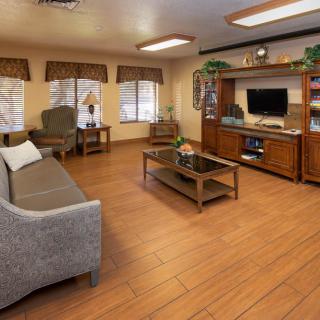
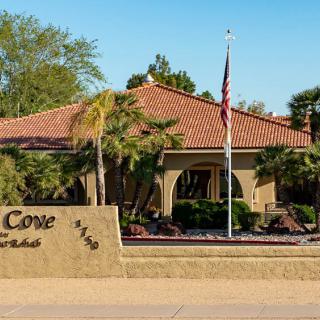
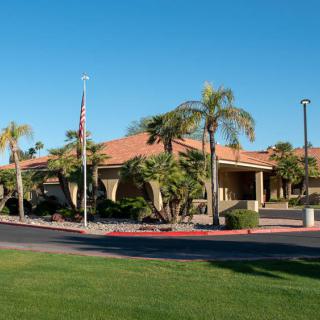
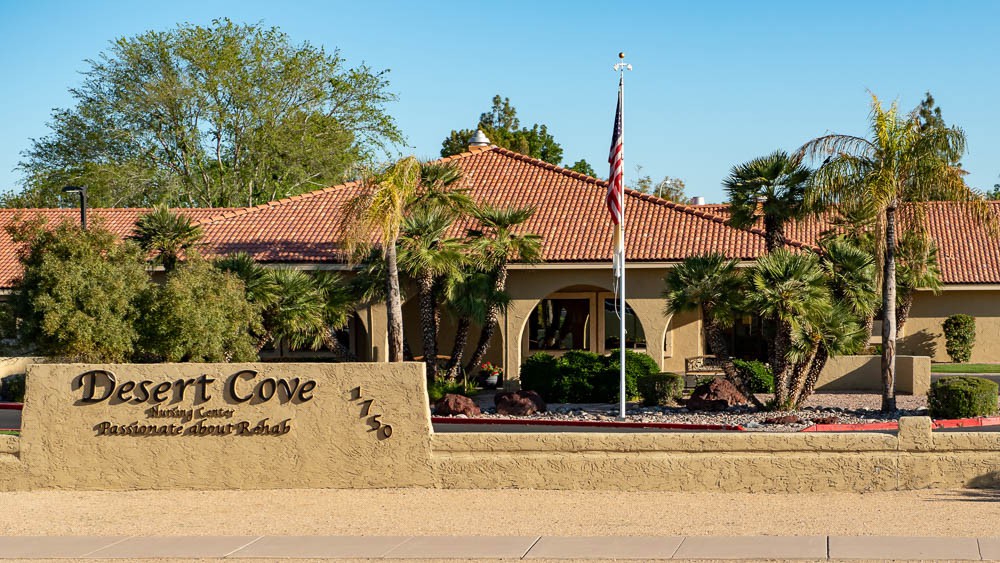
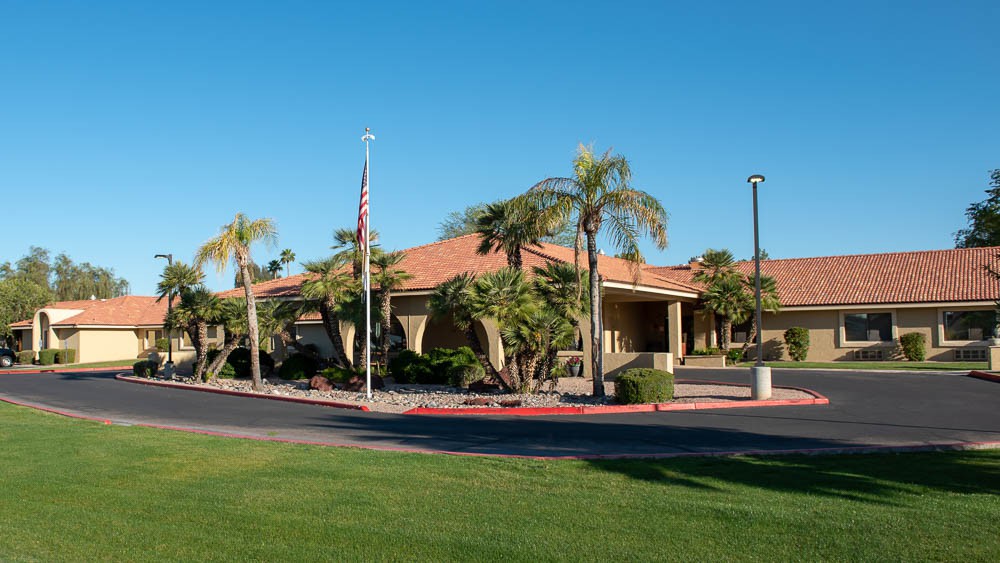
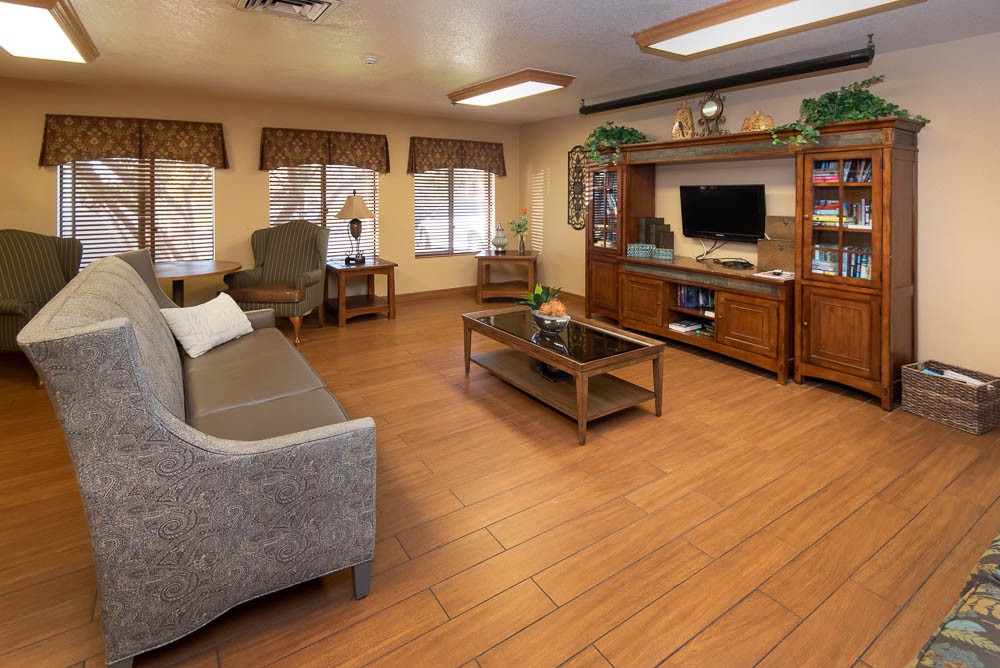
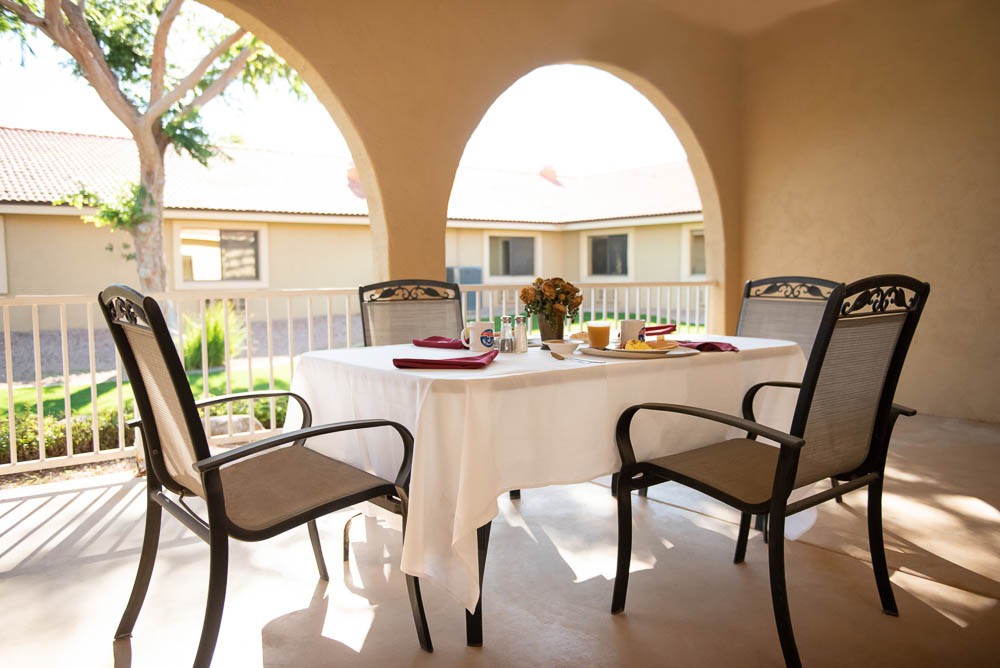
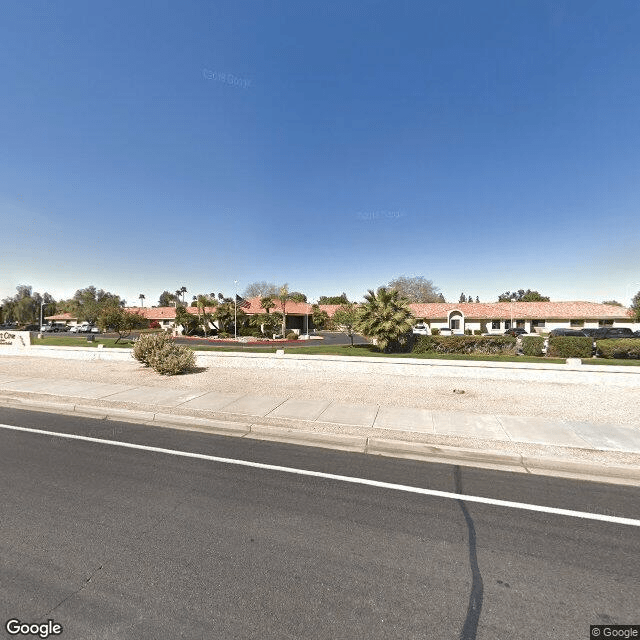
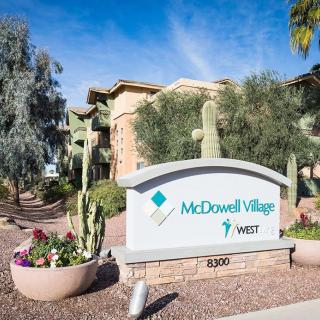
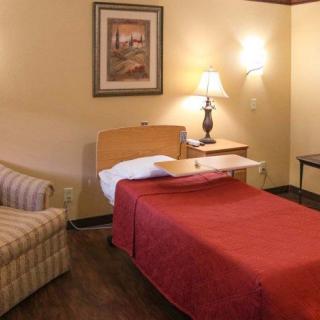
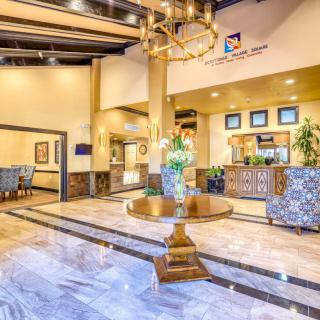
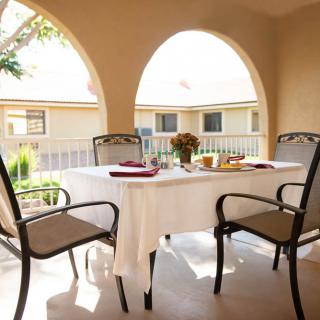
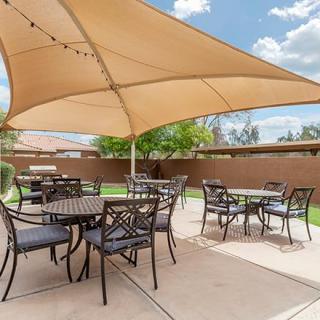
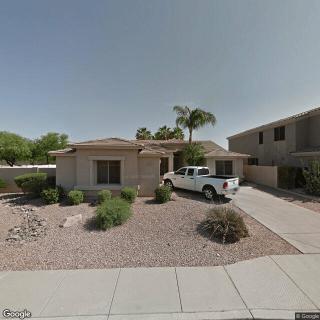
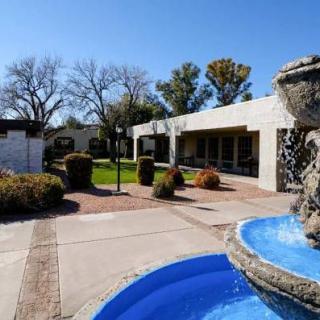
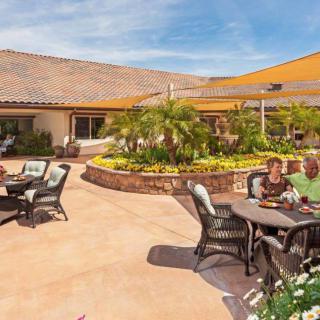
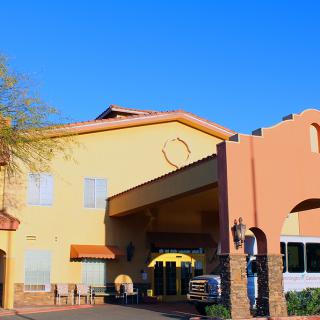
Desert Cove Nursing Center on seniors.fyi includes 5 photos including images showing entrance, landscaping, palm trees, interior, building, flag, road, living room, and more.
The article discusses assisted living expenses, the importance of long-term care insurance in covering these costs, and various financing options, highlighting the need for careful policy review and early planning to address potential needs. It also clarifies common misconceptions about Medicare and private health insurance limitations regarding long-term care coverage.
Assisted living facilities offer crucial support for older adults needing help with daily activities but come with varying and significant costs, which can be financed through personal savings, government assistance programs, long-term care insurance, and home equity options. Professional guidance from experts can aid families in navigating these financial complexities to establish a sustainable budgeting approach for assisted living services.
Assisted living costs often exceed Social Security benefits, necessitating a combination of funding sources like state aid and Medicaid. Understanding the interaction between Social Security programs and available financial support is essential for affording such care.
Get PricingAsk A QuestionSchedule A TourContact Senior Advisor
By clicking submit, you agree to our Partner's Terms of Use. You
also consent to receive calls and texts, which may be autodialed, from our Partner. Your consent is not a condition to
using our Partner's service. Please visit our Partner's Privacy Policy for information about their privacy practices.



 120 resident community capacity
 Assisted Living
 Skilled Nursing Facility
 Cats allowed
 Dogs allowed
 Air-conditioning
 Beauty salon
 Cable or satellite TV
 Computer center
 Dining room
 Fitness room
 Fully furnished
 Gaming room
 Garden
 Housekeeping services
 Kitchenette
 Move-in coordination
 Outdoor space
 Private
 Private bathrooms
 Respite or short term stays offered
 Restaurant-style dining
 Small library
 Telephone
 Wellness center
 Wi-Fi/high-speed internet available
 Phoenix Sky Harbor International (12 miles away)
 Community operated transportation
 24-hour call system
 Activities of daily living assistance
 Assistance with bathing
 Assistance with dressing
 Assistance with transfers
 Diabetes diet
 Hospice care
 Medication management
 Special dietary restrictions
 Concierge services
 Planned day trips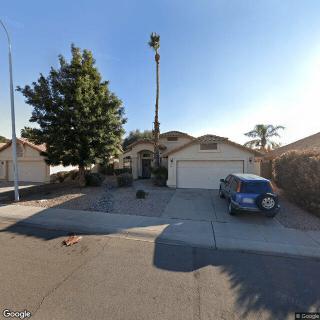
 Small, intimate 5-bed setting enabling personalized care.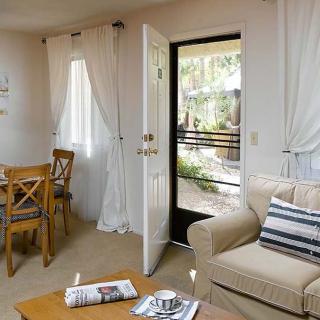

 Assisted Living Expenses and Long-Term Care Insurance: A Comprehensive Exploration
 Securing Financial Support for Assisted Living: A Comprehensive Overview
 Social Security Benefits and Assisted Living: Navigating Options Across the U.S.