
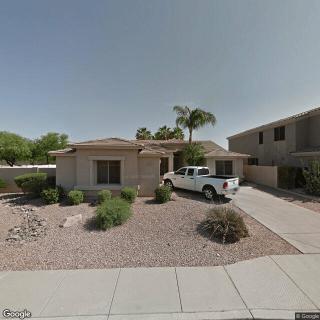
704 South Longmore Street, Chandler, AZ 85224
For more information about senior living options: (866) 208-4318
Overall Review of Longmore Mc Assisted Living Facility
Pros
 Mosaic Gardens offers a warm and friendly environment where staff seem happy and residents look well cared for.
- The staff are very caring and wonderful, with nurses like Sandy providing supportive, personalized care.
- Residents are involved in their own care.
- The management and staff are excellent, with great communication among staff and with families.
- The facility is clean, well organized, and well managed.
- The staff know residents personally and provide thoughtful, attentive care.
- Visitors are welcome 24 hours a day, making it easy for families to visit.
- The team at Mosaic Gardens receives praise for compassion, dedication, and helpful coordination of services.
Cons
 The facility is described as one of the worst memory care facilities, where families are lured in, money is taken, and they are disregarded after a loved one is lost, with no care or communication.
- The place is accused of severe mistreatment of a resident, including rough handling by staff and inadequate explanations about bathing, leaving the resident traumatized.
- The reviewer would not leave a loved one there longer than a week, citing no baths, no assistance with shaving, and a catheter bag mishap.
- A family states they had an awful experience at Mosaic Gardens.
- The loss of the lobby tree made the environment feel bare and less inviting.
Review
This community is best suited for families seeking a warm, person-centered memory-care environment where care staff are consistently present, approachable, and truly engaged with residents. The strongest signal from the reviews is a culture of attentiveness: aides and nurses who know residents by name, a leadership group that is accessible to families, and a daily rhythm that emphasizes participation rather than passivity. It works best for families who want to be deeply involved in care planning, who value transparent communication, and who need reliable access to staff for updates, questions, and ongoing feedback. For loved ones with memory impairment who respond well to a social, activity-driven setting, this environment can feel like a true home away from home, with regular opportunities for residents to collaborate in their own care and stay connected to familiar routines.
Cutting through the praise, there are clear reasons some families should consider alternatives. When safety and consistent supervision are non-negotiables, this community must be weighed carefully. A minority of reviews recount highly troubling incidents, including alleged rough handling and neglect, and they highlight a need for rigorous oversight, immediate response, and uncompromising supervision. For families prioritizing a scrupulously calm, incident-free track record or for those who want a facility with near-impeccable safety documentation, exploring other options with stronger, verifiable safety histories may be prudent. The danger signals in those reviews are serious enough to demand thorough follow-up questions and on-site observations before any placement decision.
On the favorable side, the pros cluster around caregiving quality and operational transparency. Families repeatedly praise how the staff interact with residents, how the nurse role, exemplified by a nurse like Sandy, fits each person’s plan of care, and how staff adapt daily routines as needs change. The sense of teamwork at mealtimes and in activities, along with an emphasis on keeping families informed, stands out. Several accounts describe a facility that is clean, well-organized, and prepared for new residents, with staff who greet visitors warmly and treat the communal spaces as places for meaningful engagement rather than mere passing rooms. In practice, this translates to more predictable daily life for residents and calmer, more collaborative communication with families.
Yet the main concerns tied to safety cannot be dismissed. The most troubling narratives center on possible mistreatment or miscommunication around basic care tasks, baths, denture management, hygiene, or the administration of daily needs, and a perceived lack of timely intervention when problems arise. When such episodes surface, they undermine confidence in a setting that otherwise displays strong compassion and competence. These contradictions are not merely editorial; they reflect divergent experiences that will color every family’s judgment about the true consistency of quality. The community’s ability to address these concerns promptly and transparently will be the deciding factor for families who weigh the positives against the risk signals.
In weighing pros and cons, the core offset comes from the organization’s strengths in staff continuity, family access, and a well-structured activity calendar that invites participation and connection. The presence of a capable nurse, the responsiveness of front-line caregivers, and the clear willingness of leadership to collaborate with families can counterbalance many day-to-day uncertainties, especially for residents who benefit from routine, personal attention, and a living environment that feels actively managed. However, this offset relies on ongoing, verifiable safety measures: regular staff training, robust supervision during all shifts, consistent adherence to care plans, and a fail-safe process for reporting and investigating concerns. Absent those assurances, the risk from past incidents looms larger than the current warmth and organization would justify.
For families evaluating this community, a practical due-diligence plan is essential. Ask about staff-to-resident ratios across day and night shifts, and request recent safety incident reports and how they were resolved. Inquire how the team handles cognitive impairment care, what training exists for handling agitation or distress, and how often plans of care are updated in collaboration with families. Schedule unannounced visits to observe interactions during meals and personal-care tasks, and probe the supervision structure, who is on the floor during evenings and weekends, and how leadership monitors care quality in real time. Acknowledge the positives by weighing them against the concerns, and insist on concrete, measurable assurances before committing.
Ultimately, the decision centers on risk tolerance and the willingness to engage in active oversight. If a deeply involved, caregiver-led environment with transparent communication and robust family access aligns with the family’s expectations, and if safety oversight can be verified and strengthened, this community represents a compelling option within Chandler’s memory-care landscape. It offers genuine warmth, clear leadership, and an ecosystem that mobilizes families as partners in care. If, however, the priority is an unassailable safety record and consistently seamless daily care with minimal escalation, it would be wise to compare with other respected options in the area, where the emphasis on safety, supervision, and predictable outcomes may better match those exacting standards.
 3 resident community capacity
 Assisted Living
 Board and Care Home
 Respite Care
 Cable or satellite TV
 Dining room
 Fully furnished
 Garden
 Housekeeping services
 Move-in coordination
 Outdoor space
 Telephone
 Wi-Fi/high-speed internet available
 Phoenix Sky Harbor International (13 miles away)
 24-hour supervision
 Activities of daily living assistance
 Assistance with bathing
 Assistance with dressing
 Assistance with transfers
 Diabetes diet
 Meal preparation and service
 Medication management
 Special dietary restrictions
 Transportation arrangement (medical)
 Transportation to doctors appointments






 Medicare Coverage for Assisted Living: An In-Depth Exploration
 Choosing the Right Senior Care: A Detailed Exploration of Assisted Living and Nursing Homes
 Understanding the True Cost of Assisted Living in 2025: A Comprehensive Guide