
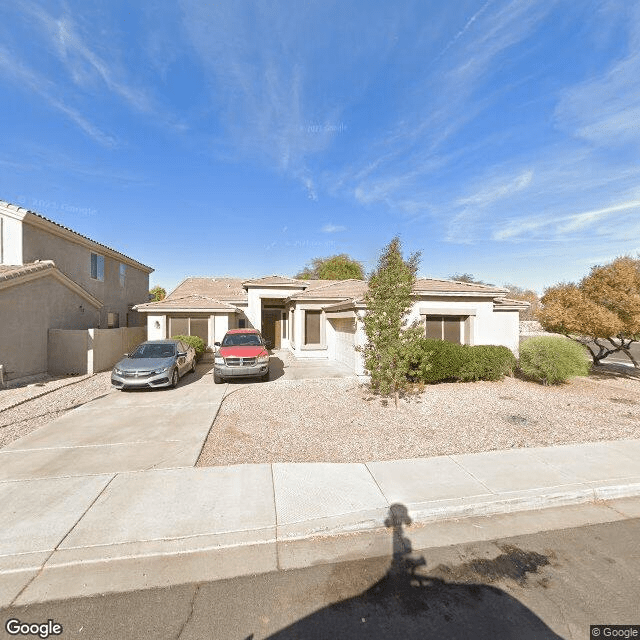
1510 W. Saragosa Street, Chandler, AZ 85224
To contact a resident: (480) 726-1797
For more information about senior living options: (866) 208-4318
Desert Harmony Assisted Living Costs & Pricing
Desert Harmony Assisted Living offers competitive pricing for its residents, particularly when compared to the broader costs of care in Maricopa County and across Arizona. For a semi-private room, residents pay $1,800 per month, which is significantly lower than the county average of $2,801 and the state average of $2,820. Similarly, for those seeking more privacy in a private room setting, Desert Harmony's monthly rate of $2,500 remains well below the averages found in both Maricopa County ($3,318) and Arizona as a whole ($3,345). This pricing structure not only highlights Desert Harmony's commitment to affordability but also underscores its value proposition in delivering quality assisted living services within a supportive community.
| Floor plans | Desert Harmony Assisted Living | Maricopa County | Arizona |
|---|---|---|---|
| Semi-Private | $1,800 | $2,801 | $2,820 |
| Private | $2,500 | $3,318 | $3,345 |
Senior living communities with a similar price nearby
-
from +$145 / mo

Home Instead - Fountain Hills, AZ
$1,945 to $3,525 / month23.1 miles away -
from +$61 / mo

Endeavor Senior In-Home - Mesa
$1,861 / month8.6 miles away -
from +$200 / mo
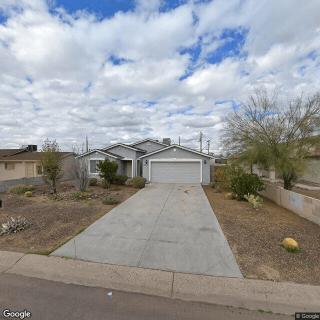
Garcia's Assisted Living Home LLC
$2,000 / month11.8 miles away -
from +$200 / mo
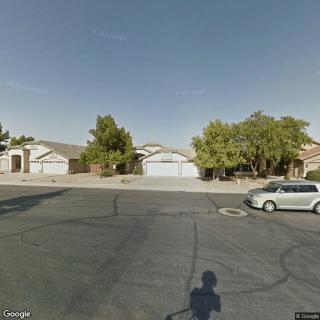
Santo Nino Villas 2
$2,000 to $2,300 / month4.0 miles away -
from +$200 / mo
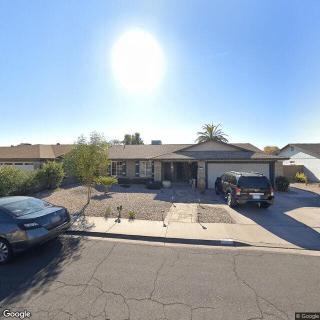
Martha Bonilla Care Loving Home
$2,000 to $2,200 / month5.4 miles away
Overall Review of Desert Harmony Assisted Living
Pros
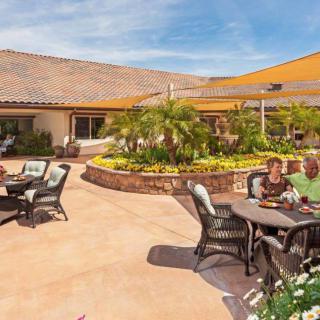
 The facility is well kept and attractive inside and out.
- It impresses visitors with its pretty interior and the evident care its residents receive.
- Residents are in the best of hands.
- The group home is loved by families.
- The caregivers are top notch and genuinely care for residents.
- The homes are spacious, beautifully decorated, cozy, and comfortable.
- Families are amazed by the positive difference in their loved one's behavior.
Cons
 The previous assisted living home was inferior.
- She spent a year in a subpar house before moving.
Review
Desert Harmony Assisted Living in Chandler is best suited for families seeking a warm, home-like atmosphere with a clear focus on personal attention. This community thrives as a small, family-operated operation where owners are actively involved in understanding a resident’s needs and aligning care accordingly. The arrangement tends to appeal to seniors who value a cozy, residential vibe, where meals are shared around a table, days are spent in common spaces with others, and staff cultivate genuine relationships. It is ideal for residents who benefit from a tight-knit staff and a setting that feels more like a private home than a medical facility, especially if memory and daily routine are important.
Those who may want to consider alternatives include families needing robust on-site medical resources or a large-scale campus with formal programming and expansive clinical services. The reviews convey a sense of strong, attentive caregiving, but the model appears to hinge on a smaller operation rather than a corporate, multi-building platform with round-the-clock medical clinics. For seniors requiring intensive nursing oversight, 24/7 on-site physicians, or a dementia program with specialized, large-scale supervision, a larger community could be a better fit. Additionally, the favorable dynamic is paced by the availability of openings, which can be limited.
The primary strengths, well-kept, attractive interiors and a homey, comfortable environment, coexist with a deeply personal caregiving approach. Caregivers are described as top-notch, genuinely caring, and ready to go the extra mile, which translates into consistent, compassionate support for residents and reassurance for families. The home-like décor, spacious but intimate floor plans, and the emphasis on dining at the table rather than in isolation all bolster a sense of normalcy and dignity. These advantages help offset the potential drawback of a smaller operation by delivering predictable, attentive care and meaningful daily activities that keep residents engaged.
A recurring theme in the feedback is the tangible impact of the owners’ hands-on involvement. The Collados’ time spent understanding each family’s needs, coupled with hands-on tours of multiple Chandler homes, signals a thoughtful, customized intake process. The positive experiences extend to how residents participate in daily life: a resident who previously withdrew into a room now enjoys family-room time, TV, and table meals, with activity and social interaction that align with a familiar routine. The combination of well-maintained spaces, a personable staff, and a proven track record of improving mood and behavior positions Desert Harmony as a compelling choice for seniors who respond well to a homelike setting backed by capable caregivers.
With that said, the practical decision hinges on alignment between expectations and realities. Prospective families should plan a thorough visit, observe meal service, and meet the caregiving team to gauge chemistry and reliability. It is valuable to inquire about caregiver-to-resident ratios, availability of diverse activities, how dementia-related needs are addressed in daily routines, and how the homes adapt as care needs evolve. Cost discussions, room options, and the process for transitioning between the three Chandler locations should be clarified up front. Potential renters should also confirm current occupancy and whether a waitlist exists, recognizing that “rare openings” often accompany strong demand.
Ultimately, Desert Harmony (the Chandler operation referenced in reviews as Desert Breeze) stands out for those prioritizing warmth, continuity, and hands-on, family-centered care. It is a practical, well-suited choice for families who value being able to match a resident with a specific home environment and direct access to owners who understand the nuanced needs of aging loved ones. If proximity to family support, a domestic, comfortable atmosphere, and highly attentive caregivers align with the senior’s preferences, this community deserves serious consideration. Conversely, if immediate placement, a broad clinical continuum, or a large, highly resourced campus is non-negotiable, alternatives with broader medical staffing and scale should be explored.
 Board and Care Home
 Private
 Phoenix Sky Harbor International (13 miles away)
 Diabetic care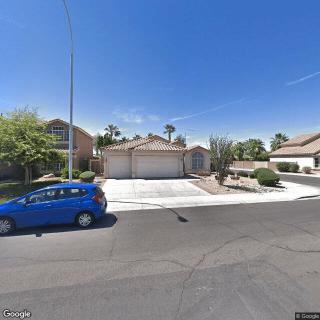


 Weight Training for Seniors: Building Strength and Vitality
 Understanding the Sandwich Generation: Stress and Responsibilities for Multigenerational Caregivers
 8 Essential Assistive Devices for Older Adults