For more information about senior living options: (866) 208-4318
3.2 from 138 reviews
5 stars
72
4 stars
6
3 stars
1
2 stars
2
1 stars
57
Chandler Post Acute And Rehabilitation Costs & Pricing
Chandler Post Acute And Rehabilitation offers a range of costs for its services, with semi-private rooms priced at $3,990 per month and private rooms at $4,920. These prices are notably higher than those in Maricopa County, where similar semi-private accommodations average around $2,801 and private rooms approximately $3,318. Additionally, when compared to state averages in Arizona - which stand at about $2,820 for semi-private and $3,345 for private - Chandler Post Acute And Rehabilitation reflects a premium pricing structure. However, this facility distinguishes itself by providing exceptional value through its skilled nursing services, comprehensive transportation arrangements (both medical and non-medical), extensive nursing coverage of 12-16 hours daily, and access to a wellness center. Such offerings may justify the higher costs for families seeking quality care and support tailored to their loved ones' needs.
Floor plans
Chandler Post Acute And Rehabilitation
Maricopa County
Arizona
Semi-Private
$3,990
$2,801
$2,820
Private
$4,920
$3,318
$3,345
Skilled Nursing Facilities with a similar price nearby
Overall Review of Chandler Post Acute And Rehabilitation
common
Staff care feels inconsistent
Residents describe both very caring nurses and serious lapses in responsiveness.
Many reviewers focus on staff members being compassionate, attentive, and professional, including nurses and aides who help with daily care and make time for questions. Others describe the opposite experience—staff passing by, delays when families ask for help, and communication that feels dismissive or unhelpful. Across reviews, the care quality seems to depend heavily on who is working and how quickly calls get answered.
caveat
Call-light delays raise safety concerns
Several residents report long waits for assistance and follow-through.
A recurring concern is that calls for help go unanswered for long periods, with reviewers describing waits that can stretch from minutes to hours. Some accounts include falls or situations where assistance arrived late after pressing the call button. A few reviewers also mention medication timing and discharge-day coordination issues, reinforcing their concern about monitoring and follow-through.
caveat
Hygiene and cleanliness concerns recur
Some reviews describe dirty conditions and hygiene breakdowns.
Alongside positive comments about a clean, welcoming environment, multiple reviewers report unsanitary conditions such as soiled linens, feces in rooms or on floors, and strong lingering odors. Several families describe needing to request basic care items and clean-up themselves when staff did not respond. Even when individual staff members are described as helpful, these cleanliness concerns appear frequently enough to affect overall trust.
common
Therapy gets mixed feedback
Therapy experiences range from strong progress support to limited follow-through.
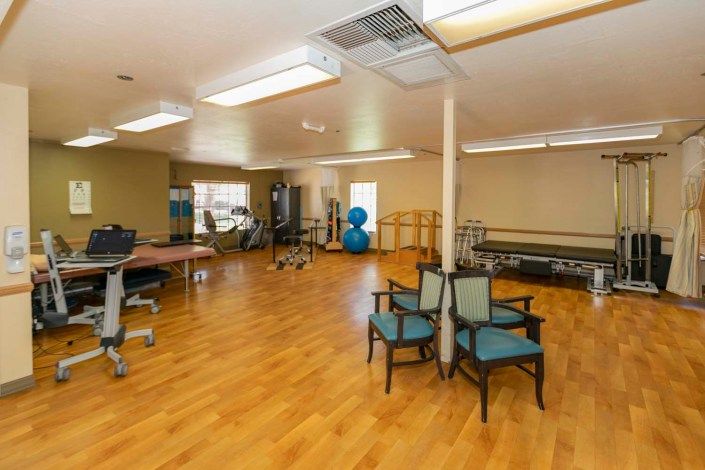
Some residents and families describe physical and occupational therapy teams as professional and effective, with staff keeping sessions on track and helping patients regain strength. Other reviewers say therapy was insufficient—limited sessions, delayed start, weekend coverage problems, or therapy that felt minimal compared to what was expected. Overall, reviews suggest therapy quality varies by time in the program and staffing.
common
Food quality is a split point
Dining reviews run from praised meals to consistently criticized food.
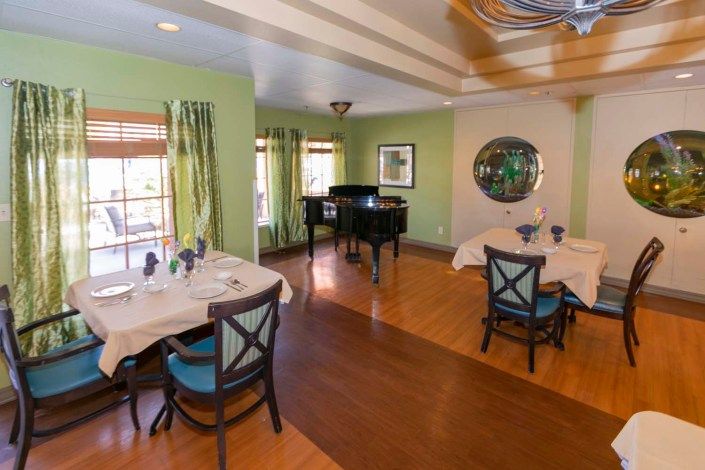
On the positive side, several reviewers describe meals as prompt, warm, and sometimes better than expected, including mentions of food being enjoyable and home-cooked. Negative reviews focus on cold, unappetizing meals and occasions where dietary needs were not followed. A few reviewers also mention diabetes or special dietary concerns in their accounts of what was served or how meals were handled.
How we summarize
We summarize when many written reviews mention each theme; a review can touch several themes, and only frequently mentioned themes are displayed.
Features
Housing
120 resident community capacity
Types of Care
Assisted Living
Skilled Nursing Facility
Amenities
Air-conditioning
Beauty salon
Cable or satellite TV
Computer center
Dining room
Fitness room
Fully furnished
Gaming room
Garden
Housekeeping services
Kitchenette
Move-in coordination
Outdoor space
Private
Private bathrooms
Respite or short term stays offered
Restaurant-style dining
Small library
Telephone
Wellness center
Wi-Fi/high-speed internet available
Transportation
Phoenix Sky Harbor International (12 miles away)
Community operated transportation
Transportation arrangement
Transportation arrangement (non-medical)
Care Services
12-16 hour nursing
24-hour call system
24-hour supervision
Activities of daily living assistance
Assistance with bathing
Assistance with dressing
Assistance with transfers
Coordination with health care providers
Diabetes diet
Meal preparation and service
Medication management
Mental wellness program
Special dietary restrictions
Transportation arrangement (medical)
Transportation to doctors appointments
Dining
Diabetes diet
Special dietary restrictions
Activities
Community-sponsored activities
Concierge services
Fitness programs
Planned day trips
Resident-run activities
Scheduled daily activities
Nearby Places of Interest
Physicians
Valley ENT (0.1 miles)
Sonora Quest Laboratories (0.1 miles)
Arizona Allergy Associates (0.2 miles)
Ironwood Cancer & Research Centers (0.3 miles)
Southeast Valley Gastroenterology Consultants, PC (0.3 miles)
Gateway Pediatrics (0.3 miles)
Infinity Internal Medicine (0.4 miles)
Cafes
Starbucks (0.1 miles)
Starbucks (1.6 miles)
Peixoto Coffee Roasters (2.1 miles)
Starbucks (3.3 miles)
Starbucks (3.5 miles)
Black Rock Coffee Bar (3.5 miles)
Black Rock Coffee Bar (5.2 miles)
Hospitals
Chandler Regional Medical Center (0.2 miles)
Banner Health Ocotillo (1.4 miles)
Phoenix ER & Medical Hospital (2.4 miles)
Pharmacies
CVS Pharmacy (0.6 miles)
Walgreens (0.7 miles)
CVS Pharmacy (1.4 miles)
Walgreens (1.8 miles)
CVS Pharmacy (2.5 miles)
Walgreens (2.6 miles)
CVS Pharmacy (2.7 miles)
Restaurants
Jack In The Box (0.7 miles)
Hungry Monk (0.8 miles)
Chick-Fil-A (0.9 miles)
In-N-Out Burger (1.1 miles)
The Sicilian Butcher (1.1 miles)
Wendy's (1.1 miles)
The Cheesecake Factory (1.2 miles)
Theaters
Chandler Fashion 20 (1.2 miles)
Majestic Neighborhood Cinema Grill (4.8 miles)
Chandler Crossroads 12 (5.2 miles)
Places of Worship
Cornerstone Christian Fellowship (1.5 miles)
Compass Christian Church (1.7 miles)
Church of Jesus Christ of Latter Day Saints (3.2 miles)
First United Methodist Church of Gilbert (5.3 miles)
Chandler Post Acute And Rehabilitation offers a range of costs for its services, with semi-private rooms priced at $3,990 per month and private rooms at $4,920. These prices are notably higher than those in Maricopa County, where similar semi-private accommodations average around $2,801 and private rooms approximately $3,318. Additionally, when compared to state averages in Arizona - which stand at about $2,820 for semi-private and $3,345 for private - Chandler Post Acute And Rehabilitation reflects a premium pricing structure. However, this facility distinguishes itself by providing exceptional value through its skilled nursing services, comprehensive transportation arrangements (both medical and non-medical), extensive nursing coverage of 12-16 hours daily, and access to a wellness center. Such offerings may justify the higher costs for families seeking quality care and support tailored to their loved ones' needs.
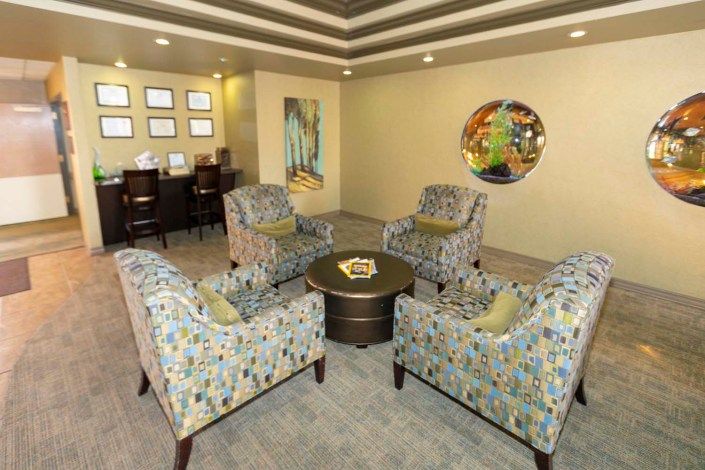
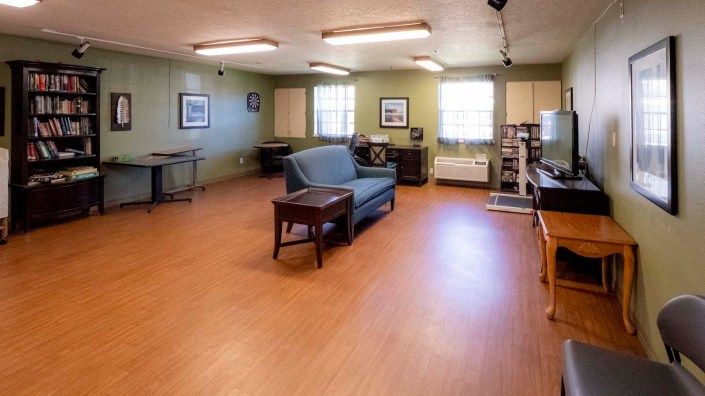
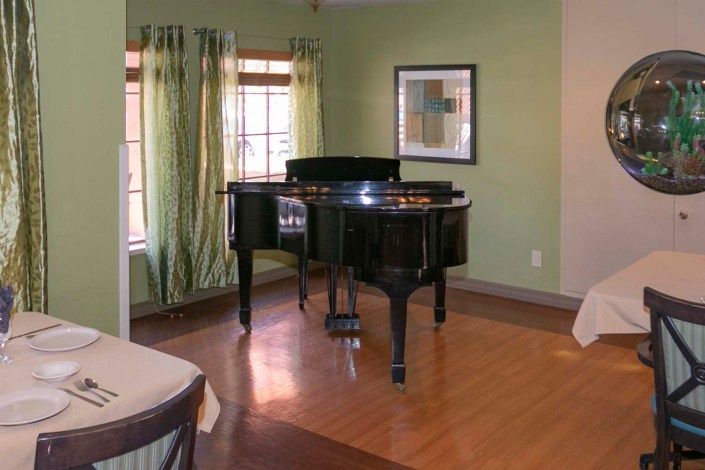
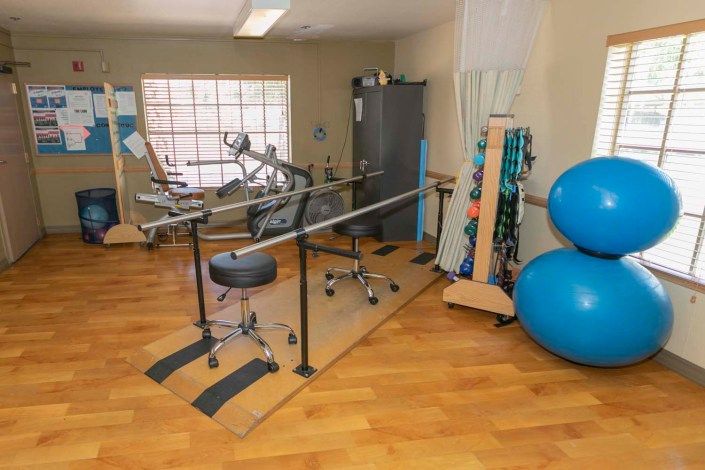
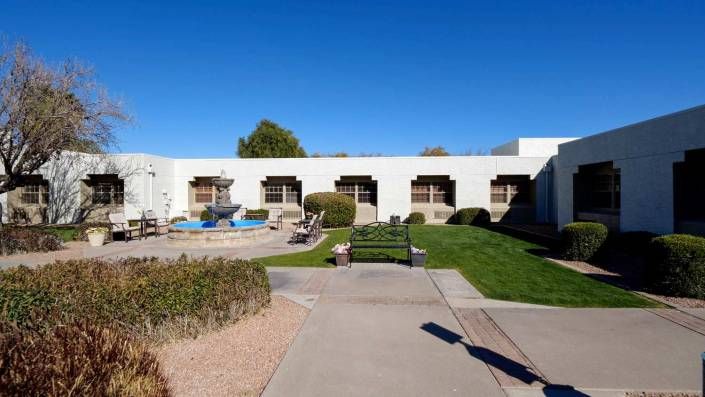
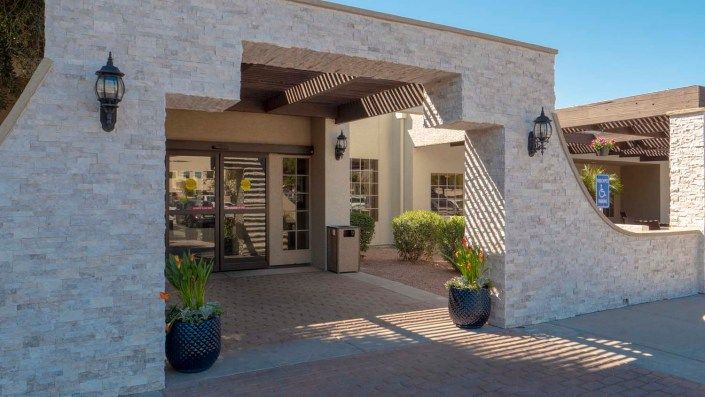
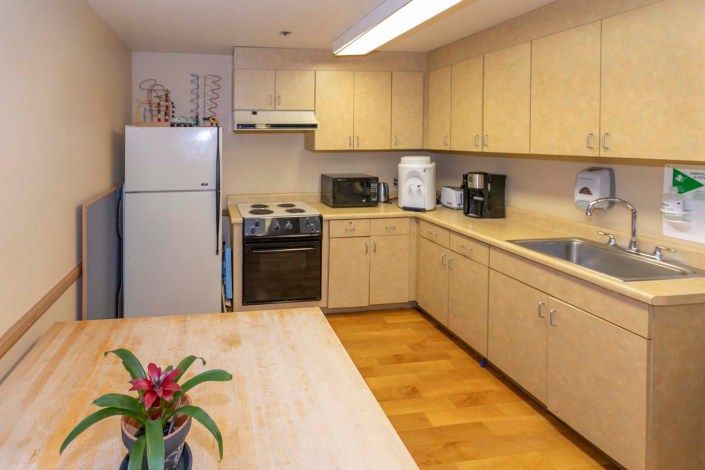
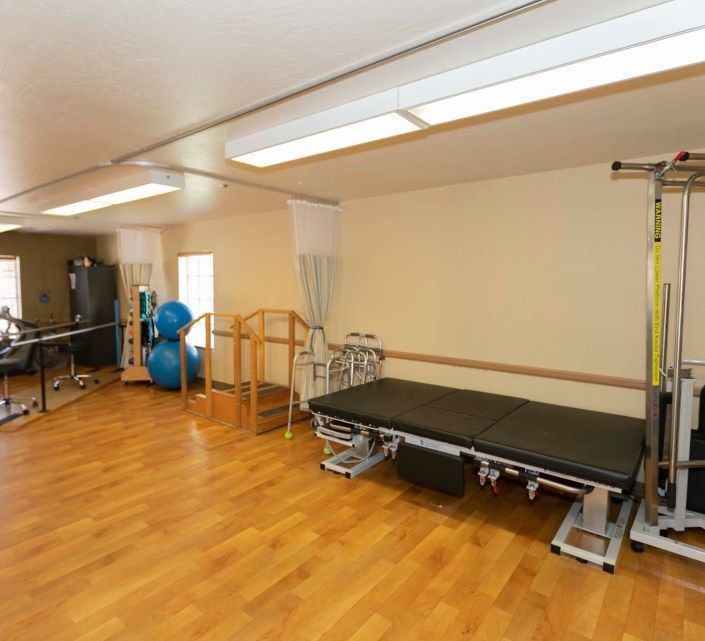
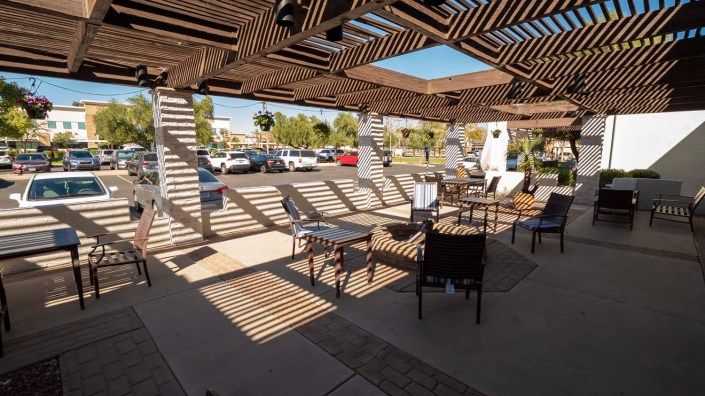
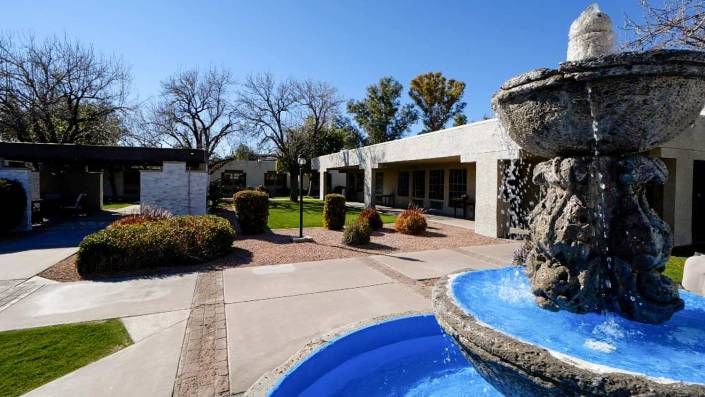
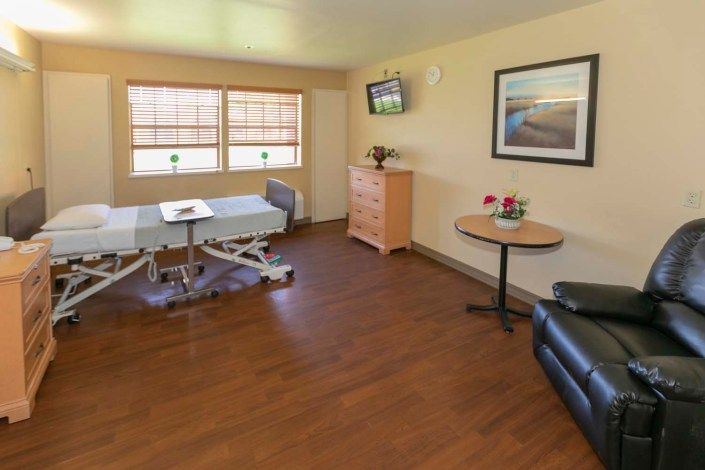
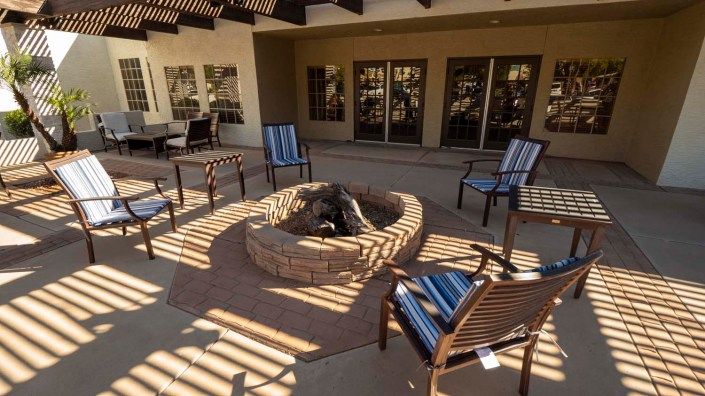
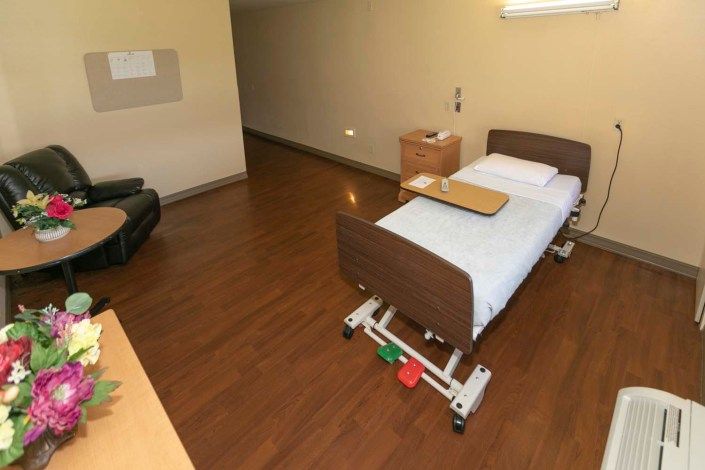
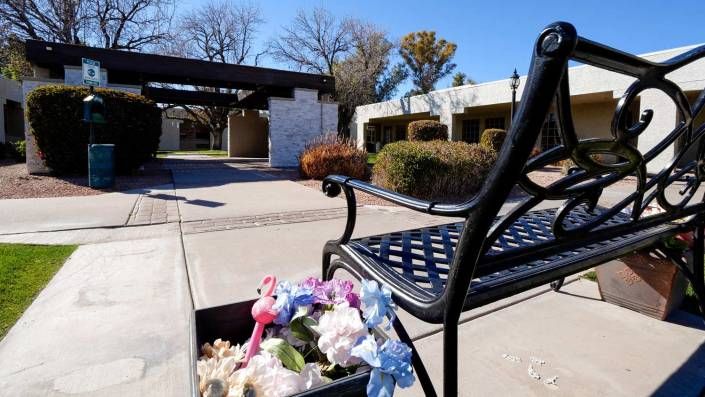
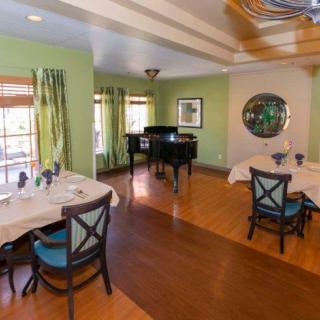
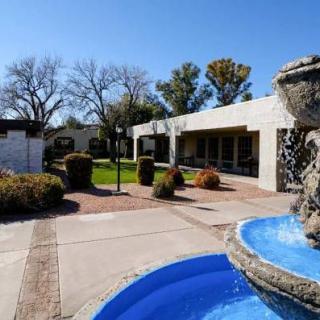
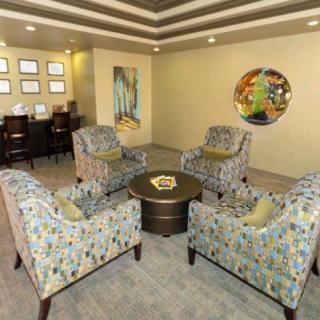
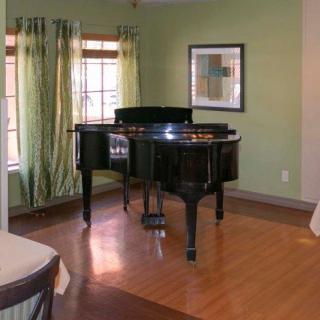
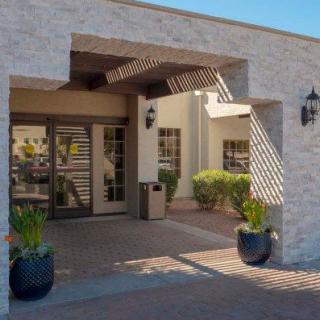
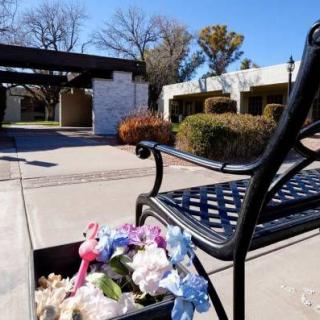
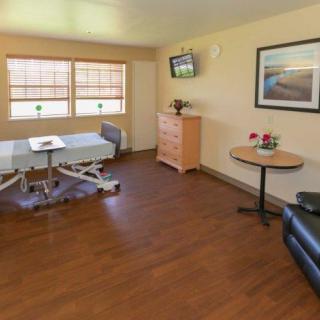
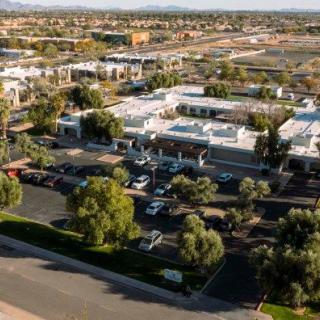
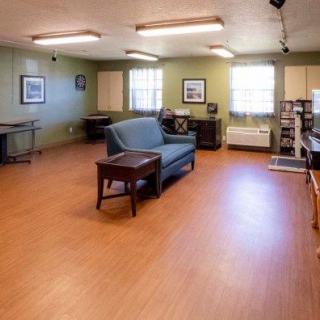
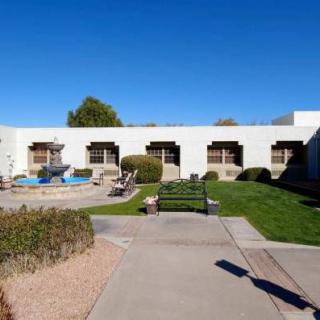
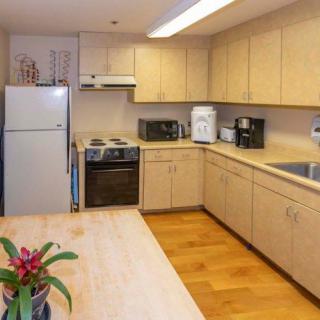
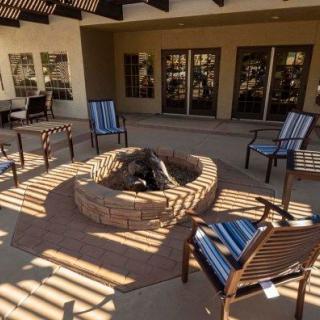
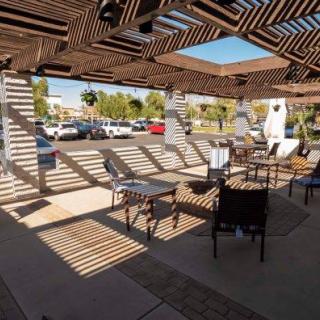
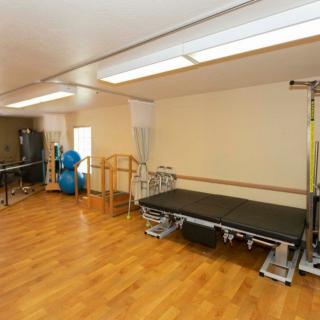
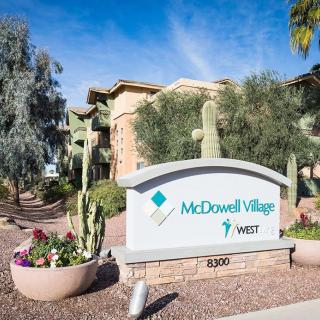
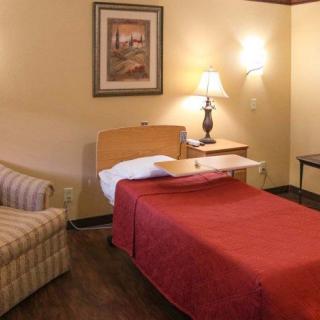
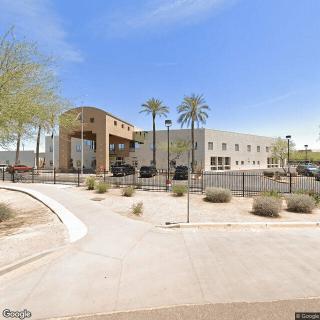
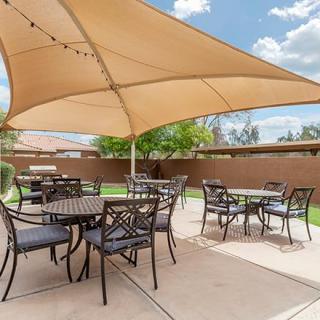
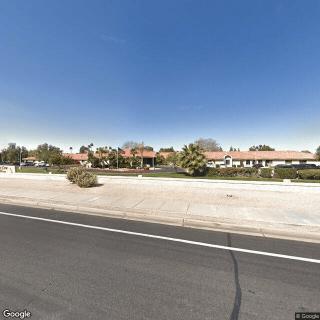
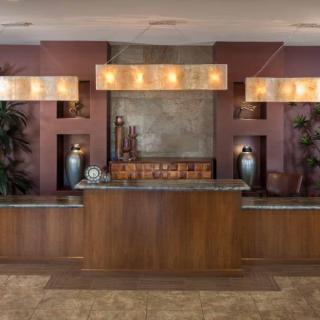
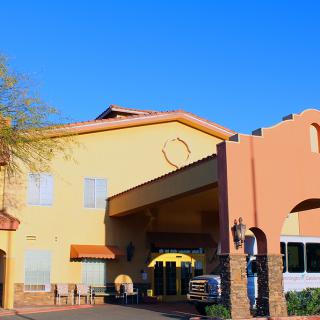
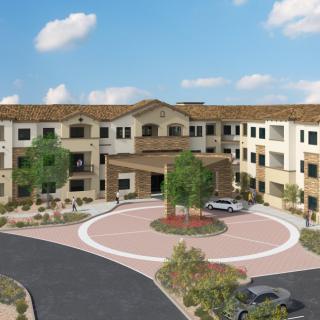
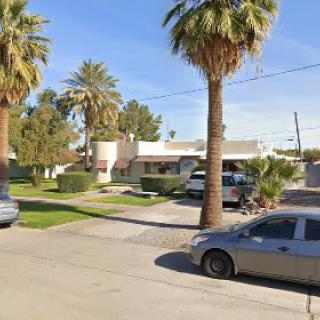
Chandler Post Acute And Rehabilitation on seniors.fyi includes 17 photos including images showing interior, exercise equipment, building, decor, landscaping, trees, outdoor, architecture, and more.
Nearby Communities
Copper Creek Inn Memory Care
Chandler, AZ
4.7 from 106 reviews
$6,800 to $9,500 / month
Beautiful, clean facility with attentive staff and clear communication with families.
Sante Of Chandler
Peoria, AZ
4.7 from 119 reviews
24-hour supervision with comprehensive care and robust on-site amenities (salon, fitness, dining, activities).
The Park At Copper Creek
Chandler, AZ
4.8 from 125 reviews
Luxurious, well-appointed apartments with extensive amenities and a friendly, active community.
Brookdale Chandler Regional
Chandler, AZ
4.4 from 117 reviews
$2,695 to $6,045 / month
Caring staff in a clean, resort-style setting with engaging activities and strong amenities.
Desert Cove Nursing Center
Youngtown, AZ
3.9 from 149 reviews
$3,960 to $4,710 / month
Caring staff, clean facility, and effective therapy services.
Chandler Memory Care
Chandler, AZ
4.3 from 42 reviews
$3,795 to $4,795 / month
Caring staff with good communication, engaging activities, and a clean, secure environment.
Pennington Gardens Assisted Living & Memory Care
Chandler, AZ
4.6 from 34 reviews
$3,450 to $4,750 / month
Well-maintained facility with friendly, long-tenured staff and quality care.
Cadence Chandler
Chandler, AZ
4.8 from 96 reviews
$3,550 to $5,200 / month
Attentive staff and high-quality, diverse dining options.
Azalea Villa Assisted Living Center
Chandler, AZ
4.6 from 10 reviews
$2,200 to $2,500 / month
Caring, around-the-clock staff and spacious private rooms.
The article compares assisted living and skilled nursing facilities, detailing their differing levels of assistance, medical support, cost structures, and day-to-day experiences. It emphasizes that assisted living is for those needing help with daily activities while maintaining independence, whereas skilled nursing facilities provide intensive medical care with 24-hour staff supervision.
The transition from assisted living to skilled nursing care is often prompted by complex medical needs that assisted living cannot meet, with key indicators including frequent health declines, increased falls, severe memory issues, and caregiver burnout. Families should recognize these signs early to discuss options with healthcare providers and prepare for the emotional and logistical aspects of moving to a facility that offers comprehensive medical support.
Vibrant Senior Living emphasizes active senior living communities that promote independence and engagement through diverse amenities and activities, fostering wellness and social interaction among older adults. These communities range from independent to assisted living, with a focus on personal growth, family involvement, financial planning, and leveraging technology to enhance residents' experiences.
Get PricingAsk A QuestionSchedule A TourContact Senior Advisor
By clicking submit, you agree to our Partner's Terms of Use. You
also consent to receive calls and texts, which may be autodialed, from our Partner. Your consent is not a condition to
using our Partner's service. Please visit our Partner's Privacy Policy for information about their privacy practices.



 120 resident community capacity
 Assisted Living
 Skilled Nursing Facility
 Air-conditioning
 Beauty salon
 Cable or satellite TV
 Computer center
 Dining room
 Fitness room
 Fully furnished
 Gaming room
 Garden
 Housekeeping services
 Kitchenette
 Move-in coordination
 Outdoor space
 Private
 Private bathrooms
 Respite or short term stays offered
 Restaurant-style dining
 Small library
 Telephone
 Wellness center
 Wi-Fi/high-speed internet available
 Phoenix Sky Harbor International (12 miles away)
 Community operated transportation
 12-16 hour nursing
 24-hour call system
 Activities of daily living assistance
 Assistance with bathing
 Assistance with dressing
 Assistance with transfers
 Diabetes diet
 Medication management
 Mental wellness program
 Special dietary restrictions
 Transportation arrangement (medical)
 Concierge services
 Planned day trips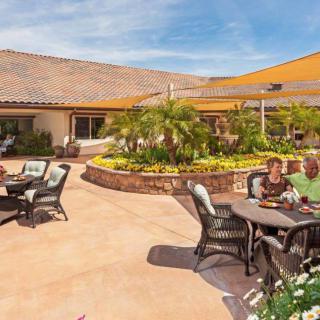
 Beautiful, clean facility with attentive staff and clear communication with families.

 Exploring the Contrasts Between Assisted Living and Skilled Nursing
 8 Key Indicators That Suggest It May Be Time to Transition from Assisted Living to Skilled Nursing Care
 Vibrant Senior Living: A Comprehensive Guide for Active Older Adults