

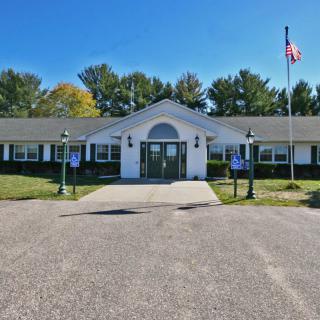
300 Race Street, Wisconsin Dells, WI 53965
For more information about senior living options: (866) 208-4318
Wisconsin Dells Health Services Costs & Pricing
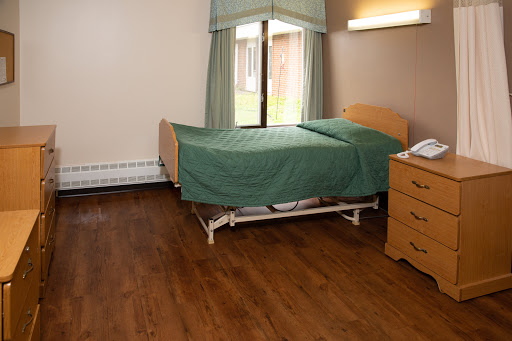
Wisconsin Dells Health Services presents a significant cost for private room accommodations, priced at $6,270 per month. This rate is noticeably higher than the average in Sauk County, where similar services are offered at $3,708, and also exceeds the statewide average of $4,339. The disparity in costs may reflect the specific services provided, facility amenities, or regional demand within Wisconsin Dells. While this premium pricing could raise concerns for potential residents and their families, it's essential to consider the quality of care and the overall environment that may justify these expenses.
| Floor plans | Wisconsin Dells Health Services | Sauk County | Wisconsin |
|---|---|---|---|
| Private | $6,270 | $3,708 | $4,339 |
Overall Review of Wisconsin Dells Health Services
Pros
 The staff and caregivers were friendly and great.
- Caitlyn, Jesse, Jolene, and all the CNAs, nurses, and cleaning staff were awesome.
- The facility was awesome to their dad; the staff could be trusted to provide residents with the care and attention they need.
- Jolene and Caitlin were very helpful in managing the patient’s case; they answered questions and were very patient.
- There were many staff on duty in the halls and at the front desk, all friendly and helpful.
- The nursing staff, CNAs, PT, housekeeping, and the whole team provided excellent care.
- All of the floor staff were friendly and answered questions promptly.
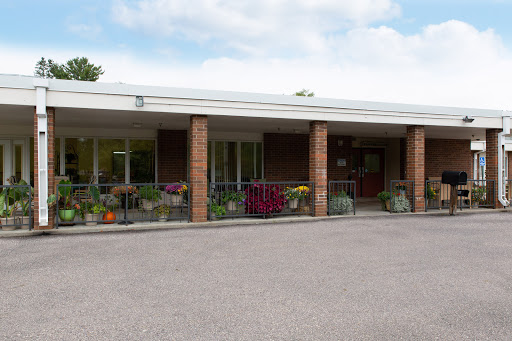
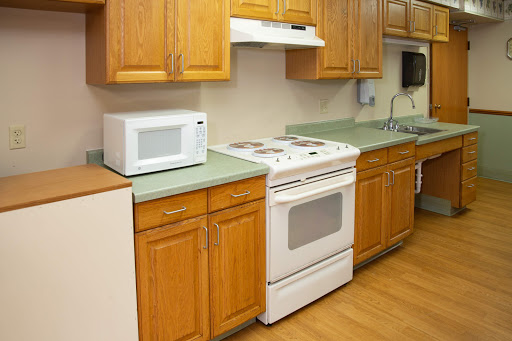
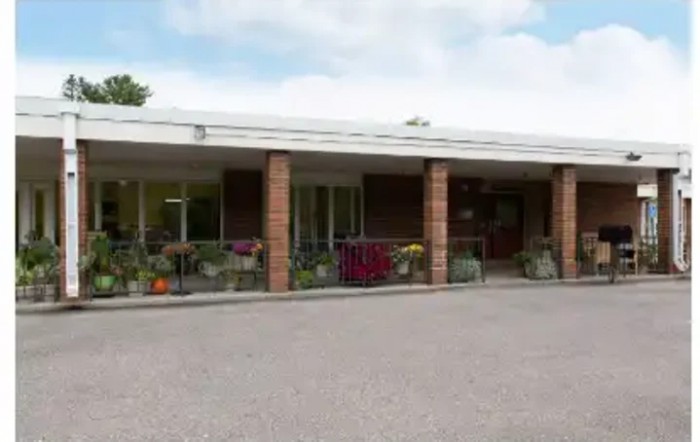
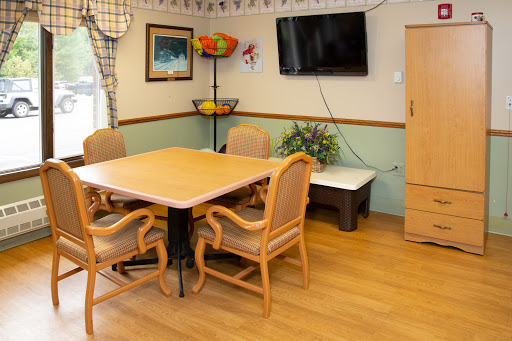
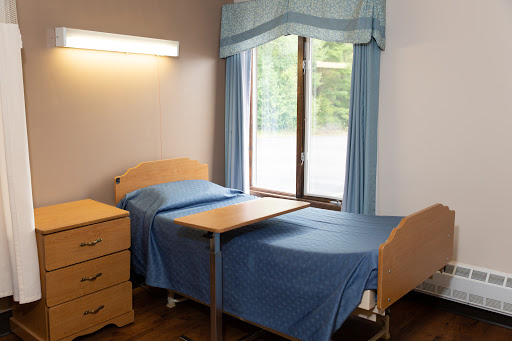
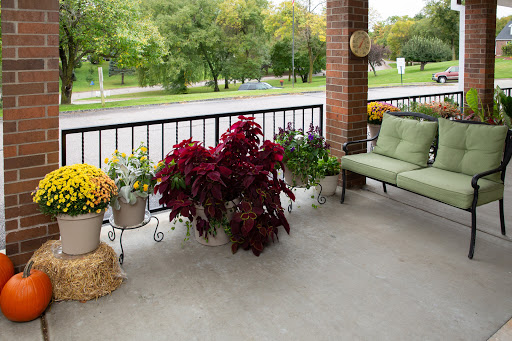
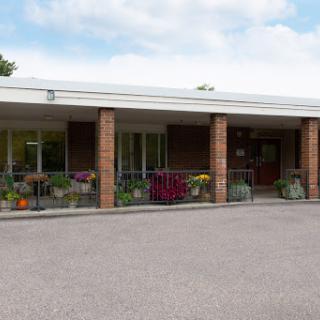
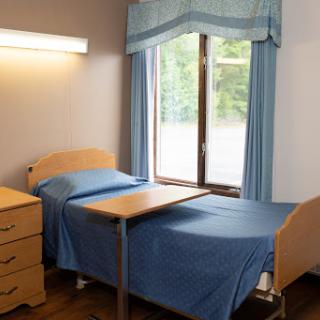
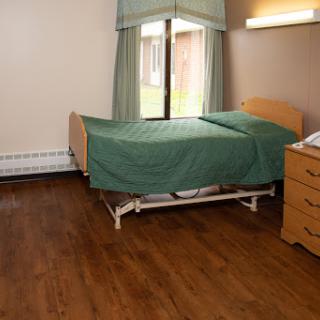
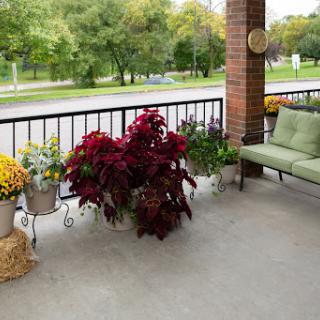
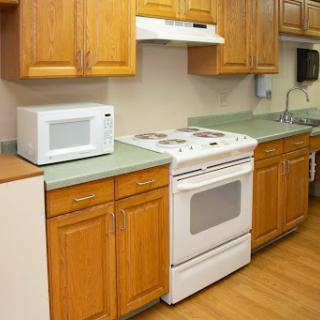
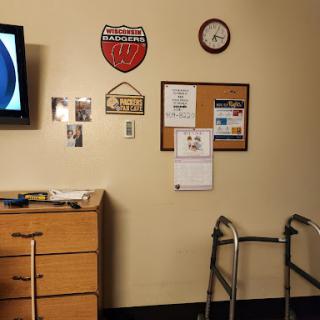
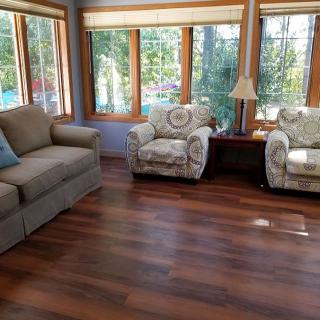
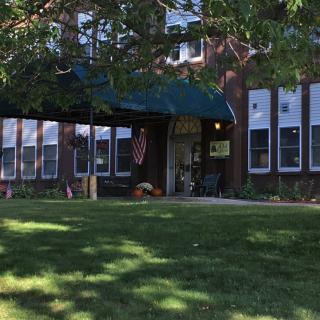
- The facility is beautiful, with great amenities.
Cons
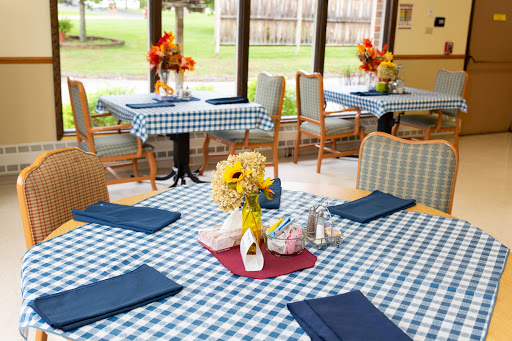
 The food was awful and mostly served cold, with a limited menu and substitutions that did not match requests.
 - Residents sometimes did not receive what they asked for or what was available.
- Care was marred by neglect, as rooms and bathrooms were not cleaned regularly and feeding tubes were not cleaned.
- Residents were kicked out because they could not take care of themselves, with little consideration given to their needs.
- There was a breakdown in communication and privacy, with families left without timely information and messages not returned.
- The facility appeared unprofessional and understaffed, with staff making rude comments, misplacing trays, and lacking essential hygiene supplies and proper protocols.
Review
Wisconsin Dells Health Services is best suited for families seeking short-term rehab or hands-on nursing support in a pleasant, hotel-like environment, where a large, actively engaged staff can provide attentive care and therapy while a resident is rebuilding function or adjusting to daily living. The facility has a warm, welcoming feel, with many staff members visible in the halls and at the front desk, and a schedule of daily activities that can help a resident stay engaged. When things click, families repeatedly note effective nursing care, approachable therapists, and genuine kindness from several caregivers who make the experience feel personal despite the setting.
That said, serious caveats accompany the upside. Those who need ironclad reliability across every shift, a consistently robust meal program, and flawless daily operations should consider alternatives. If a resident’s well-being hinges on predictable medication administration, scrupulous hygiene, and transparent, proactive communication with families, this community may fall short. Likewise, any family that cannot be on hands-on supervision or who expects flawless discharge planning and seamless coordination from social workers should weigh other options more heavily.
The strongest pro-set is the care team’s dedication: CNAs, nurses, and therapists often go the extra mile, and quick, compassionate responses from several frontline staff make meaningful differences in day-to-day progress. Families frequently praise therapists for progress, and several reviews spotlight staff members who consistently stand out for responsiveness and empathy. The environment itself, clean, comfortable in places, and lively with activities, also supports emotional well-being and can accelerate recovery when staff are aligned and present.
However, the main cons blunt the overall value. Meal service stands out as a persistent weakness: too often meals arrive cold, with limited choices, and a failure to deliver what is requested. This not only undermines satisfaction but also can affect nutrition and energy during rehab. On the operational side, under-staffing and gaps in communication recur in multiple accounts, from missed med passes to delays in updates about care plans or discharge decisions. Hygiene lapses and inconsistent housekeeping have also been noted, contributing to a sense that some days rely more on goodwill than on dependable systems. In more troubling reports, several families describe miscommunications with administrators or social workers, and one case involves discharge decisions made without adequate family involvement, underscoring a pattern of fragmented coordination at times.
These dynamics mean the facility can offset several concerns through exceptional bedside care, but they cannot erase the risk that meals, meds, and daily operations will slip without vigilant oversight. Prospective residents who prize personal attention and solid rehab services may experience significant benefits when the care team is aligned and the environment is cooperative, yet the risk of inconsistent service, weaker dining quality, and communication bottlenecks remains a real consideration. The contrast between high-touch caregiving and process gaps should guide decision-making, not be glossed over.
In the end, Wisconsin Dells Health Services can be a good fit for families prepared to actively participate in care planning and to scrutinize everyday operations. Before committing, prospective residents or their families should request a direct line of sight into meal planning and kitchen routines, confirm medication administration workflows and night-time coverage, and insist on clear, scheduled family communications with social work and administration. A short, structured trial stay or a defined rehab window can reveal whether the combination of caring staff, engaging activities, and a pleasant setting delivers the consistency needed. If not, moving to a facility with stronger, more reliable core operations may prove the wiser course.
 90 resident community capacity
 Skilled Nursing Facility
 Air-conditioning
 Beauty salon
 Cable or satellite TV
 Computer center
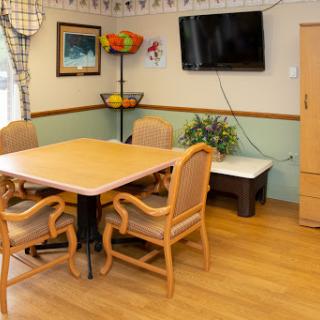
 Dining room
 Fitness room
 Fully furnished
 Gaming room
 Garden
 Housekeeping services
 Kitchenette
 Move-in coordination
 Outdoor space
 Private
 Private bathrooms
 Restaurant-style dining
 Small library
 Telephone
 Wellness center
 Wi-Fi/high-speed internet available
 Community operated transportation
 12-16 hour nursing
 24-hour call system
 Activities of daily living assistance
 Assistance with bathing
 Assistance with dressing
 Assistance with transfers
 Diabetes diet
 Medication management
 Mental wellness program
 Special dietary restrictions
 Concierge services
 Planned day trips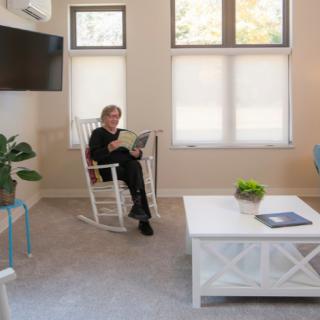




 Comprehensive Insights into Palliative Home Care: What It Is and What to Expect
 Skilled Nursing Facilities vs. Nursing Homes: Making Sense of the Differences
 A Detailed Examination of Nursing Home Costs Across the U.S.