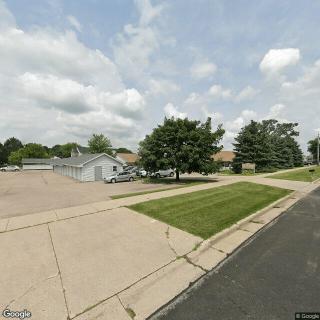
Our House Senior Living - Wisconsin Dells Assisted Care in Wisconsin Dells, WI

Save

Our House Senior Living - Wisconsin Dells Assisted Care in Wisconsin Dells, WI

1954 State Road 23, Wisconsin Dells, WI 53965

For more information about senior living options: (844) 490-3973

4 from 3 reviews
5 stars
2
4 stars
0
3 stars
0
2 stars
1
1 stars
0

Assisted Living Board and Care Home

Overall Review of Our House Senior Living - Wisconsin Dells Assisted Care

Pros

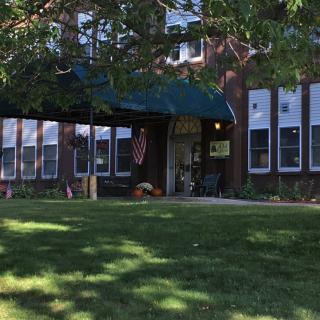
  • pro The team greeted guests at the door and was very helpful.
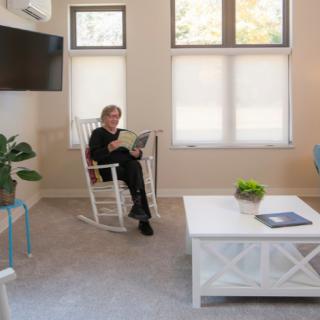
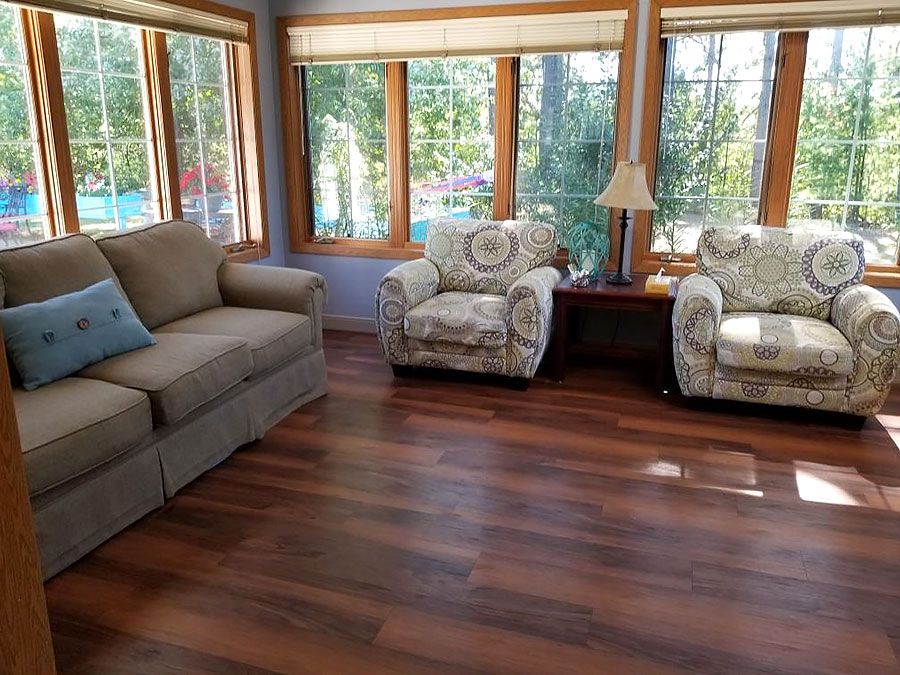
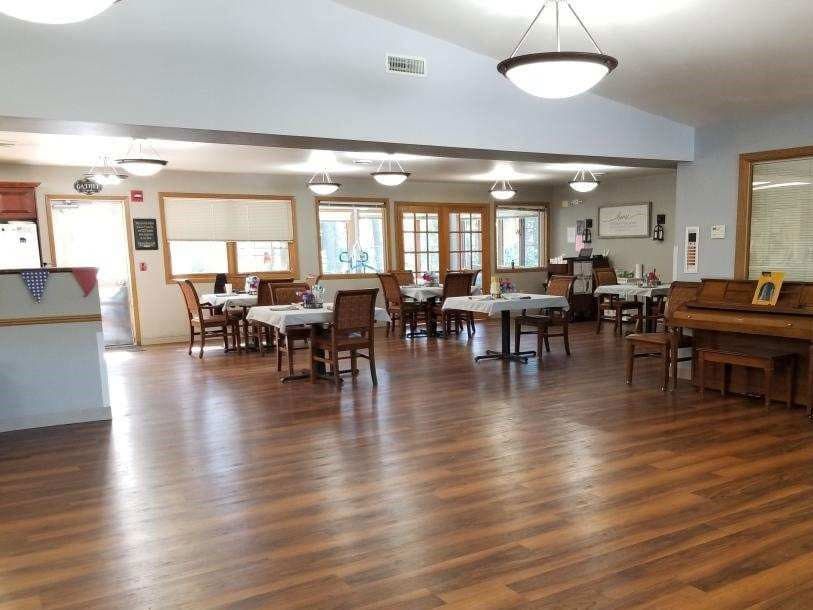
  • pro The home atmosphere was very comfortable and inviting.
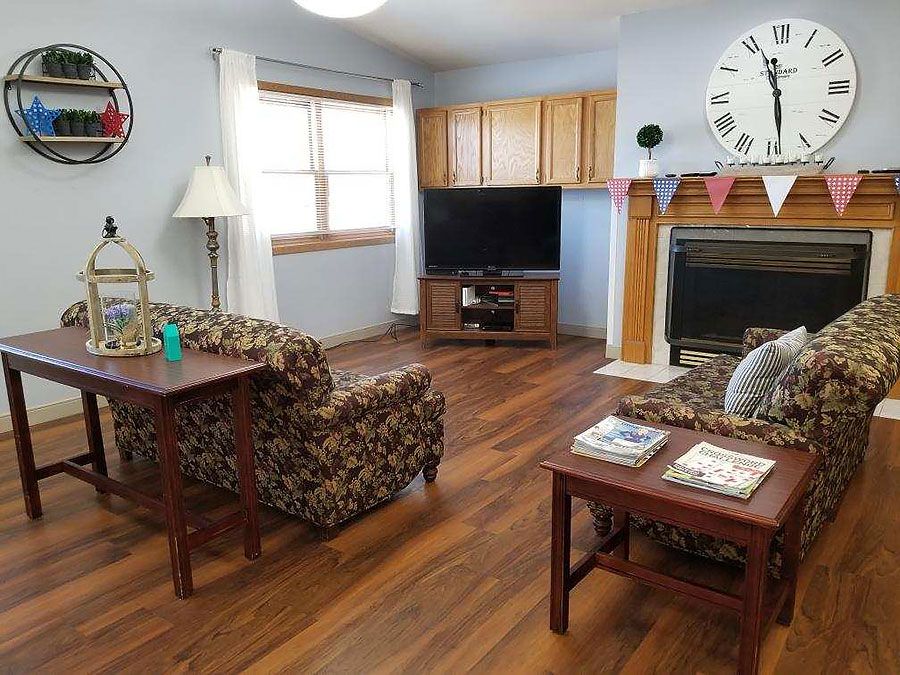
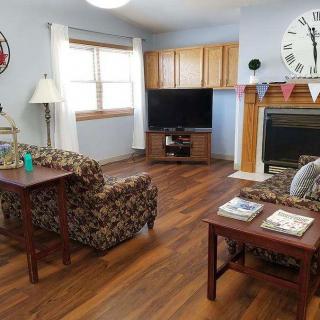
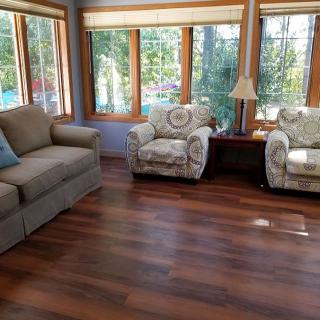
  • pro The rooms were bright and the common areas were cozy.
  • pro Residents looked happy and were busy with activities.
  • pro The facility was clean.
  • pro The staff was really friendly.
  • pro The activities were varied, including puzzles, games, field trips, and access to books.

Cons

  • pro The reviewer was not impressed with the facility at all.
  • pro It seemed very small and not very well staffed.
  • pro The rooms were small, and there were hardly any gathering areas for residents.
  • pro There was only one gathering room upon entering, and it was very small and crowded.
  • pro The staff seemed very disorganized.
  • pro The reviewer would not consider it for their brother and would not recommend it to anybody else.

Review

This community is best suited for seniors who want a warm, home-like assisted living experience reinforced by attentive staff and a steady stream of daily activities. The atmosphere is inviting and comfortably lived-in, with bright private rooms and cozy common areas that encourage casual socializing. The welcome is genuine - greeted at the door, help readily offered, and a sense that residents are seen and engaged. For families in or near Wisconsin Dells, the intimate footprint makes it easy to visit and participate in routines, turning monitoring into meaningful involvement rather than a distant obligation. In short, it rewards residents who value personal attention and a friendly, neighborhood feel over a sprawling campus.

Who may want to consider alternatives? Those who need more expansive common spaces, stronger staffing coverage, or greater medical oversight may find this community insufficient. One reviewer described the facility as very small with limited gathering areas and insufficient staff presence, and noted disorganization during a prescheduled visit. For someone who prioritizes a wide range of social venues, robust activities, or spacious room layouts, other options will likely feel more comfortable. Families wary of crowded spaces or unpredictable tour experiences should compare other communities with larger footprints and clearer staffing patterns before deciding. The size and layout simply don't work for residents who crave more architectural and social scale.

On the plus side, the strongest advantages center on tone and routine. Staff are described as friendly and responsive, the facility is clean, and rooms - while modest - are well-kept and bright. The emphasis on programming is notable: puzzles, planned games, field trips, and book access provide daily stimuli that keep residents mentally and socially engaged. The homey common areas and the cheerful, welcoming entrance enhance participation in activities rather than forcing residents to seek out outings on their own. For many families, these elements offset the tight square footage by delivering consistent warmth, dependable care, and a predictable daily structure.

Yet the drawbacks carry real weight in decision-making. The most frequently cited concerns center on space and staffing dynamics: rooms that feel compact, only one small gathering room, and occasional signs of disorganization during visits. The social infrastructure can feel crowded or under-resourced when activity options are limited or when staff turnover or scheduling gaps appear. In such moments, the sense of community can waver, and some visitors walk away uncertain about the level of hands-on support. These issues aren't universal, but they are recurring enough to note for families who expect robust, easily navigable social hubs and consistently staffed services throughout the day.

How the positives offset the negatives depends on priorities. For residents who prize a warm, people-focused environment and a steady rhythm of engagement, the combination of friendly staff, cleanliness, and varied activities can make a small footprint feel sufficient - almost intimate. For those who require more generous gathering spaces, higher staff-to-resident ratios, or broader social venues, the same factors become decisive drawbacks. The setting's intimacy can be a comforting advantage, but it also magnifies limits when it comes to group events, room privacy, and spontaneous interaction. In practical terms, this community best serves someone who wants a welcoming, active daily life without needing expansive facilities.

Decision-ready guidance: visit with a targeted checklist. Observe staff interactions during a typical activity and ask about staffing coverage at peak times. Request the current activity calendar and tour several spaces to gauge whether room sizes and traffic will suit the elder's preferences. Inquire about room configurations beyond the standard model, and whether larger rooms or alternative layouts exist. Probe staff tenure and the turnover rate of caregivers, and ask for real-world examples of how social programs are adapted to individual needs. If proximity to family and local routines is important, this community delivers; if scale, variety of common spaces, and stronger oversight are non-negotiable, it's prudent to explore larger campuses elsewhere.

Features

Housing

  • 20 resident community capacity 20 resident community capacity
  • 1-bedroom apartments 1-bedroom apartments1-bedroom apartments are important for seniors because they provide a sense of independence, privacy, and autonomy while still offering the necessary space for comfortable living. These apartments allow seniors to maintain their own personal space and lifestyle preferences in a supportive community setting.

Types of Care

  • Assisted Living Assisted LivingAssisted living facilities provide crucial support and care for seniors who may need help with daily tasks such as medication management, bathing, and meal preparation. These communities offer a safe and comfortable environment where seniors can maintain their independence while receiving the assistance they need to thrive in their golden years.
  • Board and Care Home Board and Care HomeBoard and care homes provide a smaller, more intimate setting for seniors who require assistance with daily tasks but do not need the level of care offered by a nursing home. They offer personalized care, meals, and social activities in a homelike environment, ensuring that seniors receive individualized attention and support in their golden years.

Amenities

  • Beauty salon Beauty salonBeauty salons are important for seniors because they provide a space for them to feel pampered, socialize, and maintain their personal grooming and hygiene. Regular visits to a beauty salon can help boost seniors' self-esteem and overall well-being.
  • Cable or satellite TV Cable or satellite TVCable or satellite TV is important for seniors because it provides entertainment, news, and companionship, helping to combat loneliness and boredom. It also offers a wide range of programming options tailored to different interests and preferences.
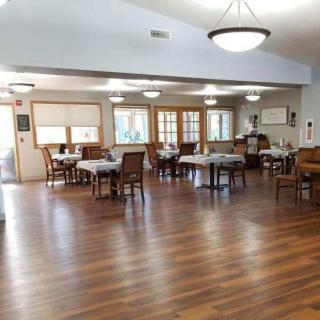
  • Dining room Dining roomDining rooms are important for seniors as they provide a space for socialization, connection, and nutritious meals. They offer opportunities for residents to bond over shared meals, foster a sense of community, and promote healthy eating habits. Dining rooms also ensure that seniors have access to well-balanced meals tailored to their dietary needs and preferences.
  • Fully furnished Fully furnishedFully furnished senior living communities are important for seniors because they provide convenience, comfort, and a hassle-free moving experience. Seniors can easily settle into their new living space without the stress of having to buy and move furniture. This allows them to focus on enjoying their new home and community.
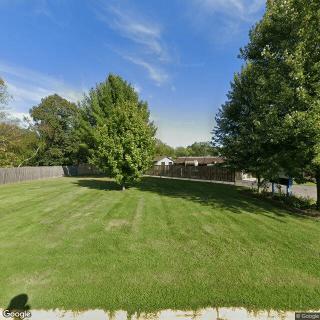
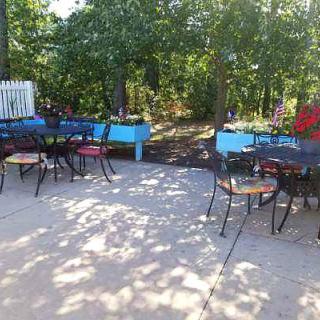
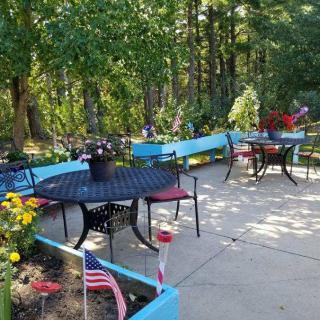
  • Garden GardenGardens are important for seniors as they provide a peaceful and therapeutic environment for relaxation, physical activity, and socialization. Being in nature has been shown to reduce stress, improve mood, and promote overall well-being. Gardens also offer opportunities for seniors to engage in gardening activities, which can improve mobility, flexibility, and cognitive function. Additionally, gardens create a sense of community and connection with others who share a passion for plants and outdoor spaces.
  • Housekeeping services Housekeeping servicesHousekeeping services are important for seniors because they help maintain a clean and safe living environment, promote independence, and reduce the risk of accidents or illnesses. Additionally, having assistance with household chores can alleviate physical strain and allow seniors to focus on other aspects of their well-being.
  • Kitchenette KitchenetteKitchenettes are important for seniors living in senior living communities because they provide the convenience and independence of being able to prepare simple meals and snacks in the comfort of their own living space. This can help promote a sense of autonomy and well-being for seniors, allowing them to maintain some level of control over their dietary choices and daily routines.
  • Move-in coordination Move-in coordinationMove-in coordination is important for seniors because it helps ease the transition into their new living environment. It ensures that all logistics, such as packing, organizing movers, and setting up utilities are taken care of, allowing seniors to focus on settling in and adjusting to their new home. Having a smooth move-in process can alleviate stress and anxiety, making the transition smoother and more enjoyable for seniors.
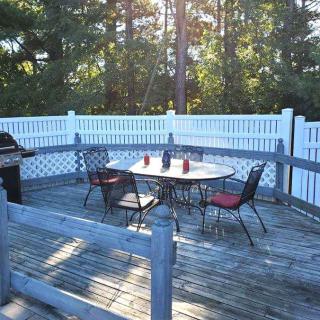
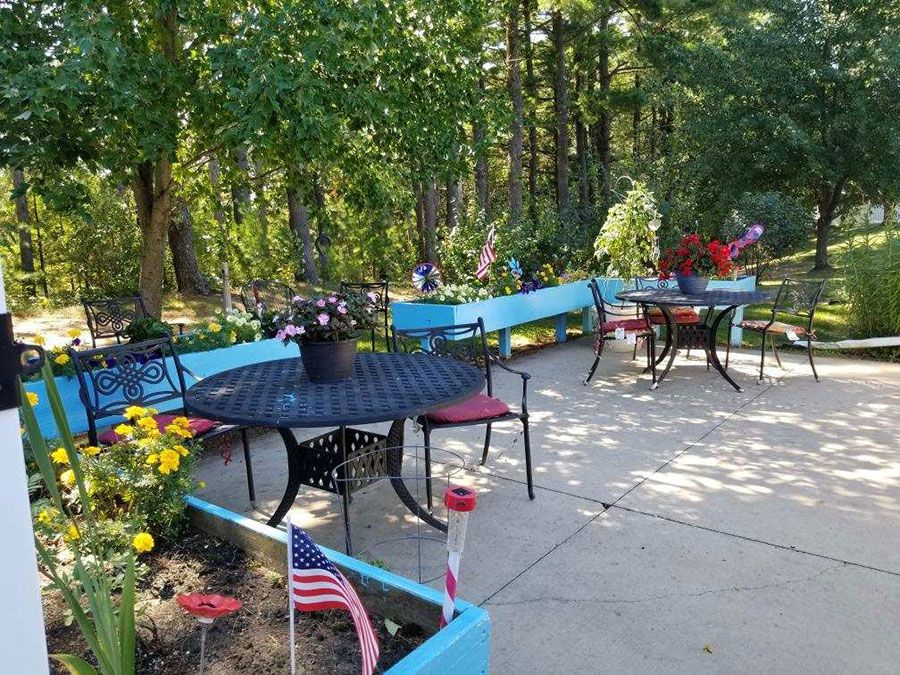
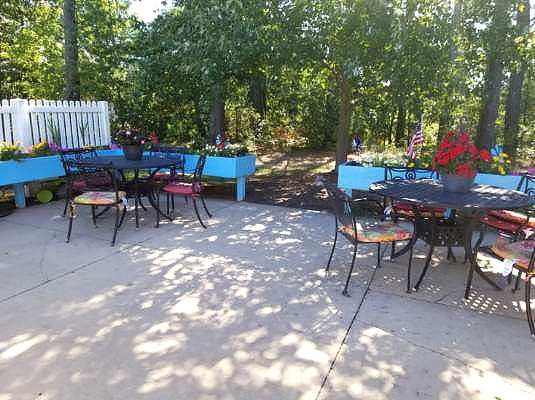
  • Outdoor space Outdoor spaceOutdoor spaces are important for seniors as they provide opportunities for physical activity, social interaction, exposure to natural light and fresh air, and a sense of connection to nature. Having access to outdoor spaces can improve overall well-being and quality of life for older adults living in senior communities.
  • Telephone TelephoneTelephones are important for seniors as they provide a lifeline for communication with loved ones, emergency services, and healthcare providers. They offer a sense of security and independence, enabling seniors to stay connected and access assistance when needed.
  • Wi-Fi/high-speed internet available Wi-Fi/high-speed internet availableWi-Fi/high-speed internet is important for seniors to stay connected with loved ones, access online resources, and participate in virtual activities to combat feelings of loneliness and isolation. It also allows them to easily manage healthcare needs, access entertainment, and engage in lifelong learning opportunities.

Care Services

  • 24-hour call system 24-hour call system24-hour call systems are important for seniors because they provide peace of mind and immediate assistance in case of emergencies. This technology ensures that help is always available, promoting safety and security for elderly individuals living alone or in assisted living facilities.
  • 24-hour supervision 24-hour supervision24-hour supervision is important for seniors to ensure their safety, well-being, and access to immediate assistance in case of emergencies or health issues. This constant support provides peace of mind for both seniors and their loved ones, allowing them to age in place with dignity and security.
  • Activities of daily living assistance Activities of daily living assistanceActivities of daily living assistance are important for seniors because they provide essential support with tasks such as eating, bathing, dressing, and mobility. This assistance helps seniors maintain their independence, dignity, and overall quality of life as they age.
  • Assistance with bathing Assistance with bathingAssistance with bathing is crucial for seniors as it helps maintain personal hygiene, prevents infections, and ensures their overall well-being and comfort. It also provides a sense of dignity and independence for seniors who may struggle with this task on their own.
  • Assistance with dressing Assistance with dressingAssistance with dressing is important for seniors because it helps maintain their independence, promotes personal hygiene, prevents accidents and injuries, and improves overall quality of life. This service ensures that seniors can continue to dress comfortably and confidently, despite any physical limitations they may have.
  • Assistance with transfers Assistance with transfersAssistance with transfers is crucial for seniors as it helps prevent falls and injuries, maintains their independence, and ensures they can safely navigate their living environment. It also provides peace of mind for both seniors and their loved ones.
  • Coordination with health care providers Coordination with health care providersCoordination with health care providers is crucial for seniors to ensure proper medical care, medication management, and overall well-being. This collaboration helps prevent overlapping treatments, track progress more effectively, and provide comprehensive support tailored to individual needs.
  • Dementia waiver Dementia waiverDementia waivers are essential for seniors as they provide critical protections and accommodations for those experiencing cognitive decline. These waivers ensure individuals with dementia receive appropriate care, support, and resources to maintain their quality of life and dignity as they navigate the challenges of this progressive condition.
  • Diabetes diet Diabetes dietA diabetes diet is crucial for seniors as it helps manage blood sugar levels, reduce risks of complications, and improve overall health and well-being. By following a balanced and nutritious diet tailored to their specific needs, seniors can better control their diabetes and enhance their quality of life.
  • Hospice waiver Hospice waiverHospice waivers are important for seniors because they allow individuals to receive specialized end-of-life care and support at home or in a hospice facility. This waiver ensures that seniors can access the necessary resources and services to maintain comfort and dignity during their final days.
  • Meal preparation and service Meal preparation and serviceMeal preparation and service are crucial for seniors as they may have limited mobility or energy to cook nutritious meals. Having access to healthy and convenient food options can ensure they are getting the proper nutrition needed to maintain their overall health and well-being.
  • Medication management Medication managementMedication management is crucial for seniors to ensure they are taking the right medications at the correct dosages and times. This helps prevent adverse drug interactions, reduces the risk of medication errors, and promotes overall health and well-being. Proactive management also allows for adjustments as needed based on changing health conditions or new prescriptions.
  • Mental wellness program Mental wellness programMental wellness programs are essential for seniors as they promote cognitive stimulation, emotional support, and social engagement. These programs help prevent isolation, depression, and cognitive decline, ultimately enhancing the overall quality of life for older adults.
  • Special dietary restrictions Special dietary restrictionsSpecial dietary restrictions are important for seniors because age-related changes in metabolism and health conditions can make it difficult for their bodies to process certain foods. By following a diet tailored to their specific needs, seniors can maintain their overall health and well-being, manage chronic conditions, and reduce the risk of complications such as malnutrition or food interactions with medications.
  • Specialized memory care programming Specialized memory care programmingSpecialized memory care programming is crucial for seniors with cognitive impairments such as dementia or Alzheimer's disease. These programs provide a safe and supportive environment tailored to the unique needs of individuals with memory loss, helping them maintain their independence, dignity, and quality of life.
  • Transportation arrangement (medical) Transportation arrangement (medical)Transportation arrangements for medical purposes are essential for seniors as they may have difficulty driving themselves to appointments or accessing public transportation. Having reliable and safe transportation options ensures that seniors can receive timely medical care and maintain their health and well-being.
  • Transportation to doctors appointments Transportation to doctors appointmentsTransportation to doctors' appointments is crucial for seniors as it ensures they have access to necessary medical care and support for their health needs. Without reliable transportation, seniors may struggle to attend important appointments, leading to potential delays in treatment and health complications. Providing transportation services helps seniors maintain their overall well-being and quality of life.
Dining

  • Diabetes diet Diabetes dietA diabetes diet is crucial for seniors as it helps manage blood sugar levels, reduce risks of complications, and improve overall health and well-being. By following a balanced and nutritious diet tailored to their specific needs, seniors can better control their diabetes and enhance their quality of life.
  • Special dietary restrictions Special dietary restrictionsSpecial dietary restrictions are important for seniors because age-related changes in metabolism and health conditions can make it difficult for their bodies to process certain foods. By following a diet tailored to their specific needs, seniors can maintain their overall health and well-being, manage chronic conditions, and reduce the risk of complications such as malnutrition or food interactions with medications.

Activities

  • Community-sponsored activities Community-sponsored activitiesCommunity-sponsored activities are important for seniors as they provide opportunities for social interaction, mental stimulation, and physical activity. These activities can help improve overall well-being, combat loneliness and isolation, and promote a sense of belonging and purpose among older adults.
  • Scheduled daily activities Scheduled daily activitiesScheduled daily activities are important for seniors because they provide structure, socialization, mental stimulation, and physical activity. Engaging in regular activities can improve overall well-being and quality of life for seniors living in a community setting.

Description

Our House Senior Living in Wisconsin Dells, WI offers exceptional assisted care services in a comfortable and welcoming environment. As a board and care home, we provide personalized care and support to our residents, ensuring their safety and well-being around the clock.

Our community is fully furnished with all the necessary amenities to make our residents feel at home. Each room is equipped with cable or satellite TV, a kitchenette, telephone, Wi-Fi/high-speed internet access, and housekeeping services for their convenience. We also have beautiful outdoor spaces and gardens where residents can enjoy some fresh air and relax.

At Our House Senior Living, we understand that each resident has unique needs and preferences. Our dedicated staff provides assistance with activities of daily living such as bathing, dressing, and transfers. We also offer medication management services to ensure proper administration of medications. In addition, our team collaborates with healthcare providers to coordinate any necessary medical appointments or treatments.

Our dining experience is tailored to accommodate special dietary restrictions, ensuring that every resident receives nutritious meals that meet their specific needs. We offer meal preparation and service as well as options for diabetes diets and specialized memory care programming.

Engagement in daily activities is an integral part of our community's vibrant atmosphere. We provide scheduled daily activities to promote mental wellness and social interactions among residents. Additionally, we arrange transportation for medical appointments through our trusted network of transportation providers.

Within close proximity to our community are various amenities that enhance the lives of our residents. There are cafes, parks, pharmacies, physicians' offices, restaurants, places of worship, and theaters nearby for convenient access to essential services and recreational opportunities.

At Our House Senior Living - Wisconsin Dells Assisted Care in Wisconsin Dells, WI, we strive to create an enriching environment where seniors can receive personalized care while enjoying a fulfilling lifestyle. Contact us today to learn more about how we can meet your loved one's individual needs.

Nearby Places of Interest

Physicians

  • Dean Clinic (1 miles)
  • Waters Integrative Health Center (1.3 miles)
  • Waters Center for Biological Medicine (1.3 miles)
  • Wisconsin Dells Eye Clinic (4.8 miles)
  • Dean Health System (10.4 miles)
  • Baraboo Internal Medicine (10.4 miles)
  • Dean Health Systems (10.4 miles)

Places of Worship

  • Pine Valley Church N (1.2 miles)
  • New Christian Church (2.1 miles)
  • Wels (9.1 miles)
  • Resource Catholic (10 miles)

Pharmacies

  • Health Mart Pharmacy (1.2 miles)
  • Walgreens (2.3 miles)
  • Walmart Pharmacy (4.7 miles)
  • House Of Wellness Pharmacy (6.4 miles)
  • Home Town Pharmacy (10.4 miles)
  • Corner Drug Store (10.4 miles)
  • Walgreens (10.9 miles)

Parks

  • Bowman Park (1.3 miles)
  • Timbavati Wildlife Park (2.2 miles)
  • Kiddy Land (2.6 miles)
  • Mirror Lake State Park (5.9 miles)
  • Man Mound Park (10.6 miles)
  • Lower Narrows State Natural Area (11.1 miles)

Restaurants

  • HuHot Mongolian Grill (1.3 miles)
  • The Keg & Patio (1.6 miles)
  • Kilbourn Cork (1.6 miles)
  • The Vue Waterfront Dining & Bar (1.6 miles)
  • High Rock Cafe (1.6 miles)
  • Monk's Bar & Grill - Wisconsin Dells (1.7 miles)
  • MACS- Macaroni and Cheese Shop (1.7 miles)

Cafes

  • Starbucks (4.4 miles)
  • The Coffee Bean and Tea Leaf (11.1 miles)

Theaters

  • AMC Desert Star 15 (4.5 miles)

Transportation

  • Murphys Taxidermy (7.7 miles)

Hospitals

  • SSM Health Urgent Care (10.5 miles)
  • St Clare Health Care Foundation (10.5 miles)
  • St Clare Hospital (10.5 miles)
  • Therapy Services at SSM Health St. Clare Hospital - Baraboo (10.5 miles)
  • Baraboo VA Outpatient Clinic (10.5 miles)
  • St Clare Center (10.5 miles)

Frequently Asked Questions

What floor plans and room types does Our House Senior Living - Wisconsin Dells Assisted Care offer?
Where is Our House Senior Living - Wisconsin Dells Assisted Care?
What photos are available for Our House Senior Living - Wisconsin Dells Assisted Care in Wisconsin Dells, Wisconsin?

Nearby Communities

  • Our House Senior Living Assisted Care - Wisconsin Dells

    Our House Senior Living Assisted Care - Wisconsin Dells

    Wisconsin Dells, WI

    4.2 from 5 reviews
    $3,200 / month

    pro Engaging activities and outings, friendly staff, and a clean, welcoming environment with a strong memory care focus.

  • Our House Senior Living - Wisconsin Dells Memory Care

    Our House Senior Living - Wisconsin Dells Memory Care

    Wisconsin Dells, WI

    4.2 from 11 reviews
    $3,450 / month

    pro Clean, well-maintained environment with friendly staff and engaging activities.

  • Wisconsin Dells Health Services

    Wisconsin Dells Health Services

    Wisconsin Dells, WI

     
    $6,270 / month

    pro Extensive amenities and care services (restaurant-style dining, wellness programs, beauty salon, fitness room, transportation and 24/7 supervision).

  • Riverwood Senior Living Eagles Nest

    Riverwood Senior Living Eagles Nest

    Wisconsin Dells, WI


    pro Extensive on-site amenities and care services.

  • Riverwood Senior Living

    Riverwood Senior Living

    Wisconsin Dells, WI

    4.8 from 15 reviews
    $5,000 to $6,200 / month

    pro Caring staff in a beautiful, activity-rich setting.

  • Prairie View - AFH

    Prairie View - AFH

    Wisconsin Dells, WI


    pro Fully furnished accommodations with 24-hour supervision and a convenient location near parks, pharmacies, and doctors.

  • Oak Park Place Baraboo Autumn Lane

    Oak Park Place Baraboo Autumn Lane

    Baraboo, WI

    4.8 from 129 reviews
    $5,193 to $5,542 / month

    pro Attentive staff and a lively, hotel-like community with engaging activities.

  • Oak Grove Assisted Care

    Oak Grove Assisted Care

    Necedah, WI

    4.1 from 9 reviews
    $1,250 to $1,750 / month

    pro Spacious apartments with comprehensive on-site amenities and attentive staff.

  • Serenity Homes

    Serenity Homes

    Windsor, WI

    3.8 from 10 reviews
    $3,400 / month

    pro Strong community feel with friendly, informative staff and spacious, well-maintained rooms.

Related Resources

  • assisted living vs nursing homeChoosing the Right Senior Care: A Detailed Exploration of Assisted Living and Nursing Homes

    Choosing between assisted living and nursing homes involves evaluating emotional and financial factors, with assisted living offering independence and support for daily activities at a lower cost, while nursing homes provide intensive medical care for individuals with significant health needs. The decision is influenced by personal preferences, health status, cognitive function, and varying Medicaid coverage across states.

  • assisted living costUnderstanding the True Cost of Assisted Living in 2025: A Comprehensive Guide

    Assisted living in 2025 offers a crucial balance of independence and support for seniors, with costs varying from $2,500 to over $7,000 per month based on factors such as location and care level. Understanding pricing complexities, including regional differences and potential hidden fees, is essential for families to plan financially while ensuring quality care for their loved ones.

  • does medicaid pay for assisted livingUnderstanding Medicaid Coverage for Assisted Living: A Comprehensive Guide
    The guide outlines the complexities of Medicaid coverage for assisted living, highlighting significant state-to-state variations, limited coverage often restricted to personal care services, and the existence of specialized waivers for certain needs like memory care. It advises families to consult local Medicaid offices for options while emphasizing the importance of understanding state-specific regulations and facility policies.