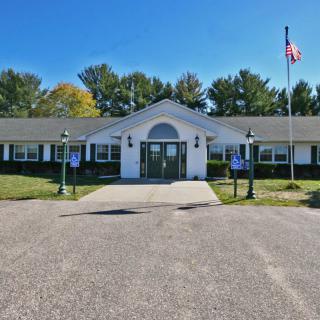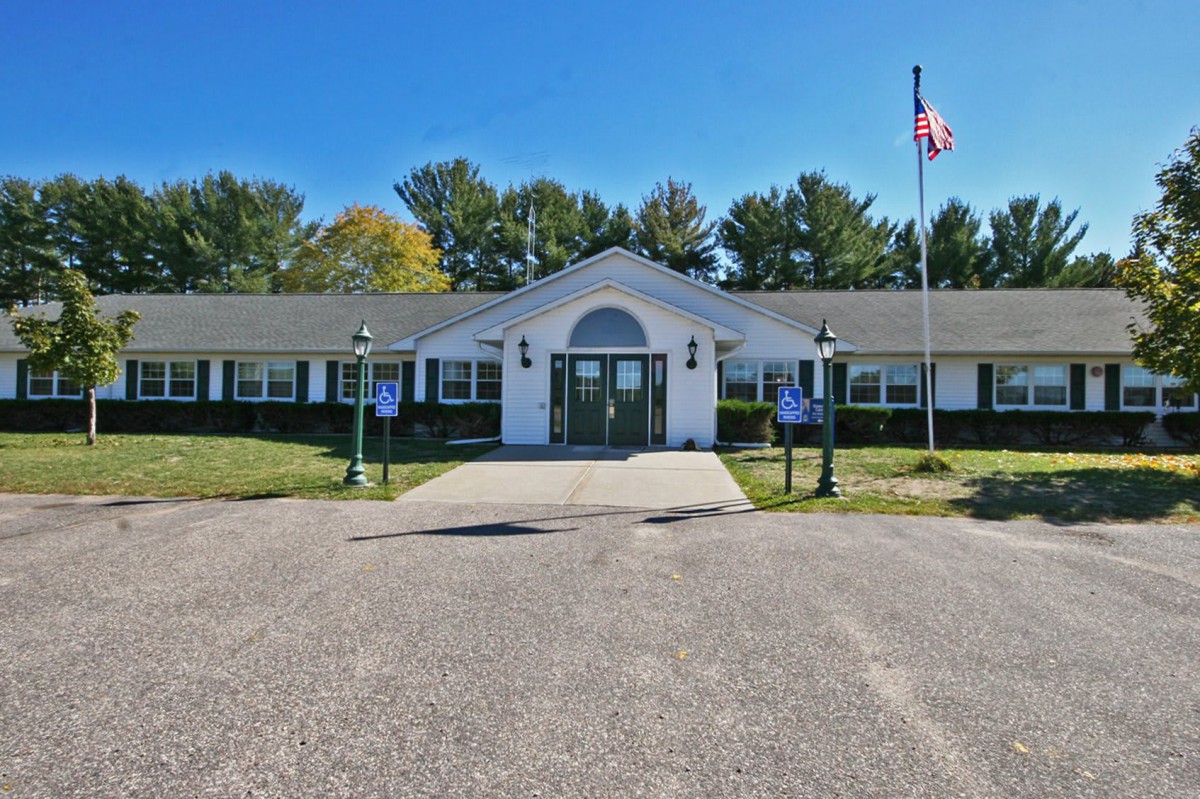

1954 State Highway 23, Wisconsin Dells, WI 53965
To contact a resident: (608) 253-3404
For more information about senior living options: (866) 208-4318
Our House Senior Living Assisted Care - Wisconsin Dells Costs & Pricing
At Our House Senior Living Assisted Care in Wisconsin Dells, monthly costs for a studio room are competitively priced at $3,200. This rate is notably lower than the average monthly cost of $3,573 for similar accommodations in Sauk County and significantly below the state average of $3,999 across Wisconsin. This positioning not only offers residents an affordable option for assisted living but also reflects a commitment to providing quality care within a welcoming environment. Overall, Our House delivers valuable services that cater to the needs of seniors while ensuring peace of mind for their families.
| Floor plans | Our House Senior Living Assisted Care - Wisconsin Dells | Sauk County | Wisconsin |
|---|---|---|---|
| Studio | $3,200 | $3,573 | $3,999 |
Assisted Living communities with a similar price nearby
-
from +$350 / mo
Our House Senior Living Assisted Care - Lodi
$3,550 / month24.4 miles away -
from +$100 / mo
Heritage House Of Portage
$3,300 / month14.1 miles away -
About the same
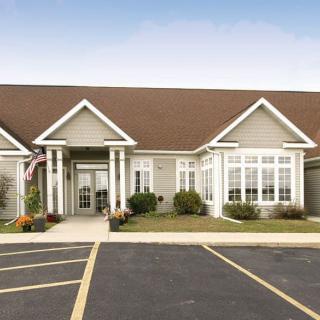
Our House Senior Living Assisted Care - Portage
$3,275 / month14.2 miles away -
About the same
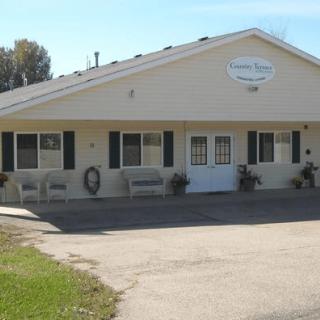
The Ohana House
$3,150 to $4,095 / month23.5 miles away -
from +$250 / mo
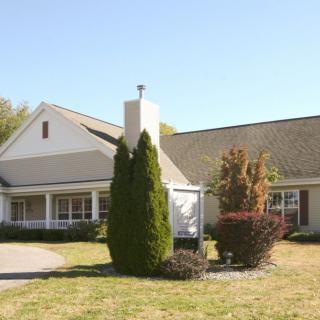
Our House Senior Living - Baraboo Assisted Care
$3,450 / month10.8 miles away
Overall Review of Our House Senior Living Assisted Care - Wisconsin Dells
Pros
 The facility offers lots of activities, including offsite outings, and fosters community involvement.
- It is spotlessly clean with a friendly atmosphere among residents and staff.
- Memory Care and Assisted Care are housed in side-by-side buildings, facilitating coordinated care.
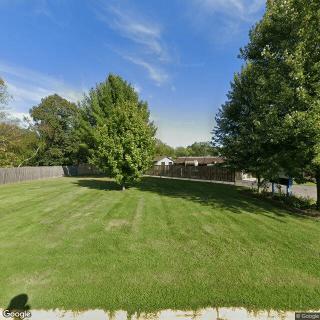
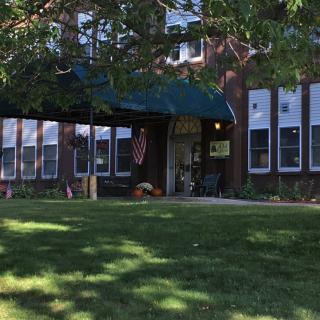
- The grounds feature lovely landscaping with lots of flowers.
- Maintenance and upkeep are very good.
- The meals look and smell great, and the open kitchen adds to the positive dining experience.
Cons
 The facility is described as dilapidated and poorly maintained.
- It is stated to be short-staffed and unprofessional.
- Most tenants spend their days in their rooms awaiting death.
- There are no physical therapists, no regular hair salon, minimal physical activity, and no optometrists.
- The food is barely edible and there is no fresh-prepared dinner service.
- It is referred to as a dilapidated short-term “way station for death.”
Review
This community is best suited for active seniors who want a clean, socially engaged campus where memory care and assisted living sit in close proximity and daily life centers on structured activities and interpersonal warmth. Families seeking a bright, well-maintained environment with frequent outings, community involvement, and a visible emphasis on dining atmosphere will find this Wisconsin Dells campus appealing. It works particularly well for residents who value convenience, the ability to move between memory care and assisted living without a long transition, and who want a campus that feels welcoming, with landscaped grounds and a transparent kitchen.
Alternatives should be considered for families prioritizing intensive on-site rehabilitation, medical oversight, and highly consistent staffing. The most notable red flag in the mix is the possibility of insufficient therapy services and limited on-site medical supports as described by a critical voice in the reviews. If a resident requires regular physical therapy, occupational therapy, optometric care, or frequent access to skilled nursing, other facilities with robust rehabilitation programs and longer track records of staffing stability may be more reliable. Similarly, for families who place a premium on consistently high dining quality and routine, predictable service, it’s prudent to compare options with well-documented, ongoing in-house therapy and nutrition programs.
On the positive side, the strongest attributes are undeniable. The property earns praise for being spotless and well maintained, with a friendly, engaged mix of residents and staff. A broad slate of activities, especially offsite excursions, and clear opportunities for community involvement create a lifelike, participatory daily rhythm. The layout, memory care and assisted care housed in adjacent buildings, supports seamless transitions and continuity of care, a practical advantage for families navigating changing needs. The campus atmosphere, including landscaping, open-kitchen dining, and consistent maintenance, contributes to an inviting sense of normalcy and pride in where residents live.
Yet a single, sharply critical review cannot be dismissed. It portrays a dilapidated setting, short-staffing, and a lack of essential services, no physical therapy, no regular hair salon, minimal activities, and limited on-site specialists. If such conditions were representative, they would dramatically diminish quality of life and undermine safety. The tension between the glowing testimonials and this stark warning demands careful verification. Prospective families should probe staffing levels, confirm the availability of rehab services, and verify what is truly offered in terms of therapy, optometry, dental/eye care, and beauty services before making a decision.
Those evaluating the community should use a practical, action-oriented approach. Schedule a tour focused on the specific needs of the prospective resident: ask to meet the therapy team, review typical weekly activity calendars, and request a sample dining menu to assess freshness and variety. Inquire about staff-to-resident ratios at different shifts, response times for call bells, and transparency around maintenance requests. Observe interactions between staff and residents, note the ease of navigation for memory care residents, and assess the accessibility of common spaces. Request recent inspection or licensing reports and, if possible, speak with current families about ongoing satisfaction and responsiveness.
In the end, this Wisconsin Dells campus offers a compelling blend of cleanliness, engagement, and a thoughtful campus layout that supports memory care alongside assisted living. It is a strong choice for families prioritizing social vitality, a pleasant living environment, and a transparent kitchen/dining experience. However, for residents whose needs hinge on robust on-site rehabilitation, comprehensive medical oversight, or consistently high staffing levels, alternatives with verifiable, ongoing rehab services and broader medical supports should be explored. The decision should hinge on matching the resident’s rehab needs and medical expectations to what the community can reliably deliver, backed by firsthand tours and candid conversations with staff and current residents.
 Assisted Living
 Cats allowed
 Dogs allowed
 Activities off-site
 Bath tubs
 Beautician on-site
 Devotional services off-site
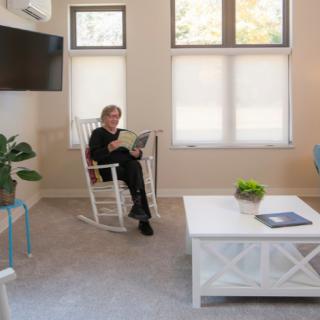
 Indoor common areas
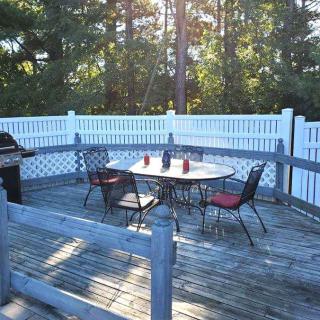
 Outdoor common areas
 Respite or short term stays offered
 Wheelchair accessible showers
 Ambulatory care
 Diabetic care
 Incontinence care
 Medication management
 Meals provided
 Birthday parties
 Happy hour
 Live dance or theater performances
 Live musical performances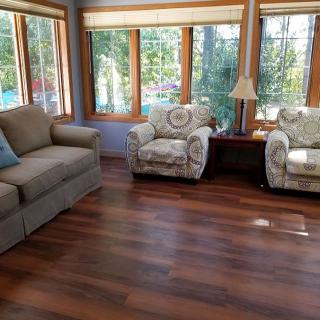


 8 Key Indicators That Suggest It May Be Time to Transition from Assisted Living to Skilled Nursing Care
 Vibrant Senior Living: A Comprehensive Guide for Active Older Adults
 When to Transition from Assisted Living to Memory Care: Key Indicators, Steps, and Finding the Right Community