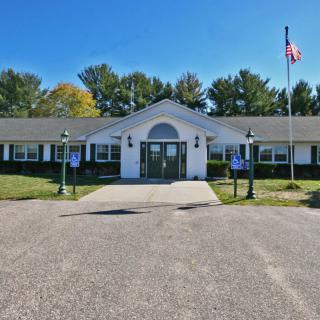
1950 State Road 23, Wisconsin Dells, WI 53965
For more information about senior living options: (866) 208-4318
Our House Senior Living - Wisconsin Dells Memory Care Costs & Pricing
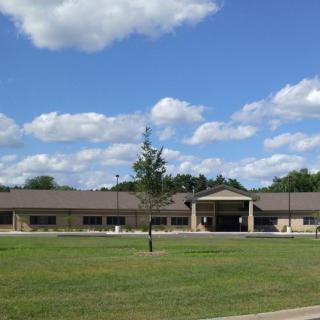
Our House Senior Living - Wisconsin Dells Memory Care offers a monthly rate of $3,450 for a one-bedroom suite, placing it above the average cost in Sauk County, which is approximately $2,620. When compared to the broader state average of around $3,412 for similar memory care facilities in Wisconsin, Our House's pricing reflects its specialized services and commitment to high-quality care tailored for individuals with memory-related challenges. While it is slightly higher than both the county and state averages, this investment arguably aligns with the enhanced support and enriched environment that residents can expect at this facility.
| Floor plans | Our House Senior Living - Wisconsin Dells Memory Care | Sauk County | Wisconsin |
|---|---|---|---|
| 1 Bedroom | $3,450 | $2,620 | $3,412 |
Memory care communities with a similar price nearby
-
from -$175 / mo
Our House Senior Living Assisted Care - Portage
$3,275 / month14.2 miles away -
from -$300 / mo
The Ohana House
$3,150 to $4,095 / month23.6 miles away -
from +$545 / mo
Hamilton Park Place
$3,995 / month15.3 miles away -
from +$550 / mo

Haven Hills
$4,000 / month24.3 miles away -
from +$400 / mo
Tivoli At Divine Savior Healthcare
$3,850 to $7,870 / month14.7 miles away
Overall Review of Our House Senior Living - Wisconsin Dells Memory Care
Pros
 The staff were nice and communicated very well.
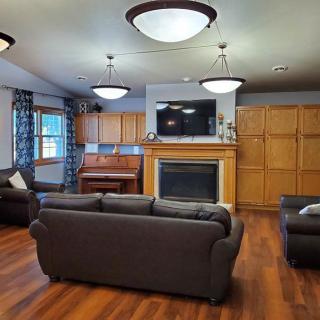
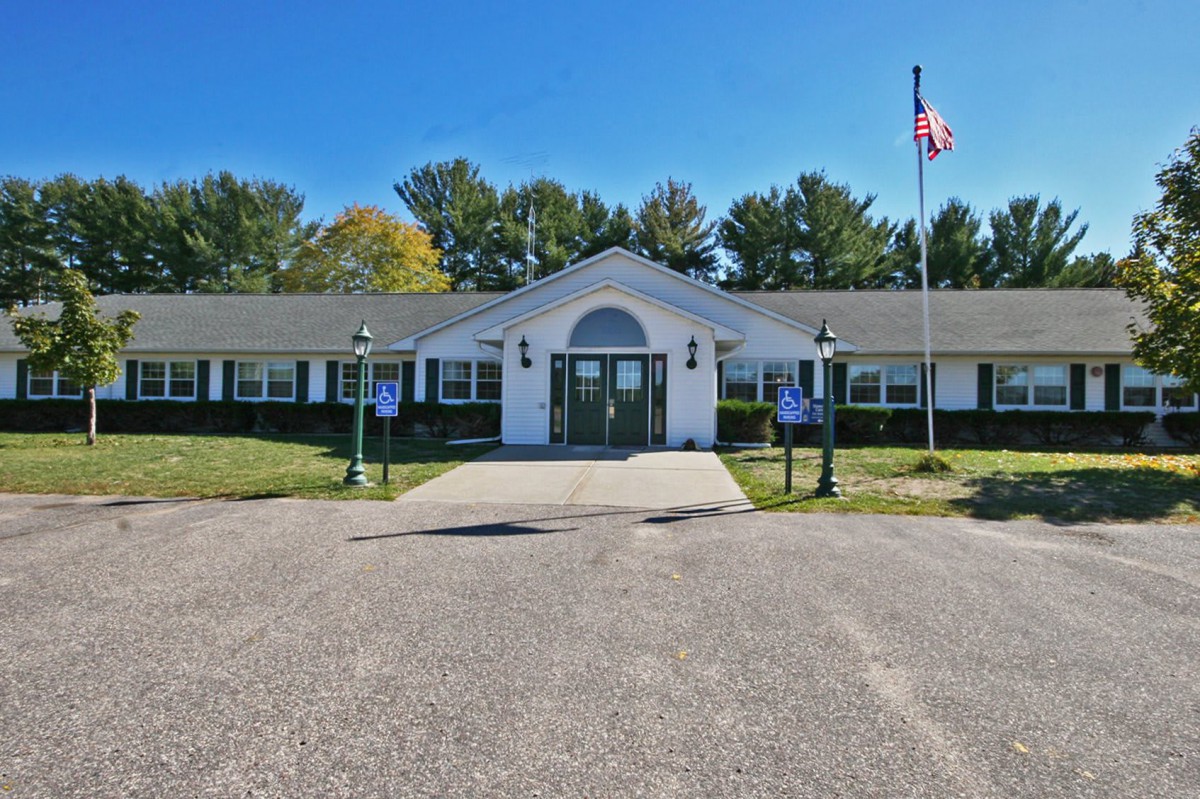
 - The facility was well kept and seemed cozy.
- They took good care of residents with dementia.
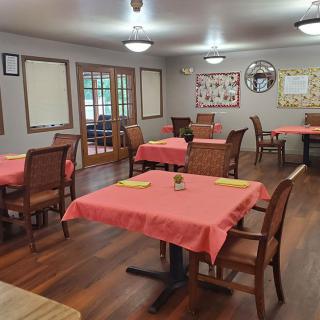
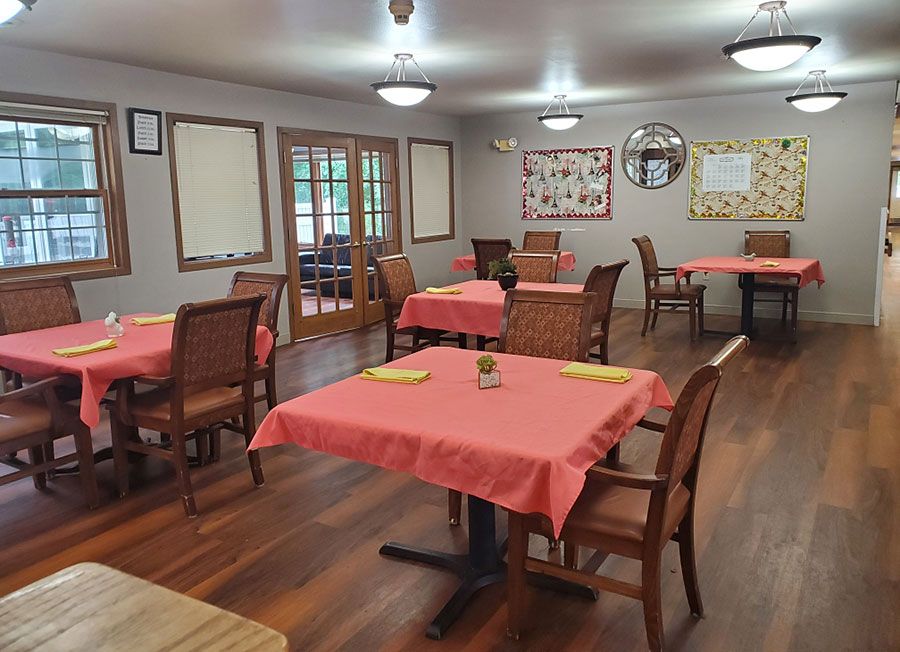
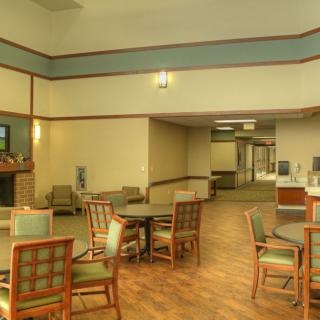
- The dining room was well kept and open for games and activities.
- Memory care staff spent time with families, answering questions and giving tours, which impressed them with their knowledge and enthusiasm.
- The housekeeping maintains the community and the rooms clean.
- The facility offers various activities, and residents have been engaging in them and making new friends.
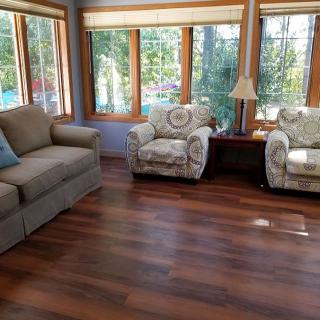
- The rooms are large and spacious, and the facility includes amenities like a barber shop.
Cons
 The facility smelled worse with each visit.
- There was no observable one-on-one care or attempts to meet residents’ needs.
- No activities or interactions with residents were observed.
- The sister’s room and clothing were in disarray, with dirty laundry baskets, only one sock, and dresser contents that were not folded and mostly not hers.
- Family pictures were missing.
- The reviewer felt heartbroken seeing the sister treated this way.
- Overall, the care observed was not impressive.
Review
This community is best suited for families seeking memory-care that prioritizes around-the-clock staffing, predictable routines, and opportunities for social engagement at a reasonable price. It is a good fit for residents who need daily meals, medication support, and help with personal care, while still wanting a homey dining area, accessible amenities, and staff who communicate with families. The setting tends to appeal to caregivers who value transparency from staff and a schedule of activities designed to keep residents connected, with the understanding that there can be fluctuation from shift to shift.
Those who may want to consider alternatives include families for whom spotless cleanliness and meticulous organization are non-negotiable. Several reviews flag issues with room upkeep, clothing, and odors on repeated visits, which can erode trust and raise concerns about daily oversight. If a resident requires highly personalized, one-on-one engagement every day or needs a more intensive, consistently structured activity program, other communities with a stronger emphasis on individualized engagement and tighter housekeeping might be a better match. Distance or drive time can also tip the balance for families who need frequent in-person check-ins or drop-in visits.
The strongest pros center on a capable memory-care focus: staff who appear friendly and communicative, a sense of safety from around-the-clock presence, and meals that accommodate preferences. Families repeatedly note that caregivers attempt to meet needs, that housekeeping is generally tasked with keeping the environment clean, and that the dining room feels welcoming for meals and social time. Activities are described as varied and ongoing, with occasions such as games and themed events that invite residents to participate. The facility also benefits from having amenities like a barber shop and a homey dining area, which contribute to a sense of normalcy and comfort for residents.
However, the main cons recurred enough to demand close scrutiny. Reports of residents sleeping in others’ rooms, mishandled clothing and belongings, and missing family pictures point to gaps in daily oversight and room-to-room organization. Some reviews describe a lack of visible interaction or structured, day-to-day engagement with residents, which can undermine the intended dementia-care model. While positive experiences are still present, especially around intake conversations, staff attentiveness, and the perceived value of care when hospice partners are involved, these issues suggest variability in daily operations and a potential risk of inconsistent quality.
Practically, families should use the tour as a diagnostic tool: observe housekeeping practices, listen for how staff communicate with residents, and ask to review care plans, incident logs, and activity schedules. Inquire specifically about one-on-one supervision, how belongings and personal items are tracked, and what steps are taken when a resident appears unsettled or disoriented. Confirm how often activities are offered, whether there is an Activities Director visible on a daily basis, and how the community handles weekends or holiday programming. A frank discussion about expectations and a request to meet direct care staff during a shift can reveal whether the claimed strengths translate into everyday life.
Overall, this Wisconsin Dells memory-care option presents a solid, cost-conscious choice for families who value safety, 24/7 presence, and a programmatic framework of meals and activities. Its best-case scenario is a resident who benefits from steady staff support and a community that delivers consistent communication to families. The warning signs, documented lapses in cleanliness, disorganization in rooms, and uneven daily engagement, mean that due diligence is essential. If those concerns can be addressed through proactive oversight and a clear plan for ongoing monitoring, the decision-making calculus tilts strongly in favor of this community. If not, alternatives with more stringent housekeeping standards and more uniform daily programming should be pursued.
 20 resident community capacity
 1-bedroom apartments
 Assisted Living
 Board and Care Home
 Memory Care
 Cats allowed
 Dogs allowed
 Activities off-site
 Beautician on-site
 Cable or satellite TV
 Devotional services off-site
 Dining room
 Fully furnished
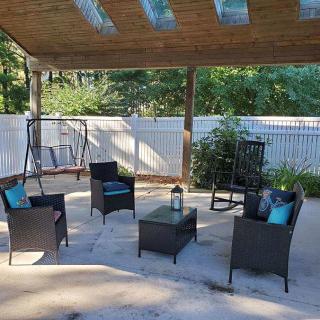
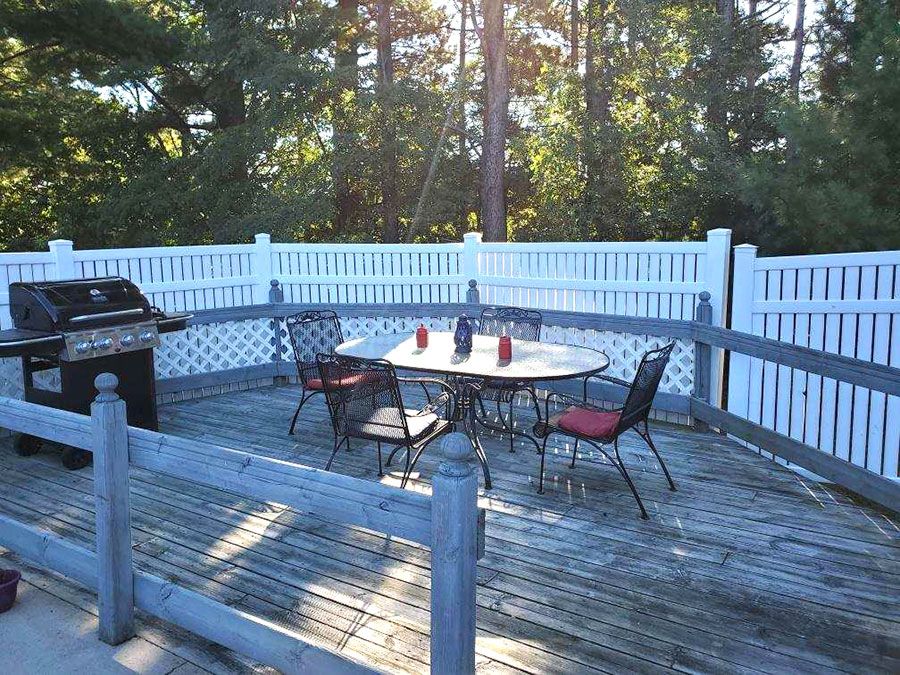
 Garden
 Housekeeping services
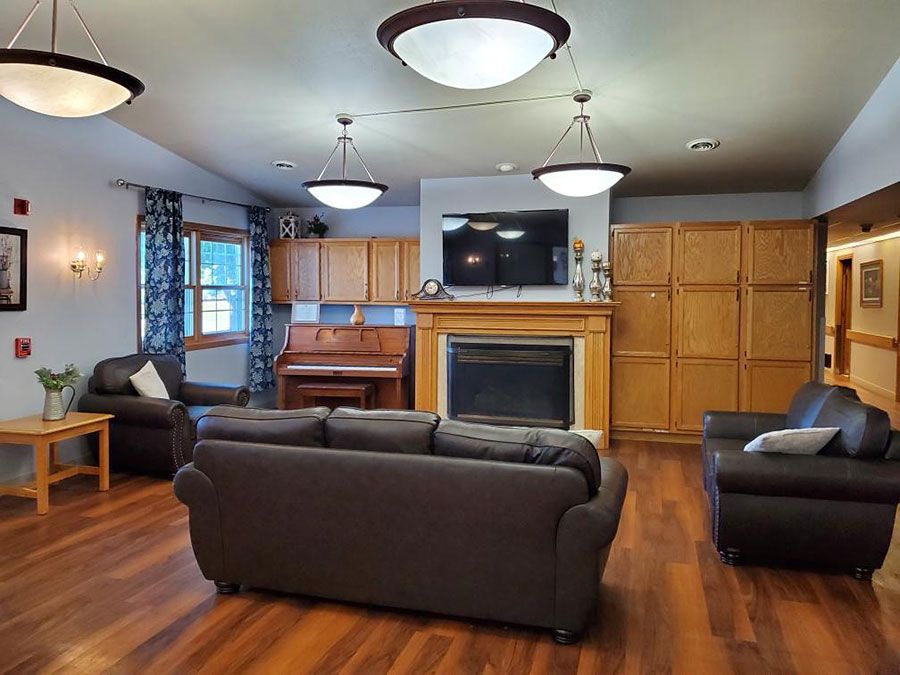
 Indoor common areas
 Kitchenette
 Move-in coordination
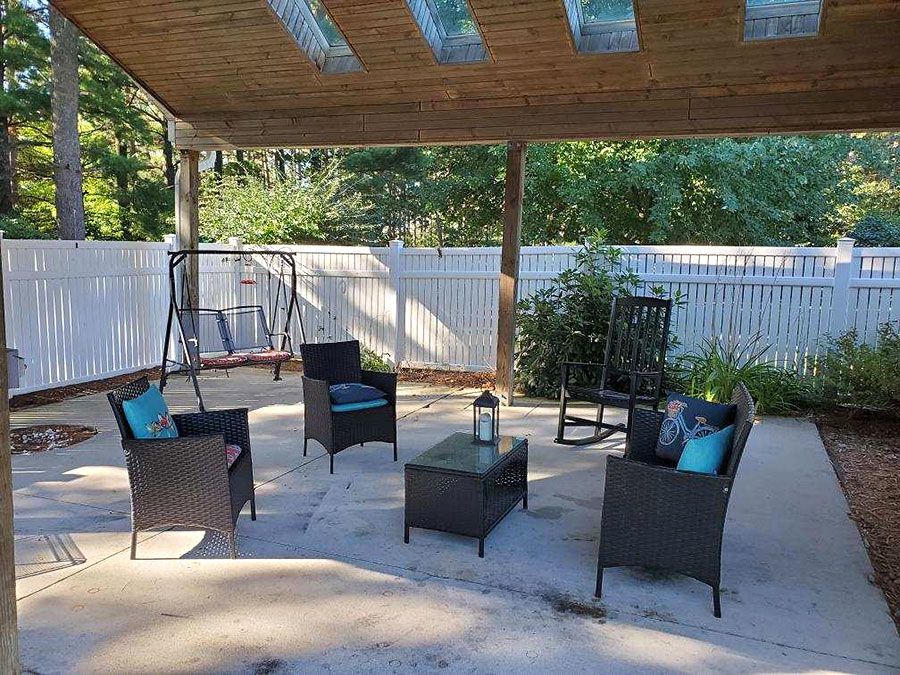
 Outdoor common areas
 Respite or short term stays offered
 Telephone
 Wheelchair accessible showers
 Wi-Fi/high-speed internet available
 24-hour call system
 Assistance with bathing
 Assistance with dressing
 Assistance with transfers
 Diabetes diet
 Diabetic care
 Hospice waiver
 Incontinence care
 Meal preparation and service
 Medication management
 Mental wellness program
 Special dietary restrictions
 Transportation arrangement (medical)
 Transportation to doctors appointments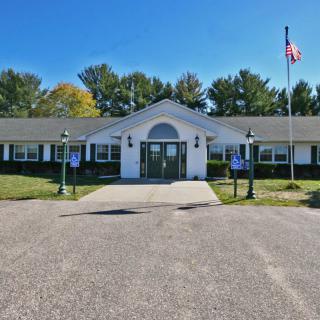



 Delirium and Dementia: Unraveling the Key Differences
 Are Dementia and Alzheimer's Disease Lethal? A Comprehensive Exploration
 Exploring the Power of Reminiscence Therapy for Individuals With Dementia