
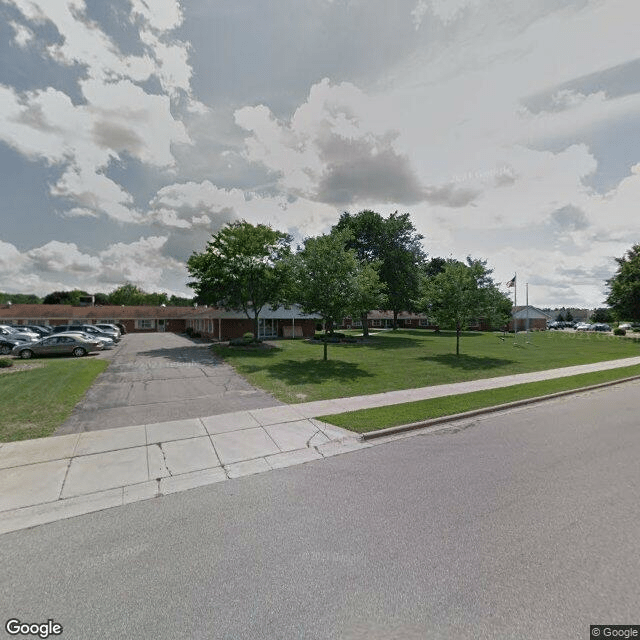
1436 S Lincoln Street, Shawano, WI 54166
To contact a resident: (715) 526-6111
For more information about senior living options: (866) 208-4318
Overall Review of Heartland Health Care Ctr
Pros
 They thanked the Shawano Health Services staff for their professional treatment, which helped start them on the path to recovery.
- They were treated with care and kindness while maintaining their dignity.
- They enjoyed the food and found companionship with other residents at supper.
- The staff worked with the family toward the goal of going home.
- They appreciated staff accommodations, such as arranging a room change to improve comfort and safety.
- They felt the staff’s overall professionalism supported the recovery process.
Cons
 The mom would not recommend the facility.
- Most of the nursing staff were rude and did not want to do their jobs.
- Help took too long to arrive after she rang the buzzer.
- They did not change her dressing on her right leg when they should have, and when they did, it was not done properly.
- They over-charted her food intake and gave her too much diabetic insulin, nearly causing a diabetic coma.
- The bill did not specify what it was for or when it was from.
- The business office manager was extremely rude and would disconnect calls without notice.
- The facility was dark, dank, and musty, and the CNAs/LPNs were inattentive.
Review
Heartland Health Care Center in Shawano is best suited for families seeking short-term, goal-oriented rehabilitation where there is a strong expectation of moving a loved one toward home. When the primary aim is to regain mobility and independence with structured therapy, this facility can deliver progress, especially for residents who respond to daily rehab routines and can tolerate variability in bedside care. The strongest case is made by those who prioritize an active rehab program and are nearby enough to stay involved, leveraging family oversight to ensure therapy goals translate into real-world gains.
That said, this community is not the right fit for anyone relying on consistently attentive, high-safety nursing care. Families should consider alternatives if a loved one requires reliable, immediate response to call bells, stable medication management, or consistently calm, respectful bedside interactions. Several reviews describe long wait times for assistance, problematic bedside communication, and staff turnover that undermines continuity of care. For residents with high acuity needs, cognitive impairment, or a history of medication errors, the risk calculus tips toward other options.
On the upside, multiple accounts highlight meaningful rehabilitation engagement and tangible improvements. In several cases, residents moved along faster than expected after a week or two, with caregivers who treated the person with dignity and encouragement. Positive notes about food, social interactions at meals, and opportunities to share a room or find companionship suggest contagious morale when the therapy team is steady and the environment supports routine participation. For families chasing a clear rehab trajectory toward home, these elements can offset some frustration with staffing gaps.
The cons, however, are hard to ignore. The most recurrent, hard-hitting concerns involve responsiveness and safety: call bells sometimes go unanswered for extended periods, and crucial tasks, like wound care or airway and respiratory support when needed, can be delayed. Complaints about rude administrative interactions, miscommunication around billing, and inconsistent bedside care paint a picture of a facility where patient experience hinges on luck and the specific shift. Several graphic accounts describe equipment and setup issues, such as bed availability and room-sharing dynamics that complicate rest and recovery, along with environmental factors described as dark or musty by new entrants.
When weighing pros against these cons, the rehab potential appears to offset only a portion of the risk. For a clearly defined, time-limited rehab stay with a hands-on family member supervising the plan, the positive rehab momentum and professional conduct seen in some teams can produce meaningful gains. But this offset fades quickly for those with ongoing medical complexity, where medication safety, urgent response to distress, and consistent compassionate care are nonnegotiable. The more troubling narratives, ranging from near-miss medication incidents to delayed response during chest pains, signal serious safety red flags that cannot be ignored by any family making a long-term placement decision.
The bottom line is practical and directive: consider Heartland Health Care Center if the priority is a structured rehab pathway with meaningful therapy access and you can commit to active family involvement in care planning and monitoring. Require a detailed, written care plan with explicit medication oversight, daily nurse check-ins, and hold-the-line expectations for response times. If those assurances cannot be secured, or if the loved one’s needs extend beyond rehab into everyday skilled nursing with dependable, compassionate bedside care, pursue alternatives. Strong contenders are facilities with consistently praised front-line care, transparent administrative communication, and a proven track record of rapid response to call bells, attributes that appear inconsistent here despite the positive rehab anecdotes.
 Skilled Nursing Facility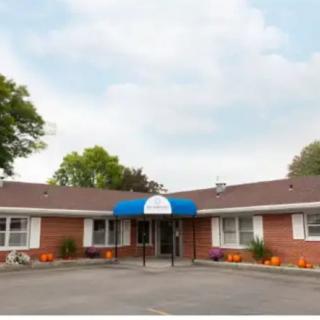


 In-Depth Look at the VA Aid and Attendance Program
 Nurturing Our Loved Ones: A Daughter's Journey in Caring for Her Mother
 Nurturing Our Elders: Linda's Journey of Supporting Her Mother