

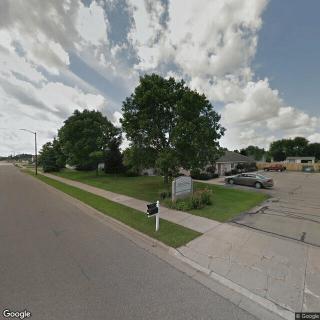
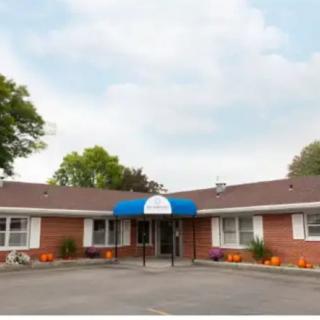
N4231 State Highway 22, Shawano, WI 54166
For more information about senior living options: (866) 208-4318

Overall Review of Atrium Post Acute Care Of Shawano At Maple Lane
Pros
 The staff are pleasant and helpful.
- The residents seem well taken care of and happy.
- Great caring staff.
- The facility is clean and the staff are friendly.
- Seniors are well taken care of here.
- There are nice people.
Cons
 A staff member acted like they had better things to do than help residents and even complained about a resident, which was unprofessional.
- There were many standards broken, leaving the reviewer unhappy.
- The grandfather did not receive proper care; he fell 12 times in five days, was never rehabilitated as expected, and sustained a femur fracture due to neglect.
- A loved one fell victim to neglect and abuse at the facility, and the reviewer would not recommend it.
- The social worker caused more harm than good and created roadblocks, adding stress to an already difficult situation.
- Residents receive cold food and cold coffee, wait long in the cafe for meals, and are sometimes left in soiled clothing.
- The facility is severely understaffed and assigns too heavy a workload, leaving little time to talk with patients.
- A dying resident was spoken about as if he would die soon, in front of him, illustrating the poor environment.
- The reviewer believes the place should be shut down.
Review
Atrium Post Acute Care Of Shawano At Maple Lane is best suited for families that value a warm, personable staff and a clean, agreeable daily environment and are prepared to stay actively involved in oversight. The strongest selling points cited across multiple reviews are the friendly, courteous demeanor of many caregivers and a facility that generally feels tidy and organized. For families navigating post-hospital recovery or short-term stays where daily interactions and general comfort matter, this setting can feel welcoming and approachable. However, these positives exist alongside troubling reports that care quality can be uneven, safety concerns linger, and accountability can be inconsistent. Those needing highly predictable rehab outcomes, rigorous safety monitoring, or robust memory-care governance should seriously consider alternatives.
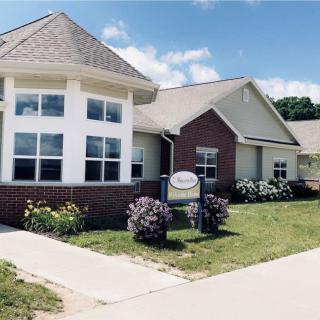
The pros center on human touch and day‑to‑day livability. Several reviews describe staff as pleasant and helpful, and the residents are portrayed as being well taken care of when attention is available. A clean facility with well-maintained spaces supports comfort and dignity, and where caregivers engage with residents in a respectful manner, residents experience meaningful, everyday relief from anxiety and confusion. For families, that approachable, friendly atmosphere can reduce the stress of placement and provide reassurance that their loved ones are treated with kindness in the moments when care is delivered. These factors matter, especially for residents who thrive on routine, companionship, and consistent daily interactions.
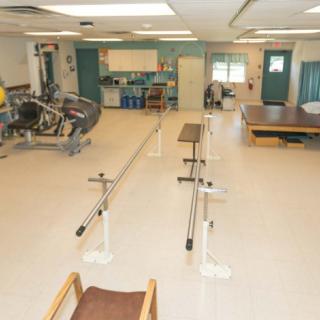
The flip side is substantial and cannot be ignored. Multiple accounts allege broken standards and neglect, including serious injuries that allegedly followed inadequate rehab and supervision. One review describes a history of multiple falls without appropriate rehabilitation, culminating in a fracture that surgeons attributed to neglect rather than a simple accident. Other messages describe neglect and abuse concerns, with residents reported as not receiving timely attention or being left in soiled conditions. Complaints extend to social-work support, with claims that family‑facing coordination and problem solving have caused more stress than relief. Under-staffing and heavy workloads amplify these issues, leading to long waits for meals and limited opportunities for meaningful interactions.
When weighing what this community offers against the downsides, the positives can mitigate some discomfort but do not fully offset the most serious risks. The warmth of staff and the clean, orderly environment are tangible benefits, yet they can feel hollow if safety lapses and inconsistent rehab efforts persist. For families who can maintain a vigilant, hands‑on approach, asking pointed questions, reviewing incident reports, and insisting on clear, written care plans, the facility may function as a workable short-term solution. However, for residents with higher care needs, memory-care challenges, or a history of falls and injury, the risk profile suggests that more rigorously governed options may be a wiser choice.
If this option is under serious consideration, concrete steps are essential. Schedule meetings with the administrator and the head nurse to map out staffing patterns, fall-prevention measures, and rehab protocols. Request copies of recent incident reports, care plans, and rehabilitation progress notes, and ask how social-work support is structured to minimize stress for families. Visit at different times of day to observe staffing levels, meal service, and response times, and talk with current residents and families about consistency of care. Have a clear plan for escalation when concerns arise and verify that there is a transparent process for reporting and addressing complaints.
Bottom line: Atrium Maple Lane offers a cautiously optimistic environment in which warmth, attentiveness, and cleanliness can create real comfort for many residents. Yet the weight of neglect and safety concerns raised in the reviews is not trivial and should be a major factor in decision-making, especially for those with significant rehab needs or memory-care requirements. Families with a higher tolerance for ongoing oversight and a proactive care plan may find value here, but those seeking rock-solid safety, consistent rehabilitation outcomes, and dependable advocacy should consider alternatives and compare options with those criteria in mind.
 66 resident community capacity
 Skilled Nursing Facility
 Air-conditioning
 Beauty salon
 Cable or satellite TV
 Computer center
 Dining room
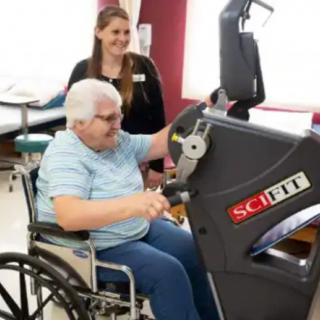
 Fitness room
 Fully furnished
 Gaming room
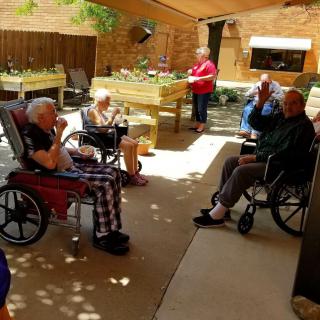
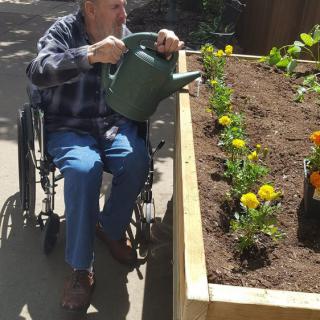
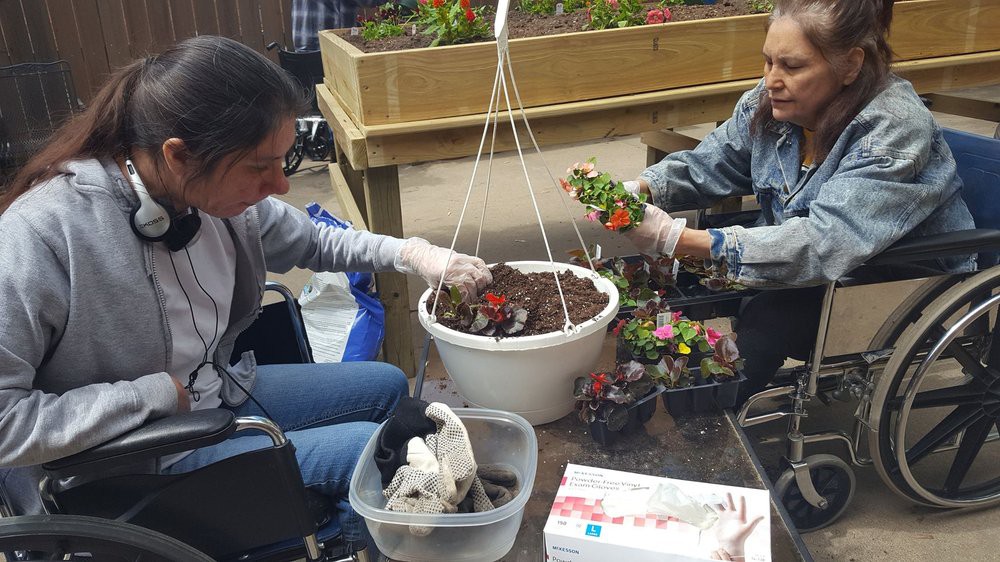
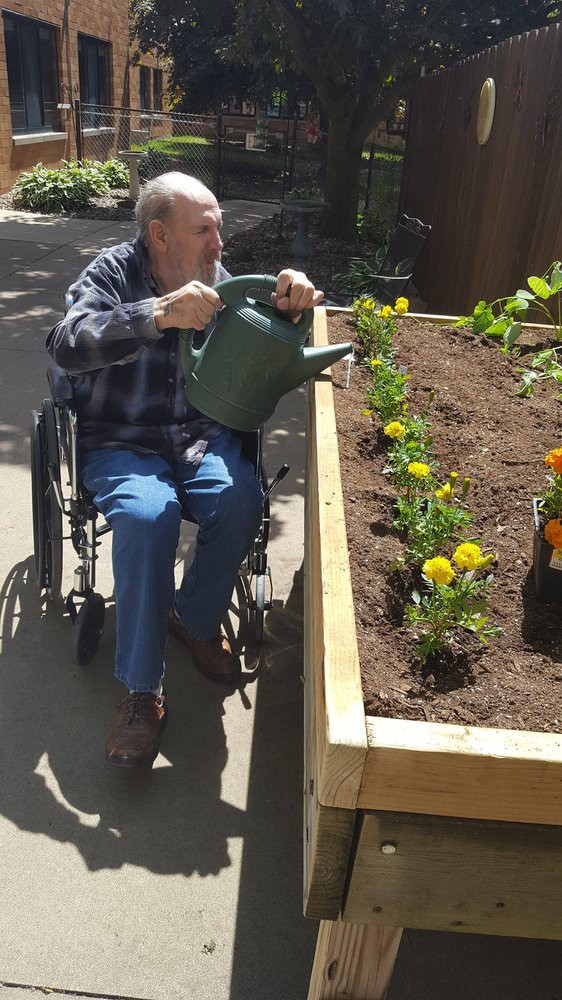
 Garden
 Housekeeping services
 Kitchenette
 Move-in coordination
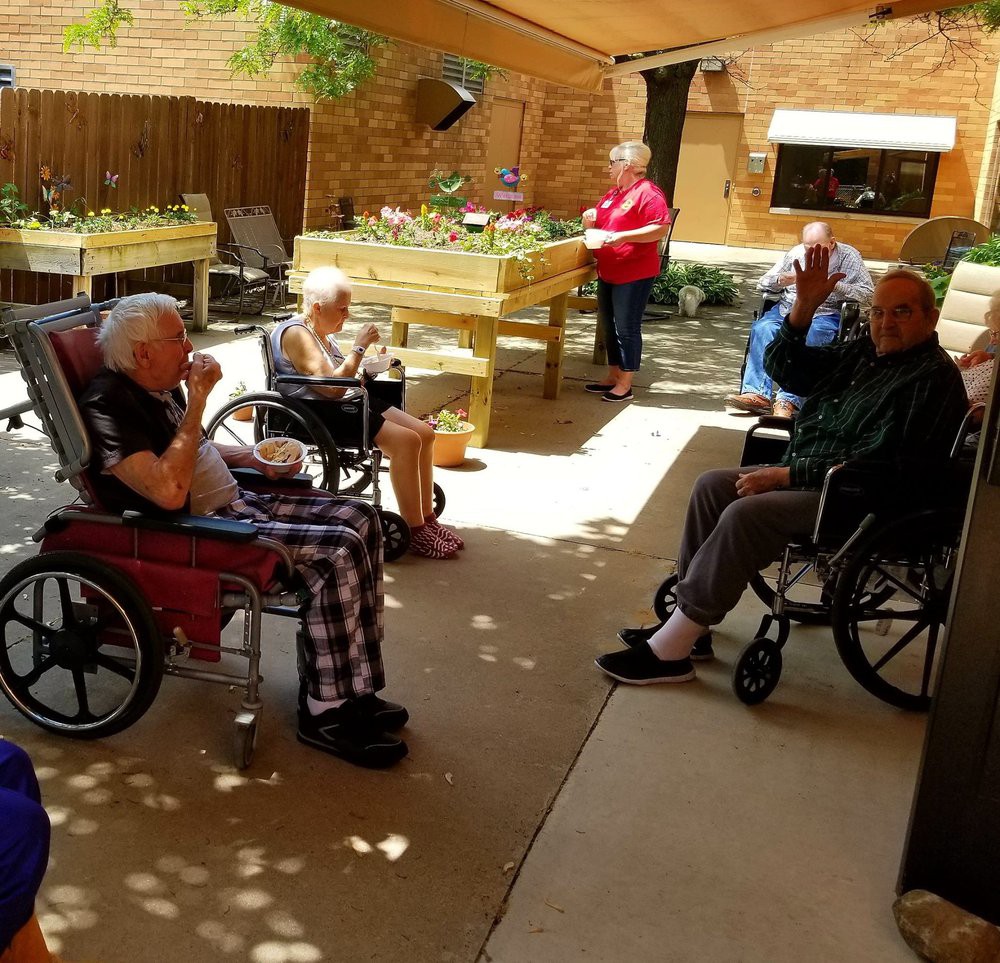
 Outdoor space
 Private bathrooms
 Restaurant-style dining
 Small library
 Telephone
 Wellness center
 Wi-Fi/high-speed internet available
 Community operated transportation
 12-16 hour nursing
 24-hour call system
 Activities of daily living assistance
 Assistance with bathing
 Assistance with dressing
 Assistance with transfers
 Diabetes diet
 Medication management
 Mental wellness program
 Special dietary restrictions
 Concierge services
 Planned day trips

 Ten Vital Duties of a Senior Caregiver: A Comprehensive Guide
 9 Stimulating Memory Activities for Seniors: Puzzles, Cards, and Much More
 Managing Nursing Home Expenses After Medicare Coverage Ends