
Friendly Village Nursing And Rehab Center

Save

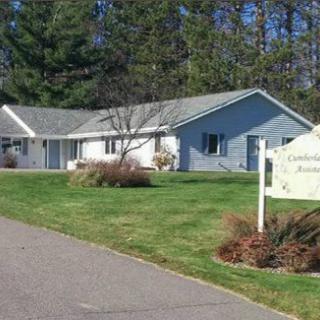
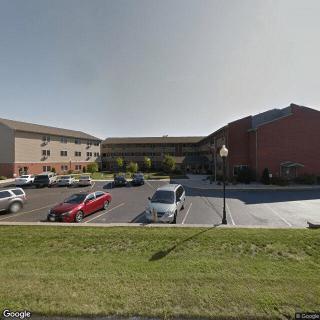
Friendly Village Nursing And Rehab Center

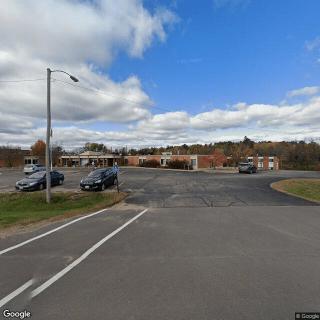
900 Boyce Drive, Rhinelander, WI 54501

For more information about senior living options: (844) 490-3973

4.4 from 25 reviews
5 stars
19
4 stars
2
3 stars
1
2 stars
1
1 stars
2

Skilled Nursing Facility

Overall Review of Friendly Village Nursing And Rehab Center

Pros

  • pro The staff are wonderful.
  • pro The entire staff is welcoming, compassionate and professional.
  • pro Family communication is prompt, efficient and thorough.
  • pro The staff provide loving, attentive care and take time to get to know residents' needs.
  • pro Residents are encouraged to be their best selves and gain physical strength and social engagement.
  • pro The food is appetizing and there are many home-like seating and gathering areas.
  • pro Church services, choirs, special lunches and socials help create cheerful, busy days.
  • pro The facility feels like a warmhearted, supportive home.
  • pro Friendly Village is a wonderful facility full of character and charm.
  • pro The team is top-notch and a proud, long-standing part of the Rhinelander community.
  • pro The facility has a positive, family atmosphere with staff who prioritize residents' needs.
  • pro The facility is clean and has a home-like feel.
  • pro The Director of Nursing is well-liked and recommended.
  • pro Great staff.

Cons

  • pro The service had gone downhill, especially in the evening.
  • pro The resident had to wait about an hour to use the bathroom after pressing the nurse call light.
  • pro The resident was left in the bathroom for an hour and a half after the call light was pressed.
  • pro The nurse stated the shift was over and that someone else would return, leaving the resident unattended.
  • pro The care was unacceptable due to short staffing for someone who cannot walk or stand.
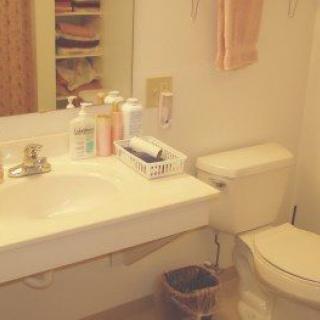
  • pro The bathroom was not clean upon admission.
  • pro Dinner was forgotten for him one night.
  • pro The reviewer would give zero stars and advised researching facilities before placing a loved one there.

Review

The collection of reviews from Friendly Village Nursing and Rehabilitation in Rhinelander paints a picture of a facility that inspires strong feelings in its families - some overflowing with gratitude for compassionate care and a sense of community, and others frustrated by real gaps in staffing, responsiveness, and day-to-day operations. Across multiple accounts, visitors describe a place with real warmth and character, where many staff members are dedicated, personable, and professional, even as a few experiences raise red flags about consistency, especially during evening and night hours.

A number of reviews center on the experiences of residents who rely entirely on nursing staff for basic needs. In one family's account, a mother who had been at the location for almost a year moved from the 100 wing to the 200 wing saw a decline in the quality of care, particularly in the evenings. The concerns focus on responsiveness to call lights: the resident might push the nurse light and wait for a long time to use a bathroom, sometimes resulting in incontinence and chastisement for not pressing the button sooner. In another case, a resident who pressed a call button was taken to the bathroom but left waiting for as long as an hour and a half, with staff noting that the shift had ended and that someone else would return shortly. These episodes underscore the fear that staffing pressures are translating into delayed care for the most vulnerable residents, despite the facility being described by others as having a "home-like" atmosphere and a caring staff overall.

Another review highlights a similarly troubling set of incidents involving a father who needed a breathing/heavy-duty sleep equipment. He arrived at Friendly Village and found his bathroom not clean at the outset, and he experienced slow responses to his call light during a time when he was considered a fall risk. The situation was aggravated by staff reportedly not knowing how to operate the equipment he required, leaving him to manage the device on his own. Dinner was missed on at least one occasion, and the overall tone of the account is one of frustration and disbelief at the level of service during a serious health episode. Taken together, these remarks illuminate a pattern in which critical care needs - especially for patients with complex conditions - do not consistently meet expectations, even amid commendable elements elsewhere in the facility.

There is also a markedly negative voice among the reviews. One former reviewer explicitly states that they would leave zero stars if possible and urges others to research every facility in the area before placing a loved one at this nursing home. This sentiment, while a minority within the collection, signals that for some families the gaps in care, communication, or reliability are significant enough to overshadow positive impressions elsewhere.

Yet the picture is not uniformly grim. A substantial cluster of reviews extols Friendly Village as a first-rate facility with strong, heartfelt staff. Several residents or family members describe the place as "great," with staff - especially nurses and CNAs - being caring, hardworking, and genuinely invested in residents' well-being. A recurring theme is the transformation from initial apprehension to confidence and even pride: one reviewer recalls being apprehensive upon arrival but after settling in, the experience became nothing short of fantastic, with the entire staff - including nurses and aides - consistently showing kindness and a positive attitude. The sentiment is that the care team goes above and beyond, and that the living environment, the people, and the atmosphere leave a lasting, favorable impression.

Other accounts emphasize the personal, human side of care: a mother who had undergone surgery for a broken arm was greeted with a welcoming, aroma-free environment and staff who were consistently considerate, kind, and in good spirits. This reviewer notes that mom received excellent care and heartily recommends the facility. The sense of community - staff who know residents by name, engage in conversations, and maintain a cheerful mood - appears repeatedly as a cornerstone of the Friendly Village experience. There is also praise for the facility's routines that emphasize social engagement: church services, choirs, special lunches, and a variety of activities that keep residents connected and active, contributing to a perception of a lively, home-like setting.

A recurring positive thread is the leadership and governance of care. Several reviews praise the nursing leadership, with comments about a director of nursing who is well-regarded. Comments like "I really like their Director of Nursing" and "nursing staff is excellent" appear alongside reflections that the facility is clean, welcoming, and staffed with people who are genuinely committed to helping residents lead as full a life as possible. Other testimonials emphasize the facility's long-standing place in the Rhinelander community, the positive energy of the staff, and the sense that Friendly Village is both a wonderful place to live and a meaningful place to work.

Taken together, the reviews illustrate a complex, two-sided portrait. On one hand, families repeatedly praise the facility for its warmth, cleanliness, engaging activities, and the dedication of many nurses and aides who treat residents with dignity and kindness. On the other hand, there are urgent concerns about staffing adequacy, particularly during evenings, and about specific incidents where response times to call lights and basic care tasks did not meet expectations. Some families report improvements in care and communication, while others remain concerned about variability across wings and shifts. Overall, Friendly Village emerges as a place with strong positive attributes - the human touch, the sense of community, the attentiveness of many staff members, and an appealing, home-like environment - paired with real, addressable concerns about consistency and responsiveness in care, especially for residents requiring constant supervision and specialized equipment.

Features

Housing

  • 100 resident community capacity 100 resident community capacity

Types of Care

  • Skilled Nursing Facility Skilled Nursing FacilitySkilled Nursing Facilities are crucial for seniors as they provide round-the-clock medical care, rehabilitation services, and assistance with daily activities. These facilities ensure that seniors receive the specialized care they need to maintain their health and well-being as they age.

Amenities

  • Air-conditioning Air-conditioningAir conditioning is important for seniors as they are more vulnerable to heat-related illnesses and may have underlying health conditions that make it difficult for them to regulate their body temperature. It helps to keep them comfortable, safe, and healthy in hot weather.
  • Beauty salon Beauty salonBeauty salons are important for seniors because they provide a space for them to feel pampered, socialize, and maintain their personal grooming and hygiene. Regular visits to a beauty salon can help boost seniors' self-esteem and overall well-being.
  • Cable or satellite TV Cable or satellite TVCable or satellite TV is important for seniors because it provides entertainment, news, and companionship, helping to combat loneliness and boredom. It also offers a wide range of programming options tailored to different interests and preferences.
  • Computer center Computer centerA computer center is essential for seniors as it provides access to technology, communication tools, and resources that can enhance their daily lives. It allows them to stay connected with loved ones, engage in online activities, and learn new skills, ultimately promoting socialization and mental stimulation.
  • Dining room Dining roomDining rooms are important for seniors as they provide a space for socialization, connection, and nutritious meals. They offer opportunities for residents to bond over shared meals, foster a sense of community, and promote healthy eating habits. Dining rooms also ensure that seniors have access to well-balanced meals tailored to their dietary needs and preferences.
  • Fitness room Fitness roomHaving a fitness room in a senior living community is essential for seniors to stay active, maintain their physical health, and improve their overall well-being. Regular exercise can help prevent falls, reduce the risk of chronic diseases, and promote mental sharpness. It also provides social opportunities for residents to connect with others and enjoy a sense of community.
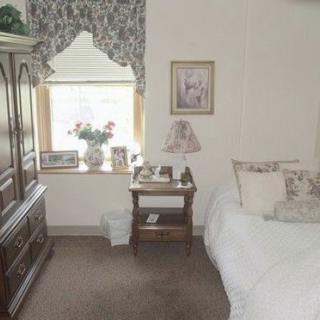
  • Fully furnished Fully furnishedFully furnished senior living communities are important for seniors because they provide convenience, comfort, and a hassle-free moving experience. Seniors can easily settle into their new living space without the stress of having to buy and move furniture. This allows them to focus on enjoying their new home and community.
  • Gaming room Gaming roomGaming rooms are important for seniors as they provide a fun and engaging environment for socializing, cognitive stimulation, and physical activity. Games can improve memory, problem-solving skills, and overall mental well-being while fostering friendships and reducing feelings of isolation.
  • Garden GardenGardens are important for seniors as they provide a peaceful and therapeutic environment for relaxation, physical activity, and socialization. Being in nature has been shown to reduce stress, improve mood, and promote overall well-being. Gardens also offer opportunities for seniors to engage in gardening activities, which can improve mobility, flexibility, and cognitive function. Additionally, gardens create a sense of community and connection with others who share a passion for plants and outdoor spaces.
  • Housekeeping services Housekeeping servicesHousekeeping services are important for seniors because they help maintain a clean and safe living environment, promote independence, and reduce the risk of accidents or illnesses. Additionally, having assistance with household chores can alleviate physical strain and allow seniors to focus on other aspects of their well-being.
  • Kitchenette KitchenetteKitchenettes are important for seniors living in senior living communities because they provide the convenience and independence of being able to prepare simple meals and snacks in the comfort of their own living space. This can help promote a sense of autonomy and well-being for seniors, allowing them to maintain some level of control over their dietary choices and daily routines.
  • Move-in coordination Move-in coordinationMove-in coordination is important for seniors because it helps ease the transition into their new living environment. It ensures that all logistics, such as packing, organizing movers, and setting up utilities are taken care of, allowing seniors to focus on settling in and adjusting to their new home. Having a smooth move-in process can alleviate stress and anxiety, making the transition smoother and more enjoyable for seniors.
  • Outdoor space Outdoor spaceOutdoor spaces are important for seniors as they provide opportunities for physical activity, social interaction, exposure to natural light and fresh air, and a sense of connection to nature. Having access to outdoor spaces can improve overall well-being and quality of life for older adults living in senior communities.
  • Private bathrooms Private bathroomsPrivate bathrooms are important for seniors in senior living communities because they provide independence, dignity, and comfort. Having a private bathroom allows seniors to maintain their personal hygiene routines without the need for assistance, promoting a sense of autonomy and privacy. Additionally, private bathrooms help prevent the spread of infections and provide a safe and clean environment for seniors to navigate safely.
  • Restaurant-style dining Restaurant-style diningRestaurant-style dining is important for seniors because it allows them to enjoy delicious, nutritious meals in a social and upscale setting. This enhances their dining experience, promotes healthy eating habits, and fosters socialization with fellow residents, ultimately contributing to their overall well-being and quality of life.
  • Small library Small librarySmall libraries are important for seniors as they provide access to a variety of reading materials, including books, newspapers, and magazines. This can help stimulate their minds, keep them engaged, and provide a sense of community through book clubs and other social activities. Additionally, reading has been shown to improve cognitive function and overall mental well-being in older adults.
  • Telephone TelephoneTelephones are important for seniors as they provide a lifeline for communication with loved ones, emergency services, and healthcare providers. They offer a sense of security and independence, enabling seniors to stay connected and access assistance when needed.
  • Wellness center Wellness centerWellness centers are important for seniors because they offer a variety of programs and services that promote physical, mental, and emotional well-being. These centers provide opportunities for exercise, socialization, education, and relaxation, helping seniors maintain their overall health and quality of life.
  • Wi-Fi/high-speed internet available Wi-Fi/high-speed internet availableWi-Fi/high-speed internet is important for seniors to stay connected with loved ones, access online resources, and participate in virtual activities to combat feelings of loneliness and isolation. It also allows them to easily manage healthcare needs, access entertainment, and engage in lifelong learning opportunities.

Transportation

  • Rhinelander-Oneida County (2 miles away) Rhinelander-Oneida County (2 miles away)
  • Community operated transportation Community operated transportationCommunity operated transportation is crucial for seniors as it provides them with the means to access essential services, social activities, and medical appointments. It allows seniors to maintain their independence and quality of life by ensuring they can participate in activities outside of their homes. Additionally, community-operated transportation services offer a safe and reliable way for seniors to travel without having to rely on family or friends for assistance.
  • Transportation arrangement Transportation arrangementTransportation arrangements are crucial for seniors as they may face challenges with driving, mobility, or access to public transportation. Having reliable transportation services ensures that seniors can easily attend appointments, social activities, and maintain their independence and quality of life.
  • Transportation arrangement (non-medical) Transportation arrangement (non-medical)Transportation arrangements are essential for seniors as they provide access to essential services, activities, and social interactions outside the home. This service helps maintain independence, mobility, and overall well-being for seniors who may have limited transportation options.
  • Transportation to doctors appointments Transportation to doctors appointmentsTransportation to doctors appointments is crucial for seniors as it ensures they have access to necessary medical care and support, promoting their health and well-being. It allows them to receive timely treatment, monitor existing conditions, and address any new health concerns efficiently. Additionally, transportation services can help seniors maintain their independence and quality of life by enabling them to stay connected with their healthcare providers.

Care Services

  • 12-16 hour nursing 12-16 hour nursing12-16 hour nursing care is crucial for seniors in order to ensure around-the-clock monitoring, timely medication administration, and prompt response to any health concerns or emergencies. This level of care helps to promote the overall well-being and safety of seniors living in senior living communities.
  • 24-hour call system 24-hour call system24-hour call systems are important for seniors because they provide peace of mind and immediate assistance in case of emergencies. This technology ensures that help is always available, promoting safety and security for elderly individuals living alone or in assisted living facilities.
  • 24-hour supervision 24-hour supervision24-hour supervision is important for seniors to ensure their safety, well-being, and access to immediate assistance in case of emergencies or health issues. This constant support provides peace of mind for both seniors and their loved ones, allowing them to age in place with dignity and security.
  • Activities of daily living assistance Activities of daily living assistanceActivities of daily living assistance are important for seniors because they provide essential support with tasks such as eating, bathing, dressing, and mobility. This assistance helps seniors maintain their independence, dignity, and overall quality of life as they age.
  • Assistance with bathing Assistance with bathingAssistance with bathing is crucial for seniors as it helps maintain personal hygiene, prevents infections, and ensures their overall well-being and comfort. It also provides a sense of dignity and independence for seniors who may struggle with this task on their own.
  • Assistance with dressing Assistance with dressingAssistance with dressing is important for seniors because it helps maintain their independence, promotes personal hygiene, prevents accidents and injuries, and improves overall quality of life. This service ensures that seniors can continue to dress comfortably and confidently, despite any physical limitations they may have.
  • Assistance with transfers Assistance with transfersAssistance with transfers is crucial for seniors as it helps prevent falls and injuries, maintains their independence, and ensures they can safely navigate their living environment. It also provides peace of mind for both seniors and their loved ones.
  • Diabetes diet Diabetes dietA diabetes diet is crucial for seniors as it helps manage blood sugar levels, reduce risks of complications, and improve overall health and well-being. By following a balanced and nutritious diet tailored to their specific needs, seniors can better control their diabetes and enhance their quality of life.
  • Meal preparation and service Meal preparation and serviceMeal preparation and service are crucial for seniors as they may have limited mobility or energy to cook nutritious meals. Having access to healthy and convenient food options can ensure they are getting the proper nutrition needed to maintain their overall health and well-being.
  • Medication management Medication managementMedication management is crucial for seniors to ensure they are taking the right medications at the correct dosages and times. This helps prevent adverse drug interactions, reduces the risk of medication errors, and promotes overall health and well-being. Proactive management also allows for adjustments as needed based on changing health conditions or new prescriptions.
  • Mental wellness program Mental wellness programMental wellness programs are essential for seniors as they promote cognitive stimulation, emotional support, and social engagement. These programs help prevent isolation, depression, and cognitive decline, ultimately enhancing the overall quality of life for older adults.
  • Special dietary restrictions Special dietary restrictionsSpecial dietary restrictions are important for seniors because age-related changes in metabolism and health conditions can make it difficult for their bodies to process certain foods. By following a diet tailored to their specific needs, seniors can maintain their overall health and well-being, manage chronic conditions, and reduce the risk of complications such as malnutrition or food interactions with medications.

Dining

  • Diabetes diet Diabetes dietA diabetes diet is crucial for seniors as it helps manage blood sugar levels, reduce risks of complications, and improve overall health and well-being. By following a balanced and nutritious diet tailored to their specific needs, seniors can better control their diabetes and enhance their quality of life.
  • Special dietary restrictions Special dietary restrictionsSpecial dietary restrictions are important for seniors because age-related changes in metabolism and health conditions can make it difficult for their bodies to process certain foods. By following a diet tailored to their specific needs, seniors can maintain their overall health and well-being, manage chronic conditions, and reduce the risk of complications such as malnutrition or food interactions with medications.

Activities

  • Community-sponsored activities Community-sponsored activitiesCommunity-sponsored activities are important for seniors as they provide opportunities for social interaction, mental stimulation, and physical activity. These activities can help improve overall well-being, combat loneliness and isolation, and promote a sense of belonging and purpose among older adults.
  • Concierge services Concierge servicesConcierge services are essential for seniors as they provide assistance with daily tasks and errands, enhance their quality of life by offering convenience and personalized care, and promote a sense of safety and security.
  • Fitness programs Fitness programsFitness programs are crucial for seniors as they help improve strength, flexibility, balance, and overall well-being. Staying active can reduce the risk of chronic diseases, improve mental health, and enhance quality of life in older adults.
  • Planned day trips Planned day tripsPlanned day trips are important for seniors because they offer opportunities for socialization, mental stimulation, and physical activity. They provide a change of scenery and help seniors stay engaged and connected to their community, promoting overall well-being and quality of life.
  • Resident-run activities Resident-run activitiesResident-run activities are important for seniors as they encourage social interaction, creativity, and a sense of autonomy. These activities empower seniors to stay engaged and active in their community while fostering meaningful connections with their peers.
  • Scheduled daily activities Scheduled daily activitiesScheduled daily activities are important for seniors because they provide structure, socialization, mental stimulation, and physical activity. Engaging in regular activities can improve overall well-being and quality of life for seniors living in a community setting.

Description

The Friendly Village Nursing And Rehab Center in Rhinelander, WI is a vibrant assisted living community that provides residents with a comfortable and enriching lifestyle. The community offers a wide range of amenities designed to enhance the well-being and convenience of its residents.

For those looking to maintain their appearance, there is a beauty salon available on-site. Residents can enjoy their favorite TV shows or movies with cable or satellite TV in their fully furnished accommodations. Community operated transportation and transportation arrangements are provided for non-medical purposes as well as doctor's appointments.

The center also features a computer center for those who wish to stay connected digitally. A fitness room and wellness center are accessible to promote physical health and wellbeing. Outdoor space and gardens provide opportunities for relaxation and leisurely walks.

Meals are served restaurant-style in the dining room, catering to special dietary restrictions if required. Housekeeping services ensure that residents can focus on enjoying their time rather than worrying about household chores. A small library offers reading materials for leisurely pursuits.

To guarantee safety and support, 24-hour supervision is provided along with assistance with activities of daily living such as bathing, dressing, and transfers. Medication management ensures that residents take their necessary medications on schedule. Mental wellness programs are available to promote emotional health.

Residents have plenty of opportunities for socialization and engagement through concierge services, planned day trips, resident-run activities, and scheduled daily activities facilitated by the staff. Additionally, there are several cafes, parks, pharmacies, physicians' offices, restaurants, places of worship nearby providing further convenience.

Overall, the Friendly Village Nursing And Rehab Center in Rhinelander, WI offers an inclusive community where seniors can thrive with access to various amenities and care services tailored to meet individual needs while maintaining independence and dignity in a safe environment.

Videos

Nearby Places of Interest

Places of Worship

  • First United Methodist Church (0.6 miles)
  • St Augustine's Episcopal Church (1 miles)
  • Seventh Day Adventists Community Service Center (1 miles)
  • Trinity Evangelical Lutheran Church (1.1 miles)
  • Faith Baptist Church (1.2 miles)
  • Saint Joseph Parish (2 miles)
  • Pre School Nativity of Our Lord School (2 miles)

Hospitals

  • Saint Marys Hospital (0.7 miles)
  • Saint Marys Hospital (2.6 miles)
  • Aspirus Tomahawk Hospital (17.7 miles)
  • Sacred Heart Hospital (17.8 miles)

Physicians

  • Ministry Medical Group (0.7 miles)
  • Jain Raj Kumar MD - Ministry Medical Group Occupational Medicine (0.7 miles)
  • Eyewear Express (0.7 miles)
  • Priority Medical Partners (1.1 miles)
  • Ministry Behavioral Health (1.3 miles)
  • Aspirus Northland Orthopedics (1.4 miles)
  • Ascension Northland Orthopedic & Sports Medicine (1.4 miles)

Cafes

  • Tula's Cafe (0.7 miles)
  • A'la Mode (2.2 miles)
  • Northern Coffee Haus (3.4 miles)

Transportation

  • Rapid Cab Company (0.8 miles)
  • U-Haul (1 miles)
  • Budget Truck Rental (1.4 miles)
  • Alamo (1.6 miles)
  • Air Direct Airlines (1.6 miles)
  • Rhinelander–Oneida County Airport (RHI) (2 miles)
  • Rhinelander Airport (2 miles)

Restaurants

  • Kid's Korner Pizza (0.8 miles)
  • Wing Street (0.8 miles)
  • Shady Sue's (0.8 miles)
  • Joe's Pasty Shop (0.8 miles)
  • Tula's Family Restaurant (0.9 miles)
  • Big Daddys Bar (0.9 miles)
  • McDonald's (0.9 miles)

Pharmacies

  • Trig's (0.8 miles)
  • Home Town Pharmacy (0.9 miles)
  • The Apothecary (1 miles)
  • Walmart Pharmacy (2.1 miles)
  • Walgreens (2.3 miles)
  • Stoxen Professional Pharmacy (2.6 miles)
  • Good Neighbor Pharmacy (17.7 miles)

Parks

  • Sarocka Field (1.3 miles)
  • Pioneer Park (2.3 miles)
  • Almon Recreation Area (2.8 miles)
  • Squaw Point (16.4 miles)

Theaters

  • Rouman Cinema (1.6 miles)

Frequently Asked Questions

Where is Friendly Village Nursing And Rehab Center?
What photos are available for Friendly Village Nursing And Rehab Center in Rhinelander, Wisconsin?

Nearby Communities

Skilled Nursing Facility in Nearby Cities

Related Resources

  • palliative care vs hospiceUnderstanding the Nuances of Palliative Care and Hospice: A Comprehensive Exploration

    Palliative care focuses on alleviating distress at any stage of a serious illness and can accompany curative treatments, while hospice care is for those nearing the end of life with a prognosis of six months or less, emphasizing comfort over curative measures. Both prioritize holistic care for patients and families but differ in timing, goals, and scope.

  • fecal incontinenceFecal Incontinence in Older Adults: A Comprehensive Guide
    Fecal incontinence, prevalent among older adults, arises from factors like weakened pelvic muscles and nerve damage, significantly affecting well-being and social interactions. Diagnosis involves clinical evaluation and tests to inform tailored treatments, while caregivers and preventive measures can aid in managing the condition effectively.

  • gardening for seniorsNurturing Well-Being Through Gardening: A Detailed Guide for Senior Enthusiasts


    Gardening provides seniors with physical exercise, mental and emotional support, and social interaction opportunities, while accommodating their needs through raised beds and ergonomic tools. It promotes health benefits like improved dexterity and cardiovascular health, encourages sustainable practices, and allows for manageable upkeep with low-maintenance plants.