
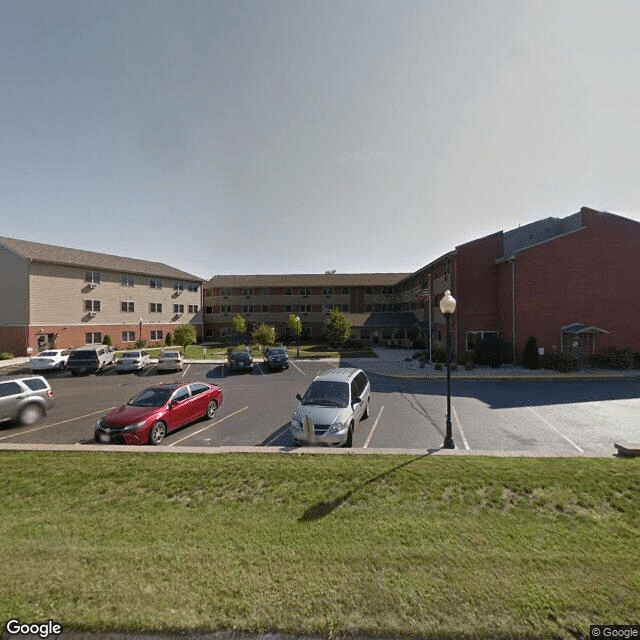
411 W Phillip St, Rhinelander, WI 54501
To contact a resident: (715) 369-4737
For more information about senior living options: (866) 208-4318
Overall Review of Housing Authority
Pros
 The place is nice.
- Melissa is extremely helpful and friendly.
- Residents find living there amazing.
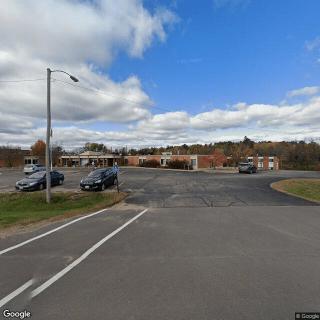
- The building is well cared for and beautifully decorated.
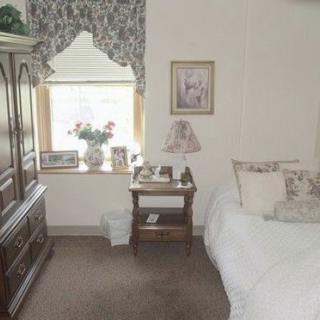
- The rooms are nice and comfortable.
- Everyone is very nice and helpful.
- The orientation for the Section 8 voucher is very informative.
- Melissa is always very helpful and thorough.
- The property appears clean and is great for older people.
- The management takes good care of the residents, especially with secure doors.
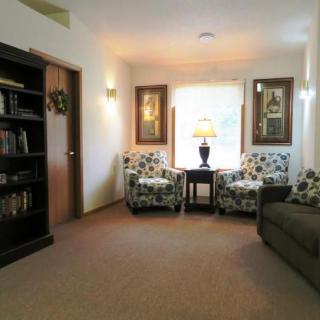
- Recent renovations provide updated appliances, open concept floorplans, an exercise area, a salon, a sun room, a large dining room, a sitting room, and cable TV.
- The apartment complex is highly recommended for retirement living.
- There is a bench to sit on and enjoy the fresh air while waiting for a taxi.
Review
This Rhinelander Housing Authority community is best suited for independent seniors who want affordable, low-maintenance living with solid safety, reliable management, and ready access to social amenities. It appeals to residents who value a clean, well-kept building, friendly staff, and apartment-style living that still offers welcoming common areas for connection. The emphasis on secure entry, responsive management, and visible renovations signals a residence where daily routines can proceed with minimal friction and with a sense of practical security.
Those who should consider alternatives are seniors who require daily personal assistance, on-site healthcare, or memory-care support. This setting is designed for independent living, not for residents needing regular medical oversight or 24/7 care. Families seeking highly personalized care plans, specialized dementia programming, or licensed assisted living services will likely find more suitable options in dedicated assisted living facilities or skilled-nursing communities. For anyone prioritizing comprehensive on-site care, this community would not be the right match.
The strongest pros center on feel-good, tangible quality: a building that feels cared for, rooms that are comfortable, and an environment that supports social engagement without sacrificing privacy. Renovations have refreshed appliances and floorplans, delivering open concepts, which translate into easier movement and a brighter living space. The range of amenities, an exercise area, a salon, a sunroom, a large dining room, and a sitting room near the entrance, creates a hospitality-like rhythm to daily life, making it simple to stay active or simply enjoy a shared space with neighbors. The staff are consistently described as friendly and helpful, with Melissa singled out for her thorough and considerate assistance, which matters enormously in a housing program where residents rely on office and front-desk accessibility. Security is tangible, secured doors and attentive management help sustain a calm, predictable environment.
Yet, the core limitations are not hidden: this is not a facility designed for ongoing medical support or high-level daily assistance. Several reviews acknowledge the practical strengths while implying that care needs beyond housing will require external arrangements. For some residents, the lack of on-site healthcare and the absence of intensive supervision could become a meaningful gap, especially if health or mobility challenges intensify. The nature of public housing in a small city also means programmatic offerings may be more limited than in purpose-built senior communities, and residents must navigate income-based terms and voucher processes rather than private-pay flexibility.
How the positives offset the drawbacks is a matter of fit. The dependable maintenance of a clean, updated space, combined with secure access and a staff culture built on accessibility and courtesy, reduces daily stress and enhances quality of life for independent seniors. The renovations and present-day amenities deliver a homelike feel that supports routine and social interaction, which in turn can stave off isolation, an important consideration for this demographic. Because the setting emphasizes affordability without sacrificing basic comfort, families can balance budget with the desire for a stable, congenial home environment. In short, the pros address comfort, safety, and social wellbeing; the cons reflect a match to a life stage that does not require serious medical caregiving.
Practically, families evaluating options should align expectations with intent. If the goal is to house an active, self-sufficient senior who values clean spaces, visible security, courteous staff, and accessible social spaces at a reasonable cost, this community presents a compelling case. If care needs beyond what the staff can supervise are anticipated, regular assistance with dressing, grooming, medication management, or memory-care routines, then alternatives with on-site licensed care become more prudent. Prospective residents should visit with questions about eligibility, voucher specifics, transportation, meal options, and the cadence of programming to ensure the daily rhythm matches personal preferences. With the current momentum of strong resident satisfaction, this Rhinelander address stands out as a pragmatic, solid option for affordable independent living, provided expectations are calibrated to its care model.
 Independent Living
 Rhinelander-Oneida County (3 miles away)

 Comprehensive Insights and Practical Strategies to Help Older Adults Avoid Falls
 6 Crucial Ways an Elder Law Attorney Assists Families
 Navigating the Tax Landscape of Caregiving: Credits, Deductions, and Beyond