

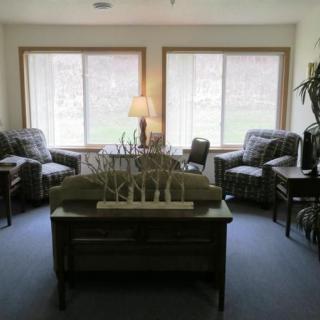

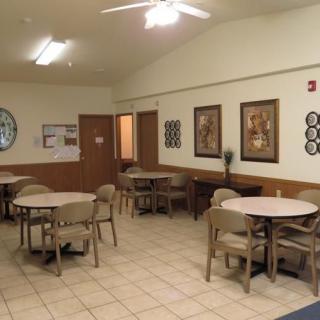
1450 West Phillips Street, Rhinelander, WI 54501
For more information about senior living options: (866) 208-4318
Country Terrace Rhinelander Costs & Pricing
At Country Terrace Rhinelander, the monthly costs for accommodations offer a compelling value compared to both Oneida County and the broader state of Wisconsin. For a semi-private room, residents can expect to pay $2,445, significantly lower than the county average of $3,556 and the state average of $3,977. Similarly, those seeking a private room will find that Country Terrace's rate of $2,905 is also advantageous, as it stands in stark contrast to Oneida County's average of $4,080 and Wisconsin's statewide figure of $4,339. These competitive pricing structures not only reflect the commitment of Country Terrace Rhinelander to provide quality care but also affirm its position as an economically viable option for families seeking long-term care solutions.
| Floor plans | Country Terrace Rhinelander | Oneida County | Wisconsin |
|---|---|---|---|
| Semi-Private | $2,445 | $3,556 | $3,977 |
| Private | $2,905 | $4,080 | $4,339 |
Memory care communities with a similar price nearby
-
from +$305 / mo

Dianne's Home in the Northwoods
$2,750 to $4,100 / month21.6 miles away
Overall Review of Country Terrace Rhinelander
Cons
 The place is a mess.
- Desiree constantly mistreats the residents and doesn’t give them what they need.
- She is very rude and mean to the residents and to the other workers.
- It’s troubling that someone who can’t even take care of her own kids is hired for this job.
- She’s a cruel human being.
Review
Country Terrace Rhinelander is best suited for seniors who want a compact, home‑like assisted living setting and whose families can stay actively involved in oversight. The facility seems to serve residents with mild to moderate care needs who value social interaction, routine, and a smaller community feel. The presence of at least one high rating suggests that positive experiences exist for some residents, implying that the environment can be congenial when staffing and care delivery align with expectations. However, a standout negative report underlines that care quality is not consistently reliable and that personal safety and dignity can be at stake if issues are not promptly addressed.
For families that cannot tolerate inconsistent care, miscommunication, or potential mistreatment, alternatives deserve serious consideration. The most consequential red flag is the allegation of mistreatment by a named staff member, which raises questions about day‑to‑day supervision, the responsiveness of management, and the effectiveness of complaint resolution. In such a decision framework, any facility with a similar flag should be evaluated with heightened scrutiny. If a most‑needed caregiver consistency, respectful treatment, and strong resident advocacy are nonnegotiable, other communities with proven track records in staff accountability and resident‑centered culture may be a safer match.
The limited but clear downside, staff conduct concerns, must be weighed against any undisclosed positives that the five‑star experience hints at. Positive impressions in one review can reflect a warm, engaging activities calendar, reasonable cost, or a comfortable living space; yet these advantages lose impact if residents fear mistreatment or feel unheard. The offsetting factors hinge on robust leadership, rapid correction of staff behavior, transparent incident reporting, and real, demonstrable improvements in daily care. Without those safeguards, the apparent benefits become fragile and precarious for residents who rely on dependable assistance.
From a practical decision standpoint, focus the tour on governance and frontline care dynamics. Ask hard questions about staffing, numbers on each shift, turnover rates, and how supervision is executed in real time. Inquire how concerns about mistreatment are handled: who investigates, the timeline for responses, and what corrective actions are implemented. Seek to meet direct caregivers and observe interactions with residents during routine tasks. Request recent incident logs or summaries of any corrective actions taken in the past six to twelve months. The answers will illuminate whether a culture of accountability exists or whether residents must navigate a system of managerial ambiguity.
A disciplined evaluation plan is essential. Schedule multiple visits at different times of day, ideally with a member of the family present to gauge consistency. Speak with current residents and family members about day‑to‑day experiences, particularly around personal care, dignity, privacy, and responsiveness. Verify licensure status and any state oversight notes, and request references beyond corporate contacts. If the response to concerns about staff behavior is defensive or nontransparent, or if there is persistent staff turnover in caregiving roles, those signals should decisively steer toward alternatives.
In the end, Country Terrace Rhinelander can work for a subset of seniors, those whose families can operate as an ongoing quality control arm and who can tolerate some variability in staff performance while the facility demonstrates a clear, sustained commitment to improvement. Yet for anyone whose priority is consistently respectful, high‑touch care delivered with dependable accountability, alternatives with stronger, verified cultures of resident safety will likely serve better. The takeaway is clear: prioritize proof of stable staffing, decisive administrative leadership, and transparent processes before choosing this community, and treat the current concerns as a reason to probe deeply rather than a mere footnote.
 15 resident community capacity
 Assisted Living
 Memory Care
 Cable or satellite TV
 Dining room
 Fully furnished
 Garden
 Housekeeping services
 Move-in coordination
 Outdoor space
 Telephone
 Wi-Fi/high-speed internet available
 Rhinelander-Oneida County (2 miles away)
 24-hour supervision
 Activities of daily living assistance
 Assistance with bathing
 Assistance with dressing
 Assistance with transfers
 Diabetes diet
 Hospice waiver
 Meal preparation and service
 Medication management
 Mental wellness program
 Special dietary restrictions
 Transportation arrangement (medical)
 Transportation to doctors appointments
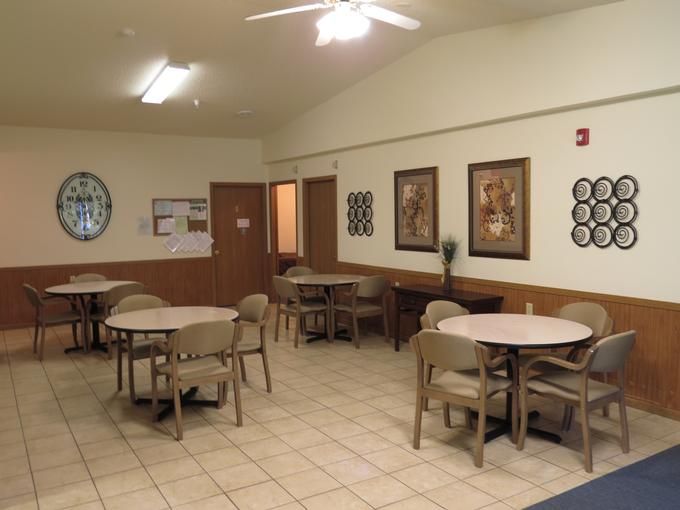
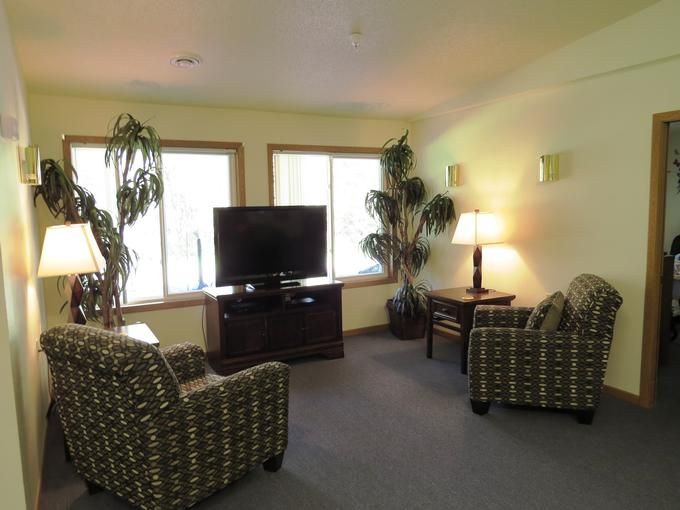
 Small, intimate setting with comprehensive assisted living services and on-site amenities.



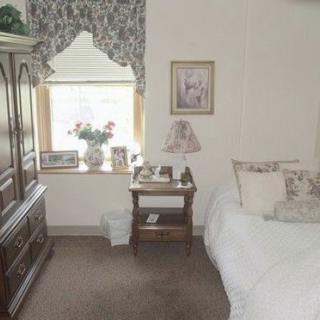
 8 Key Indicators That Suggest It May Be Time to Transition from Assisted Living to Skilled Nursing Care
 Nourishing the Mind: Essential Dietary Approaches for Dementia
 Understanding Dementia Behaviors: Practical Insights and Strategies for Caregivers