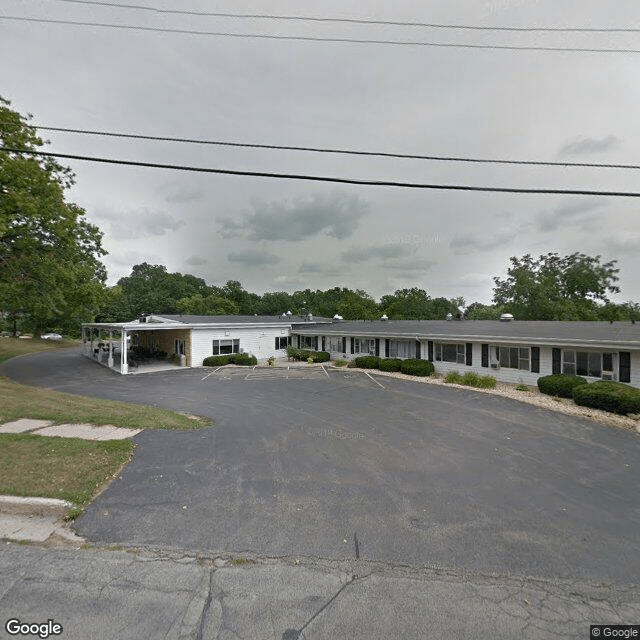
109 N Iowa St, Mineral Point, WI 53565
To contact a resident: (608) 987-2381
For more information about senior living options: (866) 208-4318
Overall Review of Mineral Point Care Ctr
Pros
 The staff is very friendly and helpful.
- They go above and beyond to make birthdays special.
- The facility offers cookouts and fun activities.
- It is a great place with nice people.
- Residents are treated with the respect they deserve.
- The dietary staff show the patience of saints.
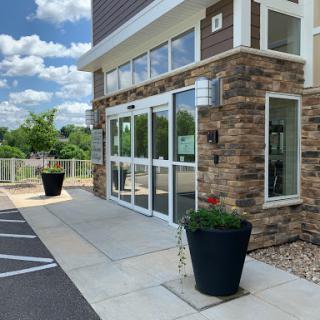
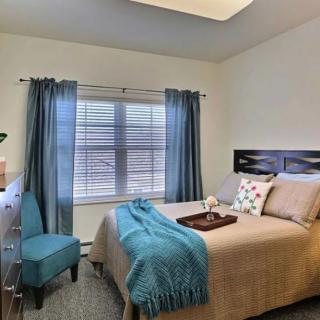
- The environment is nice, clean, quiet, and home-like.
Cons
 They bring his food and leave it, and he cannot eat it.
- There were long waits for help, about 40 minutes on average to take him to the bathroom.
- He is left in the room furthest from the desk, unable to call for help.
- CNAs and nurses were few, lying in the halls while he waited for assistance.
- His wounds bled and were never cleaned promptly; responders were slow.
- The wounds were not cleaned for hours, with the hospice nurse arriving 46 minutes later to tend to him.
- This is substandard care and a humiliating way to be treated.
- The facility is dirty, run down, and very short staffed.
- It is an awful place and people should not place their loved ones under its care.
- Bread is not readily provided at meals and must be requested; this should be on residents' dietary cards.
Review
Mineral Point Care Center is best suited for seniors who want a warm, home-like environment with strong social programming and genuinely attentive staff. The community appears to thrive when residents value daily interaction, celebratory events, and a friendly, personal touch from caregivers. It is a fit for families seeking consistent nursing and dietary attention, and for residents who can participate in group activities, enjoy regular meals, and appreciate a welcoming atmosphere. Those with high medical acuity or who require constant, rapid intervention should consider alternatives, as several reviews flag staffing gaps and safety concerns that could compromise rapid response and complex care needs.
The strongest positives center on the human element. Staff are described as friendly, patient, and deeply engaged in residents’ well-being. Birthday celebrations, cookouts, and a broad slate of activities create a lively, social rhythm that many families value. Families repeatedly highlight how residents are treated with dignity and respect, with nurses and dietary staff singled out for going above and beyond. The overall impression is of a team that genuinely cares, delivering personalized attention that can make daily life feel meaningful and comfortable. A clean, home-like setting also reinforces the sense that this is a place where residents can settle in and feel at ease.
Yet, there are serious red flags raised in one troubling account that cannot be ignored. A hospice-level situation described as substandard care raises questions about how the facility manages low-functioning residents or those with limited mobility and communication. The report details delays in assistance, inadequate supervision, and incomplete wound care, with concerns about being left unattended and rooms far from the desk creating bottlenecks in help requests. The same narrative points to multiple falls, unresponsive call bells, and a perception of staffing shortages that leave still-urgent needs unmet. Additional worries about cleanliness, deteriorating conditions, and an outsider report of the facility facing external scrutiny further complicate the picture. While this account may reflect a worst-case scenario, it underscores undeniable risk factors for families balancing safety with quality of life.
Those pros and cons must be weighed against real-world expectations. For families whose loved ones are relatively independent or require modest daily support, the strengths, the caregiving warmth, the engaging activities, and the sense of community, can produce a highly satisfying living experience that offsets occasional gaps. However, for residents with complex medical needs, behavioral challenges, or a high burden of care requiring immediate escalation, the concerns about staffing responsiveness and consistent supervision become more than theoretical. The favorable dining and staff dedication help, but they cannot fully compensate for systemic shortages or lapses in critical care. Prospective residents should not assume that a few excellent days or weeknotes will generalize across all shifts and conditions.
Practical next steps for families considering Mineral Point Care Center are clear. During tours, press for concrete details on staffing ratios by shift, especially CNAs and nurses, and ask how the team handles high-acuity situations and hospice care. Request to see the current care plan processes, response-time data, and how wounds or medication issues are monitored. Speak with current residents or families about daily rhythms, meal customization (for denture wearers or texture-modified diets), and the availability of enrichment staff who coordinate activities. Review state inspection reports and ask for a transparent explanation of any cited deficiencies and steps taken to address them. Above all, demand a trial period or clear transition plan that aligns with the resident’s medical needs and safety expectations.
In the end, Mineral Point Care Center offers a viable, even admirable option for families prioritizing warmth, personal attention, and social vitality in a home-like setting. The community’s strengths can deliver real quality of life benefits for residents who thrive on companionship and routine care. At the same time, potential buyers should approach with a rigorous checklist: verify staffing stability, insist on visible safety protocols, and probe the facility’s capacity to manage higher medical needs without compromising dignity and timely assistance. For families with tighter safety requirements or higher medical complexity, it pays to compare alternatives where staffing models and supervision are more robust, ensuring that choices align with both short-term comfort and long-term welfare.
 Skilled Nursing Facility


 Supportive Employee Benefits That Help Caregivers Attain Better Work-Life Harmony
 Top Cars for Senior Drivers and Essential Safety Innovations
 A Closer Look at Private Pay Home Care