Atrium Post Acute Care Of Mineral Point

Save

Atrium Post Acute Care Of Mineral Point

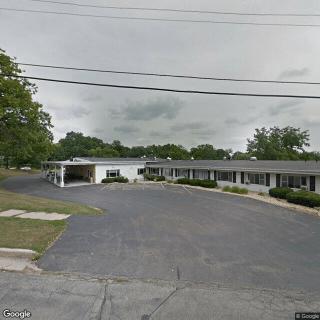
109 North Iowa Street, Mineral Point, WI 53565

For more information about senior living options: (844) 490-3973

3.8 from 27 reviews
5 stars
13
4 stars
4
3 stars
4
2 stars
3
1 stars
3

Skilled Nursing Facility

What level of care are you interested in?

Assisted Living

Memory Care

Independent Living

Skilled Nursing Facility

Continuing Care Retirement Community (CCRC)CCRC

Other


Request a tour at Atrium Post Acute Care Of Mineral Point

    Overall Review of Atrium Post Acute Care Of Mineral Point

    Pros

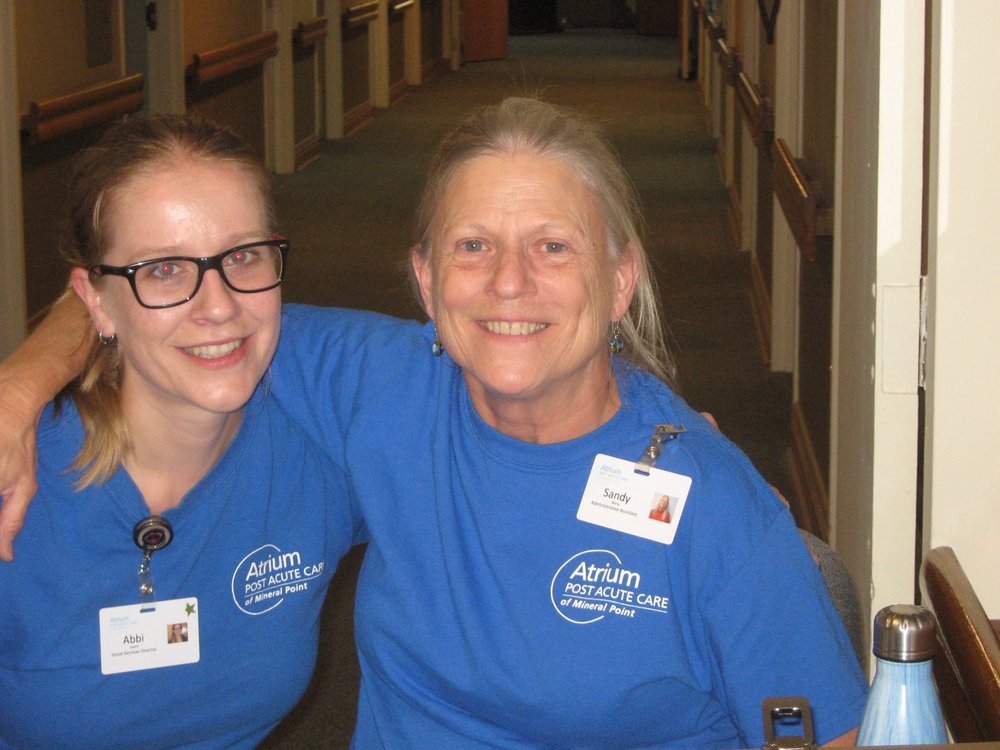
    • pro The staff are very friendly and helpful.
    • pro They go above and beyond to make birthdays special.
    • pro The dietary staff have the patience of saints.
    • pro The nurses are loving, caring, and great.
    • pro Some staff go above and beyond, taking unpaid time to study and find healing solutions for loved ones.
    • pro The facility is nice, clean, and quiet with a home-like environment.
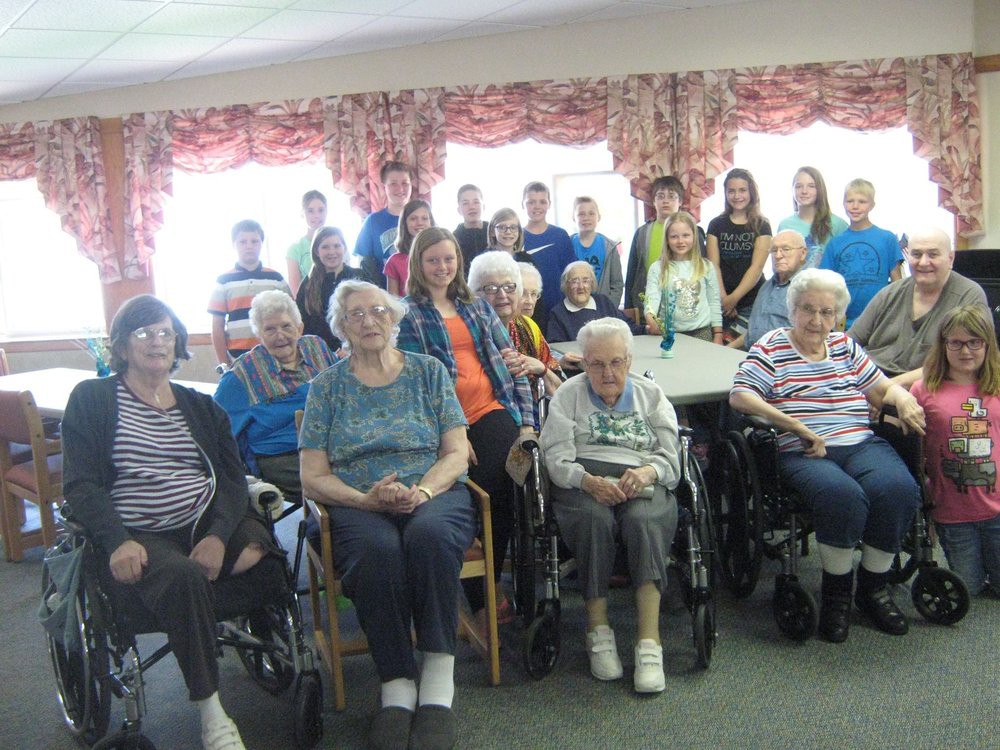
    • pro The facility has positive community involvement and a good activities program.

    Cons

    • pro The care is substandard and the treatment is described as humiliating.
    • pro The facility is dirty, run down, and severely understaffed.
    • pro Wounds go uncleaned and residents experience unattended injuries and bleeding.
    • pro Staff are slow to respond, leaving residents waiting in the hallways for help while families must intervene.
    • pro Meals are mishandled - food is brought but left for residents who cannot eat it.
    • pro Promises made by staff are not fulfilled; nothing they promised is done.
    • pro The facility has high staff turnover and a poor state survey, indicating ongoing deficiencies.

    Review

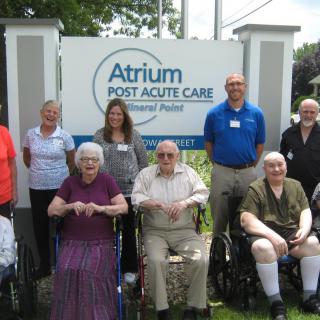
    Atrium Post Acute Care Of Mineral Point is best suited for aging adults who prize a warm, neighborly setting where staff treat residents with personal attention and celebrate everyday moments. The community stands out for friendly nursing and dietary teams, a steady stream of social activities, and a palpable emphasis on making residents feel valued. Families commonly report that loved ones are treated with respect, that caregivers invest extra effort in individualized care, and that the environment feels welcoming and home-like. This setting particularly suits residents who need moderate assistance with daily tasks and who benefit from hands-on, compassionate support and predictable, relational care. It can be a comforting option for short-term rehabs and for stays that include comfort-focused care as ends of life approach.

    But the picture cannot be viewed in a vacuum. Those with high clinical complexity or acute safety concerns should evaluate alternatives carefully. A recurring caveat from several families is the need for more dependable staffing, faster response times, and stronger oversight of medical- and safety-related tasks. Questions persist about consistency in care, housekeeping, and the facility's ability to sustain rigorous standards across shifts. For residents whose condition requires constant monitoring, prompt assistance with diurnal needs, or intensive wound and mobility management, the risks flagged in reviews suggest exploring options with a deeper, more stable clinical backbone before committing long term.

    The positive dynamics are concrete and meaningful. Residents repeatedly highlight staff kindness, the willingness of nurses to go the extra mile, and the dietary team's patience and attentiveness. The activity calendar, community gatherings, and special celebrations create a textured social life that can significantly lift mood and engagement. The care tone many families experience is intimate and responsive, with anecdotes of caregivers taking time to tailor meals or to address personal preferences. When those relationships are steady, the facility's strengths become a real asset for quality of life, especially for residents who thrive in a social, inclusive atmosphere.

    However, the most consequential drawbacks orbit around safety, consistency, and capacity. Several accounts describe lengthy waits for assistance, instances of falls, and gaps in basic caregiving tasks, such as timely bathroom help. A particularly troubling hospice-focused account paints a stark contrast - claims of neglect and delayed wound care - underscoring potential gaps in supervision and rapid clinical response. Additional concerns about cleanliness, maintenance, and fit between dietary offerings and residents' changing needs further complicate the risk assessment. Taken together, these patterns create a credible caution for families prioritizing reliable, high-touch clinical care.

    In weighing pros against cons, the calculus tilts toward a nuanced conclusion. For residents who arrive with solid family involvement, a clear care plan, and a preference for a warm, community-oriented environment, the positives can offset many daily frictions. The relational warmth and active programming can deliver meaningful daily life and emotional comfort, which matters deeply for many families. Yet for anyone whose loved one depends on consistent staffing, rapid call-response, precise wound care, or stringent safety checks, the negatives are not easily dismissed. The decision should hinge on whether the anticipated benefits of companionship and personal attention will outweigh the real risks of delayed care and variable clinical oversight.

    Practical next steps are essential. Arrange a tour during peak activity to observe how staff interact with residents, how quickly call lights are answered, and how meals are delivered and tailored in real time. Ask direct, concrete questions about staffing patterns, RN coverage, and after-hours responsiveness; request the latest state survey deficiencies and the facility's corrective action plans; review the current care plan, including hospice or palliative considerations if applicable; and talk candidly with current residents and families about cleanliness, safety, and overall day-to-day experience. If the family can anchor care with regular visits and a robust, explicit care plan, Atrium Mineral Point can be a supportive home. If not, alternatives with stronger clinical stability and more consistent staffing should be pursued without hesitation.

    Features

    Housing

    • 30 resident community capacity 30 resident community capacity

    Types of Care

    • Skilled Nursing Facility Skilled Nursing FacilitySkilled Nursing Facilities are crucial for seniors as they provide round-the-clock medical care, rehabilitation services, and assistance with daily activities. These facilities ensure that seniors receive the specialized care they need to maintain their health and well-being as they age.

    Amenities

    • Beauty salon Beauty salonBeauty salons are important for seniors because they provide a space for them to feel pampered, socialize, and maintain their personal grooming and hygiene. Regular visits to a beauty salon can help boost seniors' self-esteem and overall well-being.
    • Cable or satellite TV Cable or satellite TVCable or satellite TV is important for seniors because it provides entertainment, news, and companionship, helping to combat loneliness and boredom. It also offers a wide range of programming options tailored to different interests and preferences.
    • Dining room Dining roomDining rooms are important for seniors as they provide a space for socialization, connection, and nutritious meals. They offer opportunities for residents to bond over shared meals, foster a sense of community, and promote healthy eating habits. Dining rooms also ensure that seniors have access to well-balanced meals tailored to their dietary needs and preferences.
    • Fully furnished Fully furnishedFully furnished senior living communities are important for seniors because they provide convenience, comfort, and a hassle-free moving experience. Seniors can easily settle into their new living space without the stress of having to buy and move furniture. This allows them to focus on enjoying their new home and community.
    • Garden GardenGardens are important for seniors as they provide a peaceful and therapeutic environment for relaxation, physical activity, and socialization. Being in nature has been shown to reduce stress, improve mood, and promote overall well-being. Gardens also offer opportunities for seniors to engage in gardening activities, which can improve mobility, flexibility, and cognitive function. Additionally, gardens create a sense of community and connection with others who share a passion for plants and outdoor spaces.
    • Housekeeping services Housekeeping servicesHousekeeping services are important for seniors because they help maintain a clean and safe living environment, promote independence, and reduce the risk of accidents or illnesses. Additionally, having assistance with household chores can alleviate physical strain and allow seniors to focus on other aspects of their well-being.
    • Kitchenette KitchenetteKitchenettes are important for seniors living in senior living communities because they provide the convenience and independence of being able to prepare simple meals and snacks in the comfort of their own living space. This can help promote a sense of autonomy and well-being for seniors, allowing them to maintain some level of control over their dietary choices and daily routines.
    • Move-in coordination Move-in coordinationMove-in coordination is important for seniors because it helps ease the transition into their new living environment. It ensures that all logistics, such as packing, organizing movers, and setting up utilities are taken care of, allowing seniors to focus on settling in and adjusting to their new home. Having a smooth move-in process can alleviate stress and anxiety, making the transition smoother and more enjoyable for seniors.
    • Outdoor space Outdoor spaceOutdoor spaces are important for seniors as they provide opportunities for physical activity, social interaction, exposure to natural light and fresh air, and a sense of connection to nature. Having access to outdoor spaces can improve overall well-being and quality of life for older adults living in senior communities.
    • Restaurant-style dining Restaurant-style diningRestaurant-style dining is important for seniors because it allows them to enjoy delicious, nutritious meals in a social and upscale setting. This enhances their dining experience, promotes healthy eating habits, and fosters socialization with fellow residents, ultimately contributing to their overall well-being and quality of life.
    • Small library Small librarySmall libraries are important for seniors as they provide access to a variety of reading materials, including books, newspapers, and magazines. This can help stimulate their minds, keep them engaged, and provide a sense of community through book clubs and other social activities. Additionally, reading has been shown to improve cognitive function and overall mental well-being in older adults.
    • Telephone TelephoneTelephones are important for seniors as they provide a lifeline for communication with loved ones, emergency services, and healthcare providers. They offer a sense of security and independence, enabling seniors to stay connected and access assistance when needed.
    • Wi-Fi/high-speed internet available Wi-Fi/high-speed internet availableWi-Fi/high-speed internet is important for seniors to stay connected with loved ones, access online resources, and participate in virtual activities to combat feelings of loneliness and isolation. It also allows them to easily manage healthcare needs, access entertainment, and engage in lifelong learning opportunities.

    Care Services

    • 24-hour call system 24-hour call system24-hour call systems are important for seniors because they provide peace of mind and immediate assistance in case of emergencies. This technology ensures that help is always available, promoting safety and security for elderly individuals living alone or in assisted living facilities.
    • 24-hour supervision 24-hour supervision24-hour supervision is important for seniors to ensure their safety, well-being, and access to immediate assistance in case of emergencies or health issues. This constant support provides peace of mind for both seniors and their loved ones, allowing them to age in place with dignity and security.
    • Activities of daily living assistance Activities of daily living assistanceActivities of daily living assistance are important for seniors because they provide essential support with tasks such as eating, bathing, dressing, and mobility. This assistance helps seniors maintain their independence, dignity, and overall quality of life as they age.
    • Assistance with bathing Assistance with bathingAssistance with bathing is crucial for seniors as it helps maintain personal hygiene, prevents infections, and ensures their overall well-being and comfort. It also provides a sense of dignity and independence for seniors who may struggle with this task on their own.
    • Assistance with dressing Assistance with dressingAssistance with dressing is important for seniors because it helps maintain their independence, promotes personal hygiene, prevents accidents and injuries, and improves overall quality of life. This service ensures that seniors can continue to dress comfortably and confidently, despite any physical limitations they may have.
    • Assistance with transfers Assistance with transfersAssistance with transfers is crucial for seniors as it helps prevent falls and injuries, maintains their independence, and ensures they can safely navigate their living environment. It also provides peace of mind for both seniors and their loved ones.
    • Diabetes diet Diabetes dietA diabetes diet is crucial for seniors as it helps manage blood sugar levels, reduce risks of complications, and improve overall health and well-being. By following a balanced and nutritious diet tailored to their specific needs, seniors can better control their diabetes and enhance their quality of life.
    • Meal preparation and service Meal preparation and serviceMeal preparation and service are crucial for seniors as they may have limited mobility or energy to cook nutritious meals. Having access to healthy and convenient food options can ensure they are getting the proper nutrition needed to maintain their overall health and well-being.
    • Medication management Medication managementMedication management is crucial for seniors to ensure they are taking the right medications at the correct dosages and times. This helps prevent adverse drug interactions, reduces the risk of medication errors, and promotes overall health and well-being. Proactive management also allows for adjustments as needed based on changing health conditions or new prescriptions.
    • Mental wellness program Mental wellness programMental wellness programs are essential for seniors as they promote cognitive stimulation, emotional support, and social engagement. These programs help prevent isolation, depression, and cognitive decline, ultimately enhancing the overall quality of life for older adults.
    • Special dietary restrictions Special dietary restrictionsSpecial dietary restrictions are important for seniors because age-related changes in metabolism and health conditions can make it difficult for their bodies to process certain foods. By following a diet tailored to their specific needs, seniors can maintain their overall health and well-being, manage chronic conditions, and reduce the risk of complications such as malnutrition or food interactions with medications.
    Dining

    • Diabetes diet Diabetes dietA diabetes diet is crucial for seniors as it helps manage blood sugar levels, reduce risks of complications, and improve overall health and well-being. By following a balanced and nutritious diet tailored to their specific needs, seniors can better control their diabetes and enhance their quality of life.
    • Special dietary restrictions Special dietary restrictionsSpecial dietary restrictions are important for seniors because age-related changes in metabolism and health conditions can make it difficult for their bodies to process certain foods. By following a diet tailored to their specific needs, seniors can maintain their overall health and well-being, manage chronic conditions, and reduce the risk of complications such as malnutrition or food interactions with medications.

    Activities

    • Community-sponsored activities Community-sponsored activitiesCommunity-sponsored activities are important for seniors as they provide opportunities for social interaction, mental stimulation, and physical activity. These activities can help improve overall well-being, combat loneliness and isolation, and promote a sense of belonging and purpose among older adults.
    • Resident-run activities Resident-run activitiesResident-run activities are important for seniors as they encourage social interaction, creativity, and a sense of autonomy. These activities empower seniors to stay engaged and active in their community while fostering meaningful connections with their peers.
    • Scheduled daily activities Scheduled daily activitiesScheduled daily activities are important for seniors because they provide structure, socialization, mental stimulation, and physical activity. Engaging in regular activities can improve overall well-being and quality of life for seniors living in a community setting.

    Description

    Atrium Post Acute Care Of Mineral Point is an assisted living community located in Mineral Point, WI. Our community offers a wide range of amenities to enhance the comfort and enjoyment of our residents. Each room is fully furnished with cable or satellite TV and Wi-Fi/high-speed internet access for entertainment and connectivity. Our residents can enjoy delicious meals prepared by our talented culinary team in our restaurant-style dining room, accommodating special dietary restrictions.

    We strive to provide a comfortable and homely environment for our residents. Housekeeping services ensure that each room remains clean and tidy, while move-in coordination assists residents in settling into their new home seamlessly. Outdoor spaces and gardens are available for residents to relax and enjoy nature.

    To meet the individual needs of our residents, we offer various care services. Our dedicated staff provides 24-hour supervision and assistance with activities of daily living such as bathing, dressing, and transfers. We also offer specialized care such as diabetes diet management and medication management to promote overall health and well-being.

    Maintaining mental wellness is essential, which is why we have a mental wellness program that focuses on promoting emotional well-being through engaging activities and programs tailored to individual interests and preferences.

    Residents can stay active within the community through resident-run activities as well as scheduled daily activities organized by our staff. These activities not only provide opportunities for socialization but also help to stimulate the mind and body.

    Located conveniently near parks, pharmacies, physicians, restaurants, places of worship, and transportation options, Atrium Post Acute Care Of Mineral Point ensures that our residents have easy access to the services they need and opportunities for outings or visits with loved ones.

    At Atrium Post Acute Care Of Mineral Point, we are committed to providing exceptional care in a comfortable environment where each resident feels valued and cared for.

    Nearby Places of Interest

    Places of Worship

    • Trinity Episcopal Church (0.1 miles)
    • Congregation of St Mary's-St Paul's (0.3 miles)
    • Faith Lutheran Church (0.3 miles)
    • Hope Lutheran Church (0.4 miles)
    • Congregational United Church (0.4 miles)
    • New Life United Pentecostal Church (7.1 miles)
    • Plymouth Congregational Church (7.2 miles)

    Transportation

    • Enterprise Rent-A-Car (0.2 miles)
    • Alamo (0.2 miles)
    • U-Haul (0.9 miles)
    • U-Haul Neighborhood Dealer (3.7 miles)
    • U-Haul Neighborhood Dealer (5.9 miles)
    • U-Haul Neighborhood Dealer (8.2 miles)
    • U-Haul (8.3 miles)

    Restaurants

    • Gray Dog Deli (0.3 miles)
    • Midway Bar (0.4 miles)
    • Patt's Pub (0.4 miles)
    • Tequila Point (0.4 miles)
    • L&L Public House (0.4 miles)
    • Commerce Street Brewery Hotel (0.5 miles)
    • Brewery Creek Inn (0.5 miles)

    Pharmacies

    • Ivey's Pharmacy (0.4 miles)
    • Corner Drug Store (6.6 miles)
    • Home Town Pharmacy (7.1 miles)
    • Corner Drug Store (7.3 miles)
    • Home Town Pharmacy (7.3 miles)
    • Walgreens (8.1 miles)
    • Walmart Pharmacy (8.3 miles)

    Parks

    • Mineral Poiny Library Park (0.4 miles)
    • Linden Village Park (6.1 miles)
    • Centennial Park (6.8 miles)
    • Harris Park (7.8 miles)
    • Governor Dodge State Park (7.9 miles)
    • Governor Dodge State Park (10.9 miles)
    • Yellowstone Lake State Park (11.9 miles)

    Physicians

    • Mineral Point Medical Center (0.4 miles)
    • Family Practice Associates Mineral Point (0.5 miles)
    • SSM Health Dean Medical Group Specialty Services (6.7 miles)
    • Dean Specialty Clinic (6.7 miles)
    • Dodgeville Medical Center (8 miles)
    • Uw Health (13 miles)
    • Medical Associates (13 miles)

    Hospitals

    • Upland Hills Health (6.7 miles)
    • Memorial Hospital of Lafayette County (13 miles)

    Cafes

    • Cooks Room (7.2 miles)

    Frequently Asked Questions

    Where is Atrium Post Acute Care Of Mineral Point?
    What photos are available for Atrium Post Acute Care Of Mineral Point in Mineral Point, Wisconsin?

    Nearby Communities

    • Mineral Point Care Ctr

      Mineral Point Care Ctr

      Mineral Point, WI


      pro Good access to nearby park, pharmacy, physicians, dining, transportation, and places of worship.

    • Spring House

      Spring House

      Mineral Point, WI


      pro Intimate 8-bed setting with comprehensive 24/7 care, ADL support, meals, and organized activities.

    • Spring House

      Spring House

      Mineral Point, WI

      4 from 4 reviews
       

      pro Small, intimate assisted living with personalized care and comprehensive amenities.

    • Sienna Crest Memory Care

      Sienna Crest Memory Care

      Mineral Point, WI

       
      $4,650 / month

      pro Specialized memory care with high-acuity support and engaging activities in a warm setting.

    • Sienna Crest Mineral Point

      Sienna Crest Mineral Point

      Mineral Point, WI

      4 from 3 reviews
       

      pro Engaging activities and a clean, home-like setting with family-style dining.

    • Upland Hills Nursing And Rehab

      Upland Hills Nursing And Rehab

      Dodgeville, WI


      pro Intimate 44-bed community with 24-hour care, mental wellness program, and apartment-style living.

    • New Glarus Home

      New Glarus Home

      New Glarus, WI

      4.4 from 49 reviews
       

      pro Warm, friendly staff; healthy meals; opportunities for mobility and social activities.

    • Milestone Senior Living Cross Plains

      Milestone Senior Living Cross Plains

      Cross Plains, WI

      4.3 from 38 reviews
      $5,600 to $6,400 / month

      pro Friendly, attentive staff; comfortable rooms; clean environment and good dining.

    • Noel Manor Retirement

      Noel Manor Retirement

      Verona, WI

      3.8 from 16 reviews
      $1,635 to $3,405 / month

      pro Friendly staff with engaging activities in a straightforward, home-like layout.

    Related Resources

    • uti in elderlyUrinary Tract Infections in Older Adults: Comprehensive Insights on Symptoms, Treatment, and Prevention

      Older adults with urinary tract infections (UTIs) often present atypical symptoms, complicating diagnosis due to factors like incomplete bladder emptying and chronic health conditions that increase their susceptibility. Effective management involves prompt treatment with antibiotics, hydration, and preventive strategies while minimizing antibiotic resistance and focusing on holistic care approaches.

    • 602 formCalifornia's Form 602A: An In-Depth Examination of Senior Care Assessment

      California's Form 602A is a vital tool for evaluating the health needs of seniors seeking residential care, detailing their medical conditions and daily living requirements to ensure proper service alignment. This standardized form enhances communication among physicians, families, and facilities, serving as a regulatory measure for admissions and ongoing care while adapting to changing healthcare practices.

    • elderly blood pressure chartComprehensive Look at Senior Blood Pressure Charts: Normal and Elevated Levels by Age
      The overview of blood pressure management for seniors emphasizes the importance of monitoring and interpreting blood pressure readings, noting that normal ranges can vary due to age-related factors and individual health conditions. It highlights tailored guidelines for systolic and diastolic levels, the necessity of early detection and consistent management to prevent serious health complications, and advocates for personalized care strategies that incorporate lifestyle changes and medication adherence.


    Get Pricing Ask A Question Schedule A Tour Contact Senior Advisor