New Glarus Home in New Glarus, WI

Save

  • Interior

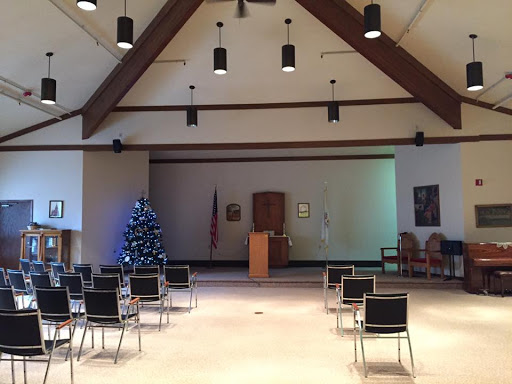
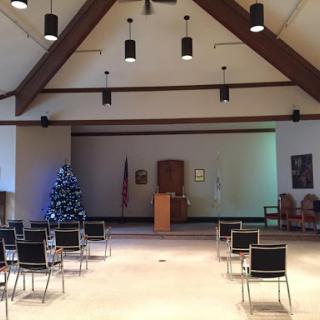
    A spacious meeting room decorated with a Christmas tree, featuring rows of chairs and wooden architectural elements.
  • Outdoors

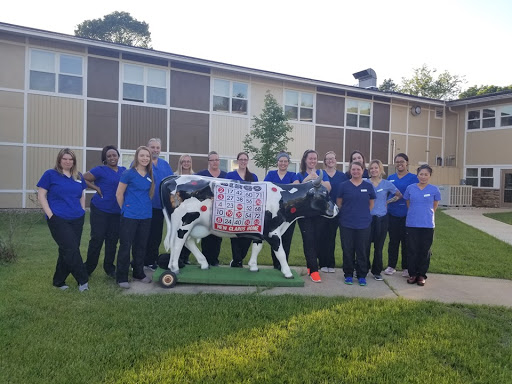
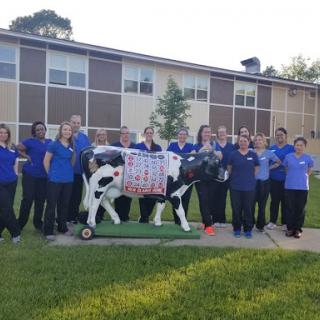
    A cheerful group posing together with a cow statue in front of their building.
  • Decor

    A festive outdoor display featuring Santa Claus decorations, welcoming the holiday season.
  • Building

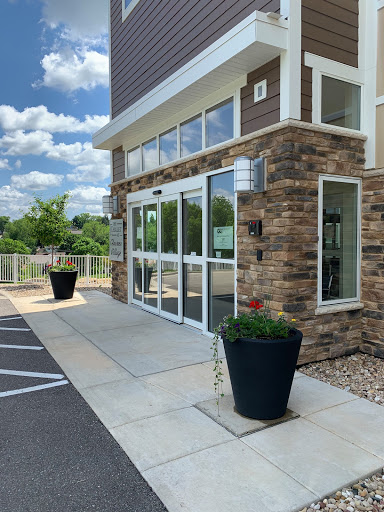
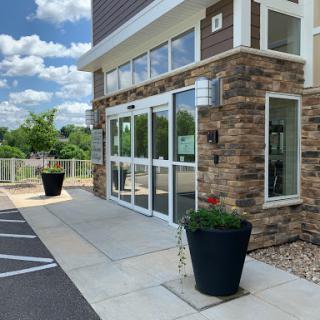
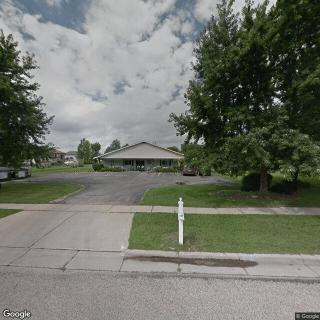
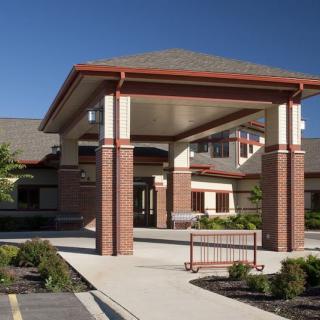
    A modern building entrance featuring large windows and stone accents, surrounded by well-maintained landscaping.
  • Bedroom

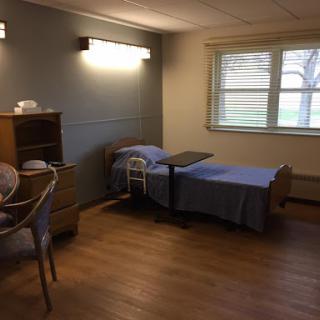
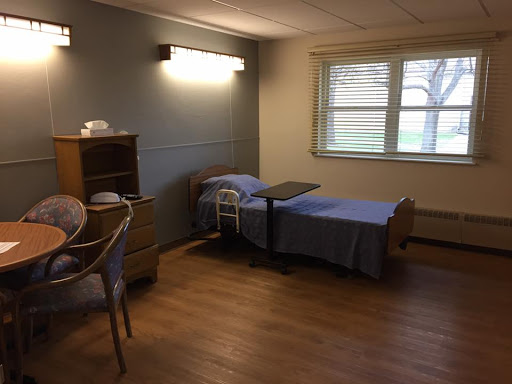
    A simple and clean hospital patient room with two beds and a window.
  • Trees

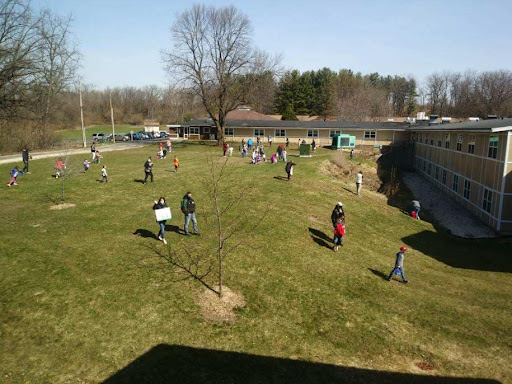
    A community gathering in a green space, with people engaging in various activities on a sunny day.
  • Dining

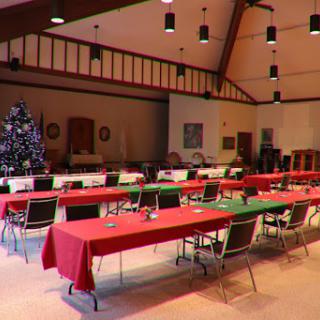
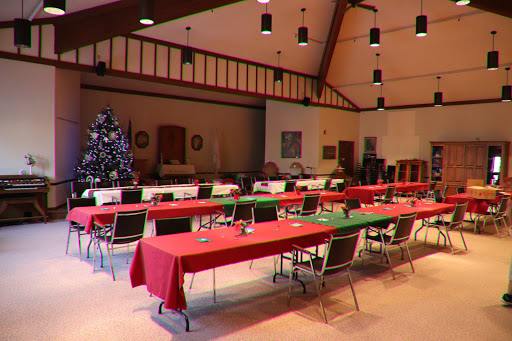
    A spacious event room set up for a holiday gathering, featuring red and green tablecloths and a decorated Christmas tree.
  • Outdoor

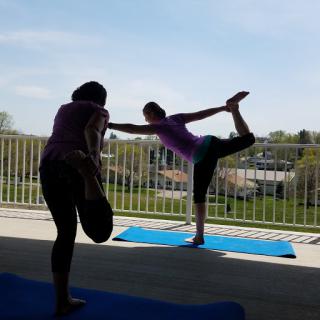
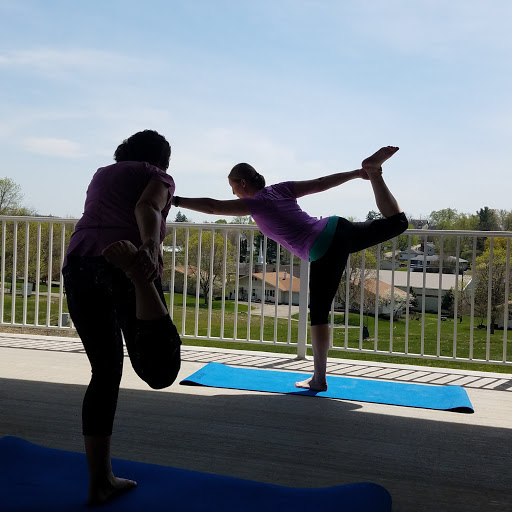
    Two individuals practicing yoga outdoors, showcasing strength and balance.
  • Painting

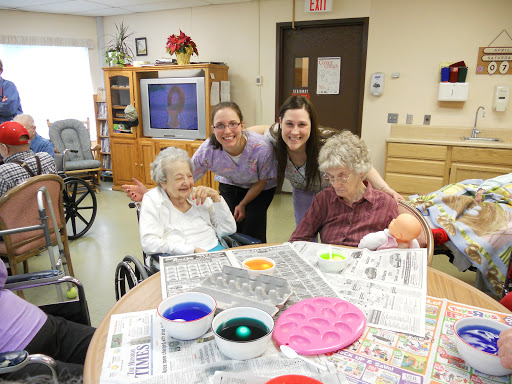
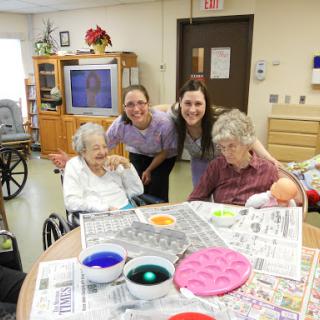
    Engaging in creative activities at the community center.

New Glarus Home in New Glarus, WI

600 2Nd Avenue, New Glarus, WI 53574

For more information about senior living options: (844) 490-3973

4.4 from 49 reviews
5 stars
33
4 stars
11
3 stars
1
2 stars
0
1 stars
4

Assisted Living Independent Living Memory Care

Overall Review of New Glarus Home

Pros

  • pro The New Glarus Home provides exceptional care for its residents.
  • pro The facility is clean, friendly, and welcoming.
  • pro Tecora consistently greets visiting families and provides timely updates, going out of her way for residents.
  • pro The staff are caring, friendly, and accommodating.
  • pro The facility truly cares about its residents.
  • pro The nursing and CNA staff are knowledgeable, professional, and deeply compassionate.
  • pro The rehab services are well organized and effective.
  • pro The building is beautiful, with a coordinated and attentive staff.
  • pro The environment is family-oriented, with staff who are very caring.
  • pro The staff communicate well, treat residents with respect, and make families feel supported.

Cons

  • pro The front desk staff are rude and ignore visitors, keeping them waiting for over 30 minutes without directions.
  • pro Showers are consistently skipped, indicating neglect and understaffing.
  • pro The facility does not feel very friendly.
  • pro The rehab unit is severely understaffed, with nurses floating between floors and residents being put to bed as early as 6 pm.
  • pro The COVID lockdown forced residents to stay in their rooms, making the experience painful.
  • pro The medication process is not consistently followed from shift to shift, making it hard to control.
  • pro The reviewer claims the place is a joke and that residents are treated like prisoners, with unmonitored male sex offenders living there.
  • pro Staff allegedly do not always give meds to diabetics as they should and do not shower residents regularly.
  • pro The self-check-in process is confusing and lacks on-site staff.

Review

New Glarus Home is best suited for families seeking a warm, relationship-driven care environment where rehab success and everyday kindness are prioritized. The community tends to attract seniors who want a home-like setting, where staff consistently show up with compassion, and where a strong rehab track record accompanies long-term stays. It suits loved ones who value a family-oriented culture, clean and attractive surroundings, and frequent, candid communication with caregivers and therapists. In short, this is a practical choice for those who want credible, personable care that feels personal rather than impersonal.

Those who may want to consider alternatives are families that require near-flawless operational reliability in every interaction and every routine task. If prompt front-desk attention, consistently seamless medication administration, and rock-solid daily logistics are non-negotiables, it's wise to look at other options. A small but real portion of feedback points to moments of unresponsiveness at the front desk, uneven adherence to care routines like showers and medication handoffs, and the impression that some processes could be smoother. Prospective buyers should balance the strong caregiver relationships with these operational realities and verify how the day-to-day flow looks on a tour, especially during peak shifts.

The strongest assets are the people and the care culture. Reviews repeatedly highlight caring, knowledgeable staff, and a therapy program that is well organized and effective. Families describe the facility as beautiful, clean, and welcoming, with therapists and CNAs who engage residents with patience and professionalism. The social work and nursing teams earn particular praise for personalized attention and for helping families navigate transitions, whether for short-term rehab or longer-term arrangements. On a practical level, the environment supports activity, movement, and engagement, which are critical for recovery and ongoing well-being.

However, notable gaps do appear in the resident care discipline. Specific concerns include under-staffing that can slow routine tasks, occasional lapses in routine maintenance of personal care like showers, and inconsistencies in medication handoffs from shift to shift. A few families report mixed experiences with the front desk and visitor coordination, and there is at least one sharply negative account describing safety and governance concerns. While these outliers don't define the community, they signal that day-to-day reliability can fluctuate and warrants verification through direct conversation with staff and a careful tour of how shifts are covered, how medications are reconciled, and how staff communicate changes to families.

The key question becomes whether the proven strengths offset the operational rough edges. They largely do, when care goals center on high-quality caregiving, therapeutic progress, and a supportive, family-centric atmosphere. The staff's genuine warmth and the effective rehab framework create meaningful positive outcomes that counterbalance some workflow friction. Yet the balance tilts toward caution for families whose top priorities are impeccably steady task execution and foolproof process control. The best approach is to use a visit to scrutinize both the clinical routines and the administrative flow: meet the nursing lead, observe a therapy session, review the medication administration process, and ask to see how concerns are triaged and resolved.

Bottom line: New Glarus Home earns its solid 4.4 rating by delivering remarkable caregiver dedication, a well-run rehab program, and a welcoming, home-like setting. For families who value heartfelt care, clear communication, and a community that treats residents like family, this is a competitive, reliable choice. For those who prioritize flawless operational consistency, zero friction in all daily tasks, and perfectly predictable front-desk service, it pays to compare options and set up thorough meetings and tours to confirm those expectations. If a tour confirms solid staffing coverage, transparent processes, and staff who listen, New Glarus Home becomes a compelling fit for long-term peace of mind.

Features

Housing

  • 97 resident community capacity 97 resident community capacity

Types of Care

  • Assisted Living Assisted LivingAssisted living facilities provide crucial support and care for seniors who may need help with daily tasks such as medication management, bathing, and meal preparation. These communities offer a safe and comfortable environment where seniors can maintain their independence while receiving the assistance they need to thrive in their golden years.
  • Independent Living Independent LivingIndependent living communities are important for seniors because they offer a safe and supportive environment where older adults can live independently while still having access to amenities and services that enhance their quality of life. These communities provide social opportunities, recreational activities, and assistance with daily tasks, promoting overall well-being and allowing seniors to maintain their independence for as long as possible.
  • Memory Care Memory CareMemory care is crucial for seniors as it provides specialized support and services for individuals with dementia or Alzheimer's disease. These programs offer a safe and secure environment where residents receive personalized care, cognitive stimulation, and help with daily activities. Memory care helps seniors maintain their independence, quality of life, and dignity while also providing peace of mind for their families.

Amenities

  • Air-conditioning Air-conditioningAir conditioning is important for seniors as they are more vulnerable to heat-related illnesses and may have underlying health conditions that make it difficult for them to regulate their body temperature. It helps to keep them comfortable, safe, and healthy in hot weather.
  • Beauty salon Beauty salonBeauty salons are important for seniors because they provide a space for them to feel pampered, socialize, and maintain their personal grooming and hygiene. Regular visits to a beauty salon can help boost seniors' self-esteem and overall well-being.
  • Cable or satellite TV Cable or satellite TVCable or satellite TV is important for seniors because it provides entertainment, news, and companionship, helping to combat loneliness and boredom. It also offers a wide range of programming options tailored to different interests and preferences.
  • Computer center Computer centerA computer center is essential for seniors as it provides access to technology, communication tools, and resources that can enhance their daily lives. It allows them to stay connected with loved ones, engage in online activities, and learn new skills, ultimately promoting socialization and mental stimulation.
  • Dining room Dining roomDining rooms are important for seniors as they provide a space for socialization, connection, and nutritious meals. They offer opportunities for residents to bond over shared meals, foster a sense of community, and promote healthy eating habits. Dining rooms also ensure that seniors have access to well-balanced meals tailored to their dietary needs and preferences.
  • Fitness room Fitness roomHaving a fitness room in a senior living community is essential for seniors to stay active, maintain their physical health, and improve their overall well-being. Regular exercise can help prevent falls, reduce the risk of chronic diseases, and promote mental sharpness. It also provides social opportunities for residents to connect with others and enjoy a sense of community.
  • Fully furnished Fully furnishedFully furnished senior living communities are important for seniors because they provide convenience, comfort, and a hassle-free moving experience. Seniors can easily settle into their new living space without the stress of having to buy and move furniture. This allows them to focus on enjoying their new home and community.
  • Gaming room Gaming roomGaming rooms are important for seniors as they provide a fun and engaging environment for socializing, cognitive stimulation, and physical activity. Games can improve memory, problem-solving skills, and overall mental well-being while fostering friendships and reducing feelings of isolation.
  • Garden GardenGardens are important for seniors as they provide a peaceful and therapeutic environment for relaxation, physical activity, and socialization. Being in nature has been shown to reduce stress, improve mood, and promote overall well-being. Gardens also offer opportunities for seniors to engage in gardening activities, which can improve mobility, flexibility, and cognitive function. Additionally, gardens create a sense of community and connection with others who share a passion for plants and outdoor spaces.
  • Housekeeping services Housekeeping servicesHousekeeping services are important for seniors because they help maintain a clean and safe living environment, promote independence, and reduce the risk of accidents or illnesses. Additionally, having assistance with household chores can alleviate physical strain and allow seniors to focus on other aspects of their well-being.
  • Kitchenette KitchenetteKitchenettes are important for seniors living in senior living communities because they provide the convenience and independence of being able to prepare simple meals and snacks in the comfort of their own living space. This can help promote a sense of autonomy and well-being for seniors, allowing them to maintain some level of control over their dietary choices and daily routines.
  • Move-in coordination Move-in coordinationMove-in coordination is important for seniors because it helps ease the transition into their new living environment. It ensures that all logistics, such as packing, organizing movers, and setting up utilities are taken care of, allowing seniors to focus on settling in and adjusting to their new home. Having a smooth move-in process can alleviate stress and anxiety, making the transition smoother and more enjoyable for seniors.
  • Outdoor space Outdoor spaceOutdoor spaces are important for seniors as they provide opportunities for physical activity, social interaction, exposure to natural light and fresh air, and a sense of connection to nature. Having access to outdoor spaces can improve overall well-being and quality of life for older adults living in senior communities.
  • Private bathrooms Private bathroomsPrivate bathrooms are important for seniors in senior living communities because they provide independence, dignity, and comfort. Having a private bathroom allows seniors to maintain their personal hygiene routines without the need for assistance, promoting a sense of autonomy and privacy. Additionally, private bathrooms help prevent the spread of infections and provide a safe and clean environment for seniors to navigate safely.
  • Restaurant-style dining Restaurant-style diningRestaurant-style dining is important for seniors because it allows them to enjoy delicious, nutritious meals in a social and upscale setting. This enhances their dining experience, promotes healthy eating habits, and fosters socialization with fellow residents, ultimately contributing to their overall well-being and quality of life.
  • Small library Small librarySmall libraries are important for seniors as they provide access to a variety of reading materials, including books, newspapers, and magazines. This can help stimulate their minds, keep them engaged, and provide a sense of community through book clubs and other social activities. Additionally, reading has been shown to improve cognitive function and overall mental well-being in older adults.
  • Telephone TelephoneTelephones are important for seniors as they provide a lifeline for communication with loved ones, emergency services, and healthcare providers. They offer a sense of security and independence, enabling seniors to stay connected and access assistance when needed.
  • Wellness center Wellness centerWellness centers are important for seniors because they offer a variety of programs and services that promote physical, mental, and emotional well-being. These centers provide opportunities for exercise, socialization, education, and relaxation, helping seniors maintain their overall health and quality of life.
  • Wi-Fi/high-speed internet available Wi-Fi/high-speed internet availableWi-Fi/high-speed internet is important for seniors to stay connected with loved ones, access online resources, and participate in virtual activities to combat feelings of loneliness and isolation. It also allows them to easily manage healthcare needs, access entertainment, and engage in lifelong learning opportunities.

Transportation

  • Community operated transportation Community operated transportationCommunity operated transportation is crucial for seniors as it provides them with the means to access essential services, social activities, and medical appointments. It allows seniors to maintain their independence and quality of life by ensuring they can participate in activities outside of their homes. Additionally, community-operated transportation services offer a safe and reliable way for seniors to travel without having to rely on family or friends for assistance.
  • Transportation arrangement Transportation arrangementTransportation arrangements are crucial for seniors as they may face challenges with driving, mobility, or access to public transportation. Having reliable transportation services ensures that seniors can easily attend appointments, social activities, and maintain their independence and quality of life.
  • Transportation arrangement (non-medical) Transportation arrangement (non-medical)Transportation arrangements are essential for seniors as they provide access to essential services, activities, and social interactions outside the home. This service helps maintain independence, mobility, and overall well-being for seniors who may have limited transportation options.
  • Transportation to doctors appointments Transportation to doctors appointmentsTransportation to doctors appointments is crucial for seniors as it ensures they have access to necessary medical care and support, promoting their health and well-being. It allows them to receive timely treatment, monitor existing conditions, and address any new health concerns efficiently. Additionally, transportation services can help seniors maintain their independence and quality of life by enabling them to stay connected with their healthcare providers.

Care Services

  • 12-16 hour nursing 12-16 hour nursing12-16 hour nursing care is crucial for seniors in order to ensure around-the-clock monitoring, timely medication administration, and prompt response to any health concerns or emergencies. This level of care helps to promote the overall well-being and safety of seniors living in senior living communities.
  • 24-hour call system 24-hour call system24-hour call systems are important for seniors because they provide peace of mind and immediate assistance in case of emergencies. This technology ensures that help is always available, promoting safety and security for elderly individuals living alone or in assisted living facilities.
  • 24-hour supervision 24-hour supervision24-hour supervision is important for seniors to ensure their safety, well-being, and access to immediate assistance in case of emergencies or health issues. This constant support provides peace of mind for both seniors and their loved ones, allowing them to age in place with dignity and security.
  • Activities of daily living assistance Activities of daily living assistanceActivities of daily living assistance are important for seniors because they provide essential support with tasks such as eating, bathing, dressing, and mobility. This assistance helps seniors maintain their independence, dignity, and overall quality of life as they age.
  • Assistance with bathing Assistance with bathingAssistance with bathing is crucial for seniors as it helps maintain personal hygiene, prevents infections, and ensures their overall well-being and comfort. It also provides a sense of dignity and independence for seniors who may struggle with this task on their own.
  • Assistance with dressing Assistance with dressingAssistance with dressing is important for seniors because it helps maintain their independence, promotes personal hygiene, prevents accidents and injuries, and improves overall quality of life. This service ensures that seniors can continue to dress comfortably and confidently, despite any physical limitations they may have.
  • Assistance with transfers Assistance with transfersAssistance with transfers is crucial for seniors as it helps prevent falls and injuries, maintains their independence, and ensures they can safely navigate their living environment. It also provides peace of mind for both seniors and their loved ones.
  • Diabetes diet Diabetes dietA diabetes diet is crucial for seniors as it helps manage blood sugar levels, reduce risks of complications, and improve overall health and well-being. By following a balanced and nutritious diet tailored to their specific needs, seniors can better control their diabetes and enhance their quality of life.
  • Meal preparation and service Meal preparation and serviceMeal preparation and service are crucial for seniors as they may have limited mobility or energy to cook nutritious meals. Having access to healthy and convenient food options can ensure they are getting the proper nutrition needed to maintain their overall health and well-being.
  • Medication management Medication managementMedication management is crucial for seniors to ensure they are taking the right medications at the correct dosages and times. This helps prevent adverse drug interactions, reduces the risk of medication errors, and promotes overall health and well-being. Proactive management also allows for adjustments as needed based on changing health conditions or new prescriptions.
  • Mental wellness program Mental wellness programMental wellness programs are essential for seniors as they promote cognitive stimulation, emotional support, and social engagement. These programs help prevent isolation, depression, and cognitive decline, ultimately enhancing the overall quality of life for older adults.
  • Mild cognitive impairment Mild cognitive impairment"Mild cognitive impairment" is important for seniors because it is an early stage of cognitive decline that can potentially progress to more severe conditions such as dementia. Recognizing and addressing mild cognitive impairment can help seniors receive appropriate care and support to maintain their quality of life and independence for as long as possible.
  • Special dietary restrictions Special dietary restrictionsSpecial dietary restrictions are important for seniors because age-related changes in metabolism and health conditions can make it difficult for their bodies to process certain foods. By following a diet tailored to their specific needs, seniors can maintain their overall health and well-being, manage chronic conditions, and reduce the risk of complications such as malnutrition or food interactions with medications.
  • Specialized memory care programming Specialized memory care programmingSpecialized memory care programming is crucial for seniors with cognitive impairments such as dementia or Alzheimer's disease. These programs provide a safe and supportive environment tailored to the unique needs of individuals with memory loss, helping them maintain their independence, dignity, and quality of life.

Dining

  • Diabetes diet Diabetes dietA diabetes diet is crucial for seniors as it helps manage blood sugar levels, reduce risks of complications, and improve overall health and well-being. By following a balanced and nutritious diet tailored to their specific needs, seniors can better control their diabetes and enhance their quality of life.
  • Special dietary restrictions Special dietary restrictionsSpecial dietary restrictions are important for seniors because age-related changes in metabolism and health conditions can make it difficult for their bodies to process certain foods. By following a diet tailored to their specific needs, seniors can maintain their overall health and well-being, manage chronic conditions, and reduce the risk of complications such as malnutrition or food interactions with medications.

Activities

  • Community-sponsored activities Community-sponsored activitiesCommunity-sponsored activities are important for seniors as they provide opportunities for social interaction, mental stimulation, and physical activity. These activities can help improve overall well-being, combat loneliness and isolation, and promote a sense of belonging and purpose among older adults.
  • Concierge services Concierge servicesConcierge services are essential for seniors as they provide assistance with daily tasks and errands, enhance their quality of life by offering convenience and personalized care, and promote a sense of safety and security.
  • Fitness programs Fitness programsFitness programs are crucial for seniors as they help improve strength, flexibility, balance, and overall well-being. Staying active can reduce the risk of chronic diseases, improve mental health, and enhance quality of life in older adults.
  • Planned day trips Planned day tripsPlanned day trips are important for seniors because they offer opportunities for socialization, mental stimulation, and physical activity. They provide a change of scenery and help seniors stay engaged and connected to their community, promoting overall well-being and quality of life.
  • Resident-run activities Resident-run activitiesResident-run activities are important for seniors as they encourage social interaction, creativity, and a sense of autonomy. These activities empower seniors to stay engaged and active in their community while fostering meaningful connections with their peers.
  • Scheduled daily activities Scheduled daily activitiesScheduled daily activities are important for seniors because they provide structure, socialization, mental stimulation, and physical activity. Engaging in regular activities can improve overall well-being and quality of life for seniors living in a community setting.

Description

The New Glarus Home is an assisted living community located in the charming town of New Glarus, Wisconsin. Our community offers a range of care options including Independent Living and Memory Care for those with specialized needs.

Residents enjoy a variety of amenities to enhance their daily lives. Our on-site beauty salon ensures that residents can always look their best, and our cable or satellite TV service keeps them entertained. Community-operated transportation is available for shopping trips or social outings, and our computer center allows residents to stay connected with loved ones. The dining room offers restaurant-style dining with delicious meals prepared by our skilled kitchen staff. Housekeeping services are provided to ensure a clean and comfortable living environment.

For recreational activities, residents have access to a fitness room for exercise, a gaming room for friendly competition, and a small library for book lovers. The outdoor space includes a beautiful garden where residents can relax and enjoy nature. Wi-Fi/high-speed internet is available throughout the community for those who want to stay connected digitally.

Our caring staff provides 24-hour supervision and assistance with activities of daily living such as bathing, dressing, and transfers. We also offer medication management services for those who require it. Our mental wellness program focuses on supporting the emotional well-being of our residents, including those with mild cognitive impairment. Specialized memory care programming is available for residents with dementia or Alzheimer's disease.

Dining options cater to special dietary restrictions, ensuring that our residents receive nutritious meals suited to their individual needs. In terms of activities, we offer concierge services to assist residents in planning day trips or other activities outside the community. Fitness programs are available to help promote overall health and well-being. Residents also have the opportunity to participate in resident-run activities and scheduled daily activities.

With nearby parks, pharmacies, physicians' offices, and restaurants, New Glarus Home offers convenience and accessibility to essential services within the local area.

At New Glarus Home, we strive to provide a comfortable and engaging environment for our residents, ensuring that their individual needs are met while promoting a sense of community and independence.

Nearby Places of Interest

Parks

  • Sugar River Trail (0.5 miles)
  • Blaser Park (6.2 miles)
  • Sugar River Park (6.4 miles)
  • McKellar Park (11 miles)
  • Prairie Moraine Dog Park (11.9 miles)
  • Fireman's Park (12.2 miles)
  • Thompson Park (12.8 miles)

Restaurants

  • Puempel's Olde Tavern (0.5 miles)
  • New Glarus Brewing Company (1.8 miles)
  • J & M Bar (6 miles)
  • Marcine's (8.8 miles)
  • Old Duffer's Pub (11.1 miles)
  • North and South Seafood & Smokehouse (12.6 miles)
  • El Charro Mexican Grill (12.6 miles)

Pharmacies

  • New Glarus Pharmacy (0.8 miles)
  • New Glarus Hometown Pharmacy (0.8 miles)
  • Home Town Pharmacy (6.1 miles)
  • Belleville Hometown Pharmacy (6.1 miles)
  • Home Town Pharmacy (12.9 miles)
  • Verona Hometown Pharmacy (12.9 miles)
  • Walgreens (13 miles)

Physicians

  • Monroe Clinic (1.3 miles)
  • SSM Health Monroe Eye Care (1.3 miles)
  • UW Health Belleville Family Medicine Clinic (5.2 miles)
  • SSM Health Monroe Clinic Medical Group (11.2 miles)
  • UW Health Verona Clinic (12.6 miles)
  • SSM Health Monroe Clinic Medical Group (12.8 miles)
  • Argyle Clinic (14.1 miles)

Cafes

  • The Morning Mug (5.5 miles)
  • M & M Cafe (5.6 miles)
  • Paoli Schoolhouse Shops & Cafe (9.6 miles)
  • Grace Coffee (12.4 miles)
  • Epic - Cassiopeia (12.6 miles)
  • Fink's Restaurant (14 miles)
  • Central 52 (14.1 miles)

Hospitals

  • Stoll, Roger (5.6 miles)
  • Todd Rosenstiel (5.9 miles)
  • Belleville Emergency Medical Services (6.5 miles)
  • The Monroe Clinic (14.6 miles)
  • Mineral Clinic (14.6 miles)
  • Monroe Clinic (14.7 miles)

Places of Worship

  • Zwingli United Church of Christ (5.7 miles)
  • Trinity Lutheran Church (11.2 miles)
  • New Hope Evangelical Free Church (13.2 miles)
  • Cornerstone Lutheran Church (13.6 miles)
  • Mount Horeb Evangelical Church (13.6 miles)
  • Good News Lutheran Church (13.8 miles)
  • St Joseph Catholic Church (13.8 miles)

Transportation

  • U-Haul Neighborhood Dealer (13 miles)
  • U-Haul Neighborhood Dealer (13.8 miles)
  • Monroe Municipal Airport (EFT) (14 miles)

Frequently Asked Questions

Where is New Glarus Home?
Does New Glarus Home provide care for residents with dementia or Alzheimer's disease?
What photos are available for New Glarus Home in New Glarus, Wisconsin?

Nearby Communities

  • Glarner Lodge

    Glarner Lodge

    New Glarus, WI

    3.8 from 6 reviews
     

    pro Intimate, well-supported community with comprehensive care.

  • Harbor Senior Concepts

    Harbor Senior Concepts

    New Glarus, WI


    pro Peaceful, secure environment with easy access to nearby cafes, a park, pharmacies, physicians, and restaurants.

  • Grimm Residence

    Grimm Residence

    New Glarus, WI


    pro Small, personalized memory care with 24/7 supervision and comprehensive services.

  • Heartsong Assisted Living

    Heartsong Assisted Living

    Belleville, WI

    3.4 from 8 reviews
    $2,900 / month

  • Sylvan Crossings of Belleville

    Sylvan Crossings of Belleville

    Belleville, WI


    pro Pet-friendly with on-site activities and diabetic care.

  • Hometown Assisted Living

    Hometown Assisted Living

    Belleville, WI


    pro Intimate, small-capacity setting with comprehensive care and engaging daily activities.

  • Noel Manor Retirement

    Noel Manor Retirement

    Verona, WI

    3.8 from 16 reviews
    $1,635 to $3,405 / month

    pro Friendly staff with engaging activities in a straightforward, home-like layout.

  • Badger Prairie Health Care Center

    Badger Prairie Health Care Center

    Verona, WI

    5 from 5 reviews
     

    pro Medicaid acceptance with specialized Alzheimer's/dementia care and attentive staff in a modern facility.

  • Beehive Homes Of Oregon

    Beehive Homes Of Oregon

    Oregon, WI

    4.8 from 15 reviews
     

    pro Small, well-maintained community with attentive staff and personalized care.

Related Resources

  • va nursing homeComprehensive Guide to VA Nursing Homes: A Crucial Long-Term Care Resource for Veterans

    VA nursing homes, or Community Living Centers (CLCs), offer tailored long-term care for veterans, featuring medical attention and rehabilitation in a supportive environment. The guide covers facility types, eligibility criteria, financial assistance options, quality of care standards, and alternatives to full-time nursing home placement.

  • in home dementia care costsEstimating the Expenses of At-Home Dementia Care: A Detailed Exploration

    At-home dementia care expenses vary widely based on care levels, location, and caregiver expertise, with monthly costs for home health aides exceeding $4,500 and specialized care potentially surpassing $100,000 annually. While families favor in-home care for its comfort and personalized attention, they must consider financial planning and the challenges of caregiver fatigue.

  • end stage dementiaComprehensive Insights on the Late Stages of Dementia: What to Expect and How to Provide Care
    The article discusses the late stages of dementia, detailing the progression from mild to severe impairment and highlighting key characteristics such as profound cognitive decline and dependency in daily activities. It emphasizes care strategies focused on comfort and dignity, the importance of advance directives, and the emotional support needed for family caregivers facing this challenging journey.