
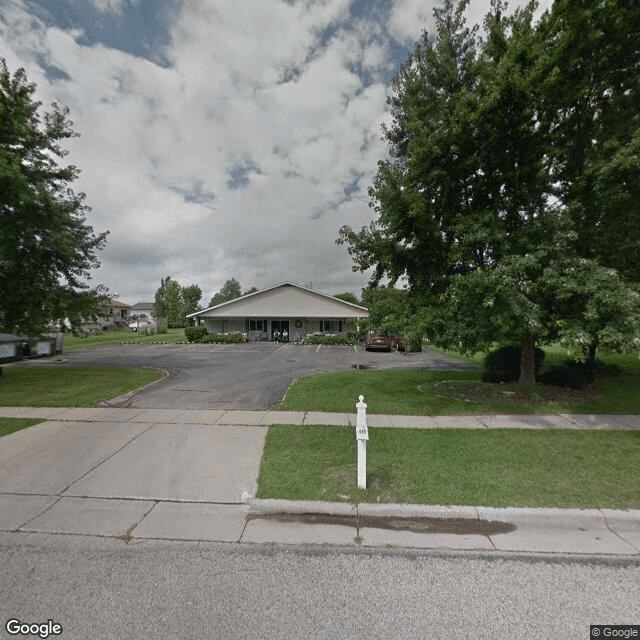
415 East Avenue, Belleville, WI 53508
For more information about senior living options: (866) 208-4318
Heartsong Assisted Living Costs & Pricing
Heartsong Assisted Living offers competitive pricing for its services, with a monthly cost of $2,900 for a one-bedroom unit. This rate is notably lower than the average costs in Green County, which stands at $3,223, and even more so compared to the overall state average of $3,412 for similar accommodations. By choosing Heartsong Assisted Living, residents can enjoy quality care and comfortable living arrangements at a more affordable price point relative to both county and state averages, making it an attractive option for families seeking supportive environments for their loved ones.
| Floor plans | Heartsong Assisted Living | Green County | Wisconsin |
|---|---|---|---|
| 1 Bedroom | $2,900 | $3,223 | $3,412 |
Memory care communities with a similar price nearby
-
from -$300 / mo
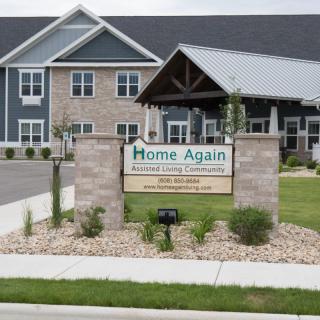
At Home Again Waunakee Memory Care
$2,600 to $3,600 / month22.2 miles away -
from +$350 / mo
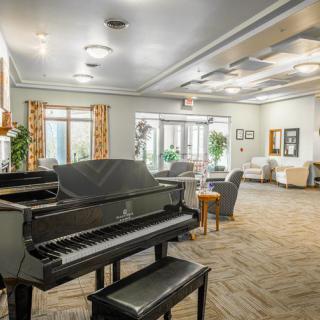
Coventry Village
$3,250 to $5,500 / month13.4 miles away -
from +$500 / mo
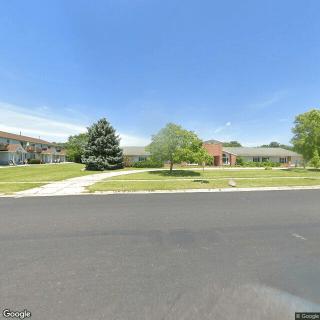
Serenity Homes - Stoughton
$3,400 / month15.1 miles away -
from -$536 / mo

Attic Angel Community
$2,364 to $7,650 / month15.1 miles away -
from -$156 / mo
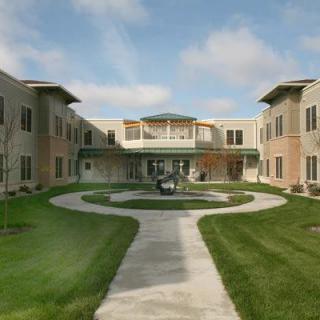
Oak Park Place Madison
$2,744 to $5,834 / month20.3 miles away
Overall Review of Heartsong Assisted Living
Pros
 The staff are very nice and friendly.
 - The environment feels like a little family.
- They offer many engaging events for residents.
- The food is home-cooked and well balanced.
- The staff provide great care and are consistently friendly to families, with prompt communication about issues.
- They are a true family-caring facility.
- The small size allows staff to accommodate residents' preferences and needs.
Cons
 The Heartsong facility was very small, like a dorm room with a bathroom down the hall.
- The owner was very short with residents and very rude to the employees.
- The owners were rude and insensitive to residents’ needs.
- The facility had a hard time keeping staff.
Review
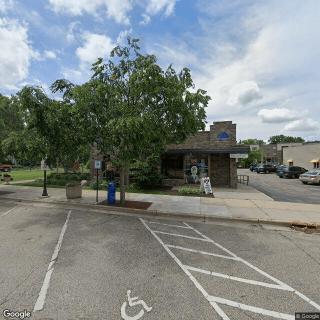
Heartsong Assisted Living in Belleville is best suited for families seeking an intimate, family-style setting where staff can form real relationships with residents and where daily life centers on personalized attention rather than institutional scale. The campus feels compact, almost dorm-like in its footprint, with a short hallway to a private bathroom for residents. It operates like a small, close-knit home, and that tone is reinforced by frequent resident activities, home-cooked meals, and lots of opportunities for residents to interact with staff and each other. For seniors who value warmth, daily engagement, and the sense that staff know their loved one’s routine, Heartsong offers a compelling match.
That strength, however, comes with a clear caveat: it may not be the right fit for those who require more private space, formal administrative polish, or a consistently steady management presence. Prospective families who prioritize large, amenity-rich campuses, rigid policies, or highly predictable staffing at all times may want to consider alternatives. The small scale can also mean tighter budgets for specialized medical oversight, fewer on-site medical options, and a culture that’s less formal in governance. If the resident needs a higher level of professional distance or a workspace with more standardized procedures, investigate other options first.
On balance, the strongest positives of Heartsong offset many of its drawbacks for the right resident. Multiple families praise attentive, caring staff who spend time with residents, engage in conversations, and maintain strong communication with relatives. The home-cooked meals, varied activities, and the sense that “the facility is a family caring facility” provide meaningful quality of life and daily purpose for many residents. The smaller setting makes it easier for caregivers to notice changes in health or mood and to tailor activities to individual preferences. When trouble arises, such as a health concern, the property has shown a readiness to call the ER or pull in family members quickly, a pattern that reflects real vigilance.
Yet the cons are not imaginary, and they matter. Several reviews point to the ownership as a friction point, with instances of owners appearing short with residents or employees. That behavior creates an undercurrent of tension that can undermine the otherwise warm, resident-centered culture. Staff turnover is another reality cited by multiple observers, which can translate to moments of inconsistency in routines or familiarity. The physical footprint reinforces the caution: the rooms are small, the dining area is modest, and the overall campus feels more dorm-like than resort-style, which may be limiting for couples or residents craving more privacy or a broader social calendar.
Ultimately, the team behind Heartsong earns its keep through genuine care, rapid family communication, and the ability to create a homey atmosphere that larger facilities often struggle to match. For families who prize immediacy of contact, visible warmth from caregivers, and a setting where staff can know a resident well and adapt quickly, the positives strongly offset the drawbacks. The facility’s small size often translates into hands-on attention and a sense of belonging that few larger communities can replicate. The presence of a waiting list that moves in a thoughtful, planful way can also be a strategic advantage for families wanting to lock in a future placement ahead of time.
For families evaluating Heartsong, the recommended approach is practical and pointed. Schedule a visit and observe how staff interact with residents in real time, not just during tours. Ask current residents and their families about how ownership is handling timely issues, and probe for concrete examples of staffing stability over the past six to twelve months. Confirm what medical oversight looks like on a day-to-day basis and how emergencies are documented and communicated to families. If these measures align with priorities, personalized attention, frequent family updates, and a warm, home-like daily rhythm, Heartsong stands as a compelling choice. If not, or if space, governance, or consistent staffing take precedence, it is wise to look elsewhere. Heartsong remains a strong candidate for those who value a genuine, small-community vibe and are willing to navigate a few ownership-related quirks in exchange for intimate care.
 16 resident community capacity
 1-bedroom apartments
 Assisted Living
 Board and Care Home
 Memory Care
 Activities on-site
 Bath tubs
 Beautician on-site
 Cable or satellite TV
 Devotional services off-site
 Dining room
 Fully furnished
 Garden
 Housekeeping services
 Indoor common areas
 Move-in coordination
 Outdoor space
 Respite or short term stays offered
 Telephone
 Wheelchair accessible showers
 Wi-Fi/high-speed internet available
 Dane County Regional (22 miles away)
 24-hour supervision
 Ambulatory care
 Assistance with bathing
 Assistance with dressing
 Assistance with transfers
 Diabetes diet
 Diabetic care
 Hospice waiver
 Incontinence care
 Meal preparation and service
 Medication management
 Mental wellness program
 Special dietary restrictions
 Transportation arrangement (medical)
 Transportation to doctors appointments


 5 Early Indicators of Dementia and What You Can Do
 8 Important Indicators That Memory Care May Be Necessary
 Delving into the Inner World of Dementia: Insights into Thoughts and Awareness