


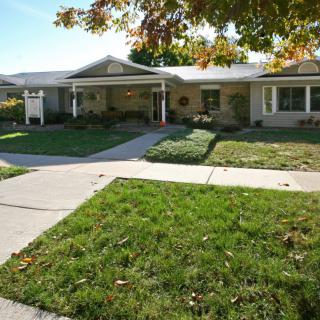
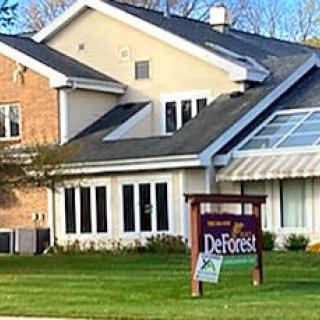
700 Clark Street, Lodi, WI 53555
For more information about senior living options: (866) 208-4318
Overall Review of Divine Rehabilitation And Nursing At Lodi
Pros
 Divine Rehabilitation and Nursing at Lodi is described as having friendly, professional, attentive, kind, caring, and helpful staff.
- The facility is noted for excellent and prompt communication with families.
- A variety of activities and services keep residents engaged and interested.
- The staff are recognized for going the extra mile to provide top-quality care.
- The nutritionist is highlighted as exceptional in supporting residents’ needs.
- The facility is described as clean with compassionate care.
- Nursing staff listen to residents and maintain strong, quality communication.
Cons
 The quality of the facility has declined considerably in the last few months.
- There was a $180,000 fine paid by the facility for a deficiency related to possible abuse.
- Door alarms were not functional and the back door was reported as broken.
- Rooms were dirty, floors filthy, and cleaning wasn’t done regularly because staff didn’t want to wake the resident.
- Calls were no longer returned, and there was confusion about who the director was, with a temporary leader in place.
- Ownership information is unclear and turnover is high, suggesting a for-profit company focused on profits over people.
- The reviewer would not recommend the facility and warned that staff could be paid poorly or shortchanged on their last paycheck.
Review
Divine Rehabilitation and Nursing at Lodi is best suited for families that prize sustained, personal attention from a motivated care team and want a facility where staff are consistently described as friendly, professional, and genuinely caring. The community works best for loved ones who benefit from regular engagement, reliable communication, and a structured program of activities that keeps residents mentally and socially connected. Families that live within a reasonable driving distance and value hands-on, daily reassurance from caregivers will find this setting particularly appealing. It is a place where the human touch matters and where families can feel their relative is surrounded by staff who take responsibility for comfort, safety, and day-to-day well-being.
Those weighing alternatives should pay close attention to leadership stability, maintenance reliability, and transparency in administration. Several reviews raise red flags about turnover in management, unclear ownership, and gaps in responsiveness from the front office. For families who require consistently fast, clear communication from a known point of contact, or who demand a facility with a spotless, uniformly run operations backbone, these concerns merit serious consideration. The risk of intermittent leadership, unanswered calls, and reported maintenance lapses makes this community less suitable for residents who need near-perfect reliability and predictable administrative workflows.
The strongest positives center on the care culture: a staff that residents and families describe as kind, attentive, and genuinely engaged, with nursing teams that listen and respond well to concerns. Residents are reported to benefit from a range of activities designed to keep them engaged, and there is praise for nutrition-focused staff, illustrated by specific notes about thoughtful meals and attentive dietary support. Communication is repeatedly highlighted as prompt and clear, which matters greatly for families navigating daily care decisions and evolving medical needs. The consistency of this human-centered approach can offset some operational roughness for residents who thrive on stable, person-to-person interactions.
Yet the drawbacks cannot be dismissed. Observed lapses in housekeeping and room cleanliness, evidence that door alarms or security features were not functioning, and reports of back doors in disrepair point to safety and dignity concerns if left unaddressed. The backdrop of high turnover and questions about who exactly leads the facility diminishes confidence in long-term reliability, especially for families seeking continuity of care over many months or years. Reports of financial or structural strains, such as fines related to deficiencies and a sense that profit pressures may overshadow patient-centered care, intensify reservations for those weighing very high-stakes decisions.
These pros and cons interact in a way that creates a clear decision fork. For families prioritizing warmth, daily attentiveness, and a care-forward culture, Divine can deliver meaningful, observable value. The drawback, however, is that the same environment may feel unstable or reactive if administrative consistency and maintenance reliability are critical criteria. If a resident requires a facility with flawless safety systems, predictable housekeeping, and a transparent, stable leadership team, this community will demand careful, proactive verification before committing. Improvements are noted by some families, suggesting a trajectory toward better reliability, but the current mix of strengths and vulnerabilities warrants disciplined due diligence.
In making a choice, prospective families should schedule multiple visits at different times, request to meet the actual administrator on site, and ask for a current, concrete plan addressing maintenance and alarm-system effectiveness. Verify the latest staffing levels in key shifts, review the activity calendar for ongoing resident engagement, and probe the dietitian or nutritionist for specifics about personalized meal plans. Clarify billing practices, ownership structure, and any recent sanctions or corrective actions to understand the financial and governance landscape. Divine stands out as a compassionate, capability-driven option for those who can tolerate occasional operational bumps in exchange for consistently attentive care and real human warmth.
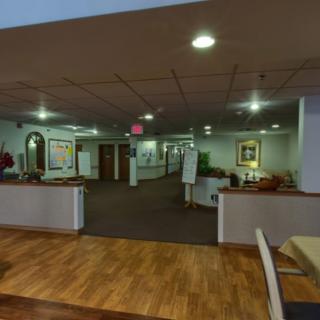
 50 resident community capacity
 Skilled Nursing Facility
 Beauty salon
 Cable or satellite TV
 Dining room
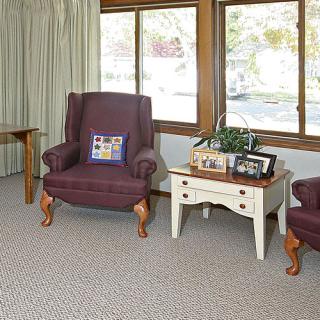
 Fully furnished
 Garden
 Housekeeping services
 Kitchenette
 Move-in coordination
 Outdoor space
 Restaurant-style dining
 Small library
 Telephone
 Wi-Fi/high-speed internet available
 Dane County Regional (16 miles away)
 24-hour call system
 Activities of daily living assistance
 Assistance with bathing
 Assistance with dressing
 Assistance with transfers
 Diabetes diet
 Medication management
 Mental wellness program
 Special dietary restrictions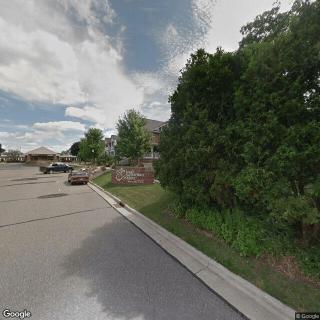


 Comprehensive Look at Senior Blood Pressure Charts: Normal and Elevated Levels by Age
 Top Canine Companions for Older Adults
 Comprehensive Guide to Blood Pressure Charts for Older Adults: Understanding Normal and High Readings by Age