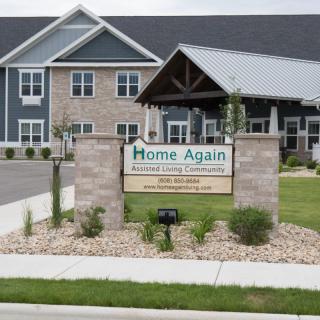
Lodi Assisted Care in Lodi, WI

Save

  • Interior

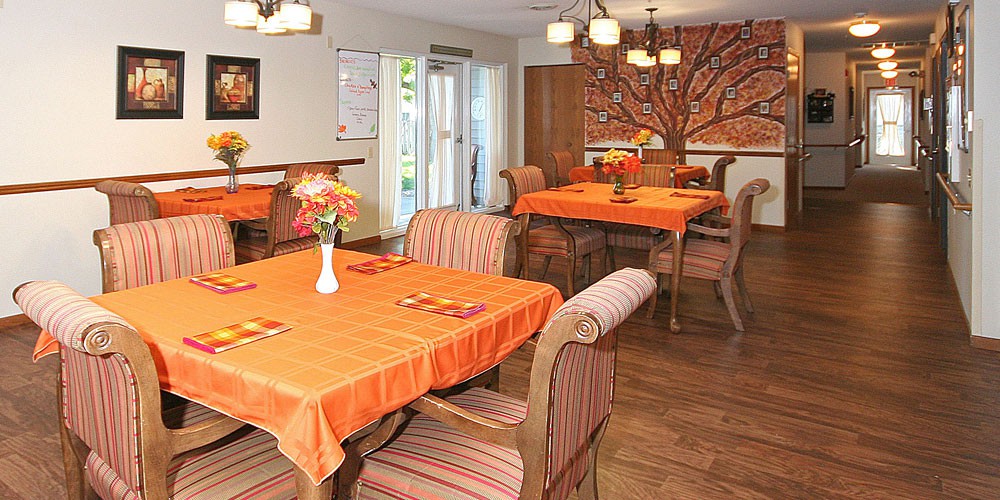
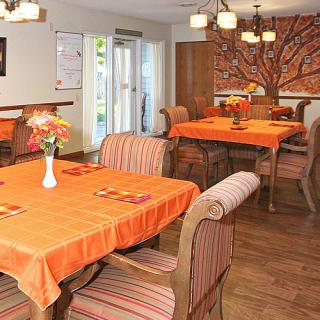
    A cozy dining area featuring tables with orange tablecloths and floral decorations.
  • Decor

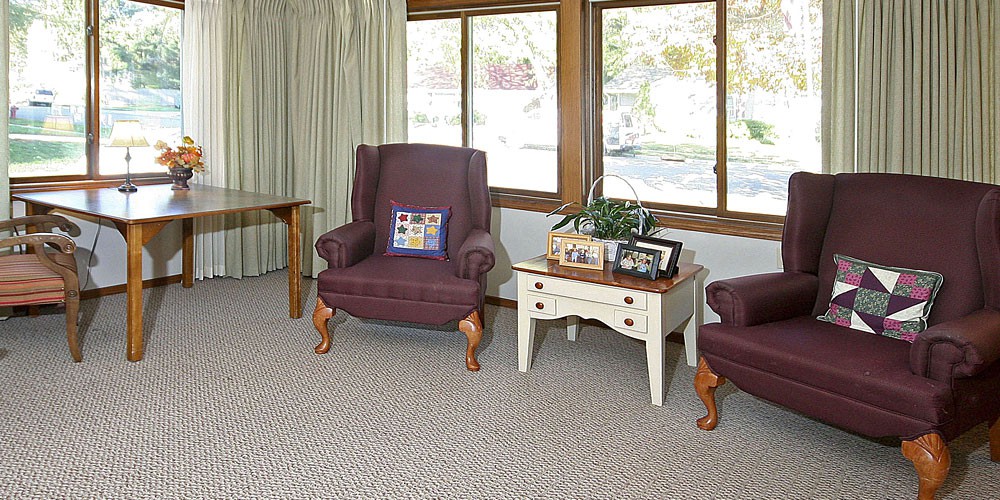
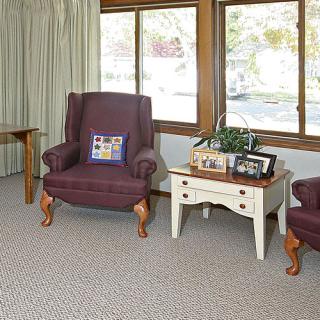
    A cozy living room with armchairs and a coffee table near large windows.
  • Trees

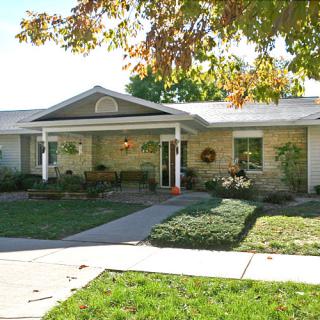
    A suburban house with well-maintained landscaping and a welcoming front porch.
  • Landscaping

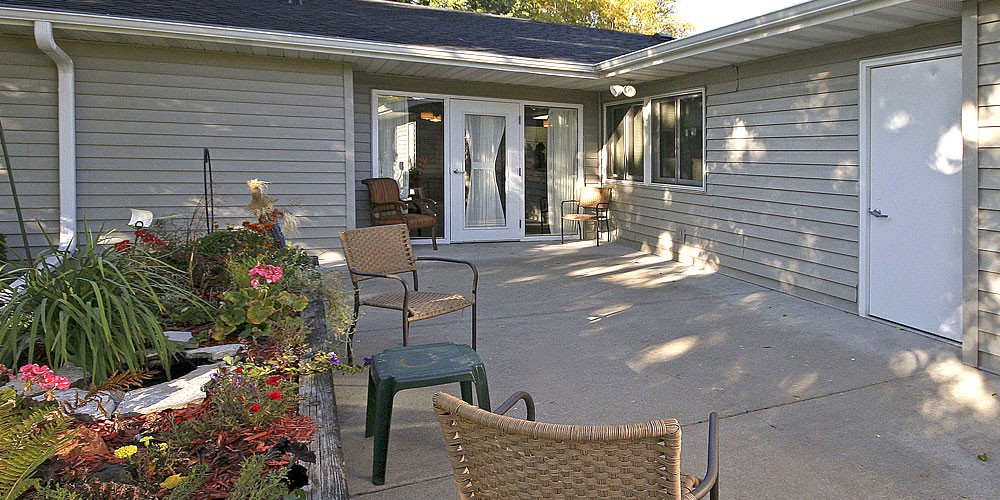
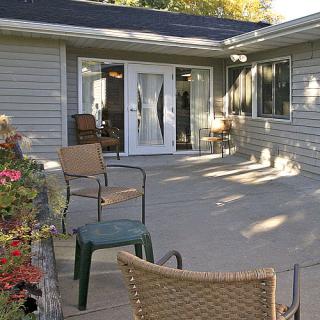
    A peaceful backyard patio area with chairs, leading to the house through French doors.
  • Kitchen

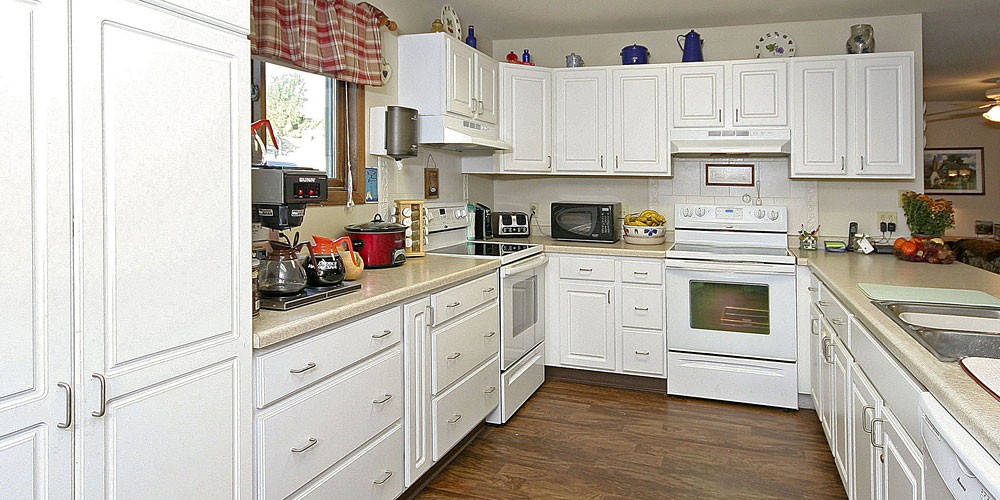
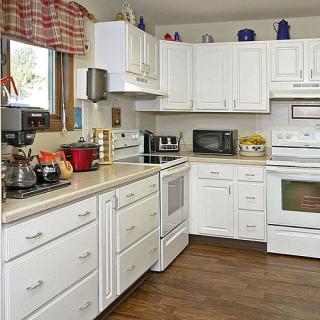
    A cozy kitchen featuring white cabinets and modern appliances.
  • Outdoor Seating

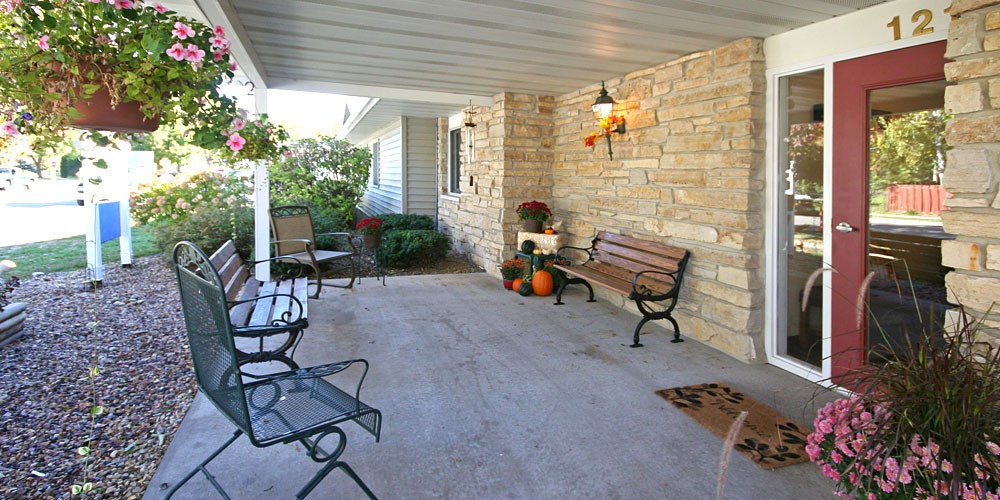
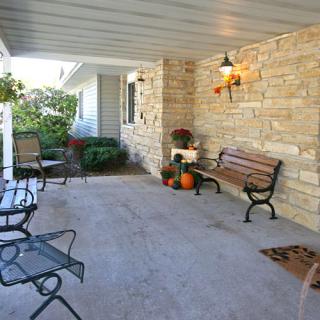
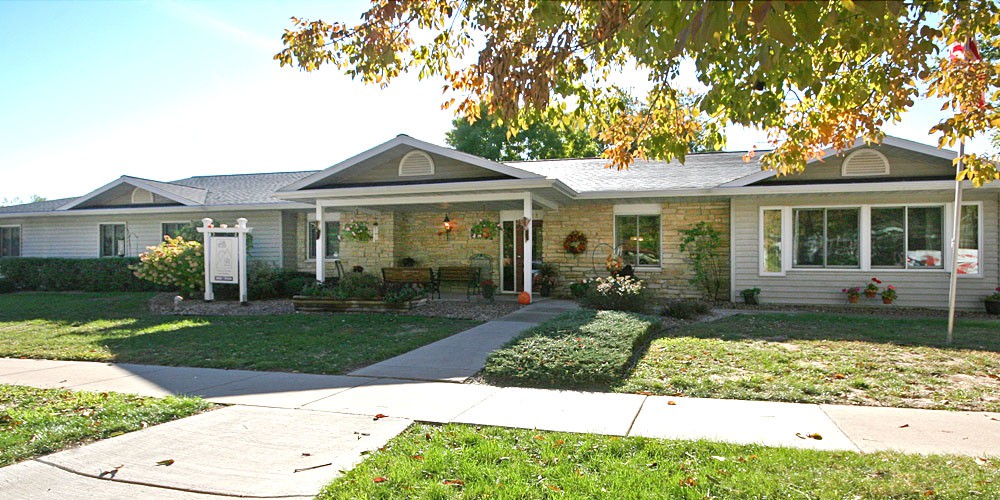
    A cozy porch with seating and fall decorations, featuring a bench and pumpkins by a stone wall.

Lodi Assisted Care in Lodi, WI

121 Second Street, Lodi, WI 53555

For more information about senior living options: (844) 490-3973

4.8 from 40 reviews
5 stars
36
4 stars
3
3 stars
0
2 stars
0
1 stars
1

Assisted Living Memory Care

Overall Review of Lodi Assisted Care

Pros

  • pro The team provides amazing care and consistently goes above and beyond for residents.
  • pro The staff make the community feel like home with a welcoming, caring environment.
  • pro The facility is extremely clean and the staff are consistently friendly and helpful.
  • pro The residents enjoy a warm, fun atmosphere with engaging activities and events.
  • pro Families would highly recommend this community for full-time elder care.
  • pro The atmosphere is homey and peaceful, supporting residents' well-being.
  • pro The staff are kind, attentive, and responsive to residents' needs.
  • pro The environment invites smiling residents and positive interactions among staff and families.
  • pro Jan and the team consistently go the extra mile to ensure residents are well cared for.
  • pro The community fosters meaningful connections and family involvement through events and outings.

Cons

  • pro The distance to the facility was too far to travel.

Review

Lodi Assisted Care in Lodi, Wisconsin is best suited for families seeking a small, home-like senior living option where personalized attention and a warm, caregiver-led culture are the centerpiece. The community operates with a notably intimate footprint - roughly 15 residents - in which staff develop meaningful relationships, remember preferences, and create a true sense of belonging. Reviews repeatedly celebrate a homelike atmosphere, where daily life feels focused on comfort, courtesy, and genuine connection rather than clinical formality. For residents who prize clean, well-kept spaces, friendly faces, and regular engagement in activities and special events, this is a place that delivers on emotional and social well-being in a tangible way.

That said, some families will want to consider alternatives depending on distance, scope, and future care needs. Larger campuses with more extensive medical services or a broader continuum of care can be compelling for those anticipating a transition to more intensive assistance. Distance can also matter: one reviewer noted that travel was a deterrent, which underscores a practical constraint for relatives who wish to visit frequently or live farther away. In short, the strongest fit is for those who value intimacy and consistent, attentive care, rather than a broad-spectrum facility with a wide array of on-site amenities.

The core advantages align closely with the realities of a small, purposefully intimate community. Staff are repeatedly described as kind, welcoming, and highly responsive, with management - often highlighted as going "the extra mile" - who make families feel informed and supported. Cleanliness is a persistent plus, reinforcing a sense of pride in the environment. Residents benefit from frequent, hands-on programming and homestyle events, which foster social connection and contribute to mental well-being. The setting also supports creatures of comfort - pets and therapy dog visits - along with outdoor spaces where residents can stroll, garden, or simply breathe fresh air. Food and daily routines receive tangible praise, reinforcing the perception that care is practiced with heart as much as skill.

Yet the small size does carry trade-offs. The most evident potential drawback is a more limited array of amenities and services compared with larger communities, making it important to align expectations with what is actually available on-site. For families needing robust medical oversight, 24/7 nursing capabilities, or specialized memory care, it is prudent to confirm whether these supports exist within the community or if a transfer to a different setting will be necessary down the line. Location can amplify or mitigate this concern: an excellent, intimate home may still feel distant if frequent visits are logistically challenging. Prospective residents should explicitly explore what's included in the care plan, how emergencies are handled, and whether the setting can adapt if care needs escalate.

Decision-making for this community should center on visits that probe both culture and capability. Tours should observe staff-resident interactions, evaluate how quickly concerns are addressed, and assess whether the day-to-day life feels lively and purposeful. Key questions to pursue include exact staff-to-resident ratios, the frequency and variety of activities, family visitation policies, meal options, pet guidelines, and the transparency of cost structures. The testimony from families about Jan and the leadership team emphasizes accessibility and problem-solving, a dynamic that can profoundly affect satisfaction over time. Sourcing perspectives from current residents and their families during tours can illuminate whether the "homey" vibe translates into consistent day-to-day comfort.

Bottom line: Lodi Assisted Care stands out as a remarkably strong choice for families prioritizing warmth, intimacy, and a genuine sense of home. The community earns a 4.8 rating from 40 reviews, a signal of broad satisfaction with the care team, cleanliness, and the daily environment. For residents who thrive in a small, neighborly setting - where staff know names, events feel personal, and families are welcomed into the rhythm of life - this option is compelling and often transformative. However, for those with anticipated needs for broader on-site medical services, a larger campus, or a location with easier access for frequent visits, exploring alternatives makes sense. When the priority is a true home where care feels personal and consistently compassionate, Lodi Assisted Care warrants strong consideration.

Features

Housing

  • 16 resident community capacity 16 resident community capacity
  • 1-bedroom apartments 1-bedroom apartments1-bedroom apartments are important for seniors because they provide a sense of independence, privacy, and autonomy while still offering the necessary space for comfortable living. These apartments allow seniors to maintain their own personal space and lifestyle preferences in a supportive community setting.

Types of Care

  • Assisted Living Assisted LivingAssisted living facilities provide crucial support and care for seniors who may need help with daily tasks such as medication management, bathing, and meal preparation. These communities offer a safe and comfortable environment where seniors can maintain their independence while receiving the assistance they need to thrive in their golden years.
  • Memory Care Memory CareMemory care is crucial for seniors as it provides specialized support and services for individuals with dementia or Alzheimer's disease. These programs offer a safe and secure environment where residents receive personalized care, cognitive stimulation, and help with daily activities. Memory care helps seniors maintain their independence, quality of life, and dignity while also providing peace of mind for their families.

Amenities

  • Cable or satellite TV Cable or satellite TVCable or satellite TV is important for seniors because it provides entertainment, news, and companionship, helping to combat loneliness and boredom. It also offers a wide range of programming options tailored to different interests and preferences.
  • Dining room Dining roomDining rooms are important for seniors as they provide a space for socialization, connection, and nutritious meals. They offer opportunities for residents to bond over shared meals, foster a sense of community, and promote healthy eating habits. Dining rooms also ensure that seniors have access to well-balanced meals tailored to their dietary needs and preferences.
  • Fully furnished Fully furnishedFully furnished senior living communities are important for seniors because they provide convenience, comfort, and a hassle-free moving experience. Seniors can easily settle into their new living space without the stress of having to buy and move furniture. This allows them to focus on enjoying their new home and community.
  • Garden GardenGardens are important for seniors as they provide a peaceful and therapeutic environment for relaxation, physical activity, and socialization. Being in nature has been shown to reduce stress, improve mood, and promote overall well-being. Gardens also offer opportunities for seniors to engage in gardening activities, which can improve mobility, flexibility, and cognitive function. Additionally, gardens create a sense of community and connection with others who share a passion for plants and outdoor spaces.
  • Housekeeping services Housekeeping servicesHousekeeping services are important for seniors because they help maintain a clean and safe living environment, promote independence, and reduce the risk of accidents or illnesses. Additionally, having assistance with household chores can alleviate physical strain and allow seniors to focus on other aspects of their well-being.
  • Move-in coordination Move-in coordinationMove-in coordination is important for seniors because it helps ease the transition into their new living environment. It ensures that all logistics, such as packing, organizing movers, and setting up utilities are taken care of, allowing seniors to focus on settling in and adjusting to their new home. Having a smooth move-in process can alleviate stress and anxiety, making the transition smoother and more enjoyable for seniors.
  • Outdoor space Outdoor spaceOutdoor spaces are important for seniors as they provide opportunities for physical activity, social interaction, exposure to natural light and fresh air, and a sense of connection to nature. Having access to outdoor spaces can improve overall well-being and quality of life for older adults living in senior communities.
  • Telephone TelephoneTelephones are important for seniors as they provide a lifeline for communication with loved ones, emergency services, and healthcare providers. They offer a sense of security and independence, enabling seniors to stay connected and access assistance when needed.
  • Wi-Fi/high-speed internet available Wi-Fi/high-speed internet availableWi-Fi/high-speed internet is important for seniors to stay connected with loved ones, access online resources, and participate in virtual activities to combat feelings of loneliness and isolation. It also allows them to easily manage healthcare needs, access entertainment, and engage in lifelong learning opportunities.

Transportation

  • Dane County Regional (15 miles away) Dane County Regional (15 miles away)

Care Services

  • 24-hour supervision 24-hour supervision24-hour supervision is important for seniors to ensure their safety, well-being, and access to immediate assistance in case of emergencies or health issues. This constant support provides peace of mind for both seniors and their loved ones, allowing them to age in place with dignity and security.
  • Activities of daily living assistance Activities of daily living assistanceActivities of daily living assistance are important for seniors because they provide essential support with tasks such as eating, bathing, dressing, and mobility. This assistance helps seniors maintain their independence, dignity, and overall quality of life as they age.
  • Assistance with bathing Assistance with bathingAssistance with bathing is crucial for seniors as it helps maintain personal hygiene, prevents infections, and ensures their overall well-being and comfort. It also provides a sense of dignity and independence for seniors who may struggle with this task on their own.
  • Assistance with dressing Assistance with dressingAssistance with dressing is important for seniors because it helps maintain their independence, promotes personal hygiene, prevents accidents and injuries, and improves overall quality of life. This service ensures that seniors can continue to dress comfortably and confidently, despite any physical limitations they may have.
  • Assistance with transfers Assistance with transfersAssistance with transfers is crucial for seniors as it helps prevent falls and injuries, maintains their independence, and ensures they can safely navigate their living environment. It also provides peace of mind for both seniors and their loved ones.
  • Coordination with health care providers Coordination with health care providersCoordination with health care providers is crucial for seniors to ensure proper medical care, medication management, and overall well-being. This collaboration helps prevent overlapping treatments, track progress more effectively, and provide comprehensive support tailored to individual needs.
  • Dementia waiver Dementia waiverDementia waivers are essential for seniors as they provide critical protections and accommodations for those experiencing cognitive decline. These waivers ensure individuals with dementia receive appropriate care, support, and resources to maintain their quality of life and dignity as they navigate the challenges of this progressive condition.
  • Diabetes diet Diabetes dietA diabetes diet is crucial for seniors as it helps manage blood sugar levels, reduce risks of complications, and improve overall health and well-being. By following a balanced and nutritious diet tailored to their specific needs, seniors can better control their diabetes and enhance their quality of life.
  • Hospice waiver Hospice waiverHospice waivers are important for seniors because they allow individuals to receive specialized end-of-life care and support at home or in a hospice facility. This waiver ensures that seniors can access the necessary resources and services to maintain comfort and dignity during their final days.
  • Meal preparation and service Meal preparation and serviceMeal preparation and service are crucial for seniors as they may have limited mobility or energy to cook nutritious meals. Having access to healthy and convenient food options can ensure they are getting the proper nutrition needed to maintain their overall health and well-being.
  • Medication management Medication managementMedication management is crucial for seniors to ensure they are taking the right medications at the correct dosages and times. This helps prevent adverse drug interactions, reduces the risk of medication errors, and promotes overall health and well-being. Proactive management also allows for adjustments as needed based on changing health conditions or new prescriptions.
  • Mental wellness program Mental wellness programMental wellness programs are essential for seniors as they promote cognitive stimulation, emotional support, and social engagement. These programs help prevent isolation, depression, and cognitive decline, ultimately enhancing the overall quality of life for older adults.
  • Mild cognitive impairment Mild cognitive impairment"Mild cognitive impairment" is important for seniors because it is an early stage of cognitive decline that can potentially progress to more severe conditions such as dementia. Recognizing and addressing mild cognitive impairment can help seniors receive appropriate care and support to maintain their quality of life and independence for as long as possible.
  • Special dietary restrictions Special dietary restrictionsSpecial dietary restrictions are important for seniors because age-related changes in metabolism and health conditions can make it difficult for their bodies to process certain foods. By following a diet tailored to their specific needs, seniors can maintain their overall health and well-being, manage chronic conditions, and reduce the risk of complications such as malnutrition or food interactions with medications.
  • Specialized memory care programming Specialized memory care programmingSpecialized memory care programming is crucial for seniors with cognitive impairments such as dementia or Alzheimer's disease. These programs provide a safe and supportive environment tailored to the unique needs of individuals with memory loss, helping them maintain their independence, dignity, and quality of life.
  • Transportation arrangement (medical) Transportation arrangement (medical)Transportation arrangements for medical purposes are essential for seniors as they may have difficulty driving themselves to appointments or accessing public transportation. Having reliable and safe transportation options ensures that seniors can receive timely medical care and maintain their health and well-being.
  • Transportation to doctors appointments Transportation to doctors appointmentsTransportation to doctors' appointments is crucial for seniors as it ensures they have access to necessary medical care and support for their health needs. Without reliable transportation, seniors may struggle to attend important appointments, leading to potential delays in treatment and health complications. Providing transportation services helps seniors maintain their overall well-being and quality of life.
Dining

  • Diabetes diet Diabetes dietA diabetes diet is crucial for seniors as it helps manage blood sugar levels, reduce risks of complications, and improve overall health and well-being. By following a balanced and nutritious diet tailored to their specific needs, seniors can better control their diabetes and enhance their quality of life.
  • Special dietary restrictions Special dietary restrictionsSpecial dietary restrictions are important for seniors because age-related changes in metabolism and health conditions can make it difficult for their bodies to process certain foods. By following a diet tailored to their specific needs, seniors can maintain their overall health and well-being, manage chronic conditions, and reduce the risk of complications such as malnutrition or food interactions with medications.

Activities

  • Community-sponsored activities Community-sponsored activitiesCommunity-sponsored activities are important for seniors as they provide opportunities for social interaction, mental stimulation, and physical activity. These activities can help improve overall well-being, combat loneliness and isolation, and promote a sense of belonging and purpose among older adults.
  • Scheduled daily activities Scheduled daily activitiesScheduled daily activities are important for seniors because they provide structure, socialization, mental stimulation, and physical activity. Engaging in regular activities can improve overall well-being and quality of life for seniors living in a community setting.

Description

Lodi Assisted Care is a trusted and reputable assisted living community located in the peaceful town of Lodi, Wisconsin. Our community specializes in providing high-quality memory care services for seniors who require assistance with their daily living activities.

At Lodi Assisted Care, we prioritize the comfort and well-being of our residents by offering a variety of amenities. Our dining room provides nutritious meals to accommodate special dietary restrictions, ensuring that our residents receive proper nutrition. Each living space is fully furnished, creating a cozy atmosphere that feels like home. Our beautiful garden and outdoor spaces allow residents to enjoy fresh air and nature. We also provide housekeeping services to maintain a clean and tidy environment for our residents.

Additionally, we understand that moving into an assisted living community can be overwhelming for both seniors and their families. That's why our dedicated staff offers move-in coordination services, providing support and guidance during this transition period. We also offer Wi-Fi/high-speed internet and telephone services so that residents can easily stay connected with their loved ones.

Our highly trained caregivers are committed to providing personalized care services tailored to each individual's needs. This includes assistance with activities of daily living such as bathing, dressing, and transfers. We also coordinate with health care providers to ensure our residents receive comprehensive medical care. For those requiring specialized memory care, we offer programs specifically designed to support individuals with dementia or mild cognitive impairments.

At Lodi Assisted Care, we understand the importance of mental wellness for our residents. That's why we provide a mental wellness program that promotes emotional well-being through engaging activities and therapies.

For seniors who require transportation for medical purposes or doctor's appointments, we arrange transportation services for their convenience.

In addition to the exceptional care and amenities we provide within our community, there are also several resources available nearby. There are two pharmacies conveniently located nearby to meet any medication needs, as well as a physician's office for regular check-ups or consultations. Three restaurants offer residents various dining options, and there is also a place of worship nearby for spiritual support.

Lodi Assisted Care is dedicated to creating a warm and supportive environment where seniors can thrive. We invite you to visit our community and experience the compassionate care we provide.

Nearby Places of Interest

Restaurants

  • Lagrotta Wine Bar (0.1 miles)
  • Luckys Bar Grille On The Lake (3.9 miles)
  • Fitz's On The Lake (3.9 miles)
  • Fish Tales (5.7 miles)
  • J Henry & Sons (5.9 miles)
  • Ferry Landing Concessions (6.3 miles)
  • McDonald's (6.4 miles)

Pharmacies

  • Harris Pharmacy (0.6 miles)
  • Anteco Pharma (1 miles)
  • Home Town Pharmacy (8.6 miles)
  • Walgreens (9.1 miles)
  • Home Town Pharmacy (9.2 miles)
  • Eannelli Pharmacy (9.8 miles)
  • Scientific Protein Laboratories (9.8 miles)

Physicians

  • Lodi Medical Clinic (0.9 miles)
  • May Vision Center (9 miles)
  • Erdman, Boyd Madison Vein and Laser Institute (9.3 miles)
  • Prairie Clinic Sc (9.9 miles)
  • Prairie Clinic (9.9 miles)
  • Dean Clinic (9.9 miles)
  • Dean Occupational Medicine (9.9 miles)

Places of Worship

  • St Michael's (4.7 miles)
  • Hmong Madison Seventh-Day Adventist Group (8.1 miles)
  • Poynette Presbyterian Church (8.3 miles)
  • New Hope Community Church (9 miles)
  • Zion Evangelical Lutheran Church Wels (9.2 miles)
  • Norway Grove Memorial Lutheran Church Elca (9.8 miles)
  • Calvary Baptist Church (10 miles)

Parks

  • Audubon Goose Pond State Natural Area (8.2 miles)
  • Ripp Park (9.2 miles)
  • Centennial Park (9.6 miles)
  • August Derleth Park (9.8 miles)
  • Indian Lake County Park (9.8 miles)
  • Miller & Associates - Sauk Prairie (10.1 miles)
  • Western Green Area Park (10.2 miles)

Hospitals

  • Sauk Prairie Memorial Hosp (9.8 miles)
  • Sauk Prairie Memorial Hospital & Clinics (9.9 miles)

Transportation

  • Middleton Municipal - Morey Field (14 miles)

Frequently Asked Questions

What floor plans and room types does Lodi Assisted Care offer?
Where is Lodi Assisted Care?
Does Lodi Assisted Care provide care for residents with dementia or Alzheimer's disease?
What photos are available for Lodi Assisted Care in Lodi, Wisconsin?

Nearby Communities

  • Our House Senior Living Assisted Care - Lodi

    Our House Senior Living Assisted Care - Lodi

    Lodi, WI

    4.8 from 42 reviews
    $3,550 / month

    pro Homelike atmosphere with supportive staff and engaging activities.

  • Pleasant Vallley

    Pleasant Vallley

    Lodi, WI

     
    $2,363 / month

    pro Lower-cost private rooms compared to Dane County and Wisconsin averages

  • Mendota Assisted Living

    Mendota Assisted Living

    Lodi, WI


    pro Small, intimate community with broad care services and convenient on-site amenities.

  • Settlers' Trail

    Settlers' Trail

    Lodi, WI

     
    $5,035 to $6,545 / month

    pro Warm, welcoming assisted living with supportive staff.

  • Divine Rehabilitation And Nursing At Lodi

    Divine Rehabilitation And Nursing At Lodi

    Lodi, WI


    pro Fully furnished apartments with restaurant-style dining and 24-hour supervision.

  • Haven Hills

    Haven Hills

    Lodi, WI

    5 from 1 review
    $4,000 / month

    pro Personalized care with memory care options in a small, intimate community.

  • Waunakee Manor

    Waunakee Manor

    Waunakee, WI

    2.9 from 38 reviews
    $2,200 to $3,200 / month

    pro Clean, well-maintained facility with friendly staff and engaging activities.

  • DeForest Place

    DeForest Place

    Windsor, WI

    3 from 8 reviews
    $3,750 to $5,153 / month

    pro Well-maintained, welcoming community with friendly staff and engaging activities.

  • At Home Again Waunakee Memory Care

    At Home Again Waunakee Memory Care

    Waunakee, WI

    4.7 from 26 reviews
    $2,600 to $3,600 / month

    pro Attentive staff and well-maintained, engaging amenities.

Related Resources

  • when should someone with dementia go into a care home8 Important Indicators That Memory Care May Be Necessary

    The article highlights eight indicators that a loved one with dementia may require specialized memory care, emphasizing the emotional and logistical challenges families encounter in this decision. It discusses signs such as difficulties with daily tasks, safety concerns, and caregiver burnout, suggesting that memory care facilities can provide the necessary support and structured environments for those experiencing cognitive decline.

  • what do dementia patients think aboutDelving into the Inner World of Dementia: Insights into Thoughts and Awareness

    Dementia, primarily caused by Alzheimer's disease but also linked to other conditions, leads to cognitive decline impacting memory and daily functioning, with individuals experiencing varied awareness of their impairments. Despite memory loss, emotional connections persist, enabling responses to familiar stimuli, highlighting the need for caregivers to provide compassionate support that recognizes both limitations and retained emotional depth.

  • does my mom have dementia quizFive Subtle Dementia Indicators to Observe: An In-Depth Guide to Understanding “Does My Mom Have Dementia?”
    The article presents five subtle indicators of dementia, such as memory lapses and mood swings, to help families assess cognitive decline in loved ones. It emphasizes early detection, open communication, and seeking professional help while providing practical support steps.