Multiple reviewers describe serious breakdowns in day-to-day nursing care and safety.
Several reviewers recount preventable problems, including wound care and infection concerns, medication or monitoring issues, and incidents that led to hospitalizations. One reviewer also describes poor hydration and nutrition monitoring, along with concerns about swallowing and choking risk. Others write that staff left residents waiting, mishandled care needs, or did not provide adequate follow-through. A number of these reviews frame their experience as neglect and urge families to visit often and question care practices.
caveat4 reviews mention this
Staffing and call light issues
Residents and families mention staffing gaps and slow responses during urgent moments.
A few reviewers say the facility felt understaffed, especially at night or after changes to staffing. One family describes a sparse night crew and a long wait after a discharge-related morning routine. Another reviewer reports that call lights could go unanswered for long stretches. One also notes delays in staff responding to assistance requests, even while acknowledging that visits were sometimes quick.
common16 reviews mention this
Friendly, caring staff show up
Many reviewers describe staff as knowledgeable, helpful, and genuinely caring.
Across the reviews, families frequently say nurses, CNAs, and therapy staff were responsible, attentive, and easy to work with. Several reviewers specifically call out caring bedside support and friendliness during visits. Others praise the rehab side and describe strong teamwork with physical and occupational therapy. While a smaller set of reviews raises problems with care and communication, a large portion of reviewers focus on staff being kind and supportive.
common10 reviews mention this
Clean facilities and good upkeep
A consistent theme is that the building feels clean and well maintained.
Multiple reviewers comment on cleanliness and say rooms and common areas were neat or well kept. Several also describe the facility as modern and maintained, including positive comments about cleanliness during rehab stays. A few reviews contrast this with care concerns, but still mention the environment as clean. Overall, cleanliness comes through as a frequently repeated point in the feedback.
common4 reviews mention this
Food quality is mixed
Dining feedback runs from improved meals to concerns about food quality.
Some reviewers say meals were improved and describe the dining room as a positive part of daily life. One reviewer mentions flavored water options and notes that residents could drink it easily. Others report dissatisfaction, including a comment that the food was lousy. A separate reviewer describes meals as varied and of decent quality, suggesting experiences can differ by stay or unit.
caveat2 reviews mention this
Rooms feel small and pricey
Pricing and room size are recurring complaints, especially around shared bathrooms.
A couple of reviewers describe units as too small, pointing to limited storage and difficulty fitting furniture for wheelchair access. One reviewer specifically calls out a shared bathroom and says the cost felt out of proportion to the space provided. Another review says the facility is expensive, reinforcing cost as a concern alongside comfort and layout.
common4 reviews mention this
Activities and therapy support
Reviews mention therapy schedules and on-site activities.
Several reviewers talk about the rehab and therapy side, including regular sessions and people working with residents as part of recovery. Others mention activities like bingo and organized group events. One reviewer also notes that the resident’s ability to participate changed during a period of decline, while still framing it as tied to care needs. Taken together, the reviews suggest daily programming is available, though participation may vary by resident condition and care experience.
How we summarize
Counts show how many written reviews mention each theme; a review can touch several themes, and only frequently mentioned themes are displayed.
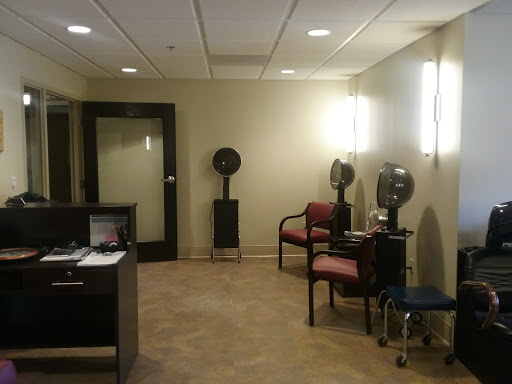
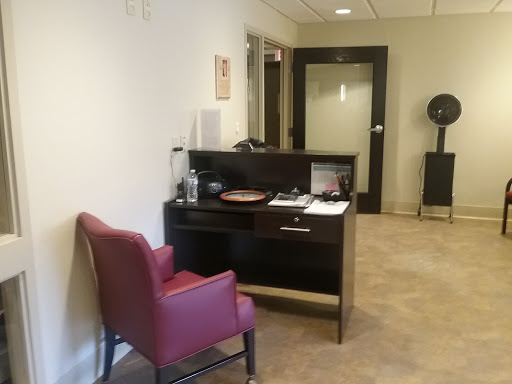
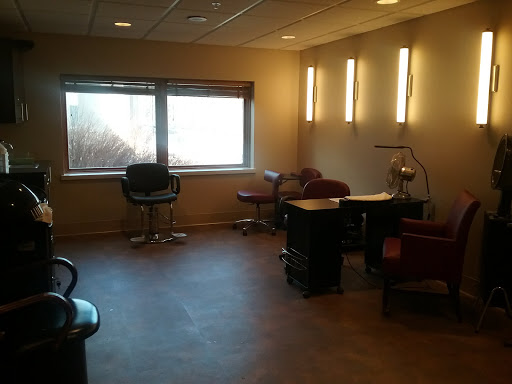
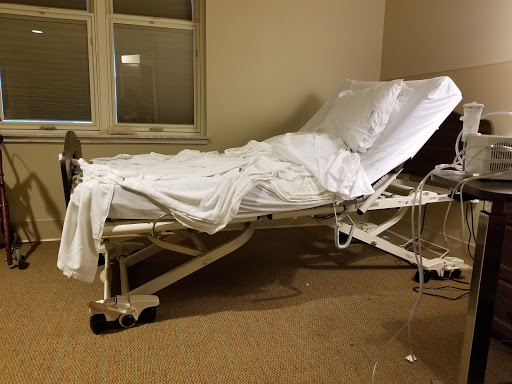
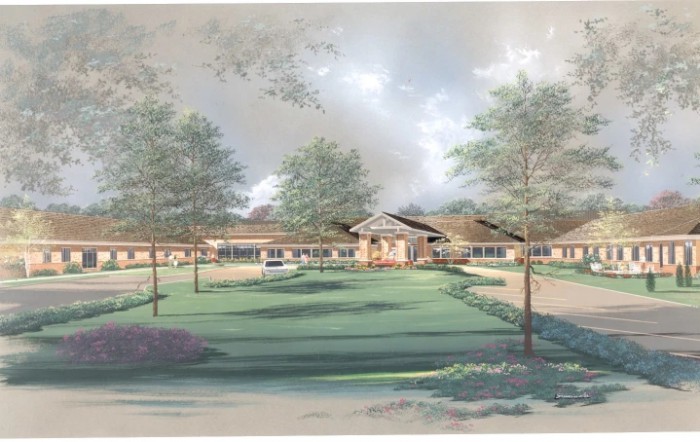
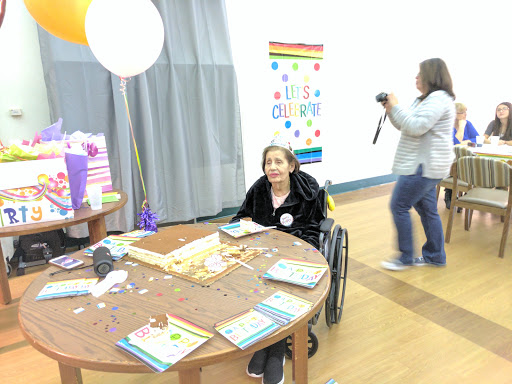
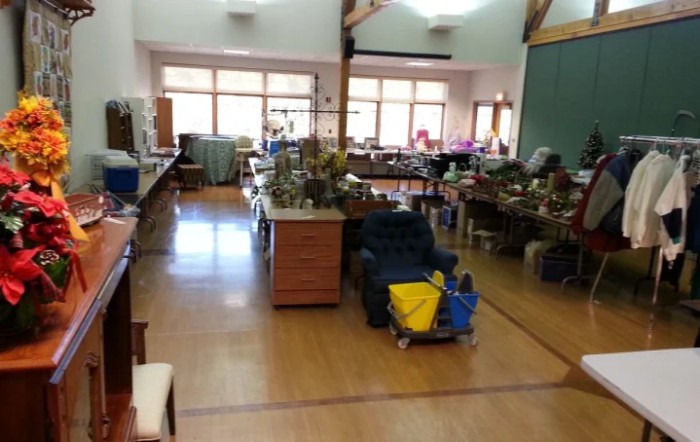
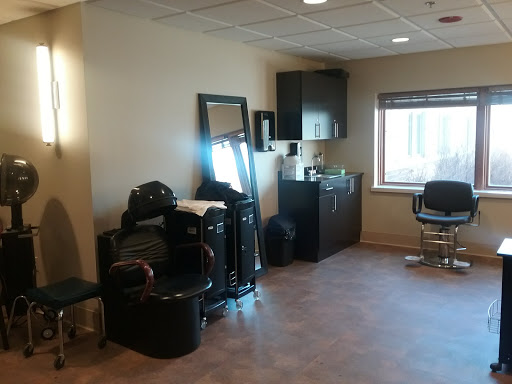
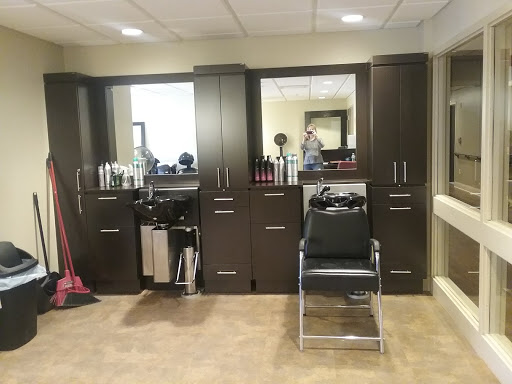
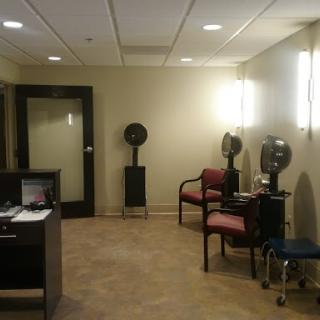
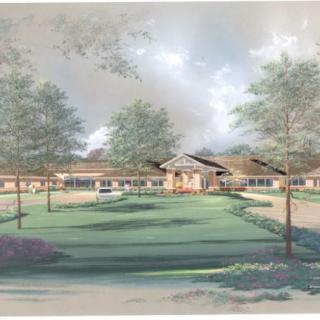
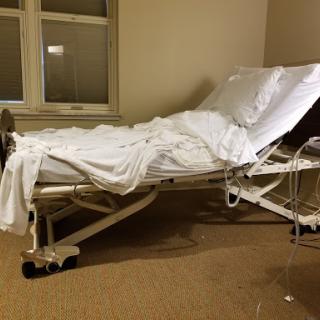
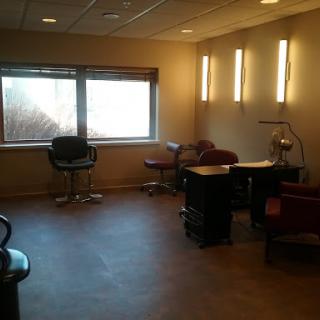
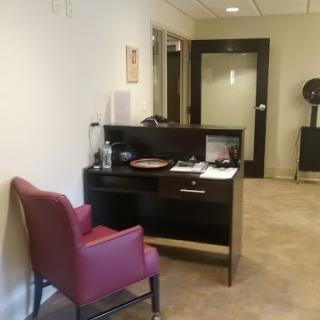
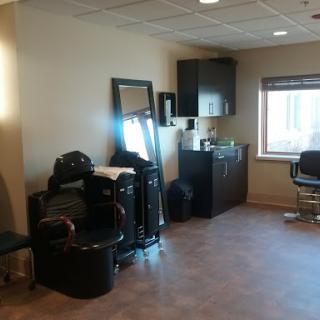
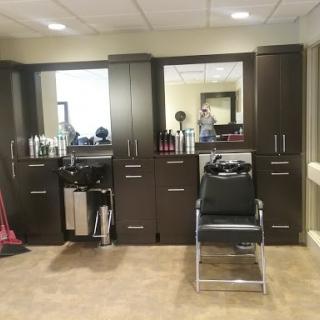
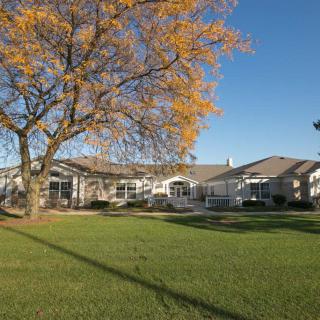
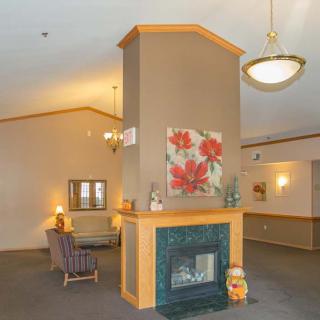
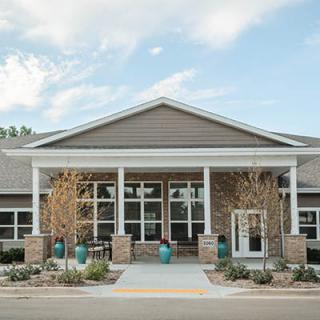
Brookside Care Center on seniors.fyi includes 12 photos including images showing interior, salon, windows, wheelchair, waiting area, office, landscaping, mirrors, and more.
Nearby Communities
Willowbrook Assisted Living
Kenosha, WI
3.7 from 3 reviews
Spacious, homelike rooms with engaging activities and nutritious meals.
Manor Of Kenosha
Kenosha, WI
2.9 from 8 reviews
Caring staff and effective therapy; improvements under new management.
The Manor of Kenosha/Crossroads Property
Kenosha, WI
3.2 from 93 reviews
Effective rehabilitation with positive recovery outcomes for some residents.
Independent Living Adult Family Home
Kenosha, WI
3 from 4 reviews
Intimate 4-resident setting with personalized care and comprehensive services.
Kenosha Senior Living
Kenosha, WI
4.3 from 77 reviews
$5,000 / month
Warm, welcoming community with attentive staff and comfortable private rooms.
Kenosha Senior Living
Kenosha, WI
4.5 from 43 reviews
24/7 supervision with specialized memory care and daily living support.
Kenosha Place Senior Living
Kenosha, WI
4.2 from 64 reviews
$2,670 to $3,300 / month
Friendly staff, clean environment, and engaging activities.
Lakeside Towers
Kenosha, WI
3.9 from 9 reviews
Active independent living with a pet-friendly policy and nearby parks, dining, and healthcare.
Medicare covers in-home health care services, which are medical and provided by licensed professionals under a physician's supervision, whereas non-medical personal assistance is generally not covered unless part of a broader skilled care plan. Eligibility for benefits depends on being homebound and needing intermittent skilled services from a Medicare-certified agency, with specific coverage limitations and additional resources available for navigating options.
In-home care is increasingly sought after by older adults for maintaining independence, with average private home care rates in 2025 varying by state and service type, reflecting geographical and local labor market influences. As demand rises, families are considering funding options like Medicaid waivers and long-term care insurance to manage costs effectively while ensuring quality care.
Home health care has become essential for supporting independence among the aging population, offering diverse services such as skilled nursing and rehabilitation in familiar environments, while also incorporating technology for personalized care. Despite its benefits, including improved recovery rates and emotional well-being, challenges like safety, staff availability, and insurance navigation must be managed for effective implementation.
Get PricingAsk A QuestionSchedule A TourContact Senior Advisor
By clicking submit, you agree to our Partner's Terms of Use. You
also consent to receive calls and texts, which may be autodialed, from our Partner. Your consent is not a condition to
using our Partner's service. Please visit our Partner's Privacy Policy for information about their privacy practices.




 154 resident community capacity
 Skilled Nursing Facility
 Air-conditioning
 Beauty salon
 Cable or satellite TV
 Computer center
 Dining room
 Fitness room
 Fully furnished
 Gaming room
 Garden
 Housekeeping services
 Kitchenette
 Move-in coordination
 Outdoor space
 Private bathrooms
 Restaurant-style dining
 Small library
 Telephone
 Wellness center
 Wi-Fi/high-speed internet available
 General Mitchell International (24 miles away)
 Community operated transportation
 12-16 hour nursing
 24-hour call system
 Activities of daily living assistance
 Assistance with bathing
 Assistance with dressing
 Assistance with transfers
 Diabetes diet
 Medication management
 Mental wellness program
 Special dietary restrictions
 Concierge services
 Planned day trips
 Spacious, homelike rooms with engaging activities and nutritious meals.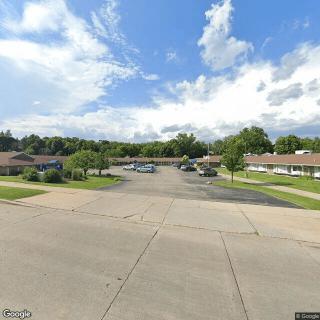

 Navigating Medicare Coverage for In-Home Care Services
 In-Home Care Costs in 2025: A Detailed State-by-State Exploration
 Understanding Home Health Care: A Comprehensive Guide