The Manor of Kenosha/Crossroads Property
Save3100 Washington Rd, Kenosha, WI 53144
For more information about senior living options: (844) 490-3973
This community is best suited for families that prize aggressive rehabilitation and thoughtful discharge planning, and who are prepared to advocate consistently on behalf of a loved one. The rehab wing, supported by a committed Social Services Director like Casey, can deliver meaningful progress and smooth transitions home when staffing is sufficient and communication is coherent. For short-term recuperation aimed at returning to independent living or a lower-acuity setting, The Manor can be a workable choice, provided there is a clear plan for daily oversight from family or a trusted advocate. It is less suited for families expecting uniform, high-level daily care without ongoing, vigilant involvement or for those seeking a consistently pristine environment and flawless day-to-day operations.
Those who may want to consider alternatives are families whose top priorities are impeccable safety, cleanliness, and reliable responsiveness around the clock. Recurring concerns across reviews center on chronic under-staffing, frequent turnover, and inconsistent practices that leave residents waiting for assistance, or worse, left in soiled situations or without timely access to basic needs. Hygiene problems, dirty rooms, and questionable food quality repeatedly surface in feedback from multiple families. When the measure of quality hinges on steady, predictable care with minimal need for close advocacy, other facilities or home health options may offer greater peace of mind.
The strongest positives are concentrated in the rehab and therapy ecosystem. The therapy department is repeatedly praised as top-tier, with caregivers who are attentive, skilled, and motivated to push for real gains. Casey, the Rehab Director of Social Services, earns particular commendation for ensuring that discharge planning is thorough and that residents leave with a viable, safe path to post-acute care or home. In many accounts, CNAs and nursing staff in the rehab wing stand out for their compassion and reliability, and the wound care team is cited as competent. These strengths create tangible value for families pursuing clear rehabilitation objectives and a quicker return to community living, especially when paired with a facility that can mobilize a coordinated effort across disciplines.
Yet the cons are systemic and hard to ignore. A large body of reviews documents chronic understaffing and high turnover, which translates into delayed responses to call bells, inconsistent attention to transfers and mobility needs, and uneven quality of care from shift to shift. Communication gaps, sometimes described as “the left hand not knowing what the right hand is doing”, undermine trust and complicate discharge readiness. Cleanliness and food quality are persistent sticking points; rooms can be reported as dirty or poorly maintained, and meals frequently criticized as unappealing or inadequate. Across the board, families recount experiences of being told to advocate aggressively for basic dignity and proper care, rather than receiving consistently proactive support.
When weighing pros against cons, the rehab strengths can offset some risk, but they rarely erase the larger pattern of operational fragility. For a resident whose primary objective is medical rehabilitation with a credible path home, the presence of a capable rehab team and a director who prioritizes discharge planning creates real upside. The improvements seen in therapy and the responsiveness of certain staff can produce meaningful gains in function and morale. However, those gains are vulnerable to a backdrop of understaffing, inconsistent practice, and lapses in daily care that can derail progress if not actively managed by families. In long-term stays, the ongoing risk of neglectful or inattentive care becomes a more defining factor than the rehab triumphs.
Practical guidance for families navigating a decision should be direct and action-oriented. Schedule detailed, on-site observations focused on the rehab area, dining room, and patient rooms; ask to meet with the Rehab Director and several frontline staff across shifts to understand workflow and expectations. Inquire about nurse-to-patient ratios, call-light response times, and how transfers from bed to chair are executed. Request recent inspection outcomes and any corrective action plans, and verify a resident’s care plan, especially around hydration, nutrition, and mobility protocols. If a plan centers on rehabilitation with an intended return home, insist on a concrete, time-bound discharge pathway and ensure the family has access to daily progress notes and therapy updates. If daily consistency, high-touch cleanliness, and respectful bedside care remain non-negotiables, it is prudent to compare other facilities or consider in-home services where supervision can be tailored to one person’s routine and safety needs.
The Manor of Kenosha/Crossroads Property is an exceptional assisted living community located in Kenosha, Wisconsin. Situated in a tranquil and picturesque setting, this community offers a convenient and vibrant lifestyle for its residents.
With 5 cafes nearby, residents can easily enjoy a cup of coffee or tea with friends or family in cozy atmospheres. The abundance of parks, numbering 7 in close proximity, allows residents to engage in outdoor activities such as walking, picnicking, or simply enjoying the natural beauty that surrounds them.
Healthcare needs are well-catered for with 15 pharmacies and 25 physicians nearby. Residents can access their medications and medical appointments conveniently and efficiently. For any emergencies or specialized care, there are 5 hospitals close at hand.
Residents will have plenty of options when it comes to dining out as there are 32 restaurants nearby. Whether they prefer fine dining experiences or casual meals, they can explore a variety of cuisines to suit their preferences.
For those seeking spiritual fulfillment and connection, this community boasts 4 places of worship located nearby where residents can engage in religious services and find solace within their faith.
To add entertainment and cultural enrichment to their lives, there is also a theater nearby where residents can catch a show or enjoy performances at their leisure.
Overall, the Manor of Kenosha/Crossroads Property presents an ideal living environment for seniors who desire comfort, convenience, and engaged community living. With its proximity to various amenities and services, this assisted living community offers a fulfilling lifestyle that ensures every resident's needs are met while promoting independence and social interaction.
This area of Kenosha, Wisconsin offers a convenient and well-rounded community for senior living. With multiple pharmacies in close proximity, access to medical care and prescription medications is easily accessible. Additionally, there are several physicians' offices nearby, catering to various healthcare needs. The array of restaurants provides options for dining out or grabbing a quick bite to eat. Places of worship offer opportunities for spiritual engagement and connection with the community. Nearby hospitals ensure prompt medical attention when needed. For leisure activities, cafes provide a cozy setting for socializing over a cup of coffee, while parks offer green spaces for relaxation and outdoor enjoyment. The availability of theaters allows for entertainment options within a short drive. Overall, this area provides a balanced mix of amenities that cater to the diverse needs of seniors seeking a comfortable and convenient living environment.
The Manor of Kenosha/Crossroads Property is located at 3100 Washington Rd, Kenosha, WI 53144 in Kenosha County, Wisconsin
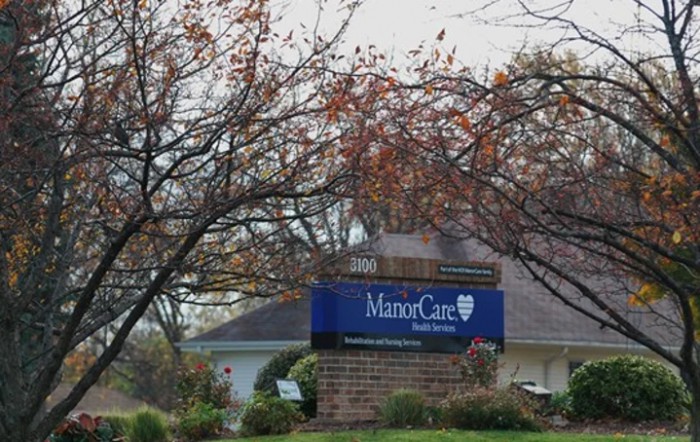
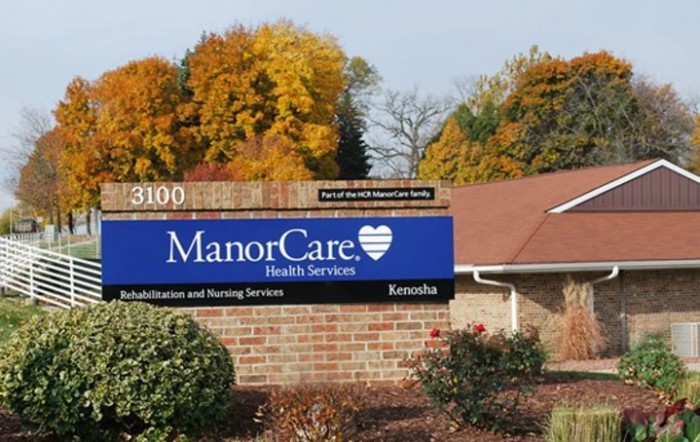
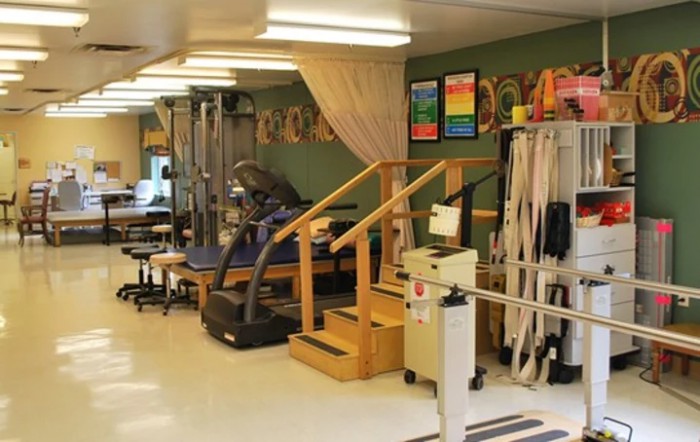
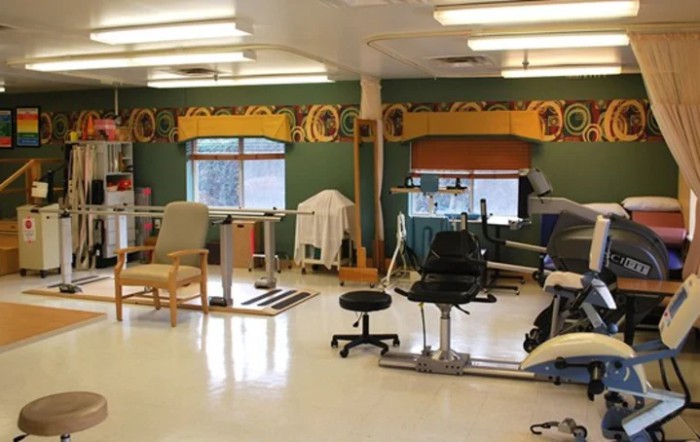
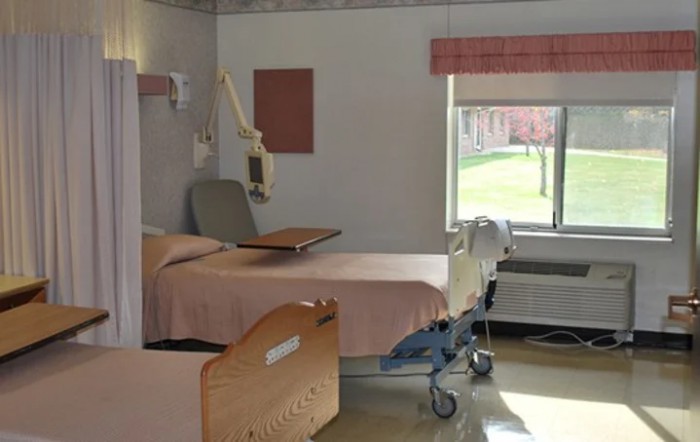
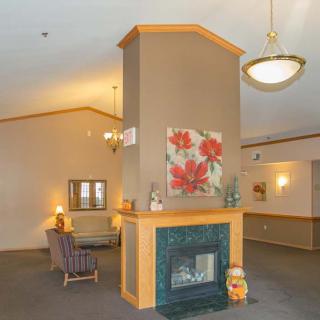
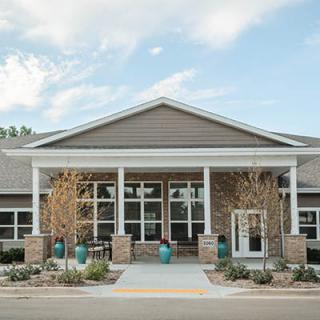
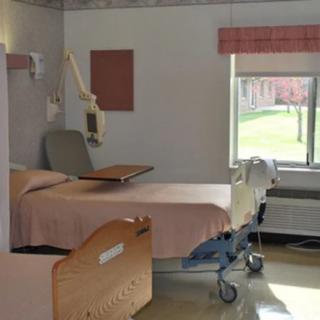
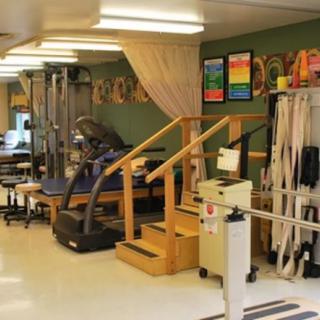
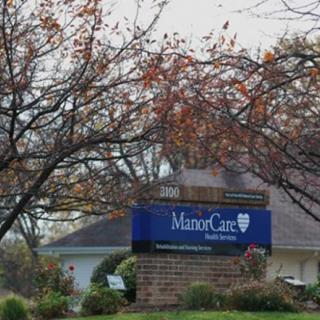
The Manor of Kenosha/Crossroads Property on seniors.fyi includes 6 photos including images showing nursing home, healthcare, building, trees, physical therapy, rehabilitation, exercise equipment, interior, and more.
A Comprehensive Exploration of Common Misunderstandings about Powers of Attorney

The article clarifies common misconceptions about Powers of Attorney (POA), highlighting the necessity of the principal's consent, the limitations on an agent's authority, and the importance of mental capacity when signing. It also distinguishes between various types of POAs, addresses concerns about potential abuse, and emphasizes the need for legal consultation to ensure valid and up-to-date documents.
Senior Move Management: Understanding the Role, Value, and Associated Costs

Senior move management provides specialized support for older adults relocating by assisting with logistics, emotional challenges, and downsizing decisions to ensure a smooth transition to new living environments. These services address the unique needs of seniors and have become increasingly important as baby boomers retire and seek to downsize.
Weight Training for Seniors: Building Strength and Vitality
Weight training is vital for seniors to maintain muscle mass, bone density, and overall health, combating age-related declines through customized resistance exercises that enhance balance and well-being. Safe routines should start with realistic goals and proper form, while emphasizing gradual progress and consultations with healthcare providers to ensure safety and effectiveness.