Residents and families repeatedly describe staff who are caring, friendly, and responsive.
Many reviews emphasize how often staff check in, greet visitors warmly, and treat residents with kindness. Families also describe frequent communication—answering questions, providing updates, and being available by phone when needed. Even some reviews that criticize other parts of the stay still single out specific staff interactions as part of the overall experience.
differentiator14 reviews mention this
Therapy and nursing get praise
Physical and nursing care are a frequent reason families feel confident about rehab.
A recurring theme is that therapy teams help residents build strength and improve day-to-day function, with several people calling out physical therapy specifically. Reviews also describe nursing as involved and assessment-oriented, rather than hands-off. At the same time, a smaller set of negative reviews claim inadequate or delayed care during rehab stays, including concerns about call lights and whether rehab goals were followed.
common6 reviews mention this
Activities help with engagement
Residents mention scheduled activities that keep them engaged and social.
Several reviews highlight the activities calendar, including holiday events and group social time, and some residents say they enjoy participating. Other reviewers frame activities as a way staff and residents connect, not just something to fill the day. A minority of negative feedback claims activities were handled poorly or disrupted for residents.
caveat4 reviews mention this
Food quality varies by review
Dining gets mixed feedback, with some residents saying meals are only average.
Some reviews say the food is good and even presented well, while others call it not so good. A few comments also tie meal-related concerns to overall care experiences, including claims about feeding assistance and what residents received during short stays.
common6 reviews mention this
Cleanliness is a repeat topic
Cleanliness stands out in both positive and negative reviews.
Many families report the building is clean, with no strong odors, and say residents look well cared for. In contrast, multiple negative reviews describe the facility as dirty or depressing, including claims about unpleasant odors. Taken together, cleanliness appears inconsistent across experiences reflected in the reviews.
caveat9 reviews mention this
Some reviews describe serious neglect
A recurring concern in negative reviews is inadequate attention to residents' needs.
Several low-rated reviews allege residents were left without timely assistance, with examples including call lights not being addressed and residents reportedly not getting rehab-related care. Other complaints describe serious outcomes tied by reviewers to neglect, including falls and major health deterioration during short stays. These accounts stand alongside the many positive reviews about caring staff, making this a key area to investigate further.
How we summarize
Counts show how many written reviews mention each theme; a review can touch several themes, and only frequently mentioned themes are displayed.
Features
Housing
21 resident community capacity
Types of Care
Skilled Nursing Facility
Amenities
Beauty salon
Cable or satellite TV
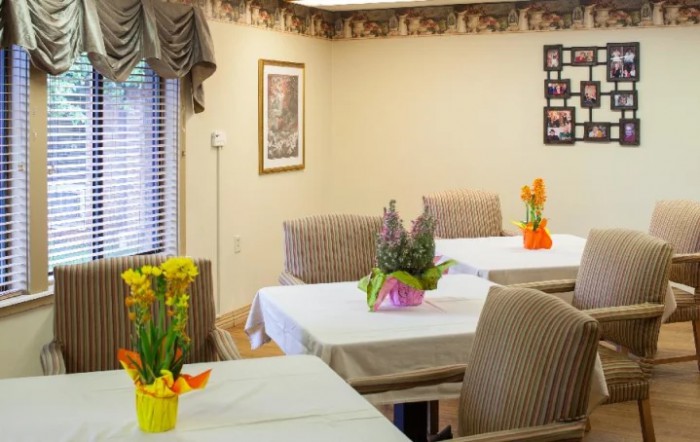
Dining room
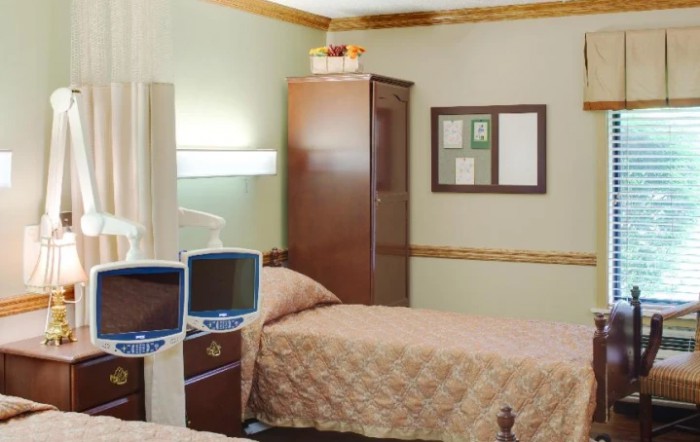
Fully furnished
Garden
Housekeeping services
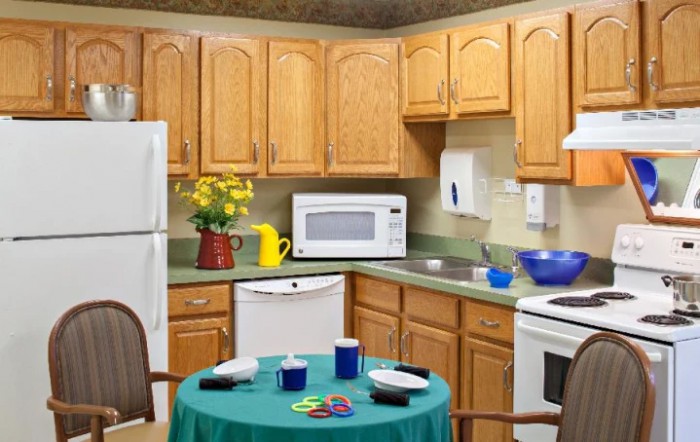
Kitchenette
Move-in coordination
Outdoor space
Telephone
Wi-Fi/high-speed internet available
Transportation
Yeager (20 miles away)
Care Services
24-hour call system
24-hour supervision
Activities of daily living assistance
Assistance with bathing
Assistance with dressing
Assistance with transfers
Coordination with health care providers
Diabetes diet
Meal preparation and service
Medication management
Mental wellness program
Special dietary restrictions
Transportation arrangement (medical)
Transportation to doctors appointments
Dining
Diabetes diet
Special dietary restrictions
Activities
Community-sponsored activities
Scheduled daily activities
Nearby Places of Interest
Located in Hurricane, West Virginia, this area offers a variety of amenities and services that cater to the needs of seniors. With Camc Teays Valley Hospital within close proximity, residents have access to quality healthcare facilities. In terms of dining options, there are several restaurants nearby such as FireSide Grille and Fat Patty's. Additionally, there are pharmacies like Walgreens and Kroger Pharmacy for easy access to medications. For recreational activities, residents can enjoy parks like Valley Park Splash Park and Eleanor Park. Overall, this part of Hurricane provides a convenient and welcoming environment for seniors looking to settle down in the area.
Hospitals
Camc Teays Valley Hospital (0.1 miles)
Best Medical Oxygen-HM Medical (6.4 miles)
Physicians
Manuel Molina MD (0.2 miles)
Emergi Care (0.4 miles)
Foot And Ankle Clinic (0.4 miles)
Johb B White III Podiatrist Dpm (0.4 miles)
Women's Health & Birth Center (0.4 miles)
Teays Valley Family Care (0.5 miles)
Dunbar Medical Associates (0.8 miles)
Restaurants
Teays Valley Subway (0.4 miles)
FireSide Grille (0.7 miles)
Fat Patty's (0.8 miles)
Tudor's Biscuit World (0.8 miles)
Five Guys Burgers & Fries (0.8 miles)
McDonald's (0.8 miles)
Penn Station East Coast Subs (0.8 miles)
Places of Worship
Church of Jesus Christ of Latter Day Saints (0.6 miles)
St John Methodist Church (0.8 miles)
First Baptist Church of Hurricane (4.4 miles)
Eleanor Presbyterian (5.9 miles)
Eleanor Presbyterian Church (5.9 miles)
Robinson United Methodist Chur (6.3 miles)
First Culloden Missionary Baptist Church (6.5 miles)
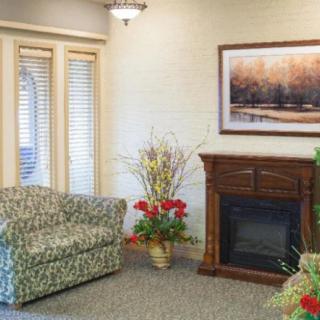
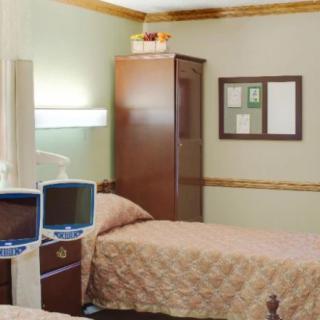
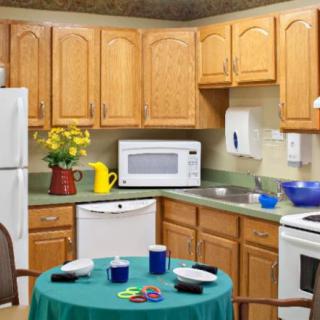
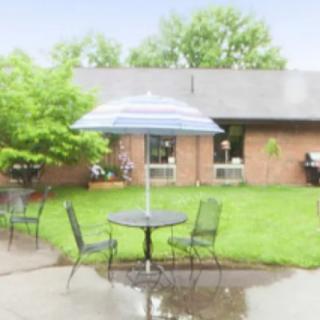
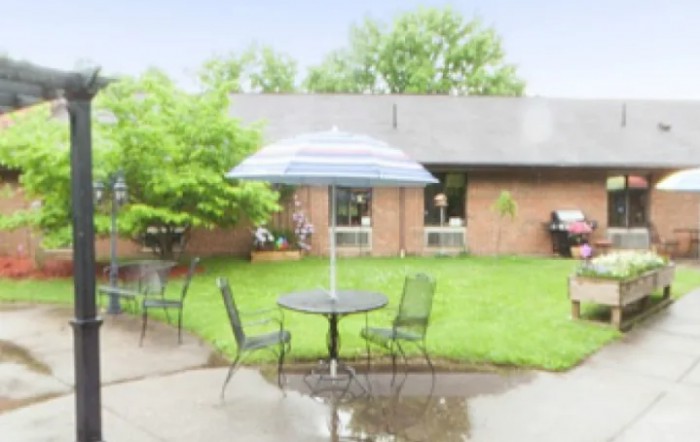
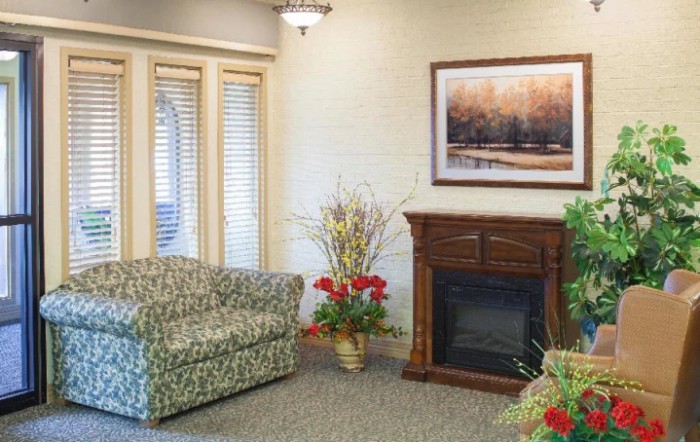
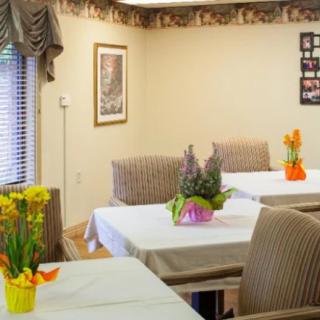
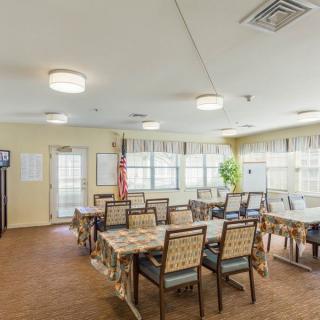
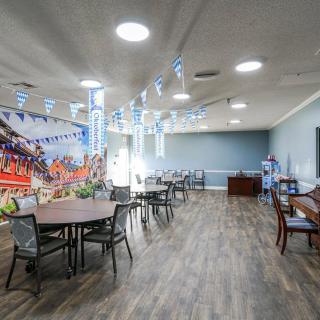
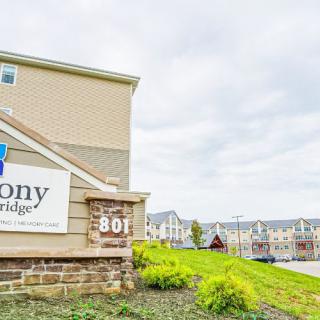
Putnam Center on seniors.fyi includes 6 photos including images showing interior, decor, living room, fireplace, artwork, patio, outdoor furniture, garden, and more.
Nearby Communities
Magnolia Assisted Living
Hurricane, WV
3.7 from 3 reviews
Intimate setting with personalized care and comprehensive services.
Teays Valley Center
Hurricane, WV
4.2 from 126 reviews
Attentive staff, strong rehab support, and clean, comfortable rooms.
Celebration Villa of Teays Valley
Hurricane, WV
4.2 from 74 reviews
$3,273 to $3,938 / month
Caring staff with engaging activities in a clean, welcoming environment.
Skilled nursing facilities (SNFs) provide high-level medical care and rehabilitation for short-term recovery, typically covered by Medicare after hospitalization, while nursing homes focus on ongoing custodial care for chronic conditions, mainly funded by Medicaid or private payments. The staffing and regulatory structures differ significantly between the two, necessitating clarity for families in choosing appropriate long-term care options.
Nursing home care costs in the U.S. vary significantly based on location, level of care, and amenities, with private room prices ranging from approximately $6,700 to over $30,000 monthly. Families need to explore various payment options and conduct thorough research to manage these expenses effectively.
Nonmedical home care provides assistance with daily activities and companionship for individuals wishing to maintain independence and quality of life at home, without medical intervention. Its growing popularity is driven by an aging population, the need for supportive environments for recovery, and the emotional benefits of caregiver companionship, while costs vary based on service frequency and location.
Garden, Patio, Outdoor Furniture, and Brick Building
Get PricingAsk A QuestionSchedule A TourContact Senior Advisor
By clicking submit, you agree to our Partner's Terms of Use. You
also consent to receive calls and texts, which may be autodialed, from our Partner. Your consent is not a condition to
using our Partner's service. Please visit our Partner's Privacy Policy for information about their privacy practices.

 21 resident community capacity
 Skilled Nursing Facility
 Beauty salon
 Cable or satellite TV
 Dining room
 Fully furnished
 Garden
 Housekeeping services
 Kitchenette
 Move-in coordination
 Outdoor space
 Telephone
 Wi-Fi/high-speed internet available
 Yeager (20 miles away)
 24-hour call system
 Activities of daily living assistance
 Assistance with bathing
 Assistance with dressing
 Assistance with transfers
 Diabetes diet
 Meal preparation and service
 Medication management
 Mental wellness program
 Special dietary restrictions
 Transportation arrangement (medical)
 Transportation to doctors appointments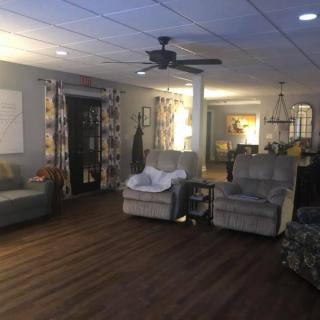
 Intimate setting with personalized care and comprehensive services.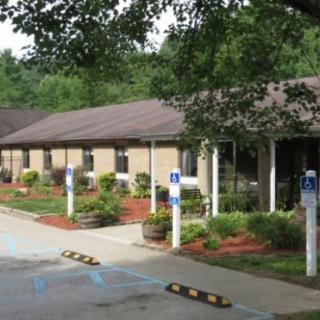


 Skilled Nursing Facilities vs. Nursing Homes: Making Sense of the Differences
 A Detailed Examination of Nursing Home Costs Across the U.S.
 Exploring Nonmedical Home Care: Understanding Services, Costs, and Financial Approaches