For more information about senior living options: (866) 208-4318
4.2 from 126 reviews
5 stars
90
4 stars
12
3 stars
3
2 stars
2
1 stars
19
Overall Review of Teays Valley Center
differentiator
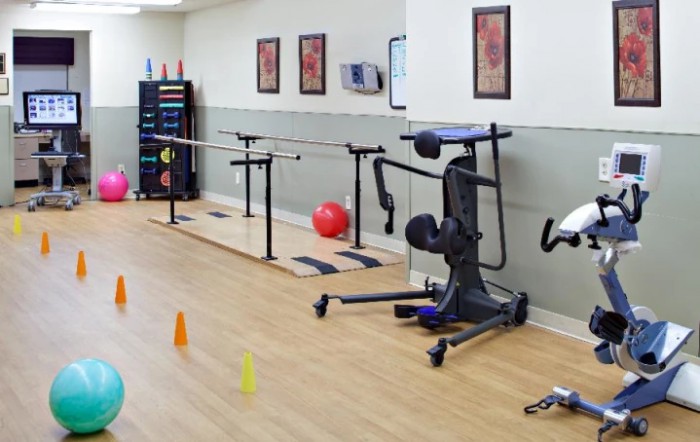
Therapy helps residents regain
Physical and speech therapy are repeatedly described as helping residents get stronger.
Many reviewers describe meaningful progress during rehab stays, including getting back to walking, transferring, or returning home. Several also call out one-on-one therapy support and encouragement that made recovery feel more manageable. A few residents report therapy concerns, including claims that therapy didn’t go well or didn’t help as expected.
common
Staff support is a consistent theme
Residents and families frequently describe caring, helpful staff.
Across positive reviews, people describe staff as kind, attentive, and supportive with questions, care coordination, and day-to-day needs. Guest services is also singled out in multiple comments for helping families navigate the stay and respond to concerns. A smaller set of reviews describe gaps in care responsiveness, including missed assistance when help was requested.
caveat5 reviews mention this
Call light responsiveness draws complaints
Some reviews say help was slow to arrive after call buttons.
Several reviewers report long waits for assistance after using call buttons or for phone calls and messages. A few describe situations where basic needs weren’t met promptly, including help at night or around shift changes. Others still note that staff members were busy or delayed at times, but characterized the delays as something the team apologized for.
caveat
Food quality is mixed in reviews
Dining gets mixed reactions, with both praise and complaints.
Some reviewers say meals were filling and enjoyable, and a few mention requests and preferences being handled. Others report food arriving cold or not prepared to expectations, and one reviewer says they were left without food they could eat. There are also comments that the facility could improve food quality overall.
common
Rooms and cleanliness are discussed
Clean rooms and housekeeping show up in multiple reviews.
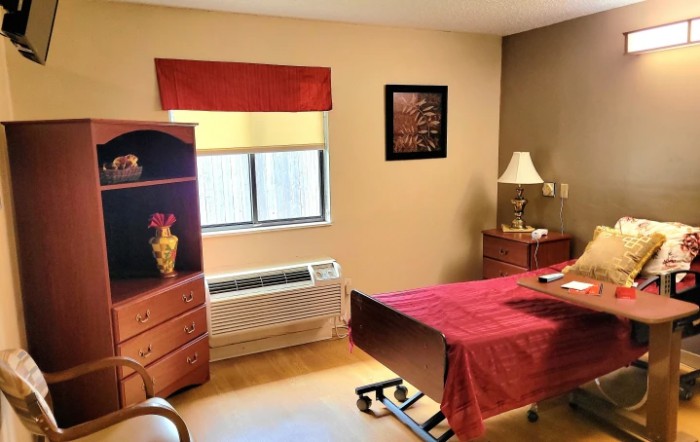
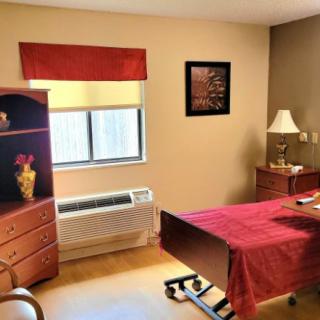
Several reviewers describe rooms as clean, well maintained, and comfortable, with housekeeping staff regularly wiping and cleaning in the hallways. Other reviews paint a different picture, citing dirty floors, strong odors, and unsanitary conditions. Where negative comments appear, they also tie cleanliness concerns to missed care needs.
How we summarize
We summarize when many written reviews mention each theme; a review can touch several themes, and only frequently mentioned themes are displayed.
Features
Housing
21 resident community capacity
Types of Care
Skilled Nursing Facility
Amenities
Beauty salon
Cable or satellite TV
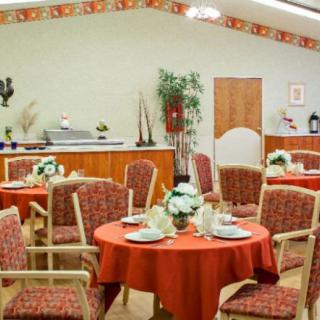
Dining room
Fully furnished
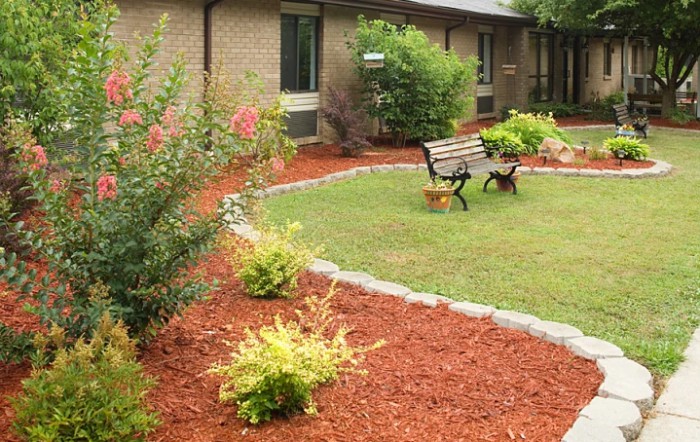
Garden
Housekeeping services
Kitchenette
Move-in coordination
Outdoor space
Respite or short term stays offered
Telephone
Wi-Fi/high-speed internet available
Transportation
Yeager (20 miles away)
Care Services
24-hour call system
24-hour supervision
Activities of daily living assistance
Assistance with bathing
Assistance with dressing
Assistance with transfers
Coordination with health care providers
Diabetes diet
Hospice care
Meal preparation and service
Medication management
Mental wellness program
Special dietary restrictions
Transportation arrangement (medical)
Transportation to doctors appointments
Dining
Diabetes diet
Special dietary restrictions
Activities
Community-sponsored activities
Scheduled daily activities
Nearby Places of Interest
Restaurants
Teays Valley Subway (0.8 miles)
Fat Patty's (1 miles)
FireSide Grille (1 miles)
Applebee's (1.1 miles)
Bob Evans (1.1 miles)
McDonald's (1.1 miles)
Five Guys Burgers & Fries (1.1 miles)
Hospitals
Camc Teays Valley Hospital (0.9 miles)
Best Medical Oxygen-HM Medical (6.8 miles)
Physicians
Manuel Molina MD (1 miles)
Thrush & Clark Allergists (1 miles)
Center For Alternative Medicine (1.1 miles)
Emergi Care (1.2 miles)
Foot And Ankle Clinic (1.2 miles)
Johb B White III Podiatrist Dpm (1.2 miles)
Women's Health & Birth Center (1.2 miles)
Cafes
Panera Bread (1.1 miles)
Starbucks (2 miles)
Coal River Coffee Company (8.2 miles)
Tim Hortons (8.2 miles)
Pharmacies
Walgreens (1.1 miles)
Kroger Pharmacy (1.2 miles)
Fruth Pharmacy (1.3 miles)
Fruth Pharmacy (4 miles)
Walgreens (4.1 miles)
Walmart Pharmacy (4.3 miles)
Walgreens (5 miles)
Places of Worship
Church of Jesus Christ of Latter Day Saints (1.3 miles)
St John Methodist Church (1.3 miles)
First Baptist Church of Hurricane (4.8 miles)
Eleanor Presbyterian (5.1 miles)
Eleanor Presbyterian Church (5.1 miles)
Winfield Baptist Church (6.3 miles)
First Culloden Missionary Baptist Church (6.9 miles)
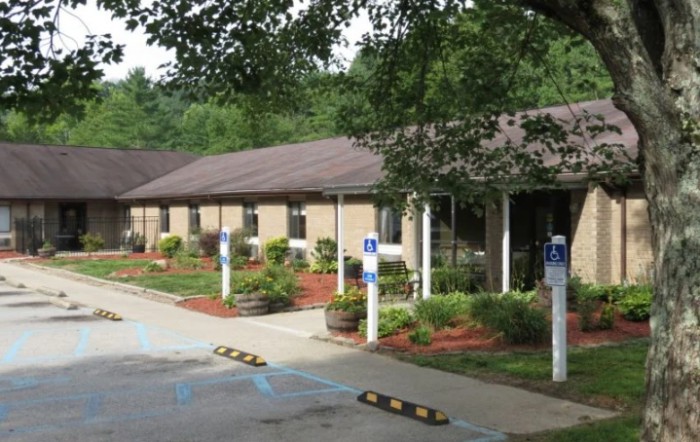
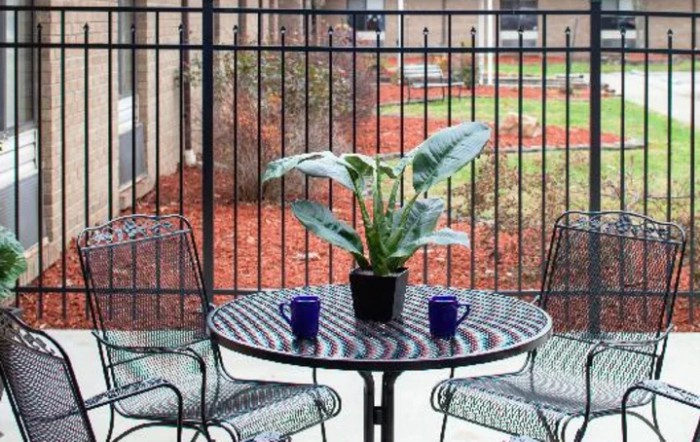
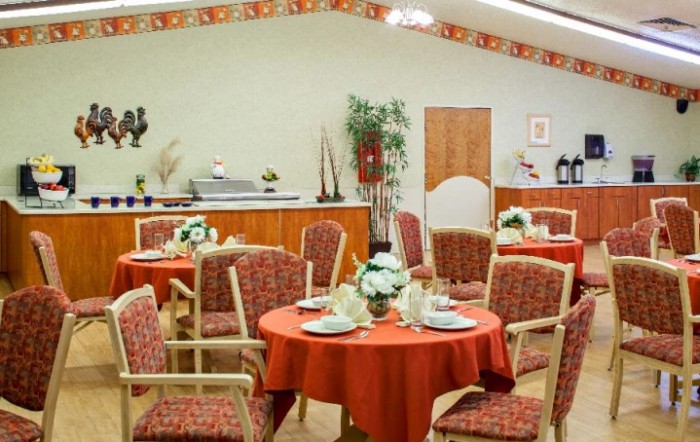
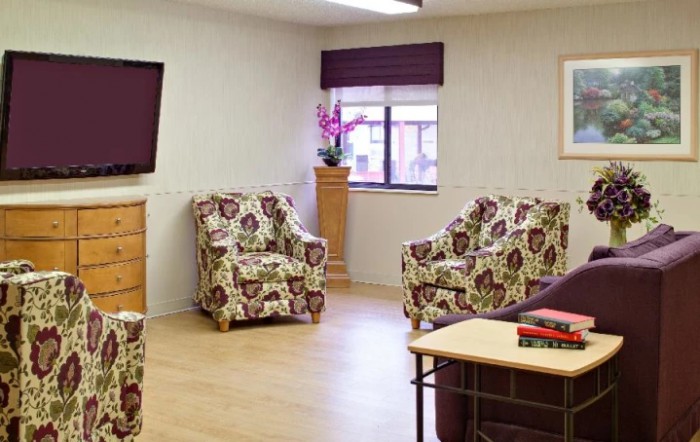
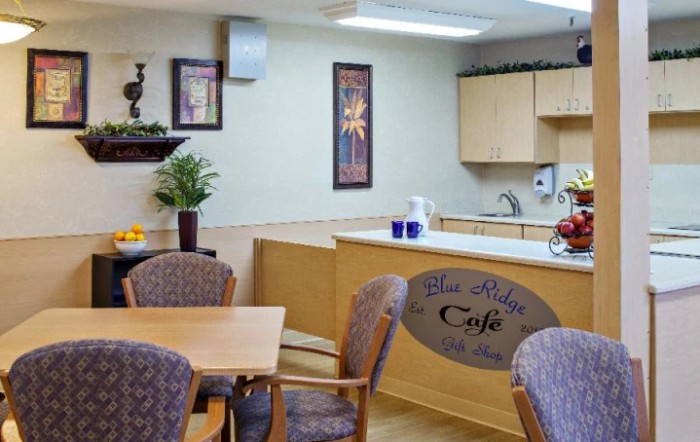
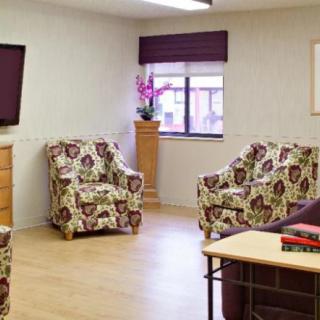
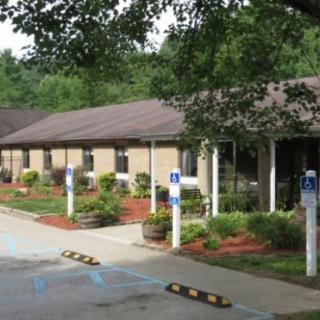
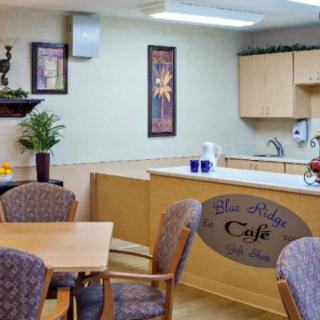
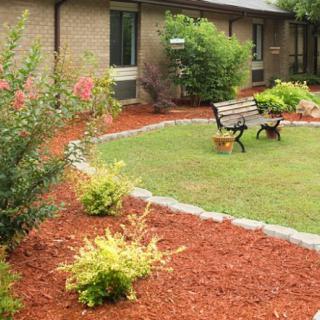
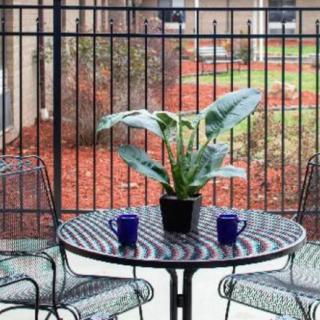
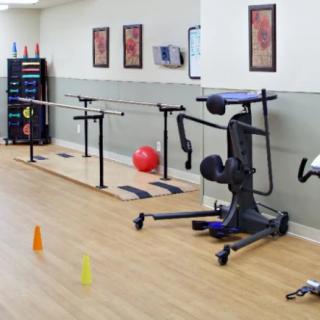
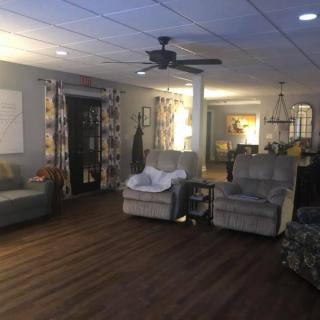
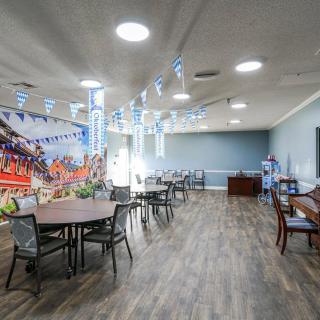
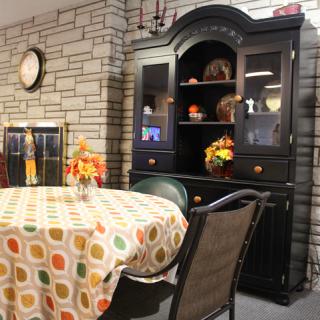
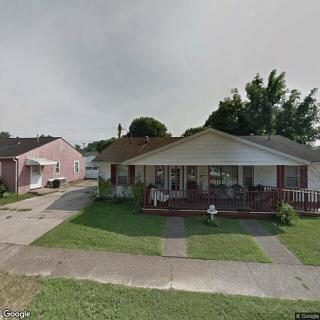
Teays Valley Center on seniors.fyi includes 8 photos including images showing dining, decor, interior, landscaping, bedroom, garden, windows, therapy room, and more.
Nearby Communities
Putnam Center
Hurricane, WV
4.3 from 81 reviews
Fully furnished apartments with on-site dining, housekeeping, and comprehensive care services.
Celebration Villa of Teays Valley
Hurricane, WV
4.2 from 74 reviews
$3,273 to $3,938 / month
Caring staff with engaging activities in a clean, welcoming environment.
Magnolia Assisted Living
Hurricane, WV
3.7 from 3 reviews
Intimate setting with personalized care and comprehensive services.
Linda's caregiving journey for her elderly mother, Joan, is marked by deep love and challenges as she navigates health changes, emotional support, and practical arrangements while learning to prioritize self-care and utilize community resources. Their evolving relationship highlights resilience and the universal themes of empathy and preparedness in caregiver experiences.
The article clarifies common misconceptions about Powers of Attorney (POA), highlighting the necessity of the principal's consent, the limitations on an agent's authority, and the importance of mental capacity when signing. It also distinguishes between various types of POAs, addresses concerns about potential abuse, and emphasizes the need for legal consultation to ensure valid and up-to-date documents.
Exercise Equipment, Rehabilitation, Physical Therapy, Fitness, and Therapy Room
Shrubs
Get PricingAsk A QuestionSchedule A TourContact Senior Advisor
By clicking submit, you agree to our Partner's Terms of Use. You
also consent to receive calls and texts, which may be autodialed, from our Partner. Your consent is not a condition to
using our Partner's service. Please visit our Partner's Privacy Policy for information about their privacy practices.

 21 resident community capacity
 Skilled Nursing Facility
 Beauty salon
 Cable or satellite TV
 Dining room
 Fully furnished
 Garden
 Housekeeping services
 Kitchenette
 Move-in coordination
 Outdoor space
 Respite or short term stays offered
 Telephone
 Wi-Fi/high-speed internet available
 Yeager (20 miles away)
 24-hour call system
 Activities of daily living assistance
 Assistance with bathing
 Assistance with dressing
 Assistance with transfers
 Diabetes diet
 Hospice care
 Meal preparation and service
 Medication management
 Mental wellness program
 Special dietary restrictions
 Transportation arrangement (medical)
 Transportation to doctors appointments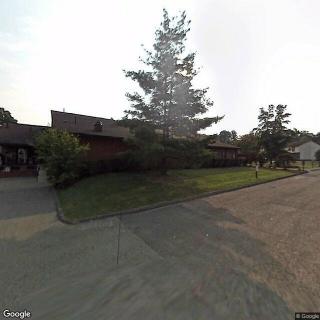
 Fully furnished apartments with on-site dining, housekeeping, and comprehensive care services.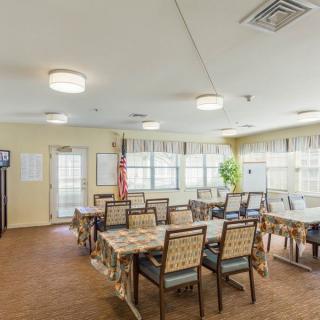


 Nurturing Our Loved Ones: A Daughter's Journey in Caring for Her Mother
 Nurturing Our Elders: Linda's Journey of Supporting Her Mother
 A Comprehensive Exploration of Common Misunderstandings about Powers of Attorney