
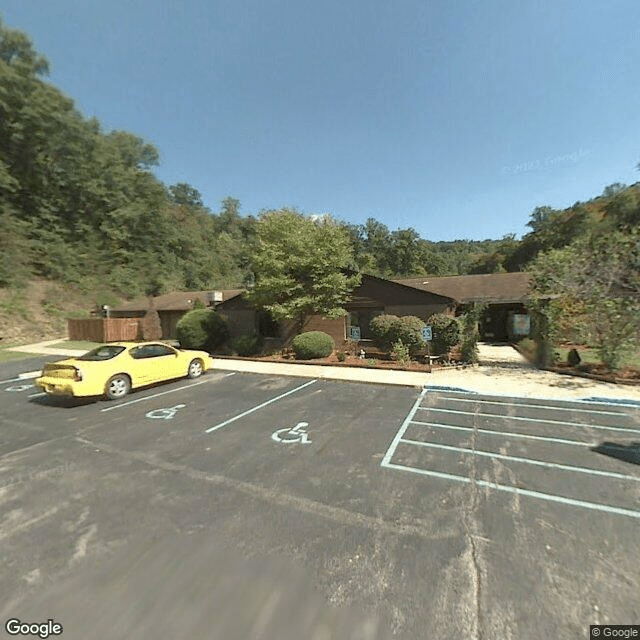
200 Monday Dr, Hamlin, WV 25523
To contact a resident: (304) 824-3133
For more information about senior living options: (866) 208-4318
Overall Review of Lincoln Continuous Care Ctr
Pros
 The staff are very caring and provide updates on care whenever something changes.
- Matt is helpful and friendly and explains everything in detail.
- The staff are amazing and treat residents with dignity and respect.
- The physical therapy staff are amazing and kind.
- The cafeteria workers are great and go above and beyond.
- The staff are amazing and genuinely care for residents.
- The facility is very clean, provides great care, and has wonderful staff.
Cons
 The patient's mother died due to the facility's lack of care.
- The sister's stay at Lincoln Nursing and Rehabilitation Center was a complete hell.
- Patients are allowed to wander the halls and enter other residents' rooms and go through their personal belongings.
- Other patients are left screaming at the top of their lungs, disturbing others.
- Constant screaming around the clock caused the sister to suffer several panic attacks during her stay.
- People needing physical therapy should seek a different facility.
- Families with relatives receiving physical therapy should find other accommodations.
- The reviewer described the facility as a doghouse.
- The reviewer planned to contact the West Virginia board of medicine about treatment of rehabilitation patients at the facility.
- Residents do not receive peace of mind at this facility.
Review
Lincoln Continuous Care Center in Hamlin is best suited for families seeking rehab-centered nursing care where a visible emphasis on compassionate, patient-first treatment is valued. The strongest case for this community rests on robust physical therapy and a staff that residents and families repeatedly describe as kind and respectful. Cleanliness and the quality of dining service also stand out in positive impressions, and several reviews highlight regular updates on care changes, which can help families stay informed during a recovery process. For those pursuing a path of consistent daily rehabilitation with supportive interpersonal care, this center can deliver reliable day-to-day stability and access to therapy resources that support meaningful progress.
However, there are clear reasons to consider alternatives. When quiet, controlled environments and rigorous safety protocols around rehab patients are essential, or when dependable, uniform communication across shifts is non-negotiable, this facility may provoke hesitation. Accounts vary by staff member and shift, suggesting that experience can hinge on who is on duty. Potential residents or families should probe for consistency in responses from leadership and front-line employees, and should verify policies around hydration, safety, and how patients in therapy are supervised to prevent cross-room disturbances.
On the upside, the community earns points for care delivered with dignity. Multiple reviewers praise staff for treating residents with warmth and respect, and the physical therapy team in particular receives accolades for their competence and kindness. The dining and support staff are also singled out for going above and beyond, contributing to a generally positive atmosphere for those in recovery. These strengths create a foundation where rehabilitation can be both effective and emotionally tolerable, a crucial factor when motivation and mood influence outcomes.
Yet significant red flags appear in the negatives. One especially troubling account describes a lapse in care that allegedly contributed to a deadly dehydration event, underscoring how critical hydration and timely attention remain even in rehabilitation settings. Other reviewers report safety and privacy concerns in the rehab area, noting that patients may wander into others' rooms and that some residents' needs for quiet and predictability are not always met. The impression left is that care quality can vary substantially by shift or staff member, which can translate into real risk for vulnerable residents if not actively managed.
Whether the positives can offset the negatives depends on how care is structured and monitored day-to-day. For families who can insist on clear, proactive oversight, demanding detailed care plans, hydration protocols, and explicit separation between rehabilitation and long-term residence areas, the strengths can carry the day: strong therapy, personable staff, and a clean, accommodating environment can support a successful recovery. Prospective residents should ask pointed questions about staff-to-resident ratios on the rehab unit, how wandering risks are prevented, what exact hydration monitoring looks like, and whether a dedicated unit exists to minimize cross-traffic between therapy and living areas.
Bottom line: Lincoln Continuous Care Center offers a compelling option for rehab-forward care where compassionate staff, solid therapy services, and a clean environment are available. The major caveat is safety and consistency, issues that require rigorous due diligence and proactive oversight by family or guardians. If these concerns can be addressed decisively through tours, conversations with administration, and a clear care plan, the center can deliver strong outcomes for residents focused on rehabilitation. If not, families should proceed to solid alternatives that emphasize tighter safety controls and more uniform communication across shifts.
 Skilled Nursing Facility


 Fecal Incontinence in Older Adults: A Comprehensive Guide
 Recognizing the Journey: Understanding and Navigating Anticipatory Grief
 Encouraging Participation in Adult Day Care: A Guide to Supporting a Hesitant Parent