
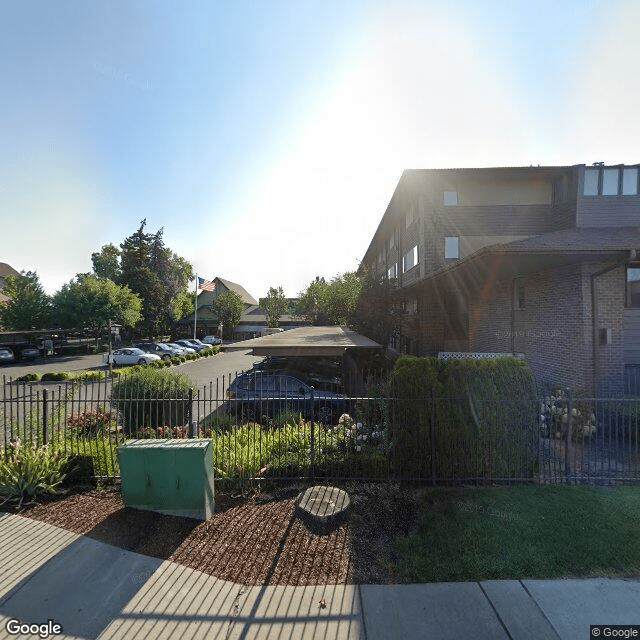
215 N 40th Ave, Yakima, WA 98908
To contact a resident: (509) 965-5250
For more information about senior living options: (866) 208-4318
Overall Review of Living Care
Pros
 Crescent Place provided excellent care for a loved one up to the end.
- The staff are wonderful and caring.
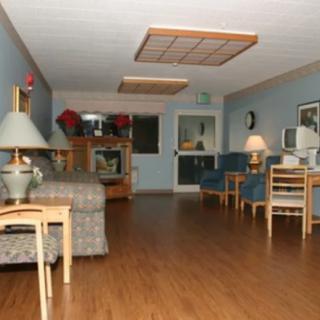
- The facility is clean and well maintained, even though it is older.
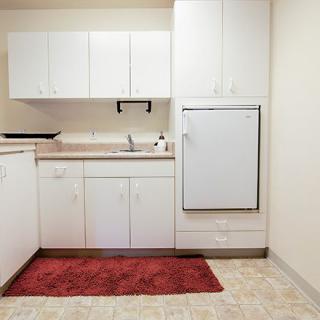
- The rooms are comfortable and spacious enough for two residents.
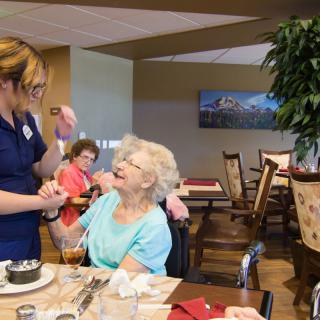
- The dining program offers full meals with beverages and snacks, plus feeding assistance when needed.
- The staff keep families informed about changes in care.
- Residents form friendships and families feel relaxed about their loved ones’ well-being.
Cons
 The facility is older.
- The food here isn’t as great as in other places.
- The food is sometimes bad.
- The staff were unable to move her into the assisted living when she had a stroke.
- They decided to move her out of the facility.
Review
Living Care in Yakima, Washington is best suited for seniors who prize a warm, caregiving-minded environment where staff responsiveness and clear family communication anchor daily life. The community works well for families seeking continuity of care within a single campus as needs evolve, from independent living to assisted living to nursing care, without requiring a move to another facility. The emphasis on a home-like atmosphere, regular updates to relatives, and the reassurance that attentive staff stay involved through medical changes makes this a compelling option for residents who value stability and personal attention over cutting-edge design.
Alternatives may appeal to those who want a newer building, more modern amenities, or a dining program that consistently delivers top-tier cuisine. The facility’s age is a recurring note, even as it is kept clean, and the rooms are configured for two residents. That arrangement can affect privacy and noise levels for some. Additionally, several families encountered friction when a move between independent living and assisted living seemed possible in theory but wasn’t accommodated in practice. Families prioritizing aggressive medical settings, ultra-modern interiors, or exceptionally high-end dining may wish to compare other options.
On balance, the strongest case for Living Care rests with its people and processes. Staff are described as wonderful and genuinely caring, with robust communication about changes in residents’ care. This reliability provides real peace of mind for families who cannot be present constantly. The environment supports a home-like rhythm with a clear focus on activities, socializing, and practical supports such as feeding assistance and readily available beverages. These strengths help offset the facility’s older architecture and occasional variability in dining quality, because dependable caregivers and transparent updates reduce the anxiety that accompanies a loved one’s changing needs.
Prospective residents should verify what “two residents per room” means in terms of privacy, noise, and personal space, and explore the actual dining experience, menus, portion sizes, and how often residents are offered snacks between meals. Inquire about how care plans are communicated to families, the cadence of updates, and the identity of the primary contact for questions or concerns. Confirm the facility’s stance on care-level transitions and the practicality of seamless progression within the campus, since policies in this area have influenced families’ decisions in the past. A thorough tour should include time in common areas and conversations with current residents and their families about daily life, routine, and responsiveness of staff.
Overall, Living Care earns serious consideration for families prioritizing dependable caregiving, consistent communication, and a built-in continuum of care. It delivers practical, day-to-day stability that is invaluable when health needs change, and the on-site mix of independent, assisted, and nursing care reduces relocation disruption. The main caveats are that the building’s age may translate into dated aesthetics or layout constraints, and dining quality can vary from day to day. Those factors, weighed against the value of compassionate staff and predictable care, make this community a strong fit for residents who want assurance that their day-to-day life will feel known, supported, and adaptable to evolving needs.
 Skilled Nursing Facility




 Caregiver Exhaustion: Recognizing the Signs and Restoring Your Well-Being
 Understanding Hospice Care at Home: Comprehensive Services, Key Benefits, and Eligibility
 Understanding the Full Cost of 24/7 In-Home Care: A Detailed Overview