
721 Otis Ave, Sunnyside, WA 98944
For more information about senior living options: (866) 208-4318
Overall Review of Prestige Care and Rehabilitation - Sunnyside
Pros
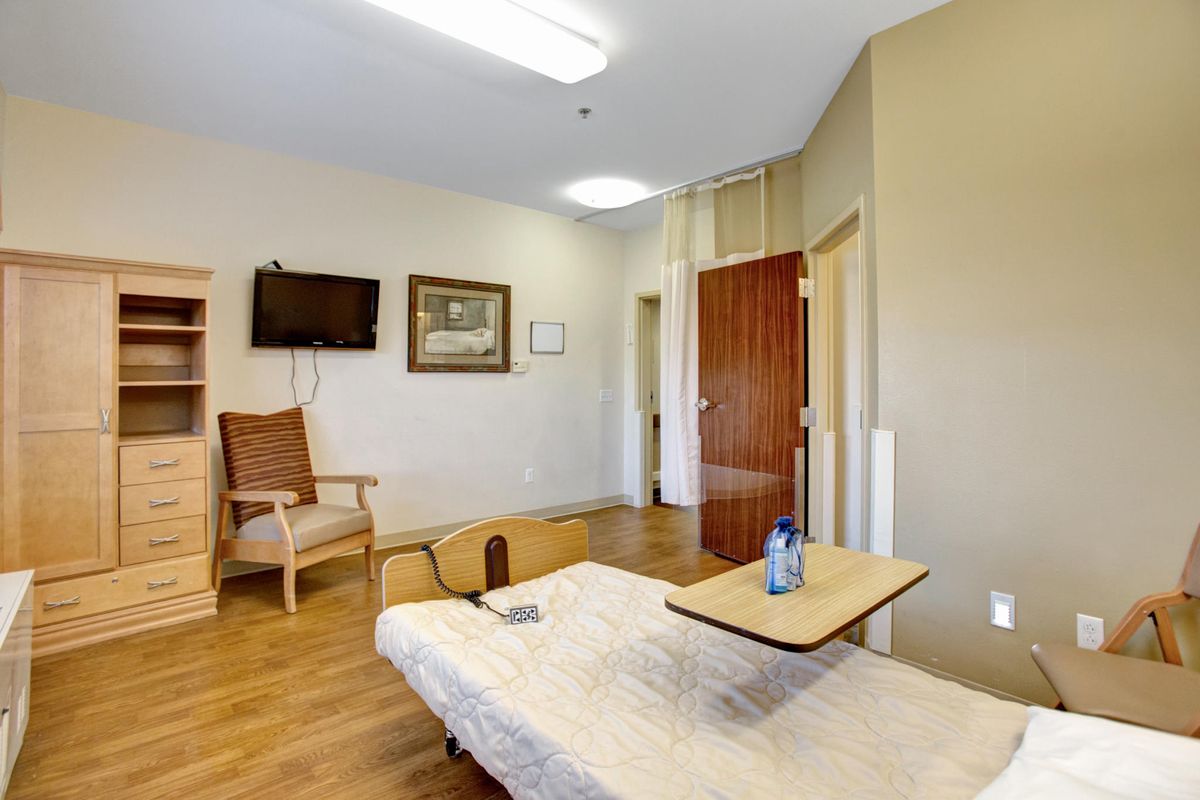
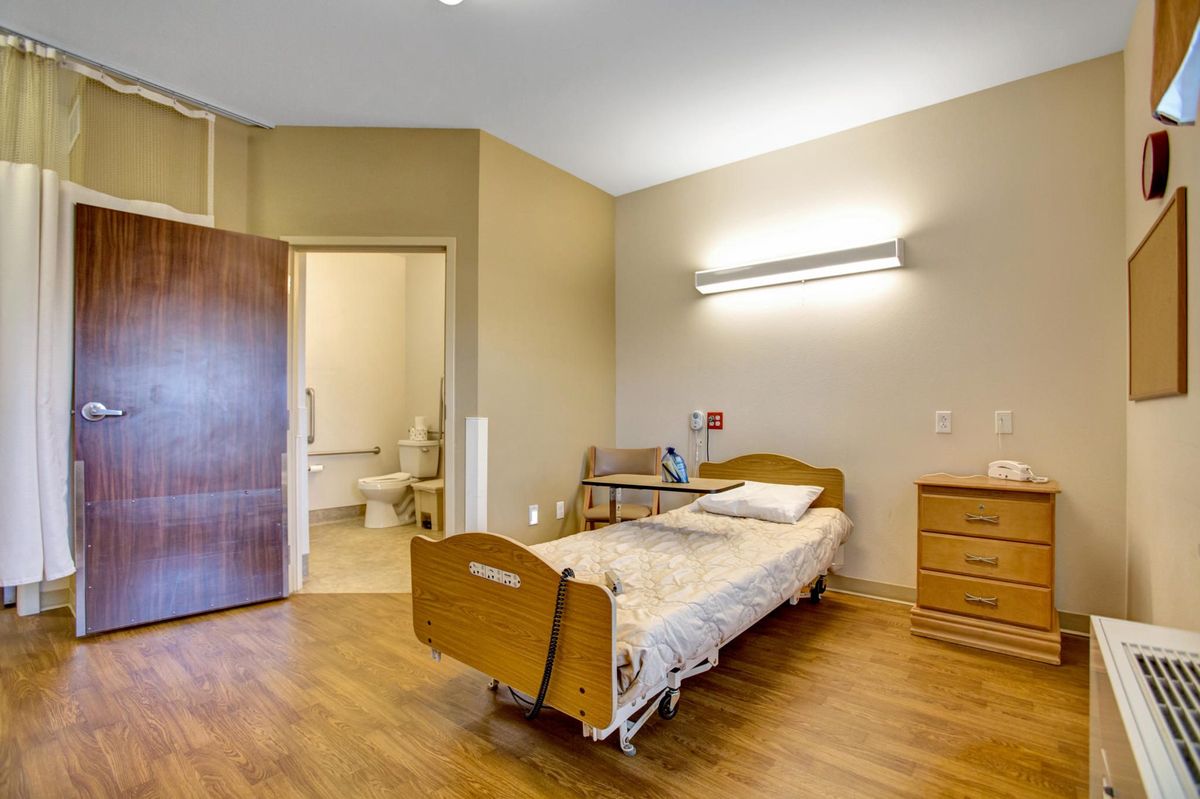
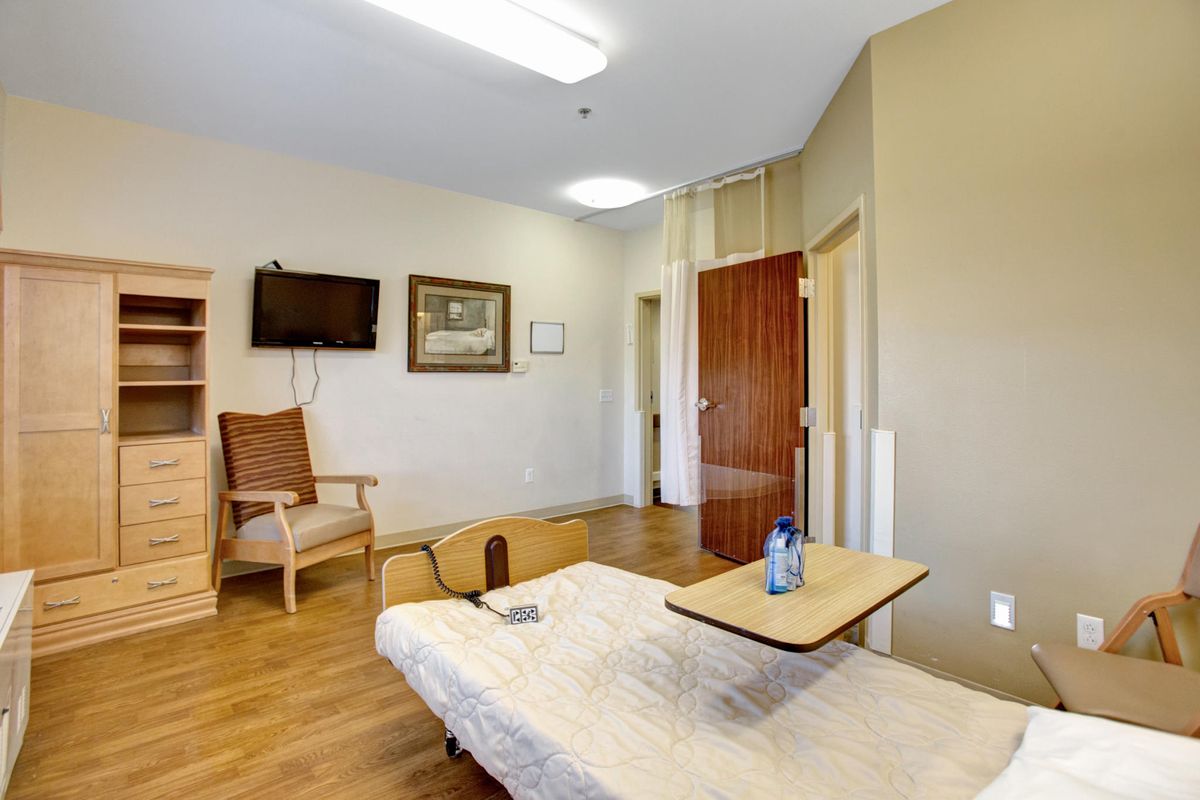
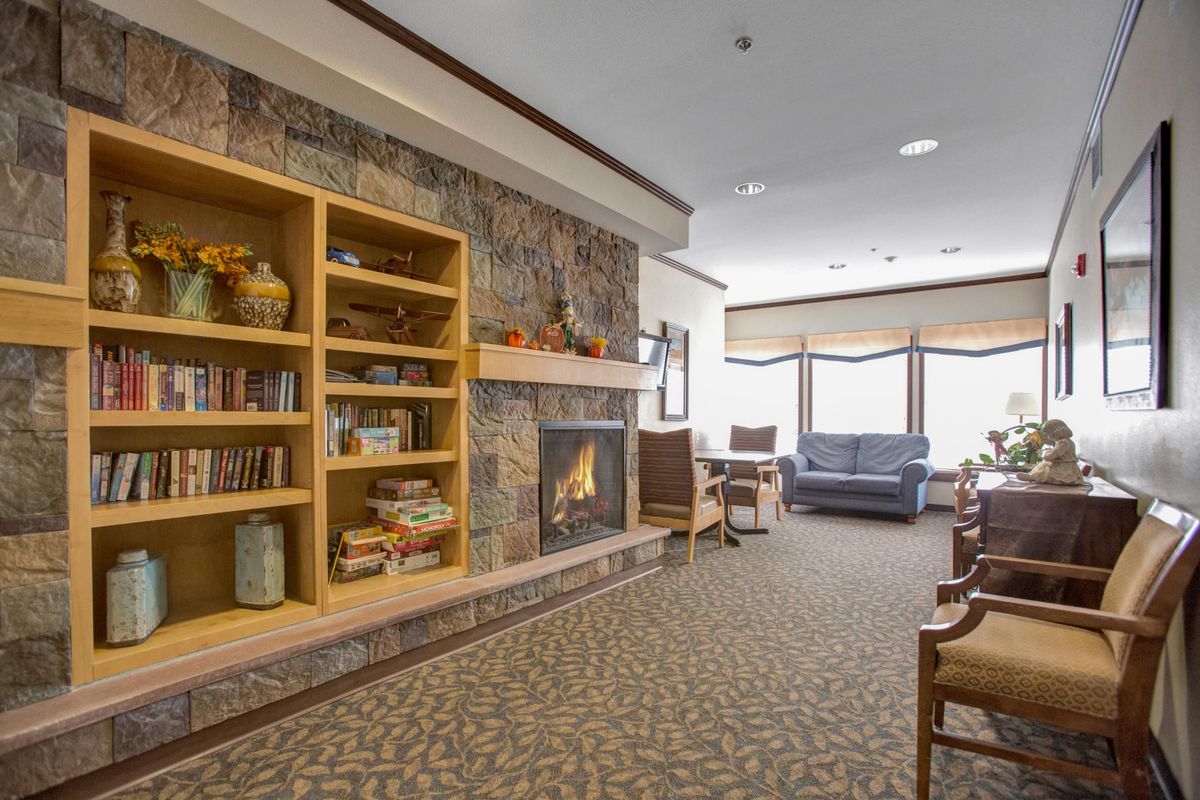
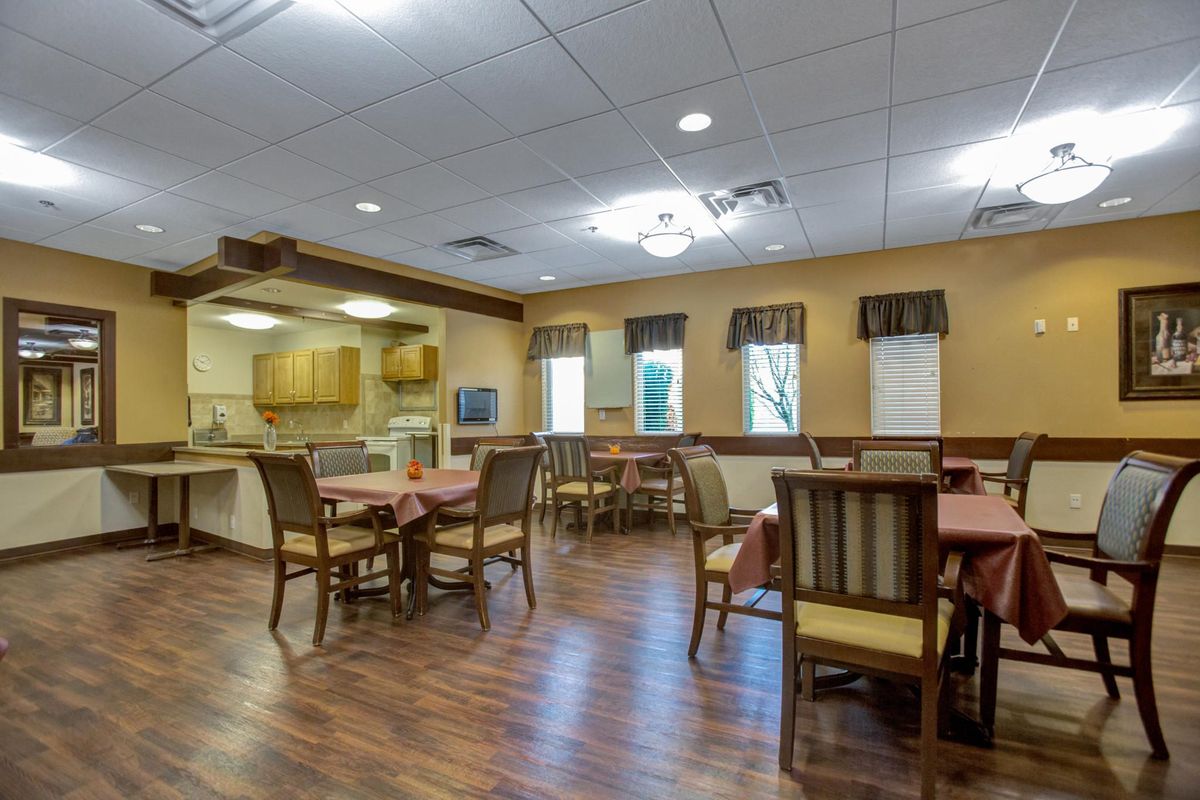
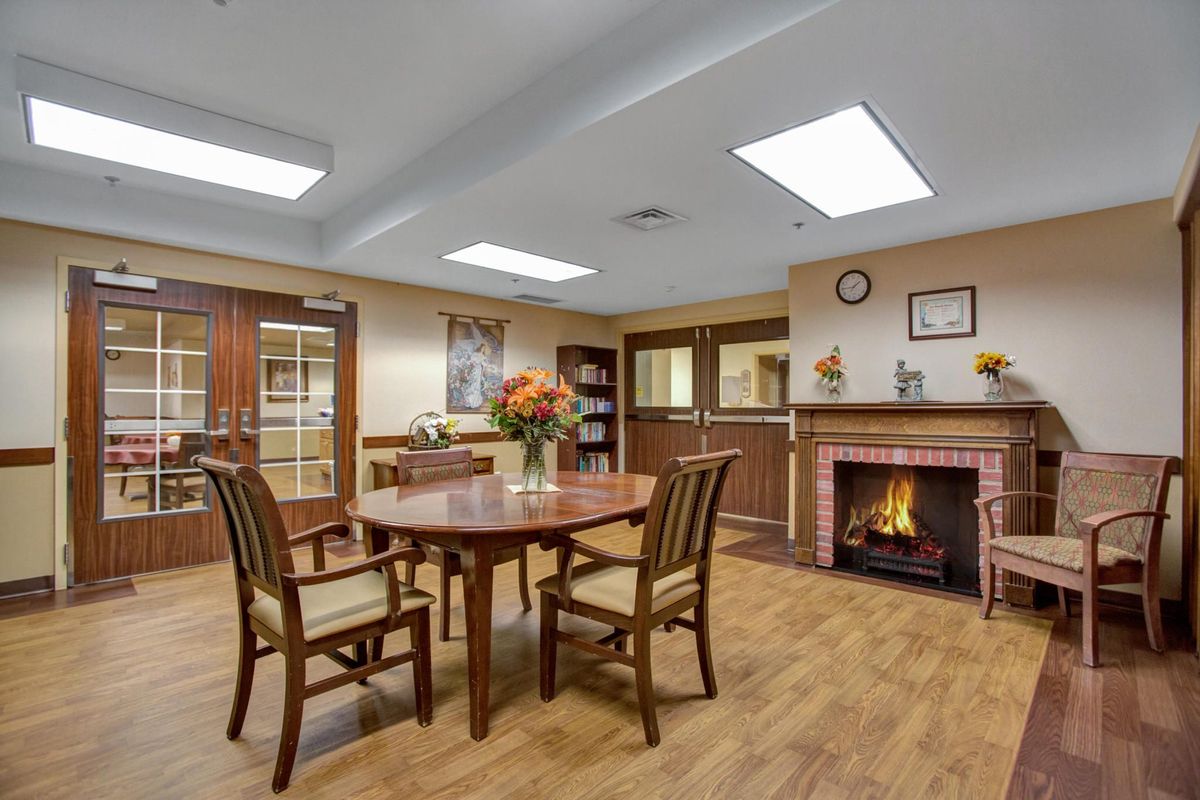
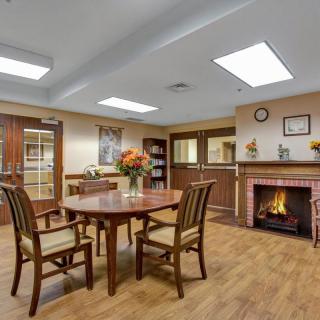
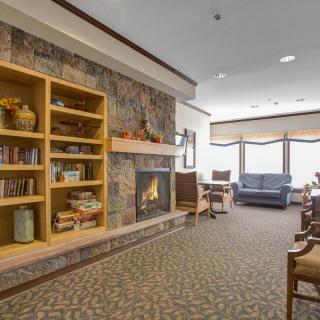
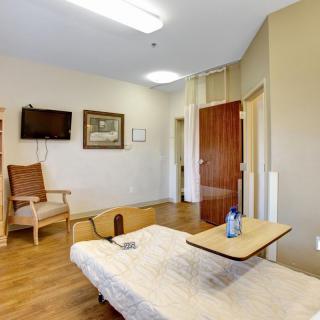
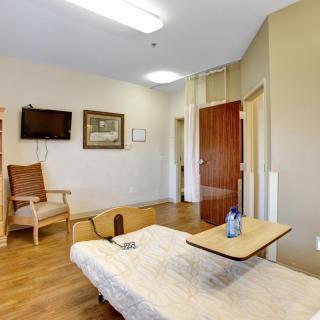
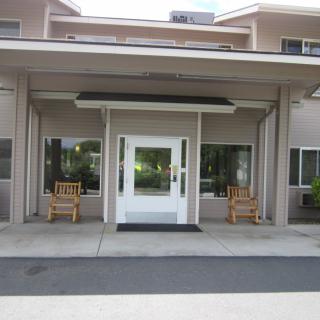
 Prestige Care and Rehabilitation makes a strong first impression with a clean facility, a warm welcome, and well-kept rooms.
- The staff is described as well organized and attentive, meeting residents’ needs in an orderly manner.
- The team answers questions willingly, giving families confidence that their loved ones are in good hands.
- The transition to Prestige is described as positive, with calm, patient staff guiding the next steps.
- The team keeps families apprised of their loved one’s mornings, afternoons, and nights, showing thorough communication.
- The staff are skilled, knowledgeable, and professional, with safety as a priority.
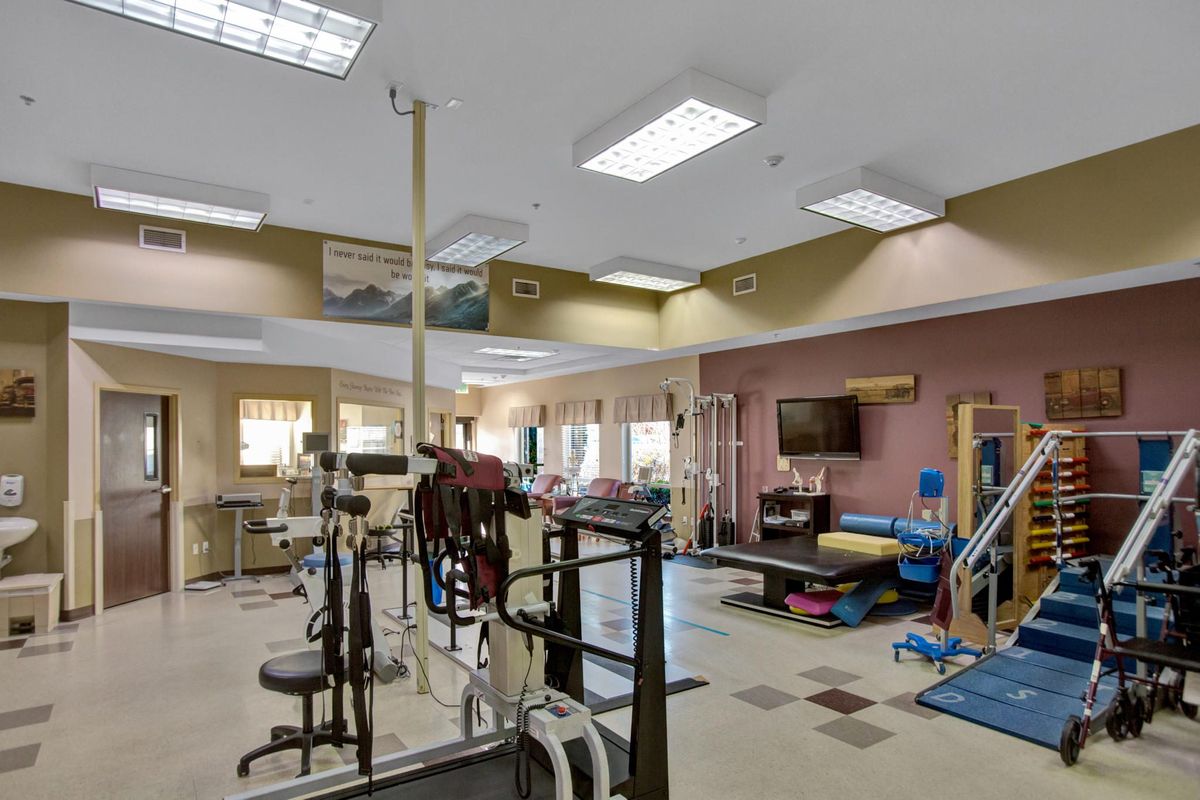
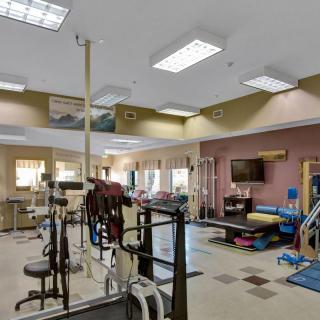
- The therapy services have been wonderful.
- The staff are there to make families’ lives easier.
Cons
 The facility is described as the worst place imaginable, with a warning not to send a loved one there.
- The staff are characterized as inpatient, lazy, young, immature, and unqualified.
- Care is slow and unresponsive, with long wait times for basic assistance.
- Unsanitary conditions are reported, including blood on sheets and trash left in hallways.
- There are allegations of abuse and neglect, with residents left worse off.
- There are reports of theft by staff and a lack of accountability.
Review
Prestige Care and Rehabilitation - Sunnyside is best suited for families that can commit to vigilant oversight and are seeking short-term rehabilitation with workable therapy options, provided there is a strong advocate on site. It can serve residents who respond well to rehabilitation programs when staff operate with a coordinated team approach. However, it is not the right choice for those needing consistently high nursing oversight, reliable medication management, and rigorous safety protocols. Families that cannot monitor daily operations or cannot push for timely care should look elsewhere.
Those considering alternatives should be aware of a sustained pattern of safety and care concerns voiced by multiple families. Indicators of risk include reports of untreated medical needs, delayed response to call bells, and allegations of inadequate supervision that put residents at risk of falls or injury. For elders with complex medical or behavioral needs, or for anyone who requires meticulous adherence to care plans and transparent communication with families, other facilities with stronger staffing, more proactive family engagement, and clearer accountability are worth exploring.
The strongest pros in favorable cases center on the rehab potential and certain staff members who deliver attentive, organized care. Positive notes highlight clean, orderly rooms, pleasant admissions experiences, and a therapy-focused environment where therapists and frontline staff can coordinate to support recovery. In these instances, the facility’s clear emphasis on safety from the clinical side and the straightforward transition process provided real relief to families during the critical early days of a resident’s stay. When these elements align, rehabilitation can proceed with a sense of structure and competence.
Yet there is a heavy weight of cons that consistently temper any upside. The most troubling themes revolve around understaffing and inconsistent caregiver availability, leading to long waits for assistance and lapses in monitoring. Medication management and medical responsiveness are recurrent red flags, with fears that treatments and prescriptions can be mishandled or not followed promptly. Sanitation and environment concerns also surface, from reports of untidy conditions and neglected messes to allegations of unsanitary practices, including beds and rooms that fail to meet basic hygienic standards. These patterns erode trust and threaten safety, making some residents’ stays precarious.
For families weighing a visit, several practical steps can separate solid choices from risky ones. Schedule unannounced shifts to observe call-light response times, staffing levels, and how aides interact with residents. Request direct conversations with the director of nursing and the therapy supervisor to review a resident’s specific care plan, medication schedule, and fall-prevention measures. Inspect meal quality and food temperature as a proxy for overall daily care, and ask for a tour focused on cleanliness, room turnover, and laundry practices. Pull licensing and incident history from state records and talk to several current residents or families to gauge consistency beyond the glossy first impression.
Ultimately, the decision rests on whether the rehab promise and selective staff excellence can outweigh persistent safety and care vulnerabilities. This community can work for families who can champion the resident’s plan, insist on accountability, and tolerate a higher management burden to ensure quality care. For those unable or unwilling to supervise closely, or whose loved ones require reliable nursing, quick and compassionate responses, and scrupulous medical oversight, alternatives deserve serious consideration. The prudent path is to enter with clear expectations, upfront guardrails, and a plan to reassess quickly if care quality slips.
 21 resident community capacity
 Skilled Nursing Facility
 Beauty salon
 Cable or satellite TV
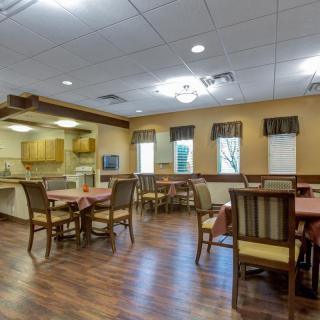
 Dining room
 Fully furnished
 Garden
 Housekeeping services
 Move-in coordination
 Outdoor space
 Telephone
 Wi-Fi/high-speed internet available
 24-hour call system
 Activities of daily living assistance
 Assistance with bathing
 Assistance with dressing
 Assistance with transfers
 Diabetes diet
 Meal preparation and service
 Medication management
 Mental wellness program
 Special dietary restrictions
 Transportation arrangement (medical)
 Transportation to doctors appointments





 Top Canine Companions for Older Adults
 Comprehensive Guide to Blood Pressure Charts for Older Adults: Understanding Normal and High Readings by Age
 Financing Long-Term Nursing Home Care Through Social Security: A Thorough Exploration