Residents and families frequently describe attentive, respectful care from the staff.
Across many reviews, families describe the staff as warm, caring, professional, and responsive to day-to-day needs. Several people mention multiple roles working together—nurses, aides, therapists, social work, and hospice support—especially during rehab and end-of-life care. A few reviewers also highlight feeling supported as families, not just patients, during difficult transitions. At the same time, a small set of reviews raise concerns about how care communication and follow-through were handled in specific situations.
differentiator10 reviews mention this
Rehab therapy support stands out
Rehab and therapy receive repeat mentions for being patient and effective.
A number of reviewers discuss rehab outcomes and the quality of therapy sessions, with mentions of PT and OT that helped people regain strength and ability. Several describe therapists as encouraging, knowledgeable, and focused on progress, including preparing patients for what they’d do at home after release. Reviews also note care during transitional services and recovery after surgery, with therapy scheduled and delivered as planned. One reviewer mentions a negative rehab experience tied to delirium and pain soon after admission, which stands out against the broader therapy praise.
common7 reviews mention this
Meals are a frequent plus
Food quality comes up often, including comments about kosher meals.
Many reviews include positive notes about meals, describing the food as delicious and wholesome. Several people specifically mention desserts or treats, and others describe an ability to request a different meal when needed. One reviewer also notes that meals are kosher and contrasts that with their expectations. A few comments mention meal temperature or seasoning concerns, including one specific complaint about tomato soup and food arriving not hot.
common18 reviews mention this
Cleanliness and safety measures
Residents and visitors repeatedly highlight a clean, organized environment.
Cleanliness is one of the most consistent themes, with multiple reviewers using words like spotless, immaculately clean, and clean and safe. People also mention safety and security measures, along with organized areas and professional day-to-day operations. Some reviews add detail about the building being easy to navigate with staff help, and others mention the grounds and views as part of the overall experience. A small number of critical reviews focus less on cleanliness and more on care follow-through or communication issues.
caveat6 reviews mention this
Communication and responsiveness concerns
Some reviewers report problems with communication and timely help.
While many reviews praise staff responsiveness, several describe difficulties reaching the right person or getting updates. Complaints include not being able to talk to a resident by phone, delays in returning calls, and a lack of clear coordination with family during care decisions. A few critical reviews also describe situations where medication monitoring, documentation, or attention to urgent needs did not go as expected. These concerns are not the only pattern in the reviews, but they appear often enough to be a clear caveat.
common4 reviews mention this
Courtyard, grounds, and lake views
Grounds and views are mentioned as part of the everyday experience.
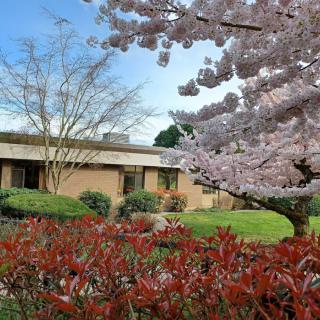
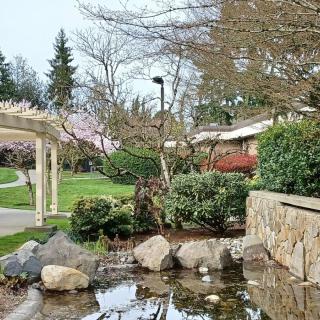
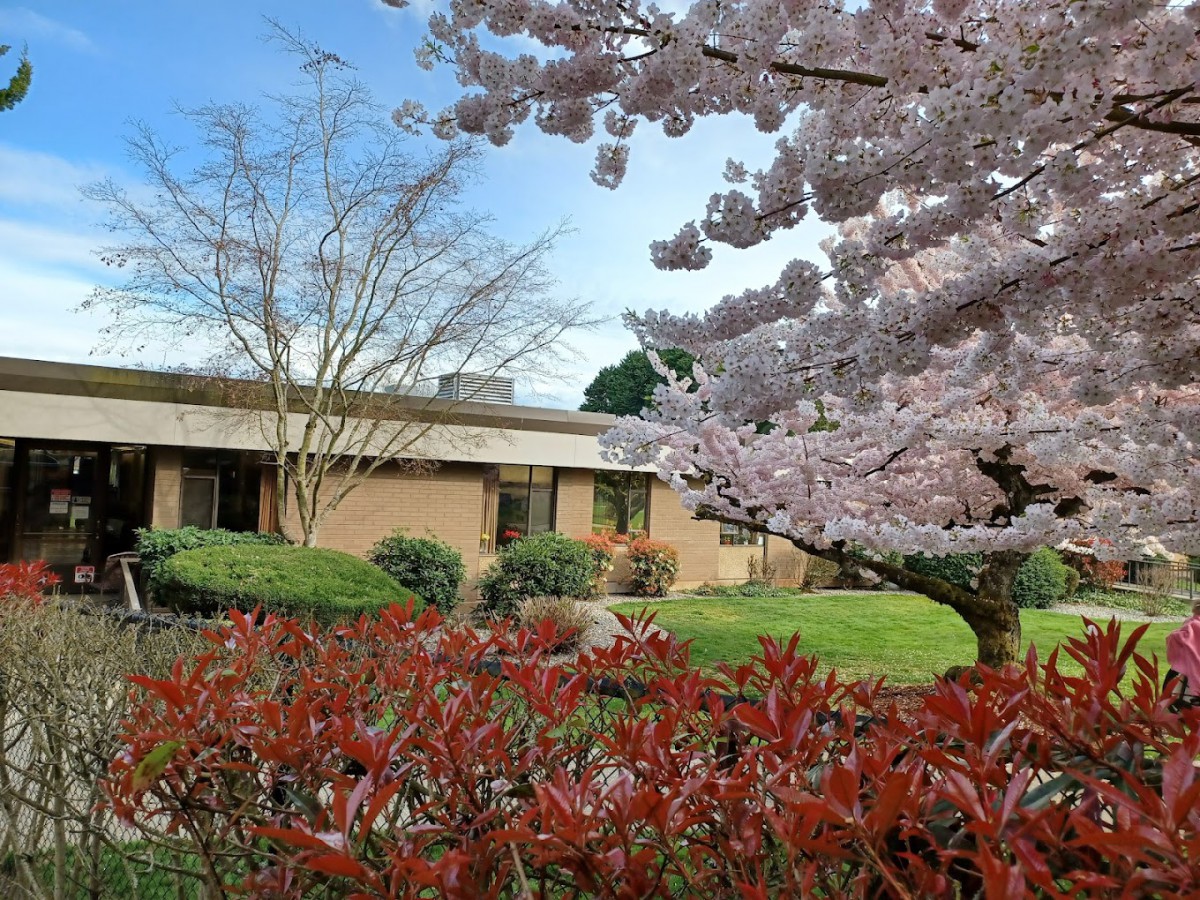
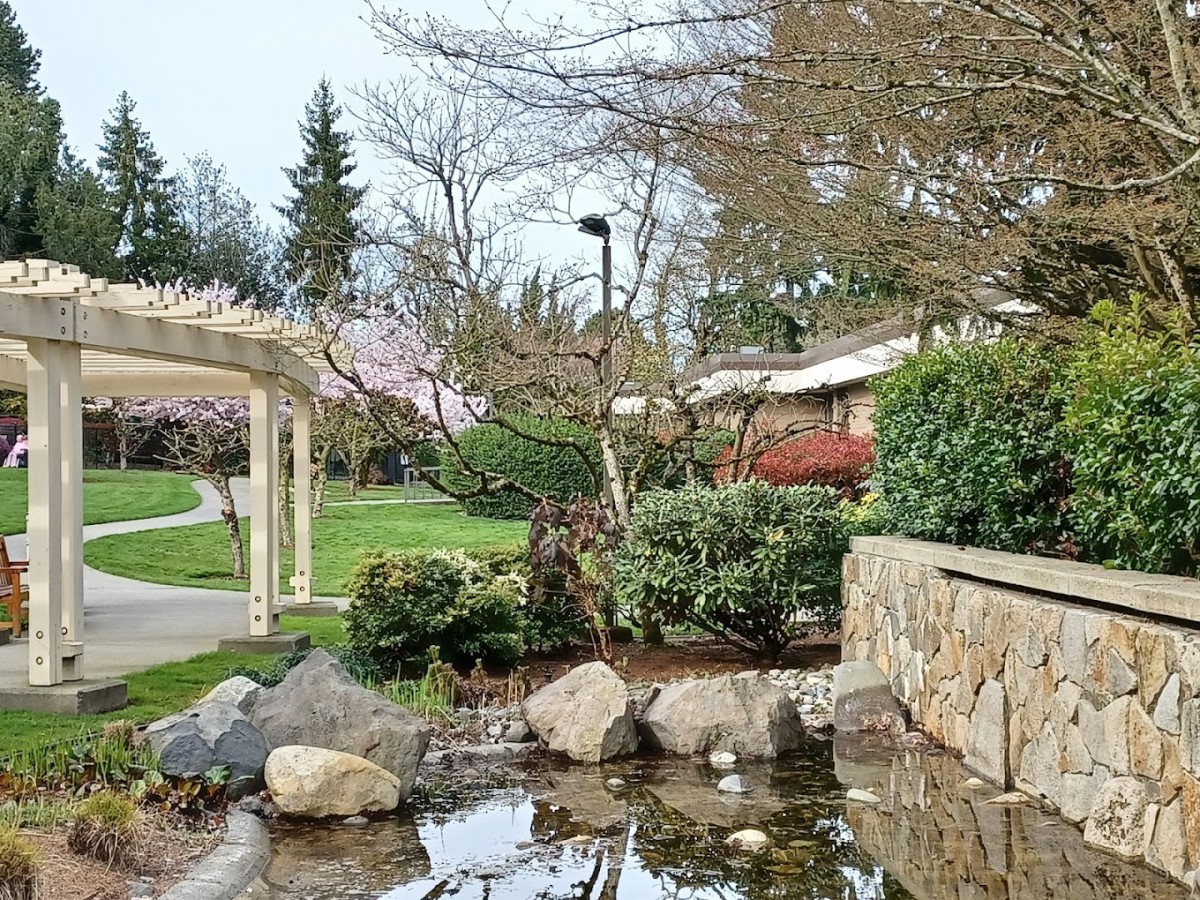
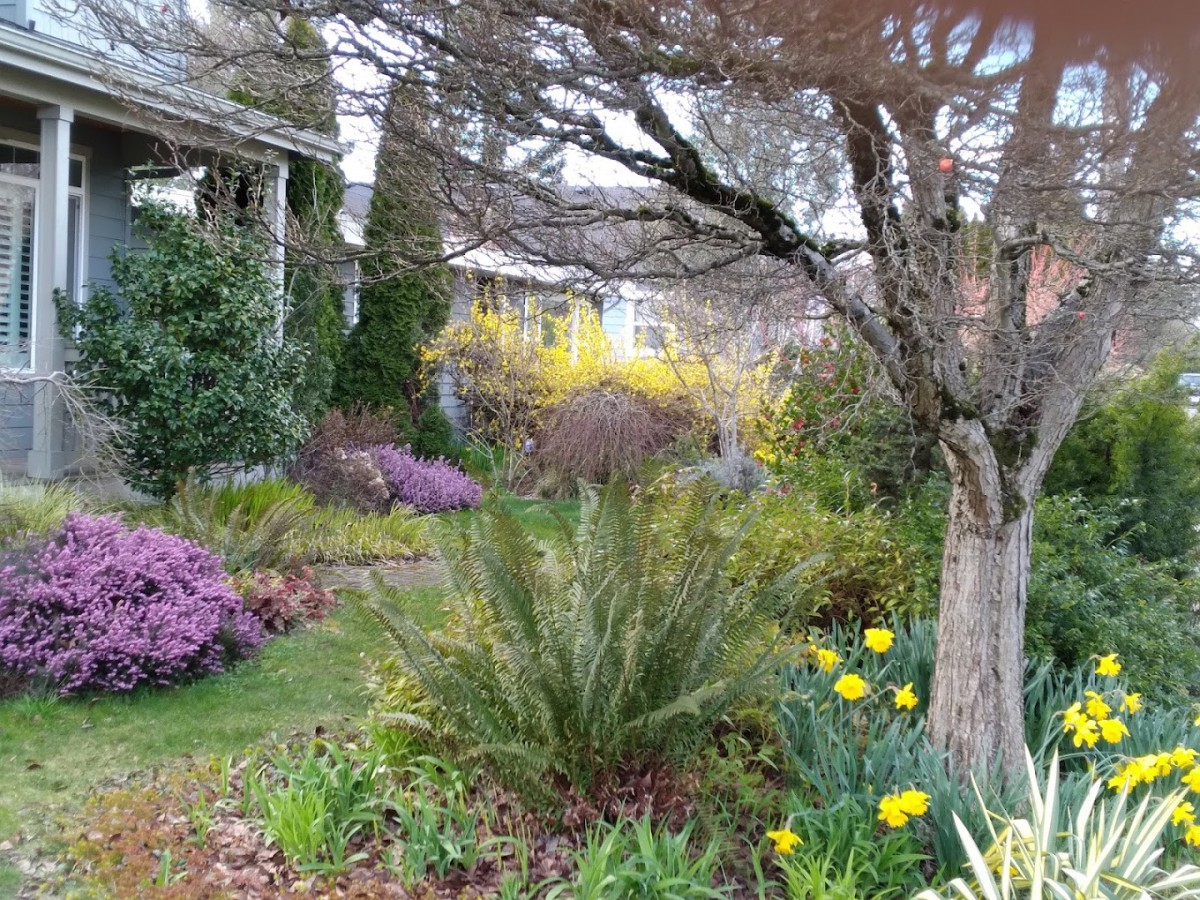
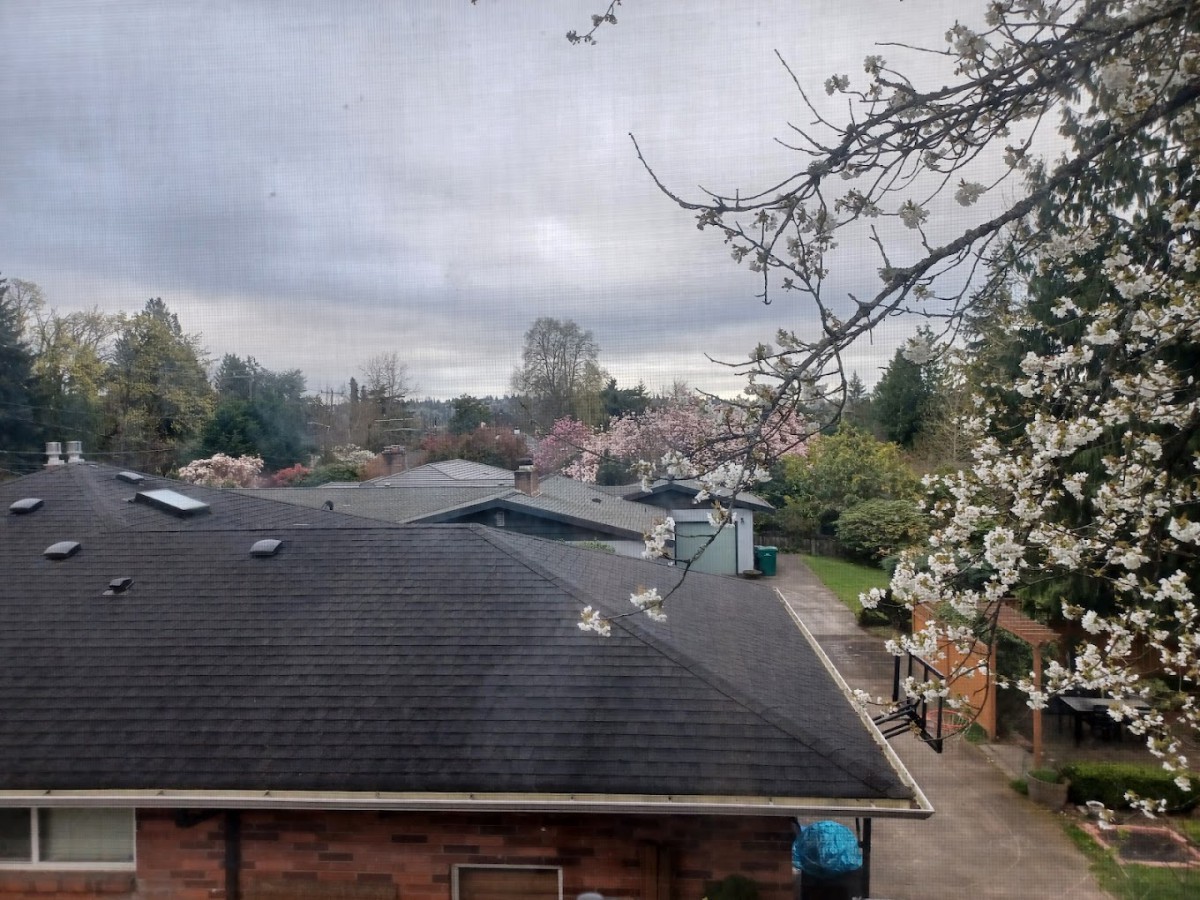
Some reviews describe the courtyard, gardens, and artwork around the facility, including a place to gather during visits. Others mention lake views from certain rooms and the overall look of the property and grounds. A couple of reviewers also note that the setting feels peaceful, which adds to the experience during recovery. This theme is less common than care and cleanliness, but it does show up in multiple accounts.
How we summarize
Counts show how many written reviews mention each theme; a review can touch several themes, and only frequently mentioned themes are displayed.
Features
Types of Care
Skilled Nursing Facility
Transportation
Seattle-Tacoma International (6 miles away)
Nearby Places of Interest
This part of Seattle, Washington, offers a convenient and diverse range of amenities for seniors looking to settle in the area. With several pharmacies located within a short distance, accessing necessary medications and healthcare supplies is made easy. The proximity to public transportation options, such as the Link Light Rail stations and the Renton Municipal Airport, provides convenience for those who may no longer drive. Additionally, there are numerous cafes, parks, restaurants, physicians' offices, hospitals, and theaters nearby for recreation and healthcare needs. Overall, this area presents a well-rounded environment with essential services readily accessible for senior living.
Pharmacies
Rite Aid (0.8 miles)
Walgreens (2.2 miles)
Bartell Drugs (3.6 miles)
CVS Pharmacy (4.1 miles)
Bartell Drugs - Ebt (4.2 miles)
Walgreens (4.2 miles)
Walgreens (4.2 miles)
Transportation
Link Light Rail - Rainier Beach Station (1.1 miles)
Columbia City Station (2.1 miles)
Mount Baker Station (3.2 miles)
Renton Municipal Airport (RNT) (3.7 miles)
Stadium Station (4.9 miles)
King Street Station (5.3 miles)
North Satellite (6.2 miles)
Cafes
Starbucks (1.1 miles)
The Flora Bakehouse (2.5 miles)
Starbucks (4.1 miles)
Starbucks HQ (4.5 miles)
Starbucks Reserve SoDo (4.5 miles)
Starbucks (4.8 miles)
Dutch Bros Coffee (4.8 miles)
Parks
Seward Park (1.2 miles)
Lake Washington Boulevard Park (1.9 miles)
Genesee Park & Playground (2.1 miles)
Gene Coulon Memorial Beach Park (3.6 miles)
North SeaTac Park (3.7 miles)
Blue Dog Pond (4 miles)
Luther Burbank Park (4.3 miles)
Restaurants
McDonald's (4.4 miles)
Seattle Fish Guys (4.8 miles)
IHOP (4.8 miles)
Uwajimaya (5.1 miles)
Uwajimaya (5.1 miles)
Moctezuma's Mexican Restaurant & Tequila Bar (5.3 miles)
Chuck's Hop Shop (5.7 miles)
Physicians
King LASIK (5 miles)
Allegro Pediatrics (5.3 miles)
Valley Medical Center, Rehab Services Pt Ot Therapy (6.4 miles)
Hospitals
Providence Mount St. Vincent - Seattle (5.4 miles)
The article emphasizes the critical role of supportive employee benefits for caregivers, advocating for flexible scheduling, paid leave, and mental health services to ease their challenges while enhancing employee well-being and organizational loyalty. It also highlights the importance of strong leadership in promoting these initiatives to foster a sustainable workplace culture that values caregivers.
Senior drivers prioritize comfort, safety, and ease of use in vehicles due to age-related challenges, seeking features like easy entry, clear visibility, and modern driver-assistance technologies. Recommended models include the Subaru Forester, Honda CR-V, and Toyota Camry, with emphasis on test-driving for personal comfort and evaluating crash-test ratings alongside insurance considerations.
Private pay home care offers a flexible caregiving option for older adults and families who don't qualify for government programs, allowing them to directly fund in-home care services that range from daily assistance to specialized support. This model's customization potential enables aging in place while addressing financial considerations through strategic planning options, though clients must navigate marketplace challenges and ensure quality compliance.
Get PricingAsk A QuestionSchedule A TourContact Senior Advisor
By clicking submit, you agree to our Partner's Terms of Use. You
also consent to receive calls and texts, which may be autodialed, from our Partner. Your consent is not a condition to
using our Partner's service. Please visit our Partner's Privacy Policy for information about their privacy practices.

 Skilled Nursing Facility
 Seattle-Tacoma International (6 miles away)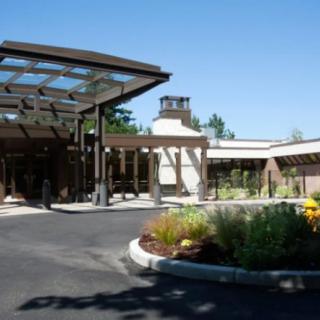
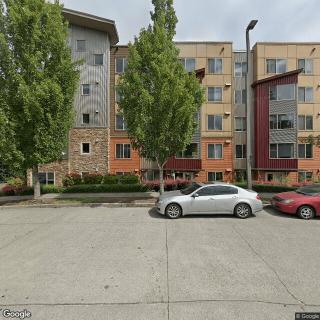
 Fully furnished apartments with on-site dining, comprehensive care, and varied activities.

 Supportive Employee Benefits That Help Caregivers Attain Better Work-Life Harmony
 Top Cars for Senior Drivers and Essential Safety Innovations
 A Closer Look at Private Pay Home Care