
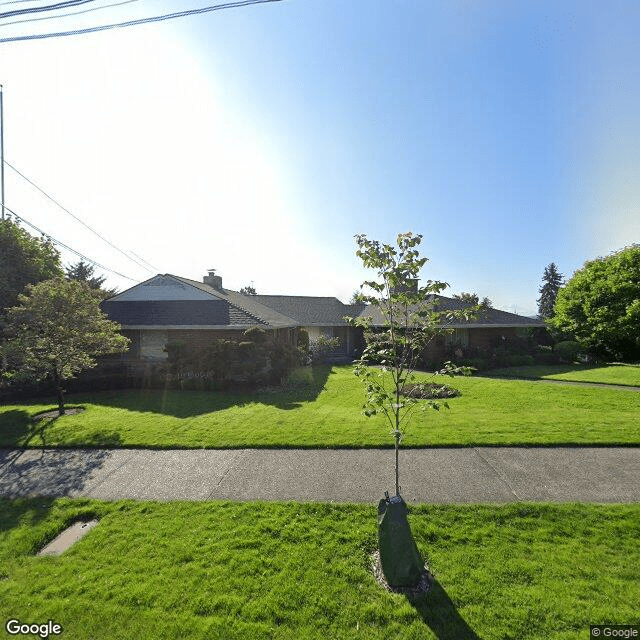
6070 Seward Park Ave S, Seattle, WA 98118
To contact a resident: (206) 679-4909
For more information about senior living options: (866) 208-4318
LakeCrest House Costs & Pricing
LakeCrest House presents a premium pricing structure for its accommodations, with all room types - private, studio, one-bedroom, and semi-private - priced consistently at $8,800 per month. This significantly exceeds the average costs in both King County and the broader Washington state, where similar options range from approximately $4,267 to $5,127. While LakeCrest House's rates reflect a higher level of service or amenities that may be beneficial for certain residents, they are notably positioned within the market as a luxury offering. The stark contrast in pricing suggests that prospective residents are likely paying for enhanced care or an elevated living experience compared to other facilities in the area.
| Floor plans | LakeCrest House | King County | Washington |
|---|---|---|---|
| Private | $8,800 | $5,034 | $4,774 |
| Studio | $8,800 | $4,464 | $4,128 |
| 1 Bedroom | $8,800 | $5,127 | $4,634 |
| Semi-Private | $8,800 | $4,430 | $4,272 |
Memory care communities with a similar price nearby
-
from -$900 / mo

Caring Cabin Manager, LLC
$7,900 to $9,000 / month16.8 miles away -
from -$1300 / mo
Lake Hills AFH, LLC
$7,500 / month7.7 miles away -
from -$300 / mo

Richmond Senior Care
$8,500 / month14.5 miles away -
from -$400 / mo
Lakota Hills Senior Care
$8,400 / month16.6 miles away -
from -$800 / mo
ETD Home Care Inc.
$8,000 / month4.0 miles away
Overall Review of LakeCrest House
Pros
 The building is cute and quiet, with residents who wear masks and respect personal space.
- The facility is excellent, with a 2-to-1 tenant-to-staff ratio, is clean, and has attentive staff.
- It is a very well-run Adult Family Home, with an owner who has 20 years of experience and is dedicated to providing the best care.
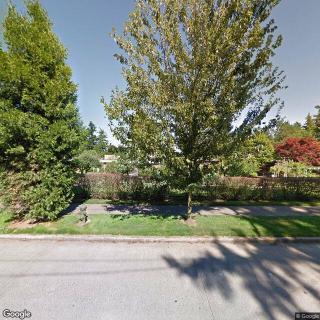
- The house is beautiful and situated in a great neighborhood.
- The owner is completely trustworthy.
Cons
 The apartment’s current management is unacceptable.
- The facility has few stimulating activities.
Review
LakeCrest House in Seattle is best suited for seniors who require hands-on daily care delivered in a warm, home-like setting and can afford a higher level of supervision. The community fits residents with limited mobility or navigating early-stage cognitive decline, particularly those who value privacy and a calm, neighborhood ambiance. The intimate, smaller-scale environment supports strong staff visibility and personalized attention, translating into dependable daily support and a reassuring sense of security for families prioritizing consistent caregiving over campus-scale amenities. In short, LakeCrest works well as a practical, comfort-first option for residents who don’t need a bustling activity calendar but do need reliable, attentive care in a homelike setting.
However, for families seeking robust social programming, varied activities, or a dynamic, community-driven atmosphere, alternatives may serve better. Several reviews flag uneven experiences tied to management, suggesting outcomes can hinge on who is overseeing the property or unit at any given time. The price tag is clearly a factor as well; the facility is described as excellent “if you can afford it,” implying ongoing costs may strain budgets. For residents who crave aggressive engagement and structured enrichment, a larger community with formal programming could outperform LakeCrest’s more restrained activity lineup.
Operational strengths sit in the ratio of care staff to residents and the cleanliness and attentiveness described by residents. A two-to-one tenant-to-staff ratio means more eyes on daily needs, quicker responses, and a tighter sense of security. The building itself is noted as cute and quiet, with a homey adult-family-home vibe that can feel more predictable and less institutional than larger communities. The care team is backed by an owner with roughly two decades of experience, described as dedicated and trustworthy, which translates into consistency in routines and a familiar, hands-on approach to caregiving. Taken together, these factors create a foundation of reliable daily life for residents who prize stability and a personal touch.
Where the balance tilts toward caution are the drawbacks. The lack of extensive enrichment programs can make the days feel long for residents who crave more social contact and cognitively stimulating activities. One review explicitly cites limited activity options, which can be a concern for those aiming to maintain or improve engagement as they age. A separate caution about apartment management introduces a potential reliability risk, care quality can be strong, but operational headaches can disrupt peace of mind for families and residents alike. Cost remains a practical hurdle for many, limiting who can choose this option without long-term financial planning.
Despite these concerns, the positives can offset the downsides for the right resident profile. For managers who value quiet, secure living with hands-on caregiving and a strong local anchor, LakeCrest delivers dependable routines and a respectful, home-like atmosphere. The 2:1 staff ratio helps minimize delays in support and fosters a personal touch that can ease transitions for seniors at risk of wandering, frequent assistance needs, or early cognitive challenges. The house’s neighborhood setting and the owner’s long tenure contribute to a predictable, trustworthy operating ethos. Families prioritizing safety and consistent care over a busy social calendar may find the trade-offs acceptable and even attractive.
Decision-makers who want to pursue LakeCrest should approach with a clear checklist: arrange a direct conversation with the administrator and front-line caregivers; review the care plan for mobility needs and cognitive support; request recent activity calendars to gauge engagement opportunities; verify the full cost structure and what exactly is included; and seek references from current residents or families. If the aim is a lively social environment, broaden the search to larger assisted living options with structured programs. If the aim is dependable daily care in a home-like setting and budget allows, LakeCrest can be a sound choice, provided management stability is confirmed and a realistic playbook for activities is established.
 Board and Care Home
 Memory Care
 Activities off-site
 Bath tubs
 Beautician on-site
 Devotional services off-site
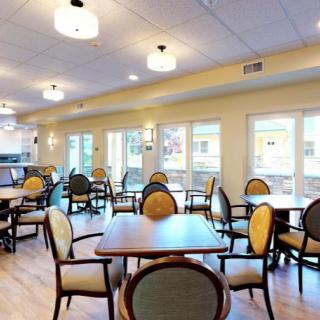
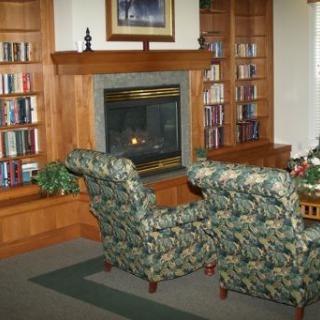
 Indoor common areas
 Outdoor common areas
 Private
 Wheelchair accessible showers
 Seattle-Tacoma International (7 miles away)
 Diabetic care
 High acuity care
 Incontinence care
 Medication management
 Kosher


 Nourishing the Mind: Essential Dietary Approaches for Dementia
 Understanding Dementia Behaviors: Practical Insights and Strategies for Caregivers
 When Dementia Sparks Anger and Aggression: Understanding the Connection and Ways to Cope