
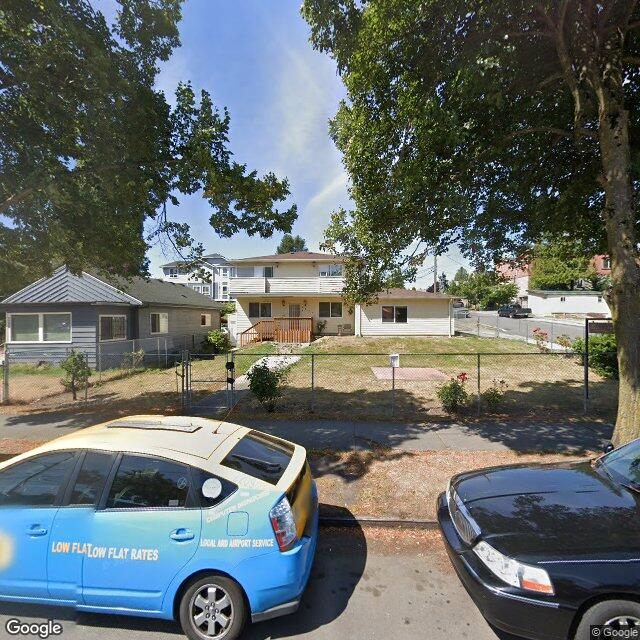
7801 Rainier Ave South, Seattle, WA 98118
To contact a resident: (206) 817-4533
For more information about senior living options: (866) 208-4318
Luxury Adult Home Care Costs & Pricing
Luxury adult home care in King County, Washington, is positioned at a competitive rate of $4,000 per month for private accommodations. This cost is notably lower than the average monthly expense for similar services in the county, which stands at approximately $5,034. On a broader scale, the state average also reflects a higher price point of around $4,772. The pricing for luxury adult home care not only emphasizes quality and personalized services but also highlights the value offered against the backdrop of regional costs. Families seeking luxurious yet affordable options in elder care will find this offering appealing as it combines comfort with a sensible financial commitment.
| Floor plans | Luxury Adult Home Care | King County | Washington |
|---|---|---|---|
| Private | $4,000 | $5,034 | $4,774 |
Senior living communities with a similar price nearby
-
from -$500 / mo
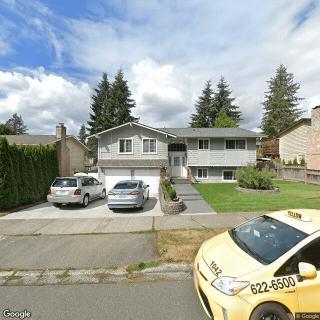
Dignity Life
$3,500 / month21.4 miles away -
from -$625 / mo
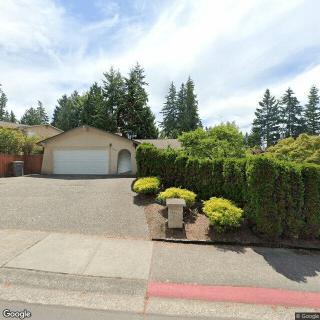
Evergreen Manor Senior Care Inc
$3,375 to $7,500 / month12.2 miles away -
About the same
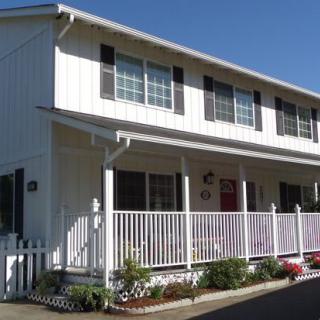
Meadow Crest Senior Home
$4,000 to $6,000 / month4.5 miles away -
About the same

Riverton Home Care
$4,000 to $5,000 / month4.0 miles away -
About the same
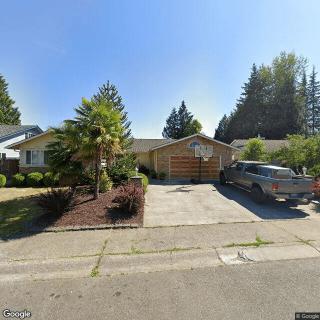
Gentle Care Home
$4,000 to $5,500 / month8.7 miles away
Overall Review of Luxury Adult Home Care
Pros
 Care would be excellent here.
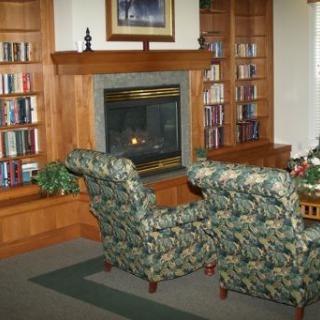
- This place looked like a mini nursing home but was much cleaner and nicer.
Cons
 The place looked like a mini nursing home.
- A guest would have to share a room there.
- The 6:30 wake time seemed too early.
Review
Luxury Adult Home Care in Seattle is best suited for seniors who deeply value dependable, high-standards care and a clean, orderly environment, and who are comfortable sharing a living space. The reviews point to a setting that delivers on care quality and cleanliness, but with a roommate requirement and a vibe closer to a conventional clinical home than a modern resort-style senior living experience. Families prioritizing a pristine facility and attentive staff, who can accept a shared-room arrangement and a quieter, more conventional atmosphere, will find aligned strengths here. This is not the pick for those seeking private accommodations, expansive social programming, or a luxe, high-energy ambiance.
The clearest strength is the level of care that appears to be present. Descriptions repeatedly assert that care would be excellent, signaling capable staff, steady routines, and reliable supervision. The space is noted as cleaner and nicer than a typical “mini nursing home,” which translates into lower infection risk perceptions and a more pleasant daily environment. For a resident who thrives on routine, safety, and responsive assistance, these factors can meaningfully offset other limitations. In other words, the core service, how residents are cared for and protected, comes across as a central, dependable asset.
Yet the upside is sharply curtailed by the practical drawbacks. The need to share a room is a substantial consideration; privacy and personal space are inherently constrained, and this can weigh heavily for residents used to private accommodations or a higher degree of independence. The impression that the facility “looked like a mini nursing home” underscores a more institutional, compact feel than many families expect from a luxury-branded setting. Compounding this, the observation about an early 6:30 p.m. bedtime hints at a quiet, possibly rigid schedule that may feel restrictive to those who value flexible hours, social outings, or late-day activities. Taken together, these traits temper the otherwise strong care narrative and reframe this community as best suited to certain comfort thresholds.
The pros, care quality, cleanliness, and a calmer, more controlled environment, indeed offset some cons for the right resident. Reliable care reduces anxiety about daily needs, falls, medication management, and emergency response, which can offset the sense of living in a traditional nursing home for families prioritizing safety. Cleanliness diminishes health concerns and creates a more welcoming daily experience. However, the offset is incomplete: privacy losses and a subdued daily rhythm can erode the perceived value, especially for individuals who prize autonomy, personal control over routines, or a more dynamic social calendar. For such families, the practical gains in care do not fully compensate for the reduced living experience.
Alternatives deserve consideration for anyone who places higher weight on private accommodations, a more upscale or home-like atmosphere, or a busier social program. If private rooms, more vibrant resident life, and less of an institutional impression are non-negotiables, explore other Seattle-area options that emphasize private studios, flexible dining, and varied activity tracks. It is reasonable to compare these factors against the clean, well-staffed core care this community promises. In the end, this facility may appeal to families seeking a fiscally sensible, solid-care option that minimizes risk and maximizes safety, while those chasing independence, personal space, or a luxury residence should look elsewhere.
For the decision process, focus on concrete, visit-driven questions: what room options exist beyond twins or shared accommodations, and what is the cost delta for private rooms? what is the actual staff-to-resident ratio, and how does the team handle falls risk, cognitive needs, or mobility support? what programs and social opportunities exist that align with the resident’s interests, and how flexible are dining and activity schedules? and crucially, what does a trial stay or short-term placement look like to test fit without long-term commitment? A candid site visit will reveal whether the quiet, clean, and well-staffed care aligns with expectations for privacy, ambiance, and daily rhythm.
Bottom line: this community delivers dependable, high-quality care in a clean, orderly setting, making it a sensible choice for seniors who prioritize safety and clarity of routine and who do not require private rooms or a lively, luxurious atmosphere. Those who insist on private accommodations, a more residential feel, or a robust, socially active environment should pursue alternatives. If the need is steady, attentive care with predictable daily life and a strong emphasis on cleanliness, this Seattle option stands up well. Otherwise, it is prudent to continue the search with a clearer emphasis on privacy, ambiance, and flexible programming.
 Board and Care Home
 Activities on-site
 Beautician on-site
 Indoor common areas
 Outdoor common areas
 Private
 Wheelchair accessible showers
 Seattle-Tacoma International (6 miles away)
 Ambulatory care
 Diabetic care
 High acuity care
 Incontinence care
 Medication management
 Meals provided


 Caring for Those Who Care: Recognizing, Understanding, and Overcoming Caregiver Burnout
 Caregiver Exhaustion: Recognizing the Signs and Restoring Your Well-Being
 Understanding Hospice Care at Home: Comprehensive Services, Key Benefits, and Eligibility