5214 42nd Avenue S, Seattle, WA 98118
For more information about senior living options: (866) 208-4318
Overall Review of Kin On Assisted Living
Pros
 Kin On took care of his dad like no other.
- The food was something his dad loved.
- Everyone was helpful and patient with him.
- Kin On provided guidance to the family on how to care for him after discharge.
- Kin On brought a bit of happiness during his time in the nursing home.
- Kin On treated elders with the utmost respect.
Cons
 Avalon Nursing Home in Federal Way was a horrible place.
- He passed away there and it was the most worst experience ever.
Review
Kin On Assisted Living in Seattle is best suited for seniors who prize a warm, person-centered environment where staff are attentive, respectful, and genuinely engaged with both residents and families. The two five-star reviews paint Kin On as a place where daily care feels personal, meals are satisfying, staff are patient, and families are kept informed. This is not a facility designed to read as clinical or impersonal; it’s a home-like setting that earns trust through consistent kindness, considerate communication, and careful attention to the resident’s well-being. Families seeking a calm, respectful atmosphere with dependable daily routines will find Kin On a strong match.
Those who may want to consider alternatives are the families confronting higher medical acuity or specialized memory-care needs. The reviews do not spotlight advanced nursing supervision or extensive dementia programming, and the one stark caution comes from a family member whose loved one transitioned from Kin On to a different nursing home and experienced a troubling outcome there. That echoes a reality: for elders who require robust post-acute rehabilitation, complex wound care, or memory-care environments with intensive supervision, options with in-house skilled nursing or more comprehensive memory-care services may serve better. Kin On shines in presence, warmth, and everyday compassion, not necessarily as a surrogate for full-service post-acute care.
The strongest pros, staff kindness, patient handling, and respectful treatment, offer clear, practical benefits that offset the absence of heavy medical programming. Families report that caregivers treated their loved ones with uncommon dignity, and that the staff were not only helpful to the resident but equally informative to the family. This translates into real peace of mind during transitions and daily life, a critical factor when determining whether to place a loved one in an assisted-living setting. The positive impact of meals the resident enjoyed, plus the sense of being seen and valued, can markedly improve quality of life and reduce stress for both resident and family.
Another decisive pro is the communicative approach demonstrated by the staff. The reviews emphasize transparency and guidance to families on how to monitor a loved one’s status and what steps to take if concerns arise. This level of family-facing support matters greatly for those balancing caregiving with work or other obligations. A home-like dining experience paired with courteous, patient caregivers creates an environment where elders feel secure and families feel included, a combination that lowers the risk of social withdrawal and fosters engagement.
Nonetheless, prospective residents should remain mindful of what the reviews do not fully establish. The small sample size means individual experiences can vary, and the absence of explicit detail about clinical services or memory-care programming leaves some questions unanswered. Tour and observe directly: ask about staff-to-resident ratios, daily activity schedules, dietary accommodations, and what ancillary medical supports are available on-site. It is wise to verify how transitions are managed if the plan ever involves a move to another level of care, to avoid the kind of discontinuity that concerned one reviewer.
In the end, Kin On Assisted Living presents a compelling choice for families prioritizing dignity, attentive care, and a courteous, home-like atmosphere. It is especially well-suited for elders who thrive on steady routines, good meals, and staff who listen, and for families who want assurance that their loved ones are treated with respect and kindness daily. For those whose needs extend into higher-acuity medical supervision or more intensive memory-care programming, exploring alternatives with stronger on-site clinical services is prudent. A site visit combined with candid conversations about care plans, safety features, and post-acute transition policies will crystallize whether Kin On aligns with the resident’s evolving needs.
 25 resident community capacity
 Assisted Living
 Beauty salon
 Cable or satellite TV
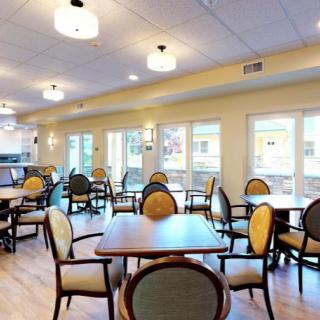
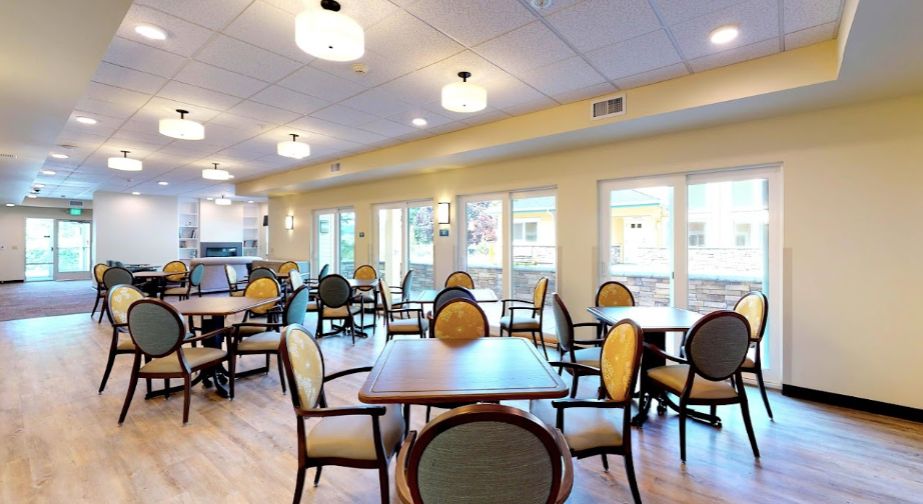
 Dining room
 Fully furnished
 Garden
 Housekeeping services
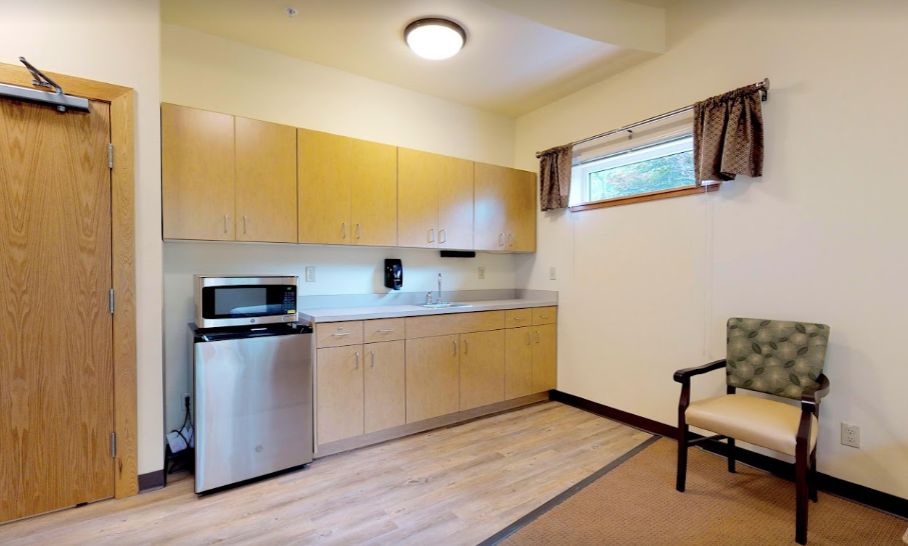
 Kitchenette
 Move-in coordination
 Outdoor space
 Restaurant-style dining
 Small library
 Telephone
 Wi-Fi/high-speed internet available
 Seattle-Tacoma International (7 miles away)
 24-hour call system
 Activities of daily living assistance
 Assistance with bathing
 Assistance with dressing
 Assistance with transfers
 Diabetes diet
 Medication management
 Mental wellness program
 Special dietary restrictions







 Comprehensive Insights into Activities of Daily Living (ADLs) and Their Assessment
 Medicare Coverage for Assisted Living: An In-Depth Exploration
 Your Comprehensive Guide to Luxury Assisted Living: Elevated Facilities, Amenities, and Costs