
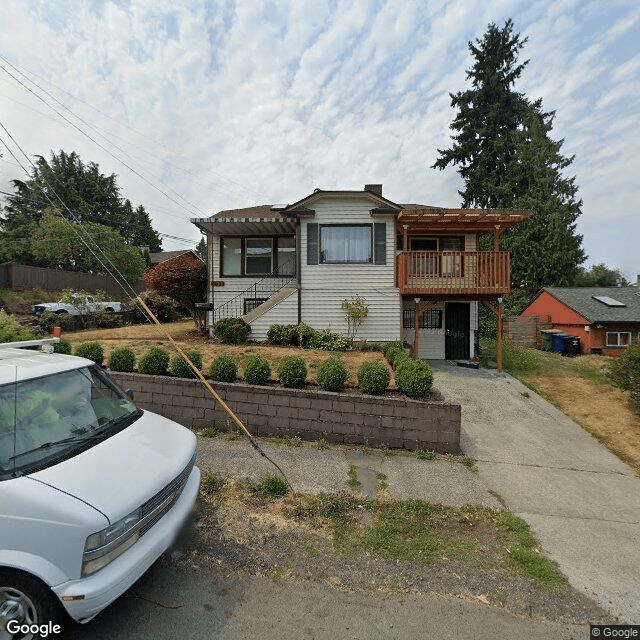
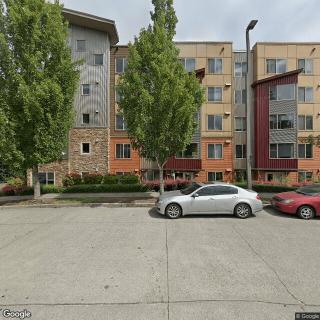
5069 Renton Ave. So, Seattle, WA 98118
To contact a resident: (206) 723-1452
For more information about senior living options: (866) 208-4318
Luz's Home Care AFH Costs & Pricing
Luz's Home Care Adult Family Home (AFH) offers competitive pricing for its room options, making it an attractive choice in the context of both King County and Washington state. The cost for a semi-private room at Luz's is $2,500 per month, significantly lower than the county average of $4,430 and the state average of $4,267. For private accommodations, Luz's rates are set at $3,000 per month, again undercutting the regional figures which stand at $5,034 for King County and $4,772 statewide. Additionally, their one-bedroom units also reflect this trend with a rate of $3,000 compared to county and state averages of $5,127 and $4,632 respectively. Overall, Luz's Home Care AFH provides exceptional value to families seeking quality care in a supportive environment without compromising on comfort or location.
| Floor plans | Luz's Home Care AFH | King County | Washington |
|---|---|---|---|
| Semi-Private | $2,500 | $4,430 | $4,272 |
| Private | $3,000 | $5,034 | $4,774 |
| 1 Bedroom | $3,000 | $5,127 | $4,634 |
Memory care communities with a similar price nearby
-
About the same
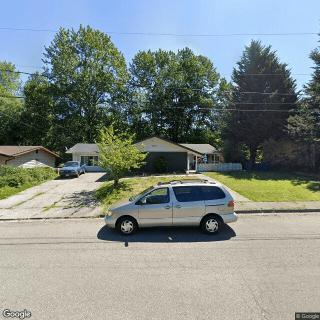
Freedom Care
$2,500 to $3,000 / month8.2 miles away -
About the same
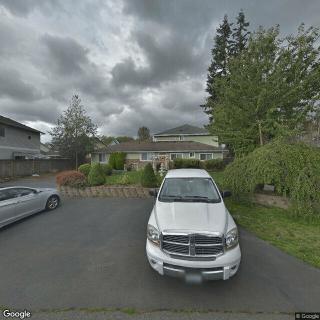
Silver Pond AFH
$2,500 to $3,500 / month23.8 miles away -
from -$163 / mo

Marine Courte Memory Care
$2,337 to $3,228 / month17.7 miles away -
About the same
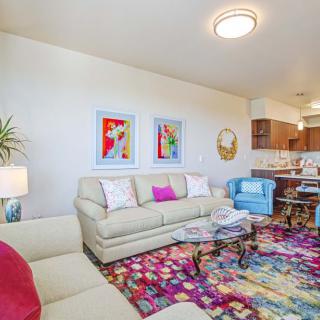
Merrill Gardens at Renton Centre
$2,495 to $5,475 / month6.2 miles away -
About the same

Merrill Gardens at Tacoma
$2,500 to $5,400 / month24.4 miles away
Overall Review of Luz's Home Care AFH
Pros
 Family owned AFH, owner spends time assuring residents are well cared for.
Cons
 The first impression was not good.
Review
Luz's Home Care AFH in Seattle is best suited for seniors who want a warm, intimate, family-run setting where the owner is directly involved in daily care. This community appeals to families prioritizing personal attention, clear communication, and a home-like environment over the polish of a larger campus. The standout is the owner who makes time to check on residents, signaling dependable oversight and hands-on reassurance for loved ones. For residents who are mostly independent but need daily help with routines, this setting delivers predictable, closely supervised days. It rewards those who value relationship-based care over standardized protocols.
Those who demand consistently polished first impressions, formal administrative processes, or robust medical staffing may want alternatives. If memory care needs or around-the-clock clinical oversight are non-negotiable, a larger group with documented protocols will likely suit better. Families seeking expansive activity calendars, multiple dining options, or glossy common spaces may find a big community a better fit. In short, this AFH excels in warmth and attention but may fall short for households that equate care with scale, extensive medical services, or highly structured operations. The decision hinges on what quality signals matter most.
Key pros offset the main con by centering care on a hands-on owner and a family ethos. When leadership invests time with residents, care plans tend to be personalized, flexible, and adaptable to changing needs. Direct, ongoing communication with the person responsible for daily routines can translate into faster problem-solving and more trust from families. That personal touch can compensate for limited square footage or less formal programming. The main risk is that first impressions can be uneven, and success depends on the owner's consistent engagement. Still, the accessibility and accountability created by a present owner often outweigh the drawbacks in practice.
Experience data shows a mixed picture: one reviewer praised the reassurance of a caring owner, while another reported a disappointing initial encounter. The rate hovering around the middle suggests outcomes depend on moments of contact and the day-to-day dynamics inside the house. Families should not rely on a single visit to gauge quality. Instead, observe ongoing interactions, request to meet the caregiving team, and ask for transparency about daily schedules, updates to families, and how issues are escalated. The small, close-knit setting can deliver exceptional warmth when leadership is engaged, yet it can magnify early missteps if staff continuity falters.
To move forward, schedule thorough tours and insist on meeting the owner and caregivers. Ask how care plans are generated, reviewed, and updated, and request concrete examples of how emergencies and medication management are handled. Clarify inclusion in the monthly rate, potential extra charges, and policies around respite stays. If complex medical oversight, memory care, or highly scheduled activities matter, compare with larger operators that publish clinical staffing ratios and care metrics. Bring questions about daily routines, safety checks, and family communication; use those answers to gauge whether the model aligns with the resident’s needs and family's expectations.
Overall, Luz's Home Care AFH offers a credible, family-first option for Seattle seniors who prize direct access to leadership and a home-like living pace. The owner’s visible commitment to residents translates into personalized attention and proactive problem-solving, which many families will value highly. The catch is that first impressions can be inconsistent, and the small scale can leave gaps in formal systems or specialized medical oversight. For households prioritizing warmth, accessibility, and a straightforward, hands-on care model, this community deserves careful consideration. For those requiring polished front-end presentation or robust clinical infrastructure, alternatives should be compared to ensure the best fit.
 Board and Care Home
 Memory Care
 Indoor common areas
 Outdoor common areas
 Private
 Seattle-Tacoma International (7 miles away)
 Ambulatory care
 Diabetic care
 Incontinence care
 Medication management
 Meals provided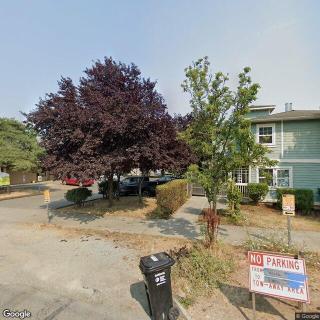
 A Holistic Dementia Care Guide: Effective Strategies for Memory Support
 Memory Care Pathways: A Holistic Guide to Dementia Support
 Comprehending Evening Confusion in Dementia: Causes, Manifestations, and Support