Overall Review of Life Care Center Of Port Orchard
common
Staff are consistently praised
Residents and visitors repeatedly describe staff as kind, attentive, and responsive.
Many reviewers say the staff treats them with patience and friendliness, and that caregivers are welcoming when family members visit. Several people mention nurses and CNAs being professional, approachable, and good at keeping visitors informed about what is happening. A few reviewers also highlight specific roles such as nursing, social services, PT/OT, and even housekeeping as helpful during rehab or longer stays.
common
Cleanliness and no-odor stand out
The cleanliness of the facility is a frequent positive in reviews.
A repeated theme is that the building looks clean, is well maintained, and does not have an unpleasant smell to many reviewers. Several comments connect cleanliness with comfort in patient rooms and common areas, including hallways and the overall feel of the facility. There are also minority concerns about rooms being dirty or odors in certain hallways, but most descriptions emphasize cleanliness.
differentiator
PT and OT drive recovery
Physical and occupational therapy receives consistent recognition from reviewers.
Reviewers frequently describe physical and occupational therapy as a strength, noting progress with mobility and exercises that help people feel safer returning home. Multiple reviews point to PT/OT teams as knowledgeable and patient, with therapists working with residents day to day. Even when other parts of the experience were criticized, some reviewers still singled out therapy as especially helpful.
caveat
Food quality is mixed
Dining quality and meal timing come up both positively and negatively.
Some reviewers say the food is good, adequate, and even better than hospital food, including for special diets like low sodium and diabetes-related needs. Others report meals arriving cold, not matching what was ordered, or taking too long, and one person described meal service as improving over time. A couple of comments also mention odors in the hall and that cleanliness and food issues can overlap in negative experiences.
How we summarize
We summarize when many written reviews mention each theme; a review can touch several themes, and only frequently mentioned themes are displayed.
Features
Housing
125 resident community capacity
Types of Care
Skilled Nursing Facility
Amenities
Air-conditioning
Beauty salon
Cable or satellite TV
Computer center
Dining room
Fitness room
Fully furnished
Gaming room
Garden
Housekeeping services
Kitchenette
Move-in coordination
Outdoor space
Private bathrooms
Restaurant-style dining
Small library
Telephone
Wellness center
Wi-Fi/high-speed internet available
Transportation
Seattle-Tacoma International (17 miles away)
Community operated transportation
Transportation arrangement
Transportation arrangement (non-medical)
Transportation to doctors appointments
Care Services
12-16 hour nursing
24-hour call system
24-hour supervision
Activities of daily living assistance
Assistance with bathing
Assistance with dressing
Assistance with transfers
Diabetes diet
Meal preparation and service
Medication management
Mental wellness program
Special dietary restrictions
Dining
Diabetes diet
Special dietary restrictions
Activities
Community-sponsored activities
Concierge services
Fitness programs
Planned day trips
Resident-run activities
Scheduled daily activities
Nearby Places of Interest
Pharmacies
Rite Aid (0.9 miles)
Walgreens (1 miles)
Albertsons Pharmacy (2.3 miles)
Kitsap Cannabis Farmers fair (2.8 miles)
Walgreens (3.6 miles)
Walgreens (5.5 miles)
Walgreens (7.3 miles)
Restaurants
Hi Joy Bowl (1.6 miles)
McDonald's (7.6 miles)
McDonald's (8.9 miles)
Bent Bine Brew Co. (9.8 miles)
Jr's Hideaway (10.4 miles)
Minterbrook Oyster Co. (11 miles)
McDonald's (11.1 miles)
Cafes
Starbucks (2.3 miles)
Starbucks (11 miles)
Starbucks (11 miles)
Starbucks (13.2 miles)
Starbucks (13.8 miles)
Chelan Cafe (14 miles)
Uptown Espresso (14.5 miles)
Physicians
Va Bremerton Outpatient Clinic (3.7 miles)
The Manette Clinic (4.1 miles)
Long, Kira Harrison Healthpartners Thoracic and Vascular Surgery (4.6 miles)
CHI Franciscan Family Medicine Clinic (4.6 miles)
Kitsap Eye Physicians (4.9 miles)
Peninsula Oral Surgery (5 miles)
The Visual Connection (5.1 miles)
Parks
Manette Playfield (4.2 miles)
Horseshoe Lake County Park (7.8 miles)
Blake Island State Park (8 miles)
Battle Point Park (10.7 miles)
Sehmel Homestead Park (11.6 miles)
Emma Schmitz Memorial Overlook (11.9 miles)
Lincoln Park (12.1 miles)
Theaters
Rodeo Drive-In Theatre (4.6 miles)
AMC Kitsap 8 (9.7 miles)
Transportation
Port Orchard Airport (6.2 miles)
Hospitals
Upper Cervical Health Centers Of America (9.4 miles)
Providence Mount St. Vincent - Seattle (13.1 miles)
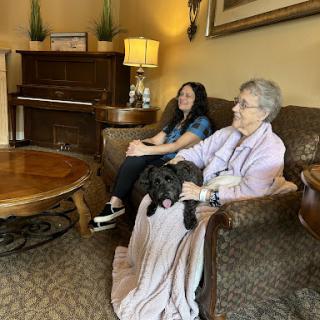
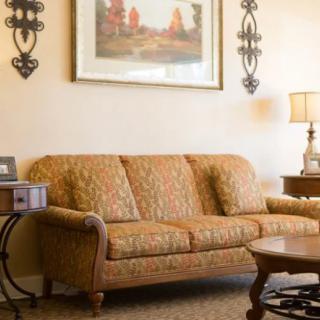
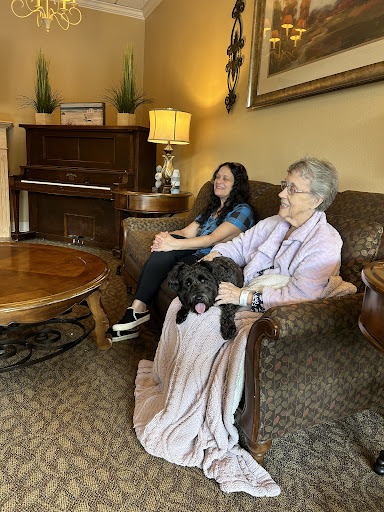
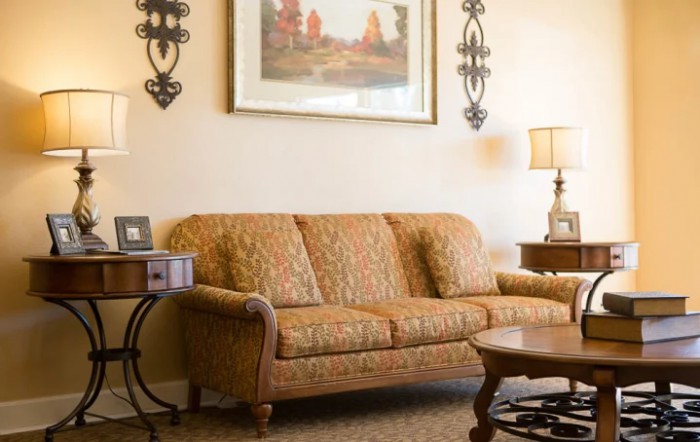
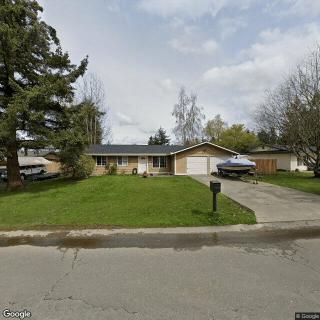
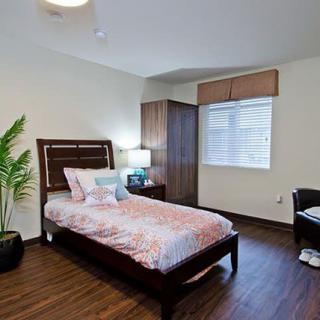
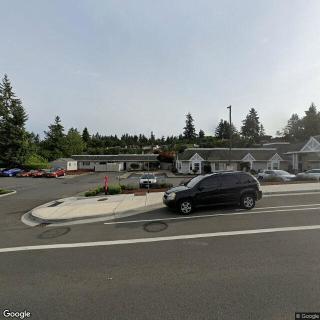
Life Care Center Of Port Orchard on seniors.fyi includes 4 photos including images showing living room, interior, painting, piano, bedroom, decor, and more.
Nearby Communities
Liberty Place
Port Orchard, WA
4.3 from 66 reviews
$2,645 to $5,137 / month
Caring, attentive staff in a clean, home-like setting with Medicaid acceptance.
Stafford Healthcare At Ridgemont
Port Orchard, WA
Extensive amenities and 24/7 care services.
Orchard Pointe
Port Orchard, WA
4.4 from 76 reviews
$5,400 to $6,100 / month
Warm, professional staff with engaging activities and comprehensive memory-care services.
Stafford Suites- Port Orchard
Port Orchard, WA
4.6 from 13 reviews
$4,025 to $5,650 / month
Friendly staff; good meals; clean, homey, active atmosphere.
Stafford Suites Port Orchard
Port Orchard, WA
4.5 from 17 reviews
Attentive staff, restaurant-style dining, and a wide range of activities.
Design Your Care, Inc.
Port Orchard, WA
4.9 from 83 reviews
Serene assisted living with convenient access to parks, pharmacies, doctors, and dining.
The Arbor at Bremerton
Bremerton, WA
3.6 from 63 reviews
$5,000 to $5,500 / month
Compassionate staff with clear communication in a well-maintained memory-care setting.
Belmont Terrace-Assisted Living
Bremerton, WA
4.1 from 32 reviews
Compassionate, supportive staff and a warm, community atmosphere during recovery.
Ashley Gardens of Bremerton
Bremerton, WA
4.5 from 17 reviews
$3,600 to $4,800 / month
Clean, safe environment with an effective admissions/orientation process and well-received meals.
Caregiver exhaustion, or burnout, stems from the relentless demands of caregiving, leading to emotional and physical depletion characterized by stress, frustration, and neglect of personal needs. Addressing this burden is essential to prevent long-term consequences, with early recognition and support being crucial for caregivers to maintain balance and implement self-care.
Hospice care at home provides specialized end-of-life support that focuses on comfort and dignity for individuals with life-limiting illnesses, offering a range of services including medical management, emotional and spiritual support, and logistical assistance tailored to the family's needs. It involves collaboration to create individualized care plans and extends to bereavement support after a loved one's passing.
The guide outlines the rising costs of 24/7 in-home care, ranging from $10,000 to over $20,000 monthly, driven by factors such as location and caregiver qualifications. It discusses the limited coverage by Medicare and private insurance, potential Medicaid support, and the emotional and living condition considerations influencing families' decisions on care arrangements.
Get PricingAsk A QuestionSchedule A TourContact Senior Advisor
By clicking submit, you agree to our Partner's Terms of Use. You
also consent to receive calls and texts, which may be autodialed, from our Partner. Your consent is not a condition to
using our Partner's service. Please visit our Partner's Privacy Policy for information about their privacy practices.






 125 resident community capacity
 Skilled Nursing Facility
 Air-conditioning
 Beauty salon
 Cable or satellite TV
 Computer center
 Dining room
 Fitness room
 Fully furnished
 Gaming room
 Garden
 Housekeeping services
 Kitchenette
 Move-in coordination
 Outdoor space
 Private bathrooms
 Restaurant-style dining
 Small library
 Telephone
 Wellness center
 Wi-Fi/high-speed internet available
 Seattle-Tacoma International (17 miles away)
 Community operated transportation
 12-16 hour nursing
 24-hour call system
 Activities of daily living assistance
 Assistance with bathing
 Assistance with dressing
 Assistance with transfers
 Diabetes diet
 Medication management
 Mental wellness program
 Special dietary restrictions
 Concierge services
 Planned day trips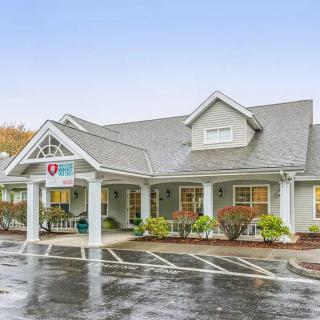
 Caring, attentive staff in a clean, home-like setting with Medicaid acceptance.

 Caregiver Exhaustion: Recognizing the Signs and Restoring Your Well-Being
 Understanding Hospice Care at Home: Comprehensive Services, Key Benefits, and Eligibility
 Understanding the Full Cost of 24/7 In-Home Care: A Detailed Overview