Belmont Terrace-Assisted Living in Bremerton, WA
Save
Information last verified:
570 Lebo Blvd, Bremerton, WA 98310
For more information about senior living options: (844) 490-3973
Belmont Terrace-Assisted Living in Bremerton, Washington is a community best suited for families and older adults who value a warm, homelike atmosphere, hands-on nursing attention, and a rehabilitative focus delivered by a responsive therapy team. When leadership has recently stabilized and renovations are visible, the place can feel like a rejuvenated home where staff genuinely know residents, explain plans clearly, and foster a sense of routine and social connection. For residents who thrive on active engagement, daily activities, and a strong emphasis on holistic recovery, Belmont Terrace can be a solid match, provided that the care environment remains consistently staffed and well-coordinated.
Those weighing alternatives should pay particular attention to medical oversight and reliability of daily operations. Families who require unwavering, week-in and week-out medical management, predictable nurse call responsiveness, and strict adherence to physician orders should scrutinize Belmont Terrace closely or explore other options. Several reviews raise red flags about inconsistent nursing attention, delayed or missing medication administration, and gaps in discharge planning. If a resident depends on rapid escalation of care, or if weekends and nights demand consistently proactive medical presence, alternatives with a documented, stable track record in medical governance may be a prudent hedge.
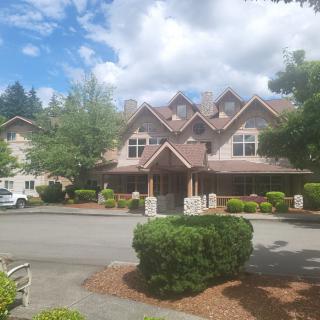
On the upside, Belmont Terrace benefits from a cohort of compassionate, patient-focused staff, people who are described as caring, courteous, and professional by multiple families. The therapy team is repeatedly praised for strong outcomes and practical rehabilitation approaches, particularly for post-acute residents seeking a clear pathway back to prior levels of function. The environment, especially after recent renovations, can feel bright and welcoming, with clean rooms, well-maintained common spaces, and a calendar of engaging activities that emphasize social, cognitive, and physical well-being. Food is frequently cited as a notable positive, and front-desk friendliness helps create an initial sense of security for visiting families. For residents needing a robust rehab or long-term program where staff take time to explain processes and involve families in planning, these elements can outweighed most everyday concerns.
Yet significant, real concerns persist in a subset of experiences, and these cannot be dismissed. A number of reviews describe care that feels misaligned with residents’ needs, including reports of care gaps, rooms not being cleaned adequately, and disconnections between staff and family expectations. Some accounts allege that medical oversight can be inconsistent, with doctors reportedly slower to respond or less engaged on weekends, and there are pointed warnings about following discharge instructions or implementing physician-directed care. The most troubling narratives describe situations where medication management and symptom monitoring were not performed with the expected rigor, and where residents appeared to experience delays or lapses in attention. Taken together, these concerns suggest that, while the facility can deliver excellent care in many cases, the quality floor is highly dependent on leadership stability and on the day-to-day performance of the nursing and behavioral health teams.
The key question is whether Belmont Terrace’s strengths can reliably offset its weaknesses over the long arc of a resident’s stay. When leadership is effective, staffing is sufficient, and the rehab and social programs are fully integrated with medical care, the facility can deliver meaningful, tangible value: a compassionate staff culture, a clear rehabilitation trajectory, and a welcoming environment that supports dignity and independence. The persuasive pros, responsive therapy services, notable kindness from caregivers, visible renovations, and a well-organized activities program, can compound into a genuinely positive living experience, particularly for residents who are self-directed, able to participate in programs, and not in fragile medical decline. For families who prioritize quality interactions with staff and a rehabilitative path forward, Belmont Terrace can be a compelling option.
However, the more cautious conclusion is that Belmont Terrace requires careful due diligence before committing. The volume and intensity of conflicting experiences mean that outcomes may swing based on staffing continuity, the strength of the nursing leadership, and the facility’s ability to translate policy into consistent practice across shifts. Prospective residents should pursue a candid, concrete dialogue with administration about staffing ratios, nurse management, medication procedures, and the escalation path for medical concerns. Tours should include observations of daytime and evening operations, discussions with current residents' families, and a review of recent incident and care-plan documentation. Request to see examples of individualized care plans, discharge follow-up records, and the details behind any recent quality-improvement initiatives.
In the end, Belmont Terrace presents a practical blend of potential and risk. For families prioritizing warmth, active engagement, and rehabilitative momentum, and who are willing to monitor and participate in care planning, the community offers genuine strengths that can translate into a meaningful daily life for many residents. For those whose non-negotiables include ironclad medical oversight, consistently timely nursing response, and transparent, verifiable care metrics, it may be wise to widen the search or insist on a highly structured trial period with clear expectations and review milestones. Belmont Terrace is not a universal solution, but with the right resident profile and careful, proactive management of care, it can become a dependable home rather than a problematic contingency.
Belmont Terrace-Assisted Living in Bremerton, WA is a skilled nursing facility that offers a high level of care for seniors. Our community is dedicated to providing excellent service and ensuring the well-being of our residents.
Within Belmont Terrace, we understand the importance of spirituality and offer devotional services off-site for those who wish to nurture their faith. Our indoor common areas provide comfortable spaces for residents to socialize, relax, and engage in various activities.
We prioritize the health and well-being of our residents with specialized diabetic care services. Our trained staff members are experienced in managing diabetes and provide personalized assistance to ensure that each resident's needs are met.
We believe in keeping our residents active and engaged, both mentally and spiritually. Therefore, we also organize devotional activities offsite to promote spiritual growth within the community.
Located in Bremerton, our community benefits from its proximity to several amenities. Residents can enjoy nearby cafes and restaurants for dining options outside of our own culinary offerings. Additionally, there are parks available for leisurely walks or outdoor activities. For any medical needs, there are multiple pharmacies and physicians conveniently located near our community.
At Belmont Terrace-Assisted Living, we strive to create a warm and welcoming environment where residents receive exceptional care, enjoy enriching activities, and have access to essential amenities nearby for their convenience.
Located in Bremerton, Washington, this area offers a variety of healthcare options with several physicians' offices and pharmacies within close proximity. The Manette Clinic and VA Bremerton Outpatient Clinic provide convenient medical services, while Kitsap Eye Physicians and Peninsula Oral Surgery offer specialized care. In terms of recreation, seniors can enjoy the nearby parks such as Manette Playfield and Battle Point Park for outdoor activities. There are also a number of dining options ranging from casual spots like McDonald's to upscale restaurants like Palisade. For those who enjoy a good cup of coffee, cafes like Starbucks and Uptown Espresso are easily accessible. Additionally, there are theaters like AMC Kitsap 8 for entertainment and transportation options including the Port Orchard Airport for traveling convenience. Overall, this area provides a blend of healthcare resources, recreational opportunities, dining choices, and transportation access suitable for seniors looking to reside in Bremerton.
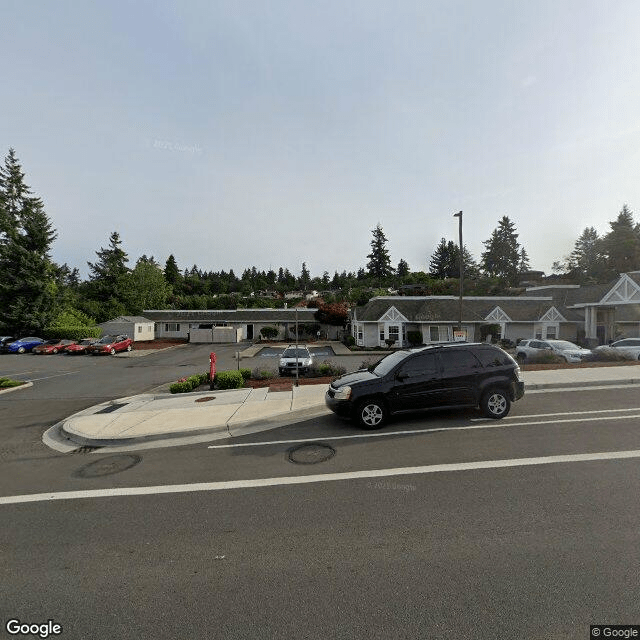
Belmont Terrace-Assisted Living is located at 570 Lebo Blvd, Bremerton, WA 98310 in Kitsap County, Washington
Medicare Coverage for Assisted Living: An In-Depth Exploration

Medicare does not cover assisted living costs, as it focuses on acute medical needs and short-term care, with exceptions for certain medically necessary services like physical therapy. Individuals must explore other options such as Medicaid, veterans' benefits, or long-term care insurance to manage these expenses effectively.
Choosing the Right Senior Care: A Detailed Exploration of Assisted Living and Nursing Homes

Choosing between assisted living and nursing homes involves evaluating emotional and financial factors, with assisted living offering independence and support for daily activities at a lower cost, while nursing homes provide intensive medical care for individuals with significant health needs. The decision is influenced by personal preferences, health status, cognitive function, and varying Medicaid coverage across states.
Understanding the True Cost of Assisted Living in 2025: A Comprehensive Guide
Assisted living in 2025 offers a crucial balance of independence and support for seniors, with costs varying from $2,500 to over $7,000 per month based on factors such as location and care level. Understanding pricing complexities, including regional differences and potential hidden fees, is essential for families to plan financially while ensuring quality care for their loved ones.