For more information about senior living options: (866) 208-4318
3.2 from 75 reviews
5 stars
30
4 stars
8
3 stars
6
2 stars
7
1 stars
24
Bremerton Convalescent & Rehabilitation Center Costs & Pricing
At Bremerton Convalescent & Rehabilitation Center, the monthly cost for a private room is $3,200, which is notably lower than both the average rates for Kitsap County at $4,406 and the broader state of Washington at $4,772. This pricing position highlights Bremerton's commitment to providing affordable care options without compromising quality. For families seeking rehabilitation and convalescent services, the center represents a budget-friendly alternative that still delivers essential support and comfort during recovery.
Floor plans
Bremerton Convalescent & Rehabilitation Center
Kitsap County
Washington
Private
$3,200
$4,406
$4,774
Skilled Nursing Facilities with a similar price nearby
Overall Review of Bremerton Convalescent & Rehabilitation Center
common
Care experience feels inconsistent
Residents describe both very caring help and serious care breakdowns.
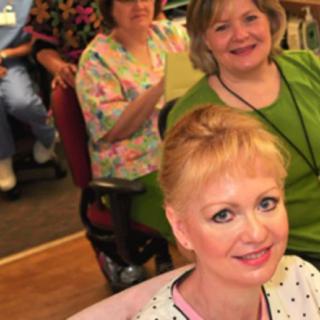
Many reviews praise staff as capable, caring, friendly, and attentive—often highlighting nurses and CNAs answering questions, advocating to doctors, delivering meds on schedule, and helping residents feel at home. Several other reviews describe the opposite experience, including missed medication or shower needs, poor communication, call lights not answered, and neglect concerns. Across both viewpoints, families say they often have to stay on top of care to get responses or follow-through.
caveat
Staffing and follow-through are major themes
Residents and families report staffing shortages and uneven follow-through.
Some reviewers say the facility is short-staffed, with nurses not around consistently and difficulty getting help in a timely way. There are also complaints about follow-through on key needs—like getting appointments or arranging evaluation—paired with reports that families had to escalate to get action. On the other hand, other reviews counter that therapy teams and caregivers were responsive and helped with discharge readiness, suggesting the experience depends heavily on the stay.
common
Food quality and diet support vary
Dining is a mixed experience, with some praising meals and others reporting problems.
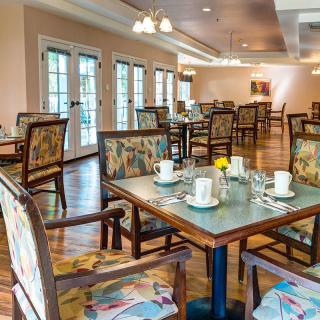
Several reviews mention meal quality and alternatives, including comments that meals were good, hot, and served with options. Others report food issues such as meals arriving cold or dissatisfaction with the food quality. The community also appears to support diet-related needs through special dietary restrictions and diabetes diet support, which aligns with residents discussing what they were given.
caveat
Rooms and cleanliness draw strong reactions
Cleanliness ranges from praised to reported as unacceptable.
Some residents and visitors describe the facility as clean and well kept, including rooms and shared spaces, and note that staff kept things tidy during visits. Other reviews raise concerns about cleaning lapses and room condition, including dirty bathrooms, unclean surfaces, and reports of poor maintenance. A few reviews also connect the physical environment to comfort issues like missing or inadequate cooling during stays.
common
Pricing is positioned below benchmarks
The listed private rate is priced below county and state benchmarks.
For private accommodations, the current pricing is shown as below the county and state reference points, which may help families compare affordability. Reviews still include complaints about value for the level of care received, but at least on paper the private rate is not above typical benchmarks. (Publicly shared review sentiment about cost appears split between praise for Medicare/Medicaid fit and criticism of what families felt they paid for.)
How we summarize
We summarize when many written reviews mention each theme; a review can touch several themes, and only frequently mentioned themes are displayed.
Features
Housing
125 resident community capacity
Types of Care
Skilled Nursing Facility
Amenities
Air-conditioning
Beauty salon
Cable or satellite TV
Computer center
Dining room
Fitness room
Fully furnished
Gaming room
Garden
Housekeeping services
Kitchenette
Move-in coordination
Outdoor space
Private bathrooms
Restaurant-style dining
Small library
Telephone
Wellness center
Wi-Fi/high-speed internet available
Transportation
Seattle-Tacoma International (18 miles away)
Community operated transportation
Transportation arrangement
Transportation arrangement (non-medical)
Transportation to doctors appointments
Care Services
12-16 hour nursing
24-hour call system
24-hour supervision
Activities of daily living assistance
Assistance with bathing
Assistance with dressing
Assistance with transfers
Diabetes diet
Meal preparation and service
Medication management
Mental wellness program
Special dietary restrictions
Dining
Diabetes diet
Special dietary restrictions
Activities
Community-sponsored activities
Concierge services
Fitness programs
Planned day trips
Resident-run activities
Scheduled daily activities
Nearby Places of Interest
Physicians
Kitsap Eye Physicians (0.2 miles)
Long, Kira Harrison Healthpartners Thoracic and Vascular Surgery (0.2 miles)
CHI Franciscan Family Medicine Clinic (0.2 miles)
The Visual Connection (0.4 miles)
Peninsula Oral Surgery (0.8 miles)
The Manette Clinic (1.1 miles)
Va Bremerton Outpatient Clinic (1.8 miles)
Pharmacies
Walgreens (0.8 miles)
Walgreens (2 miles)
Walgreens (2.6 miles)
Albertsons Pharmacy (3.5 miles)
Kitsap Cannabis Farmers fair (3.9 miles)
Walgreens (4.4 miles)
Rite Aid (4.5 miles)
Parks
Manette Playfield (1.3 miles)
Battle Point Park (6 miles)
Blake Island State Park (7.4 miles)
Fay Bainbridge Park (10 miles)
Emma Schmitz Memorial Overlook (10.6 miles)
Lincoln Park (11.7 miles)
Fairmount Playground (11.8 miles)
Restaurants
McDonald's (2.9 miles)
Hi Joy Bowl (3.4 miles)
Envy Bar and Grill (10.9 miles)
Circa (11.3 miles)
Palisade (11.6 miles)
Marination Ma Kai (11.6 miles)
Salty's on Alki (11.8 miles)
Cafes
Starbucks (3.4 miles)
Uptown Espresso (11.4 miles)
Starbucks (11.9 miles)
Chelan Cafe (12.5 miles)
Ugly Mug Café & Coffee Roasters (12.6 miles)
Cafe Mox (12.9 miles)
Caffe Vita - KEXP - Seattle Center (13.1 miles)
Hospitals
Upper Cervical Health Centers Of America (5.3 miles)
North Kitsap Medical Center (11.6 miles)
Providence Mount St. Vincent - Seattle (11.9 miles)
At Bremerton Convalescent & Rehabilitation Center, the monthly cost for a private room is $3,200, which is notably lower than both the average rates for Kitsap County at $4,406 and the broader state of Washington at $4,772. This pricing position highlights Bremerton's commitment to providing affordable care options without compromising quality. For families seeking rehabilitation and convalescent services, the center represents a budget-friendly alternative that still delivers essential support and comfort during recovery.
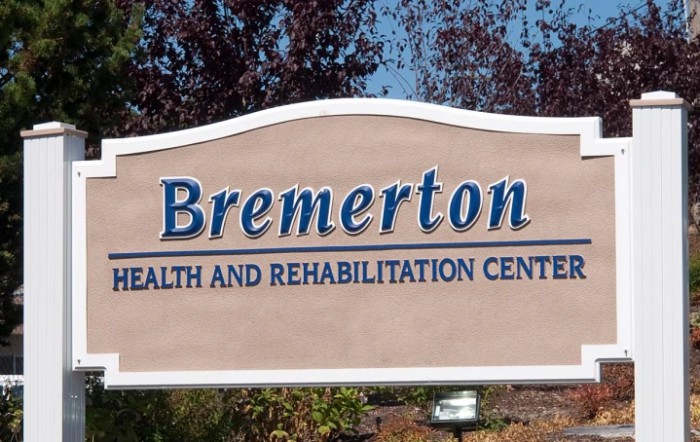
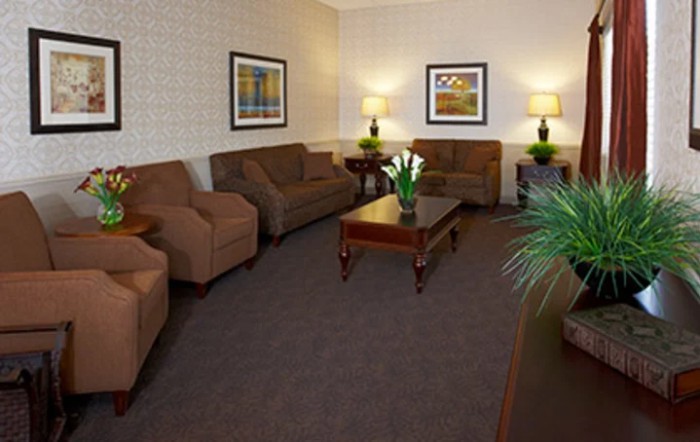
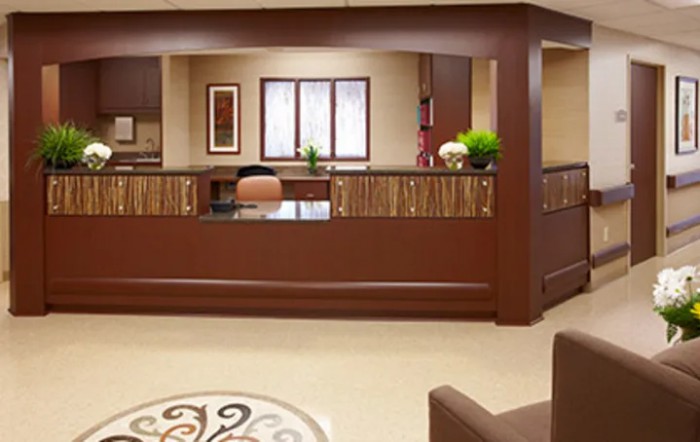
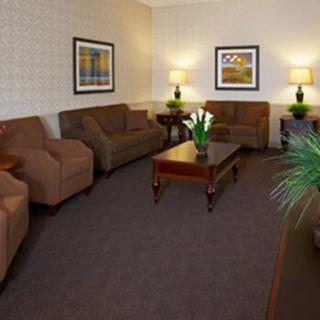
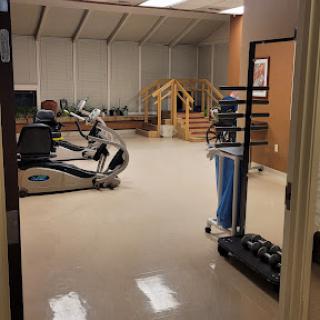
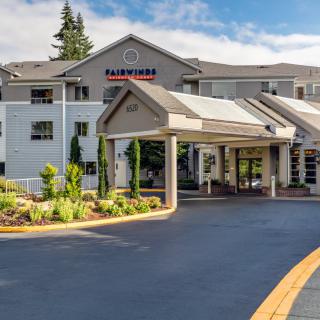
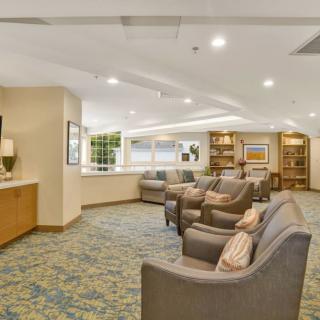
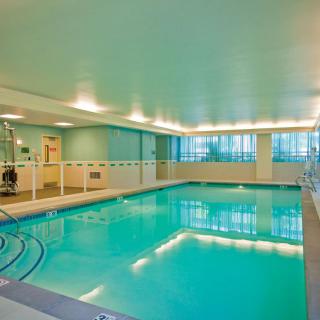
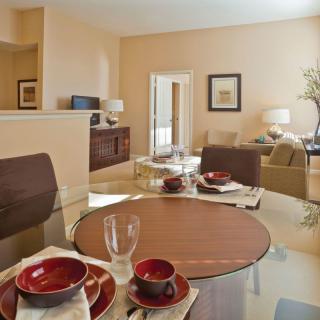
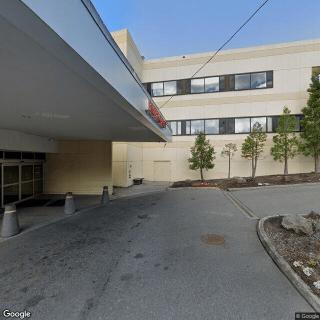
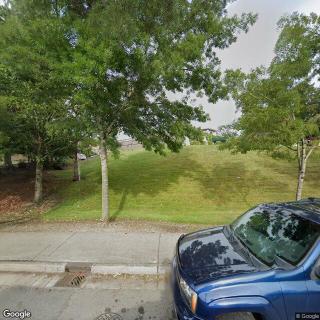
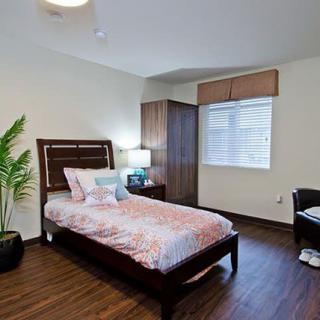
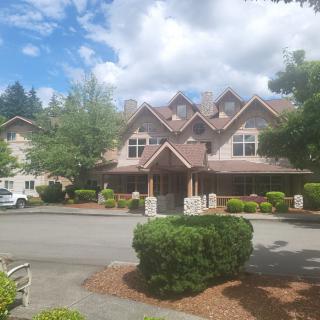
Bremerton Convalescent & Rehabilitation Center on seniors.fyi includes 7 photos including images showing nature, landscaping, trees, gym, fitness, exercise equipment, exercise room, outdoor, and more.
Nearby Communities
Laurel Glen At Bremerton Senior Living
Bremerton, WA
4.2 from 81 reviews
$2,520 to $3,850 / month
Kind, attentive staff in a clean, welcoming community with engaging activities and ongoing improvements.
Canterbury Manor
Bremerton, WA
3.3 from 15 reviews
Friendly, engaging staff with an active social calendar and well-maintained facilities.
Stafford Healthcare At Belmont
Bremerton, WA
2.1 from 7 reviews
Friendly staff and engaging amenities.
Belmont Terrace-Assisted Living
Bremerton, WA
4.1 from 32 reviews
Compassionate, supportive staff and a warm, community atmosphere during recovery.
Harrison Memorial Hospital
Bremerton, WA
3 from 2 reviews
Close proximity to multiple amenities (cafes, parks, pharmacies, physicians, and restaurants) near Harrison Memorial Hospital enhances convenience and quality of life.
The Vintage at Bremerton
Bremerton, WA
3.6 from 64 reviews
$720 to $769 / month
Friendly management/maintenance staff with renovation plans under new ownership
Ashley Gardens of Bremerton
Bremerton, WA
4.5 from 17 reviews
$3,600 to $4,800 / month
Clean, safe environment with an effective admissions/orientation process and well-received meals.
The Arbor at Bremerton
Bremerton, WA
3.6 from 63 reviews
$5,000 to $5,500 / month
Compassionate staff with clear communication in a well-maintained memory-care setting.
Stafford Suites- Port Orchard
Port Orchard, WA
4.6 from 13 reviews
$4,025 to $5,650 / month
Friendly staff; good meals; clean, homey, active atmosphere.
Senior drivers prioritize comfort, safety, and ease of use in vehicles due to age-related challenges, seeking features like easy entry, clear visibility, and modern driver-assistance technologies. Recommended models include the Subaru Forester, Honda CR-V, and Toyota Camry, with emphasis on test-driving for personal comfort and evaluating crash-test ratings alongside insurance considerations.
Private pay home care offers a flexible caregiving option for older adults and families who don't qualify for government programs, allowing them to directly fund in-home care services that range from daily assistance to specialized support. This model's customization potential enables aging in place while addressing financial considerations through strategic planning options, though clients must navigate marketplace challenges and ensure quality compliance.
Arthritis encompasses over 100 joint disorders affecting people of all ages, leading to symptoms like pain and stiffness that impair mobility and quality of life. Effective management involves early diagnosis, lifestyle changes, medical treatments, emotional support, and ongoing monitoring with healthcare professionals.
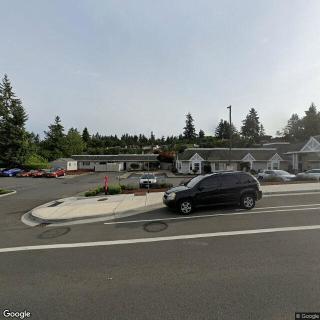
Bremerton Convalescent & Rehabilitation Center photos
×
Interior
Decor
Trees
Landscaping
Outdoor
Nature
Exercise Equipment
Interior, Office, Waiting Area, and Reception Area
Decor, Living Room, Artwork, and Indoor Plants
Landscaping and Nature
Trees and Road
Outdoor
Exercise Equipment, Gym, Fitness, and Exercise Room
Lake and Water
Get PricingAsk A QuestionSchedule A TourContact Senior Advisor
By clicking submit, you agree to our Partner's Terms of Use. You
also consent to receive calls and texts, which may be autodialed, from our Partner. Your consent is not a condition to
using our Partner's service. Please visit our Partner's Privacy Policy for information about their privacy practices.






 125 resident community capacity
 Skilled Nursing Facility
 Air-conditioning
 Beauty salon
 Cable or satellite TV
 Computer center
 Dining room
 Fitness room
 Fully furnished
 Gaming room
 Garden
 Housekeeping services
 Kitchenette
 Move-in coordination
 Outdoor space
 Private bathrooms
 Restaurant-style dining
 Small library
 Telephone
 Wellness center
 Wi-Fi/high-speed internet available
 Seattle-Tacoma International (18 miles away)
 Community operated transportation
 12-16 hour nursing
 24-hour call system
 Activities of daily living assistance
 Assistance with bathing
 Assistance with dressing
 Assistance with transfers
 Diabetes diet
 Medication management
 Mental wellness program
 Special dietary restrictions
 Concierge services
 Planned day trips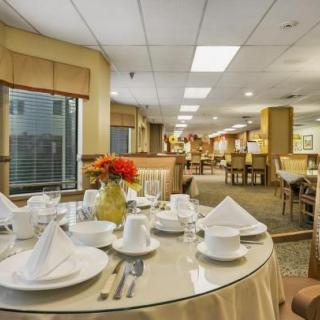
 Kind, attentive staff in a clean, welcoming community with engaging activities and ongoing improvements.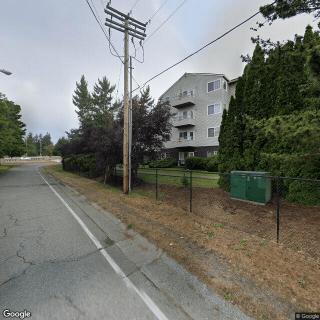

 Top Cars for Senior Drivers and Essential Safety Innovations
 A Closer Look at Private Pay Home Care
 Comprehensive Approaches for Arthritis: A Detailed Guide to Symptoms, Causes, and Care