
560 Lebo Boulevard, Bremerton, WA 98310
For more information about senior living options: (866) 208-4318
Overall Review of Stafford Healthcare At Belmont
Pros
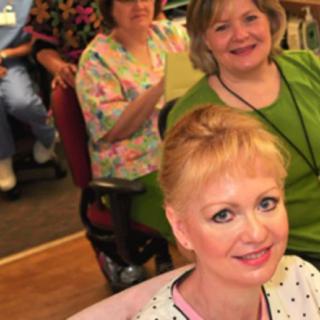
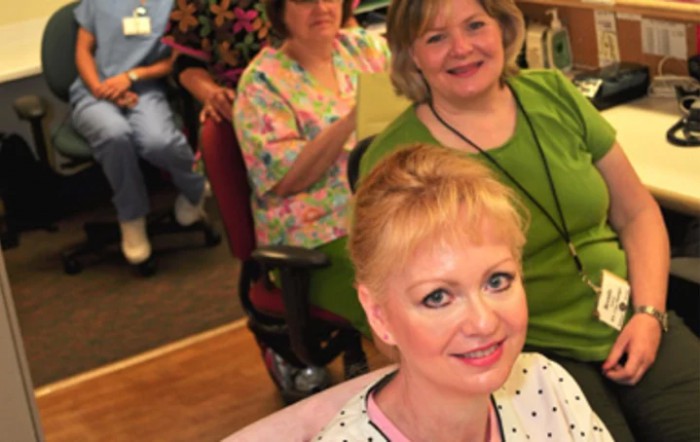
 The staff at Stafford is very friendly and nice.
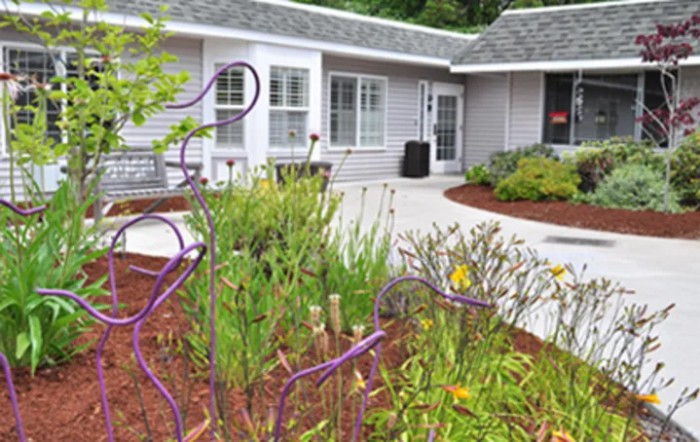
- The facility looks nice and the staff are friendly and caring.
- Stafford Healthcare's staff were kind and friendly and did a wonderful job with her care.
- They were excellent and deserve a high rating.
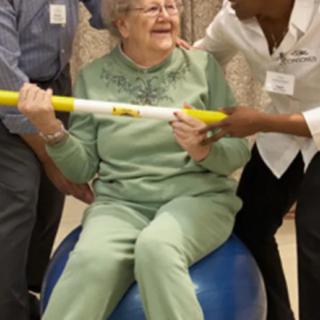
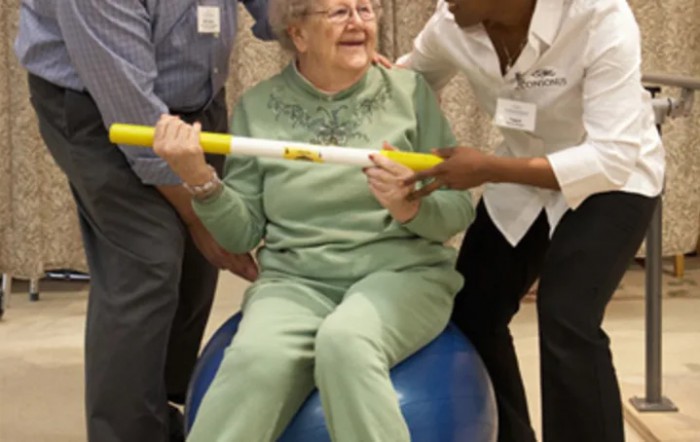
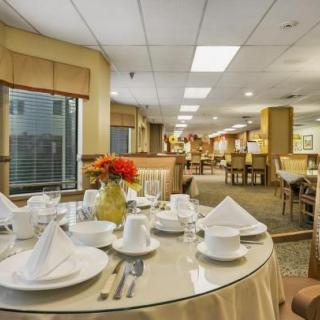
- The facility offers private rooms and hosts activities in a central community room and an exercise room.
Cons
 They did not send her to the ER despite a dangerous blood pressure reading and kept her in bed, allowing stroke damage.
- The care when it was needed was not there, even though the place looked nice and the staff seemed friendly.
- The staff did nothing to treat her and no one saw or treated her; the family had to call 911.
- They only collect the money and do not provide sufficient care.
- A C. diff infection spread because proper isolation and recognition of symptoms were ignored, leading to hospitalization, life-saving surgery, and death.
- The day nurse dismissed concerns with "It's not my problem," and two staff members were rude; not a place to send a bedridden loved one.
- The RNs and aides did not recognize the stroke and returned her to bed; she did not survive.
- There was a lack of adequate nursing assessment and delayed responses, contributing to a rapid decline and death.
Review
Stafford Healthcare at Belmont is best suited for seniors who prioritize social engagement, a private room, and straightforward daily assistance, provided a vigilant, capable family or external caregiver network will step in during medical emergencies. The facility can deliver pleasant moments, the appearance is tidy, common spaces and an exercise room exist, and some staff members are genuinely friendly and attentive. Yet these positives do not compensate for the fundamental need of reliable, proactive medical oversight. For residents with significant health risks or a history of acute symptoms, this community exposes serious safety gaps that families should weigh heavily.
Those with high medical complexity should seriously consider alternatives. Reviews repeatedly flag the absence of timely, decisive care when urgent symptoms appear, stroke, dehydration, fever with pneumonia, or suspected infections, and note that crucial decisions, like sending a resident to the ER, were delayed or left to family members. The pattern is not about neglecting kindness; it is about a care model that does not consistently translate concern into prompt, appropriate medical action. For anyone needing continuous, proactive assessment and rapid escalation for emergent issues, other facilities will likely provide greater reassurance.
The strongest positives here, friendliness of staff, a private patient room, and the availability of organized activities and an on-site exercise space, matter, but they are largely surface-level comforts when medical safety is the priority. Several reviewers singled out individual nurses and aides who delivered solid care, yet those experiences coexist with repeated reports of inadequate assessments, slow or ineffective responses to illness, and gaps in communication. The friction between pleasant day-to-day interactions and dangerous variability in clinical judgment creates a precarious balance that can tilt toward harm in a crisis. In short, warmth does not compensate for inconsistent clinical performance.
Prospective residents should vet concrete, measurable guarantees before move-in. Key questions include: what is the nurse-to-patient ratio on each shift, who is the on-site clinical lead, and how quickly can the staff initiate an ER transfer when a resident’s vitals spike or infection signs appear? Request access to recent incident logs and the DOH inspection history, and ask to review the care protocols for common emergencies like stroke or dehydration. Push for a direct line to the director of nursing, a written escalation process, and a clearly defined plan for rehabilitation and infection control that goes beyond generic statements. A trial period with defined thresholds for escalation can help separate promise from practice.
For families still leaning toward Stafford Belmont after diligence, set up a risk-mitigation framework. Insist on 24/7 nursing coverage and an explicit commitment to timely ER transfers, daily medical reassessments, and aggressive infection control measures. Ensure the care plan is highly specific, with measurable goals and transparent, regular updates to families. Consider supplementing facility care with trusted home-health oversight or external physicians who can review medical decisions, particularly around acute events. If medical risk cannot be reliably contained, the prudent choice is to look elsewhere, even if that means adjusting expectations about amenities or camaraderie in favor of true safety.
Ultimately, Stafford Healthcare at Belmont does not emerge as a clear recommendation for families prioritizing medical reliability. It may be a reasonable fit for someone with low medical acuity who values companionship, personal space, and activities, supplied by a family willing to manage emergencies off-site. For residents with a history of strokes, infections, dehydration, or unstable health, alternatives with proven, consistent clinical oversight are worth pursuing. The decisive factor is whether the planned oversight and escalation structures can be delivered as described, because the most critical care realities here often diverge from the comforting surface experience.
 102 resident community capacity
 Assisted Living
 Skilled Nursing Facility
 Activities on-site
 Air-conditioning
 Beauty salon
 Cable or satellite TV
 Computer center
 Devotional services off-site
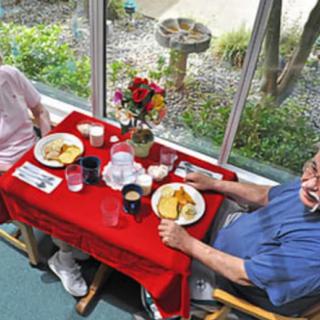
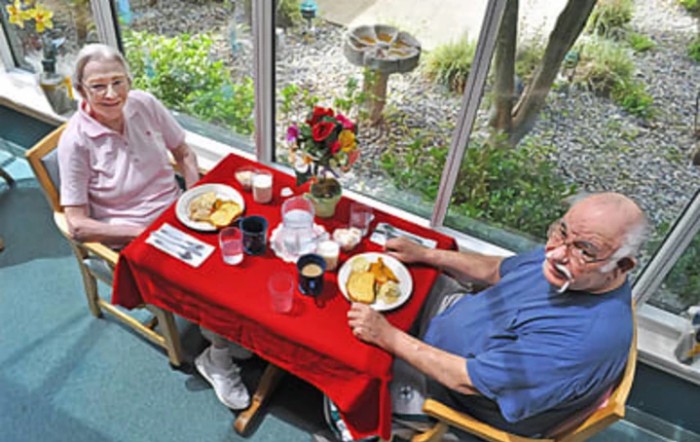
 Dining room
 Fitness room
 Fully furnished
 Gaming room
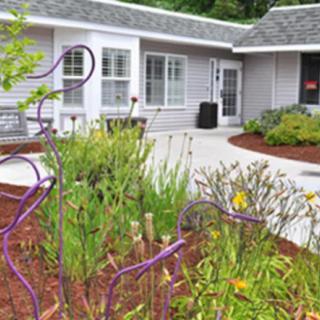
 Garden
 Housekeeping services
 Indoor common areas
 Kitchenette
 Move-in coordination
 Outdoor space
 Private bathrooms
 Restaurant-style dining
 Small library
 Telephone
 Wellness center
 Wi-Fi/high-speed internet available
 Seattle-Tacoma International (18 miles away)
 Community operated transportation
 12-16 hour nursing
 24-hour call system
 Ambulatory care
 Assistance with bathing
 Assistance with dressing
 Assistance with transfers
 Diabetes diet
 Diabetic care
 Medication management
 Mental wellness program
 Special dietary restrictions
 Concierge services
 Planned day trips





 An Extensive Exploration of the VA Aid and Attendance Benefit
 Senior Transition Services: Understanding Their Role, Cost, and Importance
 Exploring the Path to Senior Living: A Comprehensive Look at Independent Living and Assisted Living