
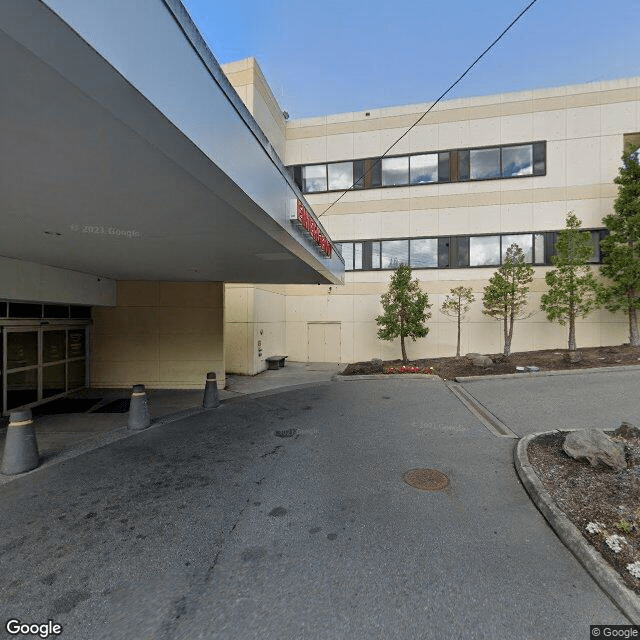
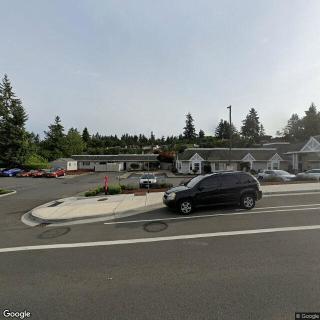
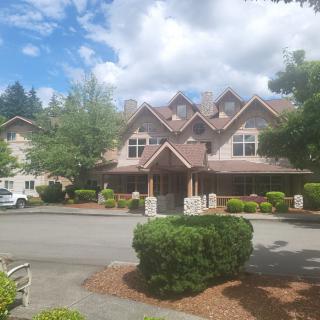
2520 Cherry Ave, Bremerton, WA 98310
To contact a resident: (360) 377-3911
For more information about senior living options: (866) 208-4318
Overall Review of Harrison Memorial Hospital
Cons
 The hospital has been closed for 3 years.
- No one can help at this place.
- It hasn't even been called "Harrison" for over 6 years.
- Whoever added this building needs to be subject to the fact checkers.
- There is no way to reach the ICU, as attempts have lasted over 30 minutes.
Review
This Bremerton facility is not suited for anyone seeking reliable hospital care today. Harrison Memorial Hospital has been closed for roughly three years, and the site has not carried its former name for more than six years. In practice, this location cannot provide emergency access, ICU care, or routine medical services. The status is not ambiguous: the building’s purpose has shifted away from functioning acute care, and branding confusion only compounds the risk of misdirection during urgent moments. For families evaluating where to turn for urgent medical needs, this is not a viable option.
For families weighing senior-care choices, this hospital should be removed from consideration entirely. The unavoidable realities, no current staff availability, nonfunctional ICU, and a patient-facing line that fails to connect in critical moments, make it a poor choice for anyone who expects timely, professional medical support. Alternatives must be sought in active facilities with open emergency departments, staffed nurses around the clock, and clear transfer protocols. In Bremerton and the surrounding area, that means directing attention to hospitals or hospital-affiliated senior-care campuses that maintain current licenses and can reliably support acute episodes, post-acute care, and ongoing medical monitoring.
There is a lone 5-star rating among the reviews, but it offers no constructive evidence of present capabilities. The existence of a past positive note cannot counterbalance the current operational gaps. The perceived quality from years prior is effectively irrelevant when the site cannot be accessed, cannot admit new patients, and cannot facilitate critical communication during a crisis. Relying on historical goodwill in this context only increases the risk of misinformed decisions.
The main cons, persistent closure, branding confusion, unresponsive lines, and a nonfunctional ICU, outweigh any remote potential benefit. For families planning around a loved one’s care, these issues translate into real risk: delays, miscommunication, and the temptation to redirect care to a center that cannot fulfill essential hospital functions. In senior-care decision-making, reliability and immediate access trump nostalgia or historical reputation. This is not a moment to gamble with health by choosing a site that cannot deliver core hospital services when needed.
The practical path forward centers on active, current facilities. When evaluating assisted living or related options, prioritize communities with on-site licensed nurses, robust medical oversight, and formal partnerships with nearby acute-care hospitals to ensure seamless transfers. Confirm 24/7 intake lines, transparent transfer protocols, and proactive case management. For families, the decision includes geography, travel feasibility, and the ability to sustain care needs over time. If the goal is memory care or assisted living with medical support, seek campuses that demonstrate current accreditation, explicit emergency procedures, and clear communication channels.
Bottom line: Harrison Memorial Hospital in its present status should not figure into plans for ongoing senior medical care. Alternatives that offer reliable emergency access, consistent staffing, and defined care pathways are essential. A deliberate, evidence-based approach, checking current licenses, talking to admissions teams, and reviewing recent survey results, will protect against misaligned expectations. This review points to decisive action: bypass this site for acute or long-term care needs and direct attention to active facilities that can deliver the safety, responsiveness, and continuity essential for seniors.
 Seattle-Tacoma International (17 miles away)
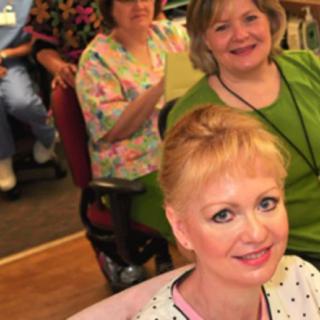
 Kind, attentive staff in a clean, welcoming community with engaging activities and ongoing improvements.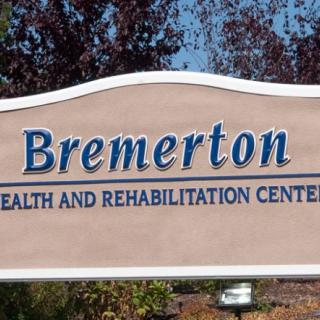



 6 Crucial Ways an Elder Law Attorney Assists Families
 Navigating the Tax Landscape of Caregiving: Credits, Deductions, and Beyond
 Highly Beneficial Low-Impact Exercises for Senior Living Residents