
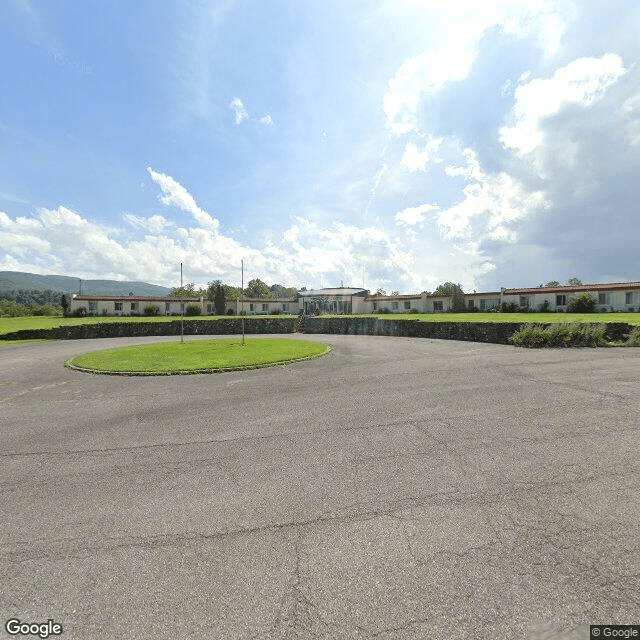
100 Edgemont Rd, Wytheville, VA 24382
To contact a resident: (540) 228-7380
For more information about senior living options: (866) 208-4318
Overall Review of Edgemont Care Ctr
Pros
 The CNAs were great.
- The CNAs were friendly.
- The loved one really loved the caregivers.
Cons
 They were not set up for dementia care or Alzheimer's care.
- There was a lot of falling.
- They overmedicated the resident.
- The hospital advised reducing medications, but no one did.
- Their solutions to the falls did not seem appropriate and may not have been legal.
- They had no special training for dementia or Alzheimer's care.
Review
Edgemont Care Center in Wytheville, VA is best suited for seniors who need dependable nursing support and a straightforward, hands-on caregiving presence, particularly if the primary need centers on physical recovery or steady daily assistance rather than memory-care specialization. The facility’s strength lies in the bedside relationships: CNAs who are consistently friendly and genuinely valued by residents. For families seeking a place where Aides form meaningful connections and where routine assistance is the norm, Edgemont delivers a reassuring, someone-you-can-count-on atmosphere. It functions well as a post-acute or general assisted-living option when the care plan emphasizes mobility support, basic daily living activities, and reliable staff contact.
Those considering alternatives should note that Edgemont is not designed for dementia or Alzheimer’s care. If the loved one requires specialized memory programs, structured dementia activities, or staff trained in behavioral strategies tailored to cognitive decline, another community with dedicated memory-care certification will likely serve better. The reviews consistently flag a lack of dementia-specific capabilities, which translates into safety and care gaps for residents living with Alzheimer’s or other forms of dementia. Families should also anticipate potential medication-management concerns, as there are indications of polypharmacy issues and resistance to adjusting regimens even when medical teams advise reductions.
On the positive side, the CNA team stands out as the standout advantage. The aides are described as friendly, engaging, and capable of forming strong bonds with residents, producing a welcome sense of security and daily comfort. This rapport matters greatly for anyone who values consistent, personable attendants who remember preferences, routines, and personal histories. When a resident’s mood and cooperation hinge on a trusted caregiver relationship, Edgemont’s staff quality can significantly ease the daily caregiving equation and support smoother transitions during recovery or ongoing routine care.
Yet the main drawbacks endure as substantial counterweights. The facility’s current model does not provide the specialized structure needed for dementia care, and concerns about falls are persistent. The reviews cite frequent falls and a perception that fall-prevention measures were not adequately aligned with best safety practices. Compounding this is the impression of overmedication, coupled with a hospital directive to cut back that could not be enacted in a timely or satisfactory manner. The combined effect creates a potential risk profile that families must weigh against the benefits of attentive, kind caregiving.
In balancing these factors, the strong, person-centered CNA experience at Edgemont does mitigate some risk by improving daily life quality and resident satisfaction, but it does not fully offset the critical gaps for memory-care residents or those particularly sensitive to medication management. For families prioritizing a warm, dependable aide team and solid short-term rehabilitation or general assisted living, Edgemont can be an effective choice. For memory-care needs or for anyone requiring aggressive dementia-specific programs and scrupulous medication review, alternatives with proven dementia credentials and tighter clinical oversight are advisable.
The practical conclusion is clear: Edgemont Care Center should be considered when the priority is reliable, friendly daily care and support for physical recovery or non-dementia needs, with a clear plan to monitor falls and medication management. If memory care, aggressive fall-prevention protocols tailored to cognitive impairment, and careful, responsive medication stewardship are non-negotiable requirements, families should evaluate other communities first. Prospective residents and families should directly discuss memory-care capabilities, staffing levels for cognition-related care, and a concrete plan for medication adjustments to ensure alignment with medical guidance before making a commitment.
 Day Program
 Skilled Nursing Facility
 Exploring Nonmedical Home Care: Understanding Services, Costs, and Financial Approaches
 Engaging Brain Games and Innovative Apps to Keep Senior Minds Active
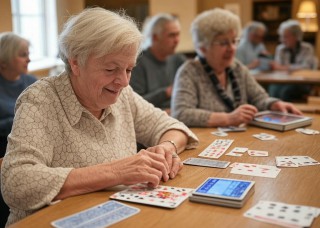 Effective Strategies for Keeping Seniors' Minds Active: A Deep Dive into Brain Games and Apps