
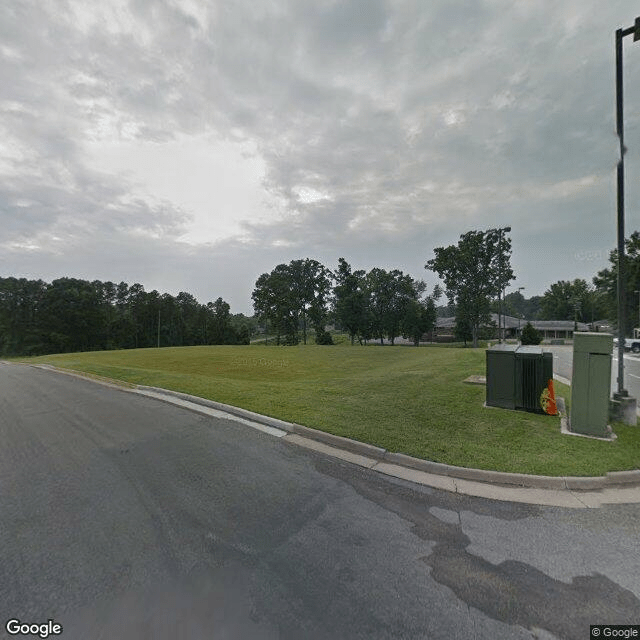
406 Oak Ln, South Boston, VA 24592
To contact a resident: (804) 572-2925
For more information about senior living options: (866) 208-4318
Overall Review of Twin Oaks Convalescent Home
Pros
 The nursing care has shown a distinct positive change since December 2025.
- Ebony Hamilton's leadership as Nurse Manager on the second floor is making a noticeable difference.
- Shanella McKnight provides truly comforting, professional, and caring care.
- Tayelor Benson is very active in tending to the mother's needs, and is skilled and respectful.
- Jane Allen's promotion to Facility Director signals strong leadership and improved communication.
- Amber Williamson's contributions as Assistant Director of Nursing have yielded positive interactions.
- The facility has come a long way in the last few months.
Cons
 The transition has been turbulent, with several issues arising after management changes.
- Twin Lakes has faced ongoing operational struggles.
- The business side of Twin Lakes needs significant work.
- Billing issues are not addressed in a timely fashion.
- The facility requires families to repeatedly reach out for answers and concerns.
Review
Twin Oaks Convalescent Home in South Boston is best suited for families facing high-acuity care needs where consistent, attentive bedside nursing is the priority and leadership is actively shaping day-to-day operations. The community’s current overall impression sits at a solid 4.6 from a small pool of reviews, underscoring a high-level satisfaction with the core nursing function even as administrative processes have shown friction during recent transitions. Families with a loved one who requires around-the-clock care and appreciates responsive, Know-your-moments nursing can expect meaningful improvements on the floor. This is not a facility chosen for those seeking a hands-off experience or minimal staff interaction; it is a setting where dedicated bedside caregivers drive most of the value. The question is whether the administrative and billing side can keep up with the rising floor-level care, and for which families that balance still makes sense.
The most compelling strength now is the visible improvement in nursing care under new leadership. The arrival of a nurse manager on the second floor is associated with better consistency in daily care, with caregivers who understand a resident’s routines, preferences, and needs. Specific praise is directed at two CNAs who consistently meet high standards of professional, compassionate care, along with a nurse manager whose leadership appears to stabilize the floor’s operations. For families with a loved one who is bedridden or requires highly individualized attention, the discernible shift toward more reliable, attentive nursing delivers real, experiential value. This is not theoretical progress; it translates into calmer days for residents, better responsiveness to changing needs, and more predictable care rhythms.
On the administrative side, leadership has undergone important changes that translate into clearer direction and more proactive oversight. A former social work director has been promoted to Facility Director, and this elevation is paired with accessible, responsive administrative communication from the Assistant Director of Nursing. Those interactions have generated confidence that higher-level oversight is now more consistent, with a more visible leadership presence that can help resolve issues before they escalate. Families should notice a more structured approach to care planning, scheduling, and problem-solving, which matters when daily routines and medical needs depend on clear coordination between floor staff and administrators.
Yet, the most consistently cited drawback remains the business and billing facet of the operation. While bedside care shows clear gains, billing issues and related communications continue to lag, requiring repeated outreach to obtain answers. This friction can create anxiety for families needing predictable financial timelines, and it can obscure a true sense of operational reliability even when clinical care on the floor is improving. In practical terms, this means the strongest care advantages may be undermined for those who value seamless, timely billing communication as part of the overall experience. The institution’s care improvements do offset some of this disappointment, but the gap remains real and meaningful when planning long-term arrangements.
In weighing pros against cons, the improved nursing care on the floor carries substantial weight for families prioritizing day-to-day quality of life and medical supervision. A resident who benefits from attentive CNAs, consistent routines, and a nursing leadership presence will often experience fewer avoidable escalations in pain, immobility complications, or confusion, compared to facilities where staff turnover or inattentiveness distracts care. The administrative leadership changes amplify this value by promising better governance, clearer expectations, and more accountable workflows. However, the billing friction cannot be dismissed as a minor nuisance; it affects the overall confidence families place in the facility and can influence decisions for those balancing care quality with predictable monthly expenses. The improved care makes a strong case, but only for families willing to tolerate periodic administrative headaches as a trade-off.
Ultimately, this community is a strong fit for families whose top priority is high-quality bedside care delivered with consistent nursing attention and where leadership is actively addressing operations. Prospective residents who need thorough daily assistance, nursing supervision, help with activities of daily living, and rapid response to changes in condition, will likely find substantial value in the on-floor staffing and the newer governance structure. Those who must have flawless administrative logistics, particularly around billing timelines and clarity, should approach with a clear plan: request current, concrete timelines for billing responses, obtain a direct point of contact for financial questions, and verify that the latest leadership changes have been fully integrated into practice. If the billing process remains fluid and predictable, the care gains on the floor make this facility a compelling choice. If not, alternatives with stronger, more established administrative systems may be worth pursuing.
In sum, Twin Oaks Convalescent Home presents a pragmatic, decision-focused option for families prioritizing nursing excellence and engaged leadership, especially for residents with significant care needs. The recent leadership turnover has yielded palpable improvements in bedside care, with caregivers who know residents, respect routines, and demonstrate genuine concern. Those who can tolerate ongoing administrative friction, primarily around billing, will likely experience a net positive return on the investment of trust and time in this community. For families seeking a reliable balance of strong nursing care and improving governance, this facility stands out as a compelling choice. For those whose priority is flawless administrative predictability, or who require ultra-clear, frictionless billing interactions, exploring alternatives remains prudent until billing processes are demonstrably tightened.
 Skilled Nursing Facility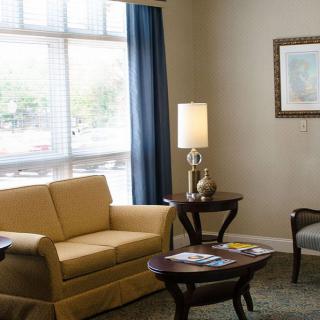






 Understanding the Sandwich Generation: Stress and Responsibilities for Multigenerational Caregivers
 8 Essential Assistive Devices for Older Adults
 Navigating the Financial Road to Nursing Home Care: In-Depth Guidance and Resources